 Aspecten
 Download (1.8 GB)
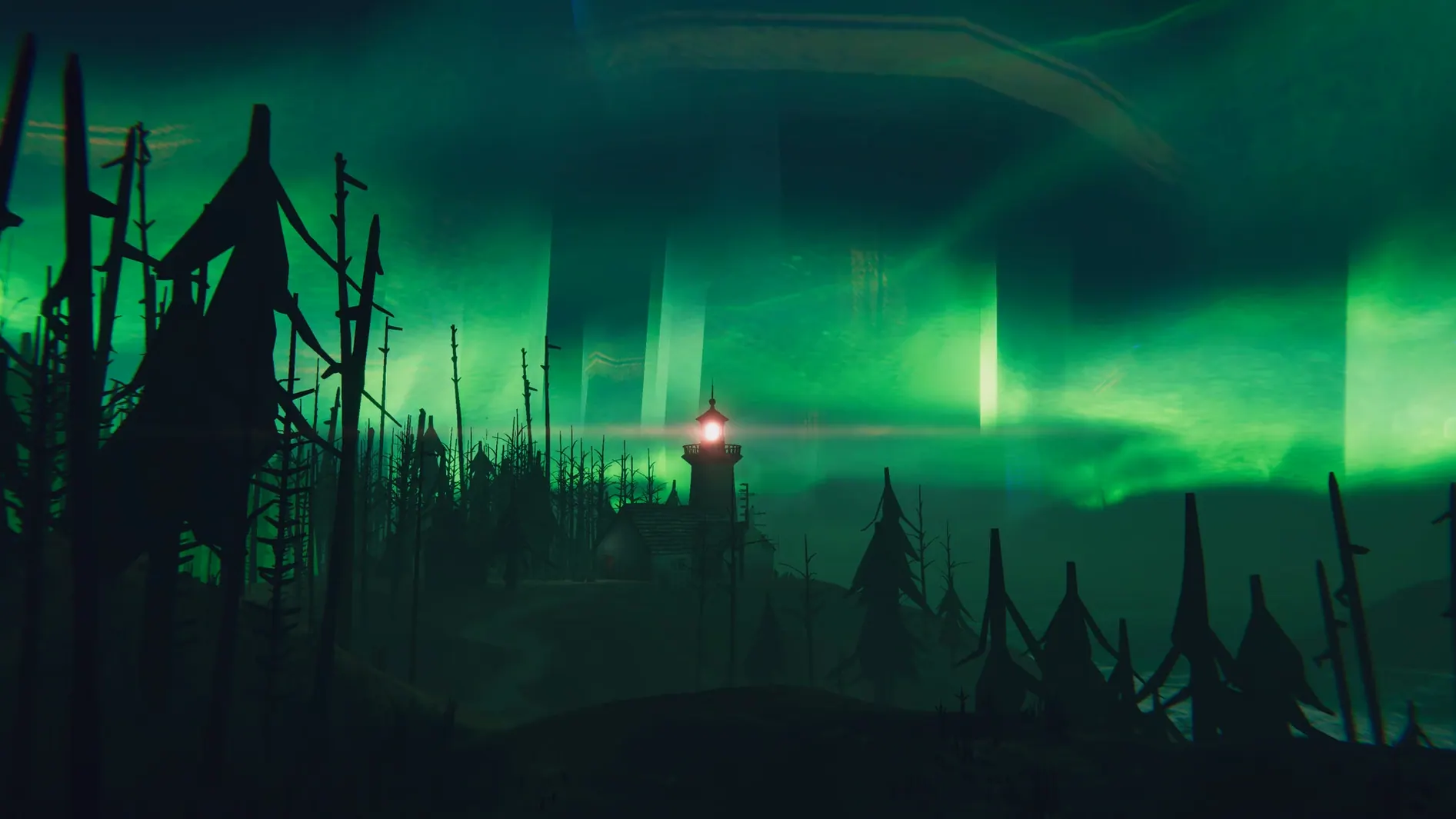
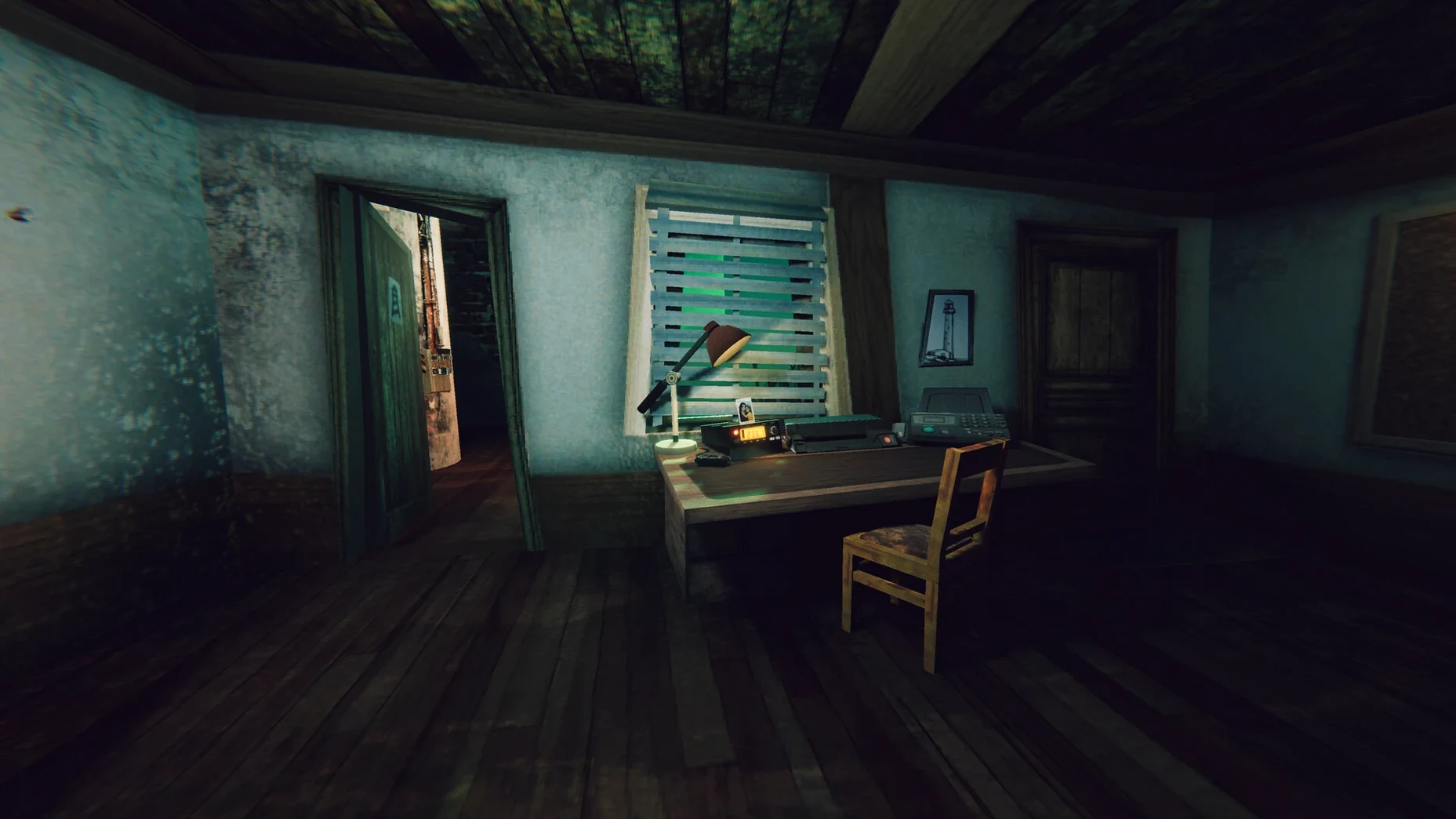
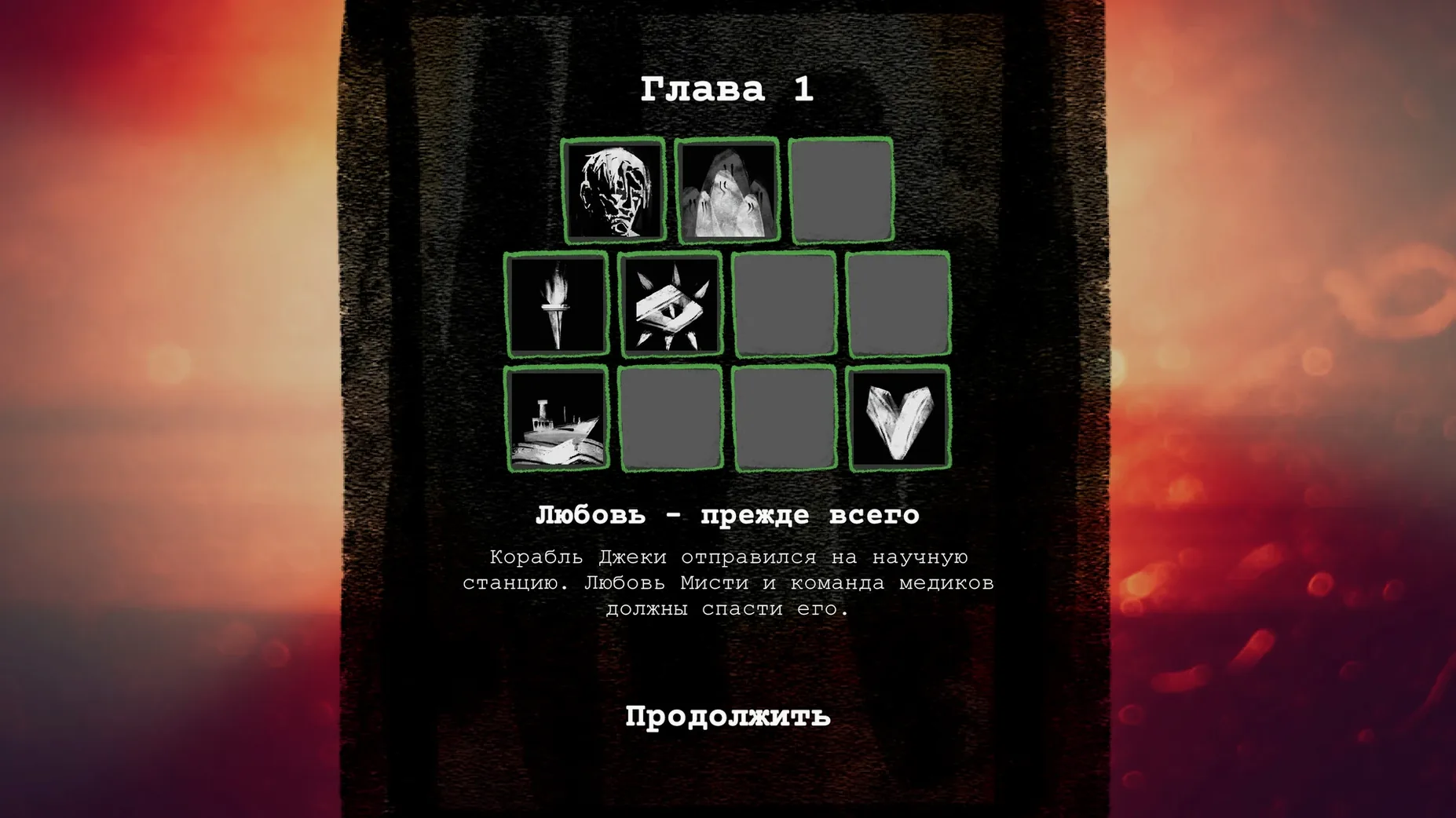
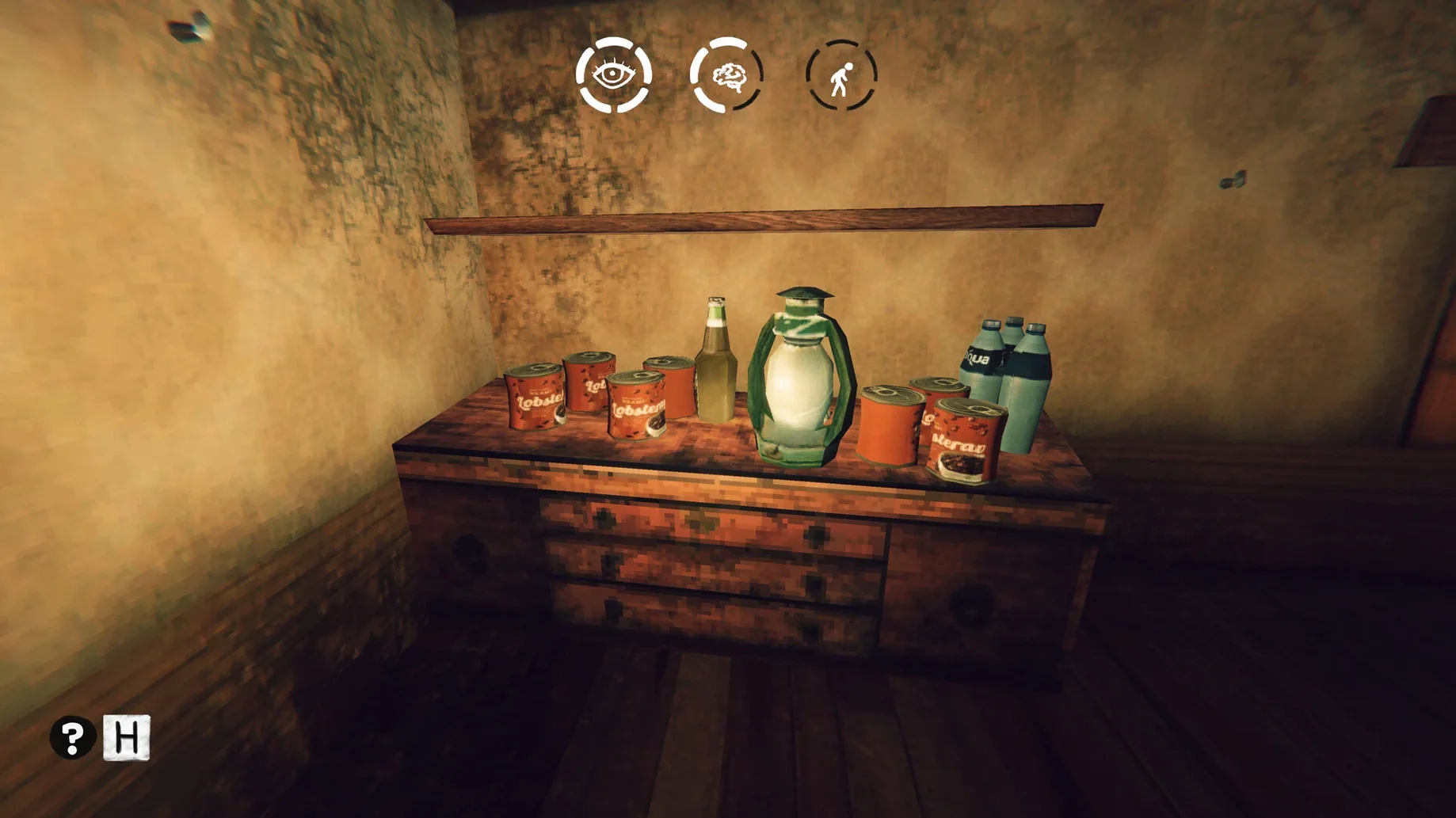
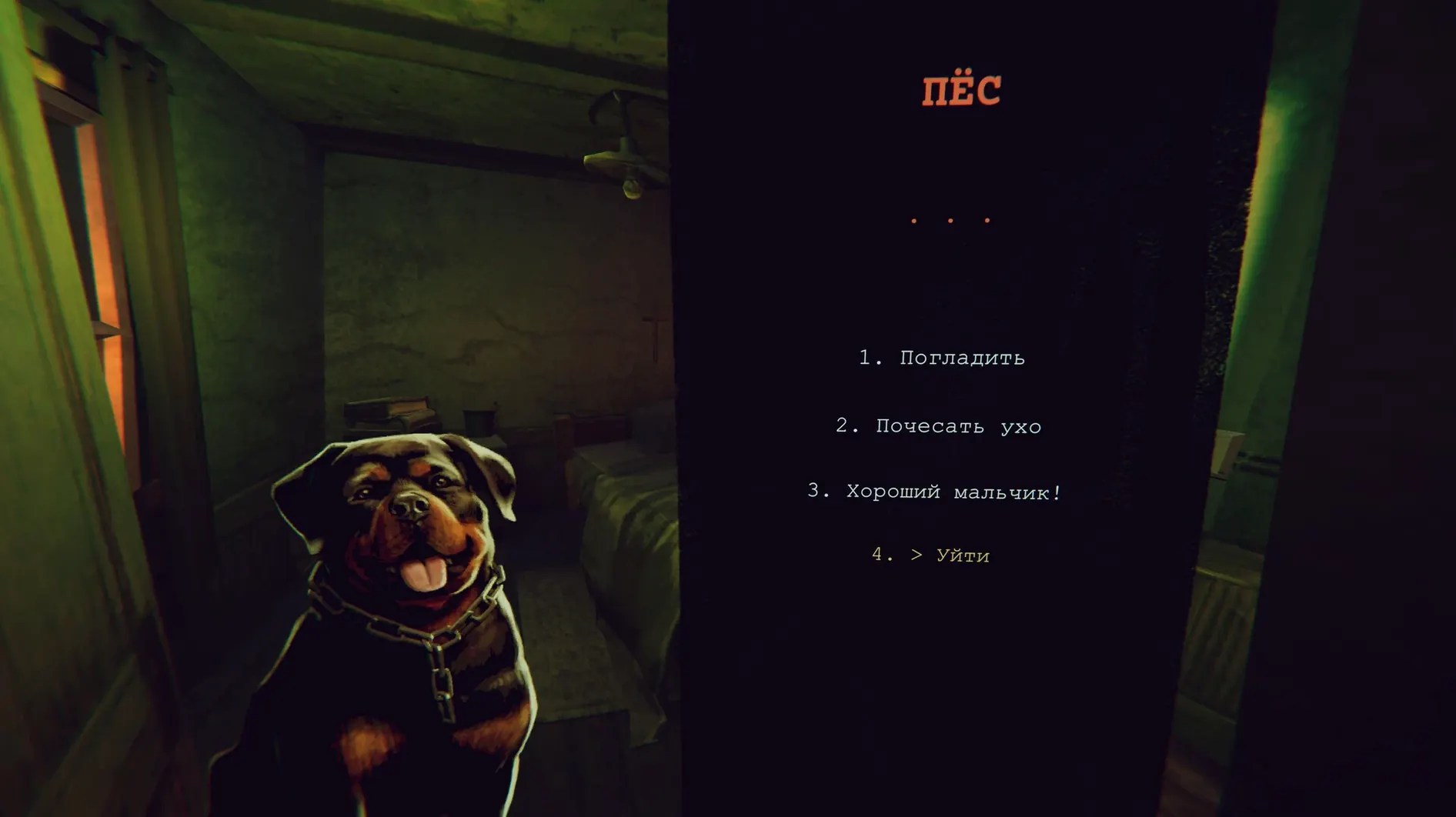
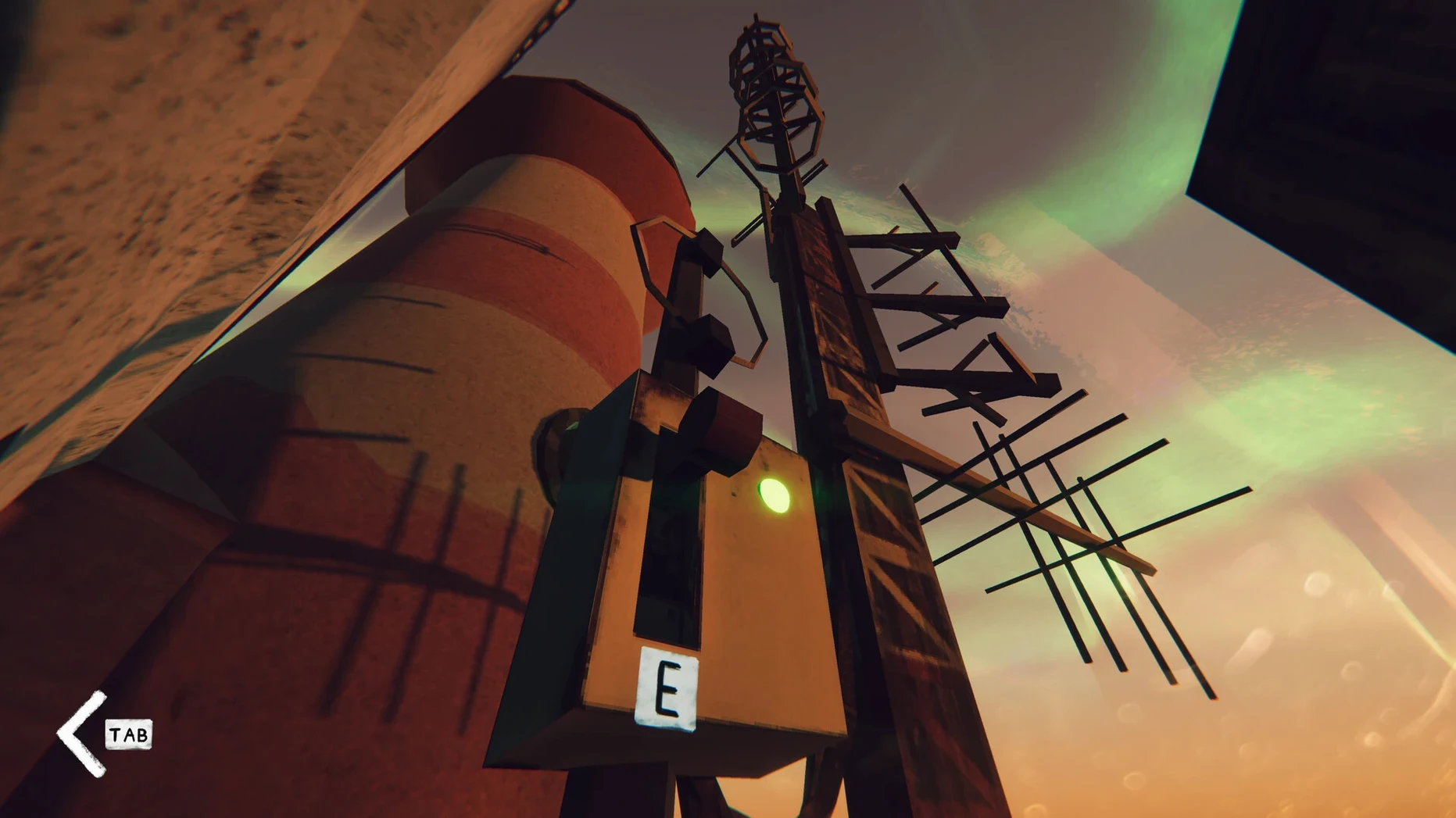
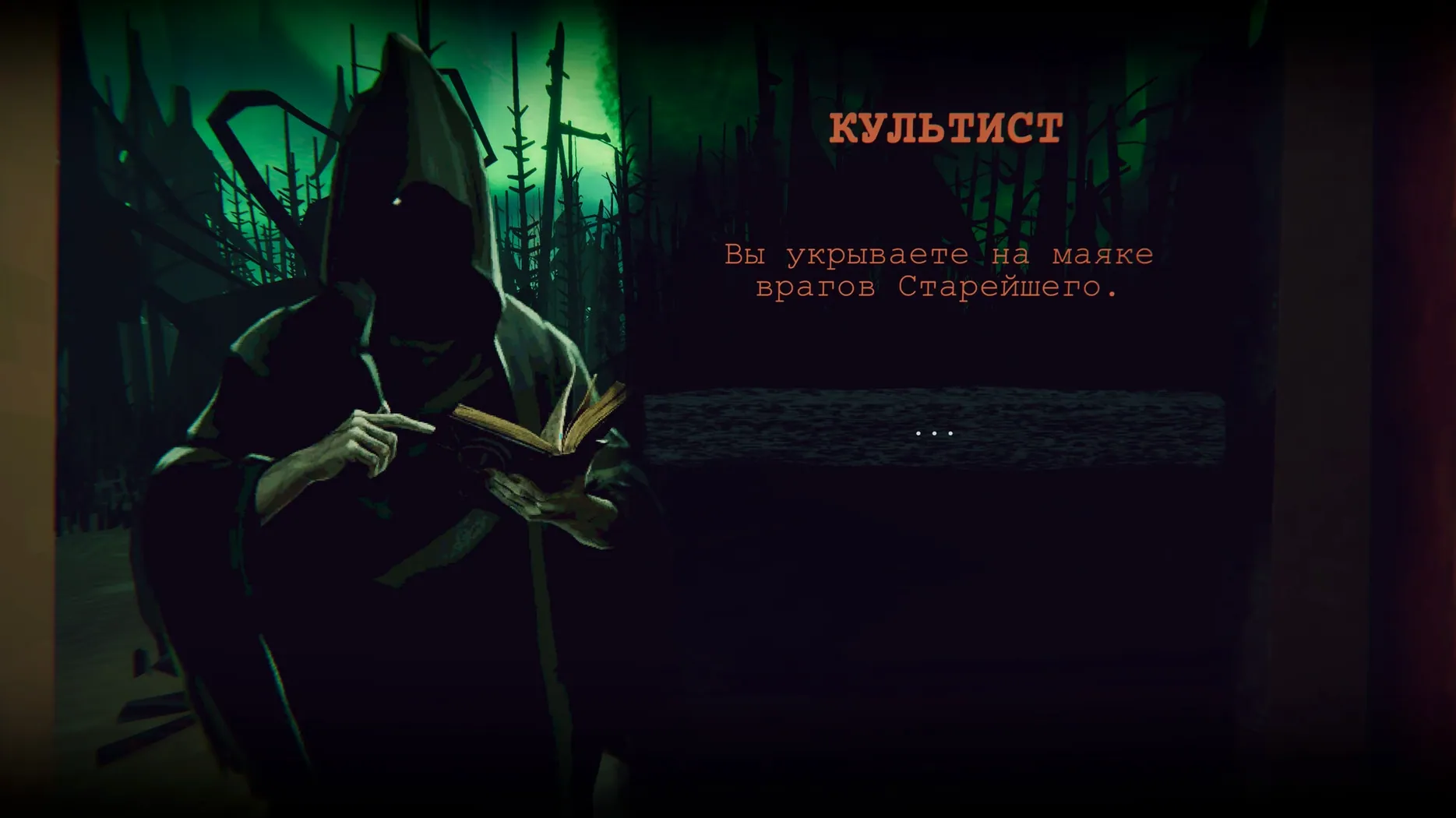
Version 1.2.1 carries no headline additions, settling instead into a quieter set of refinements. The core experience remains the same: a solitary lighthouse keeper on a remote island, tending the lamp while something is very wrong at sea. Ships drift back from long voyages with no crews, and each night at the lighthouse grows harder to survive. Your decisions ripple outward, altering the fate of vessels and the town beyond the shore, while your family waits at home and your grip on the situation frays.
On an Apple Silicon Mac, the game runs as a native app. Mount the downloaded disk image, drag the application into the main Applications folder, and launch it from Launchpad once the copy finishes. There is no separate Intel build, so owners of older machines should check compatibility carefully before downloading. Framerate holds steady on M-series chips, though the game’s heavy fog and shifting light volumes can push thermals during longer sessions.
Controls translate cleanly to a keyboard and mouse setup. Movement and interaction feel deliberate rather than snappy, which suits the slow-building tension. No controller is required, but the experience benefits from headphones — the sound design does a lot of the heavy lifting when visibility drops. Eleven interface languages are included, though voice work is English only.
A night on duty, step by step
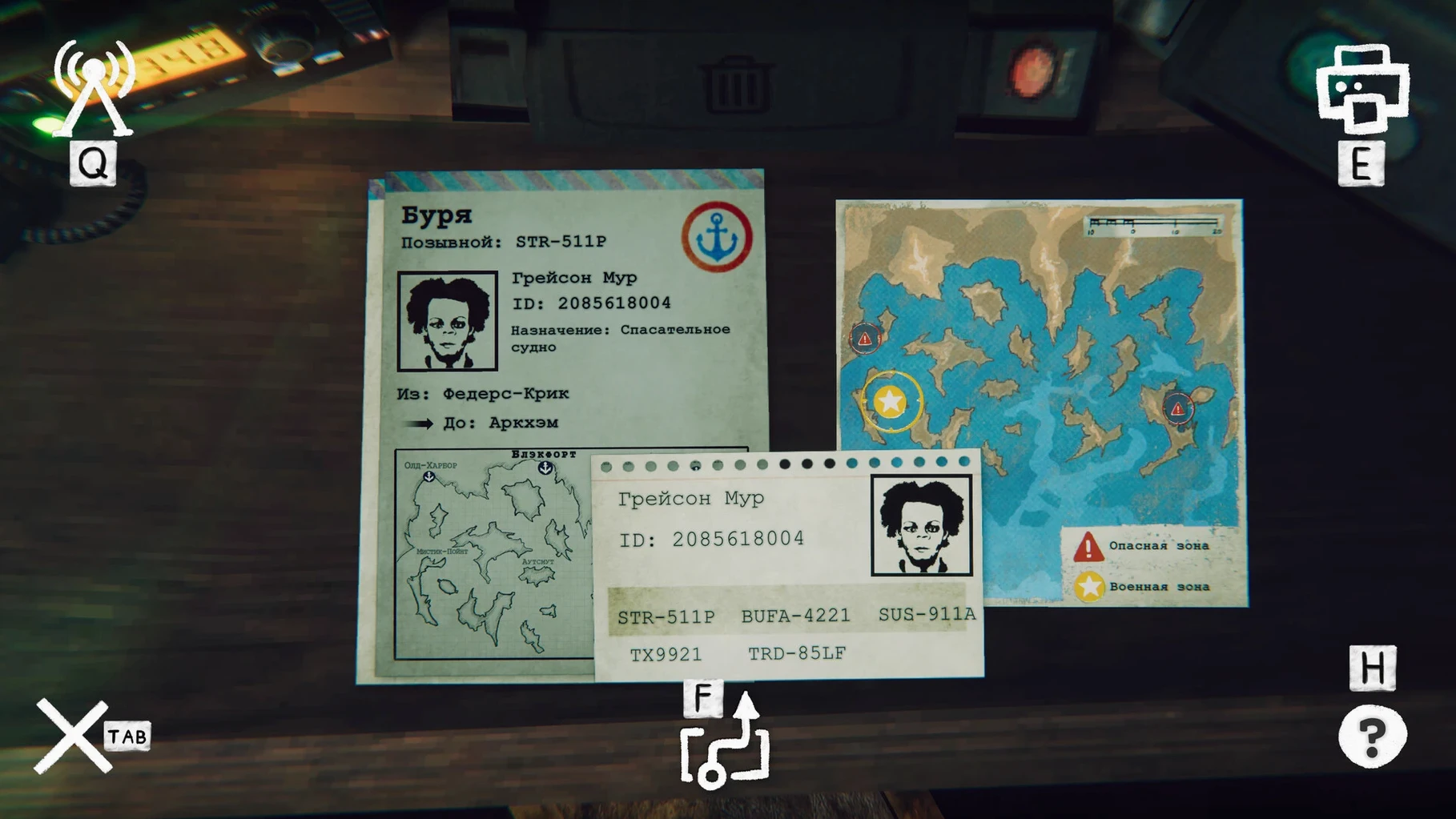
A session in Static Dread: The Lighthouse follows a rhythm that the keeper learns through repetition, not tutorials. When darkness falls, the first task is always the lamp itself — checking the fuel, trimming the wick, adjusting the reflector. The game never spells this out with a checklist. You learn by failing, and failure means a ship running aground. A logbook near the lens casing records the vessels expected that night, each entry a few terse lines about cargo and crew count. You note the names, because names matter later.
Once the lamp is burning clean, the waiting begins. Fog gathers in the lower windows first, then swallows the causeway. This is when the keeper’s duties branch. A radio crackles with harbour authority chatter — clipped instructions, weather updates, sometimes a familiar voice from the village. You can respond or stay silent. Silence has consequences. Around midnight, the first ship appears as a smudge of light on the water. You track it through the observation lenses, signal where needed, and make a call: guide it through the channel or order it to drop anchor. The wrong call, and the ship becomes part of the morning’s casualty report.
Between ships, the island intrudes. A villager might arrive at the base of the tower with an offering for the sea gods — fish wrapped in kelp, a carved stone. Accepting or refusing shifts a hidden ledger the game tracks across all five nights. The keeper’s family appears in brief, halting phone calls that grow harder to answer coherently as the nights pile up. By the fourth night, you are not just guiding ships. You are trying to remember which ritual you performed, which sailor you turned away, and whether the thing you saw on the deck of a drifting freighter was real or a crack in the keeper’s sanity.
The dread is slow, not a jump-scare factory
A common hesitation concerns the game’s horror register. It is not a jump-scare factory. The dread is slow and atmospheric, built around anticipation rather than startling audio spikes. The lighthouse itself is confined but not claustrophobic — windows break the walls, and the lantern room offers a long view across open water. What unsettles is what the view reveals when you look carefully. The horror is more literary than visceral, closer to a novella with interactive decisions than a haunted-house ride.
People also ask how much the branching endings reshape the story. The spine of the game — five nights, a family at home, a town edging toward panic — stays consistent, but the state of the world by the final morning can vary sharply. Ships you saved or lost are tallied. Rituals you permitted or blocked alter the island’s mood. The keeper’s mental state tips conversations into different cadences. A single playthrough runs around four hours, and the game does not lock you into a single path; choices compound rather than resetting each night.
Performance on Apple Silicon is another frequent concern. Version 1.2.1 runs natively, and on an M4 the framerate sits comfortably at 60 fps with only occasional dips when fog layers stack during storm sequences. The game is not graphically demanding in the traditional sense — textures are understated, geometries simple — but the volumetric lighting is genuinely heavy. Closing other applications before launching helps, especially anything that accesses the GPU.
Who finds the most inside this lighthouse
Players drawn to narrative horror with a moral weight get the fullest experience. The game does not reward speed. It rewards attention: reading the logbook entries carefully, listening to the radio static for changes in tone, choosing actions based on what you suspect rather than what you know. If you treat it as a simulation to optimise — best ending, fastest run — the texture flattens. If you inhabit the keeper’s fraying perspective, the game opens up.
Fans of simulators with a grim undercurrent also find a natural home here. The lighthouse machinery is not decorative; you operate it, maintain it, and suffer when you neglect it. The loop of tending equipment under duress echoes games about submarines or remote outposts, though the horror element pushes further into the surreal. Those who enjoy the quiet pressure of Papers, Please or the slow moral erosion in Frostpunk will recognise a similar weight here.
It is less suited to players who want clear win conditions or who dislike ambiguous endings. The game does not explain every consequence, and some threads are left deliberately unresolved. That is part of the design, but it can frustrate anyone expecting a neat narrative bow. A free download of static dread the lighthouse for mac lets you test the waters without commitment, though the download itself is straightforward: mount the image, drag the app, launch from Launchpad.