 Aspecten
 Download (2.8 GB)

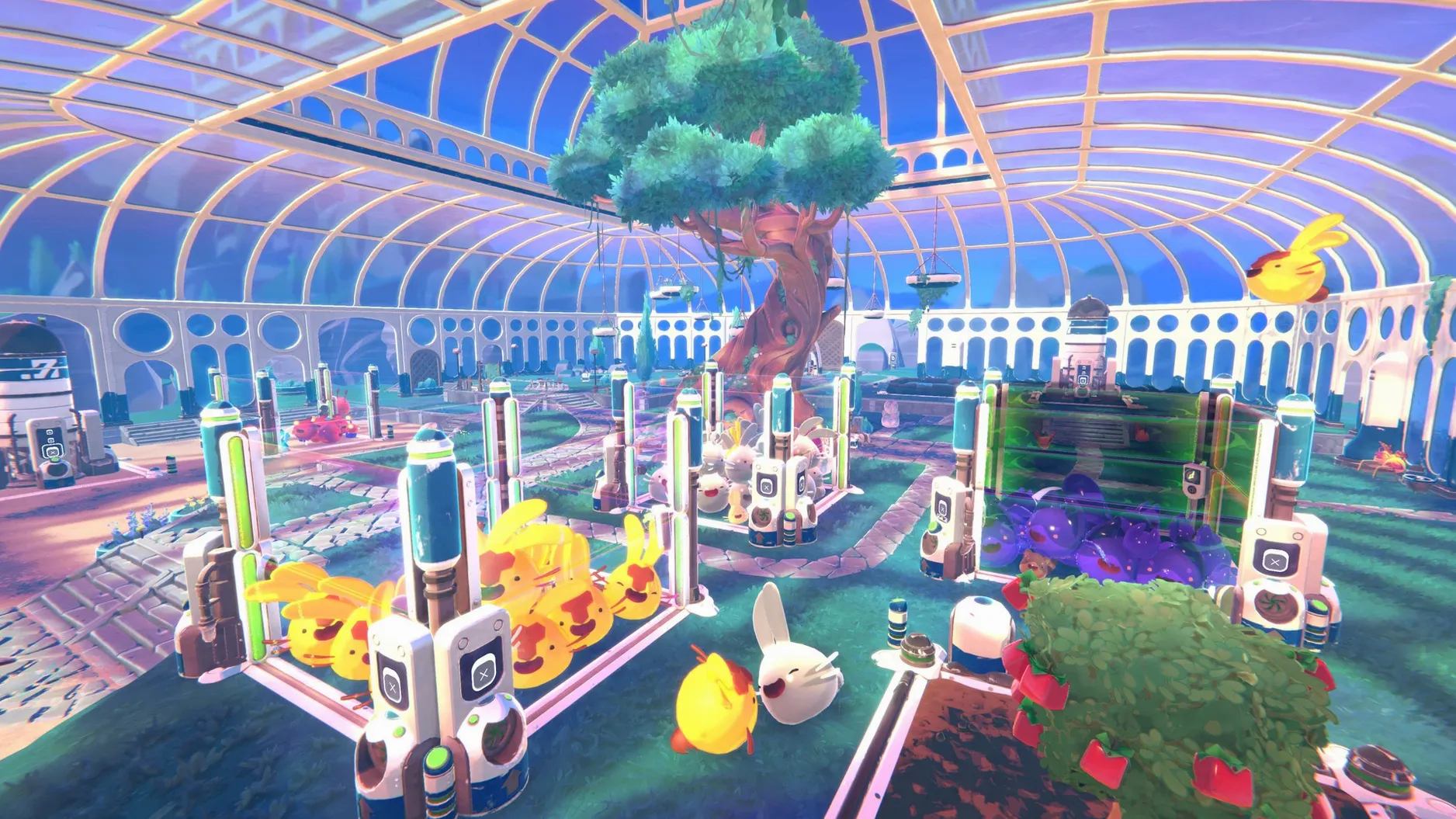

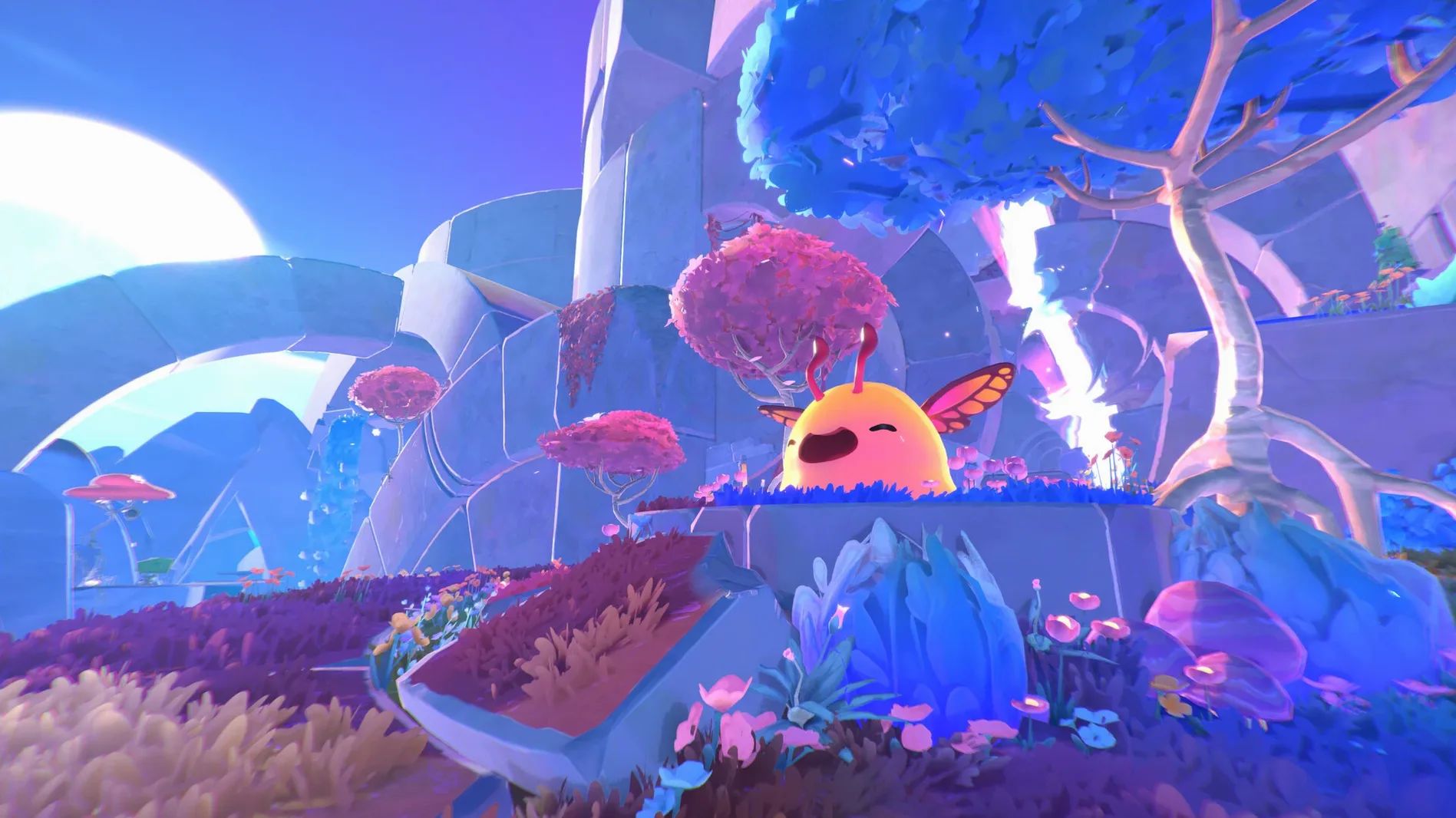
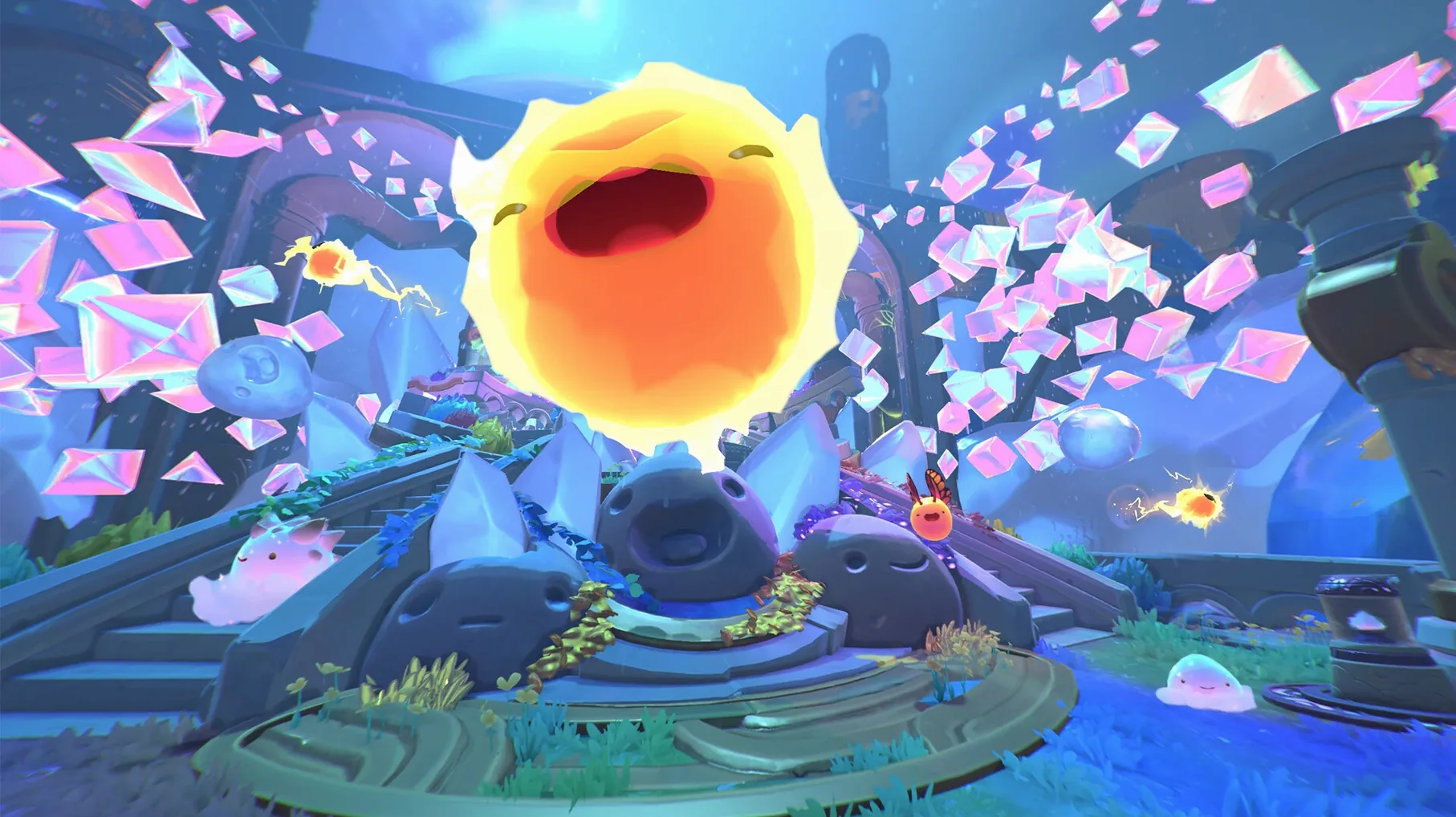
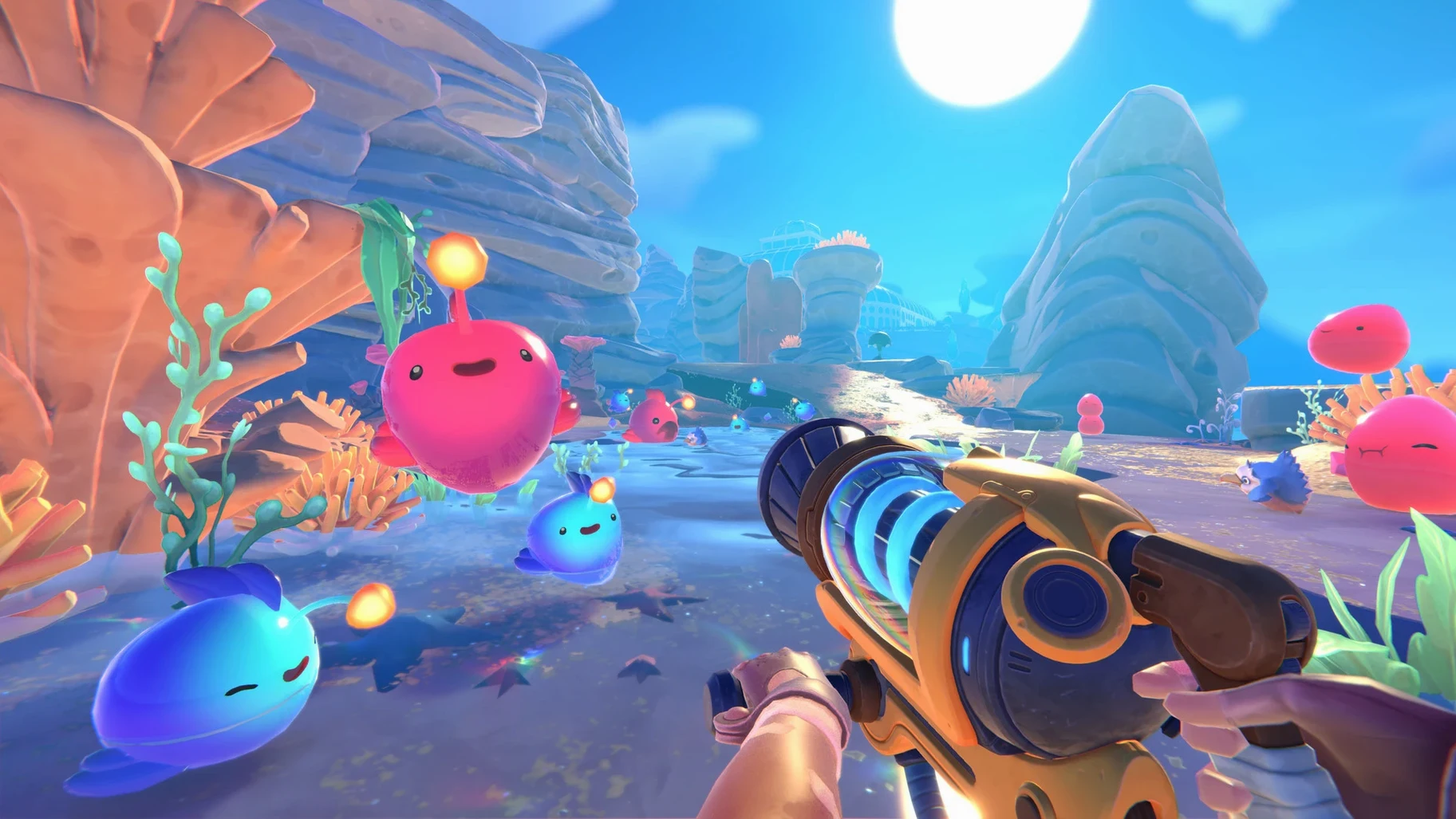
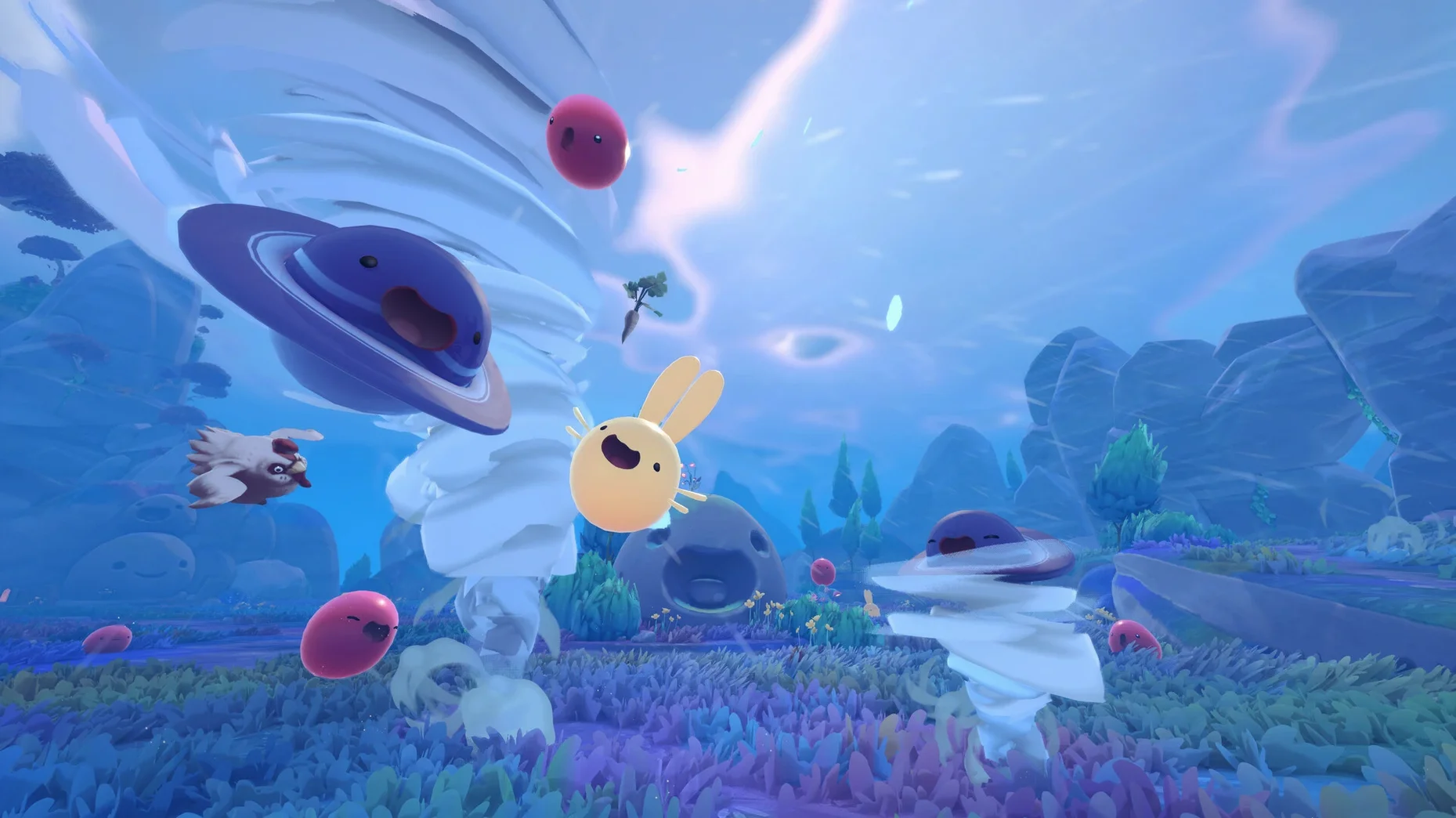
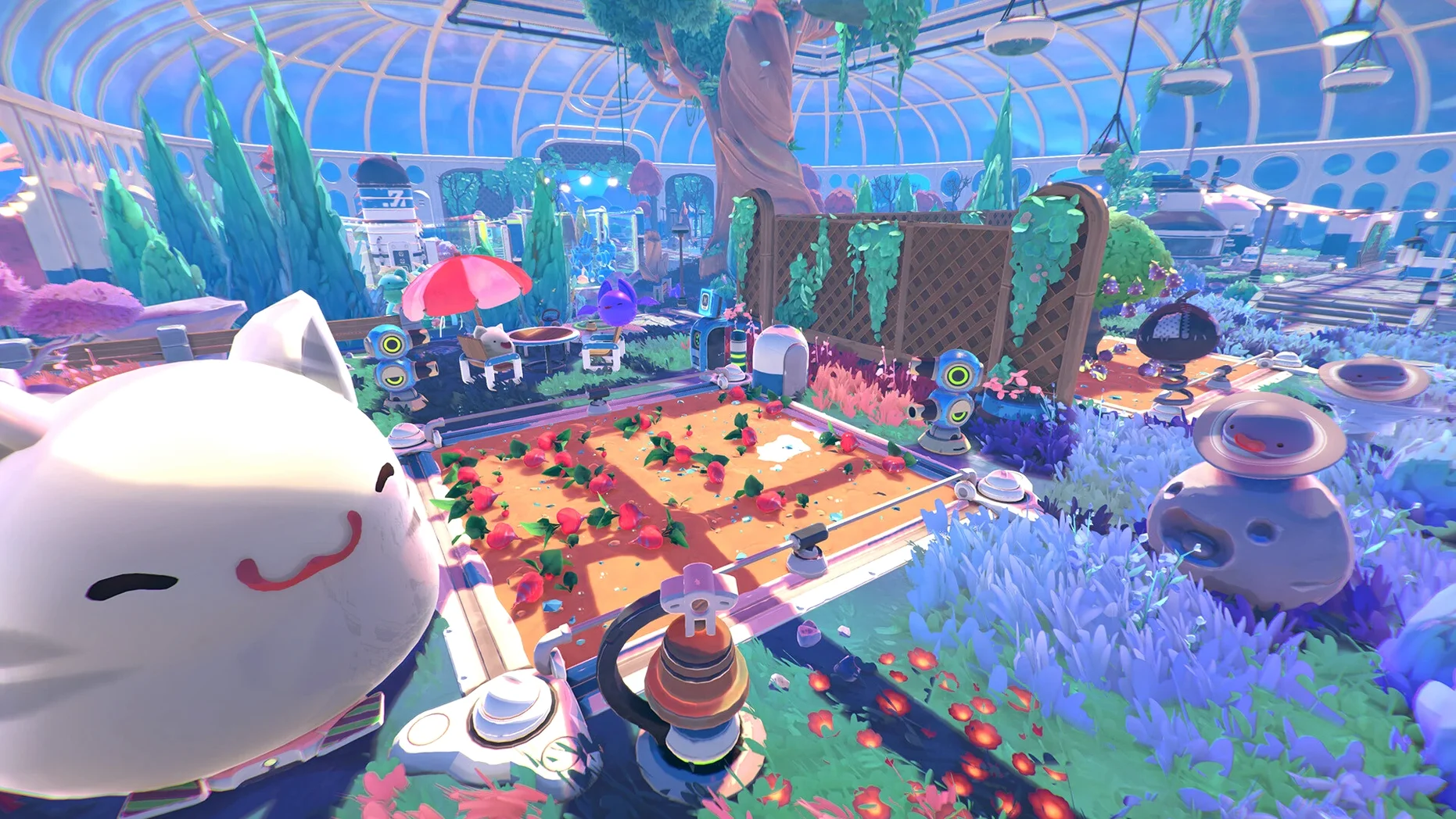
Version 1.2.3 is a stable point for Beatrix LeBeau's second outing, and on Apple Silicon Macs it settles into a consistent rhythm. The core loop on Rainbow Island hasn't shifted: you arrive in a new glasshouse, spot a handful of slimes bouncing in the distance, and start planning where the corrals will go. The island itself is more vertical than the first game's Far, Far Range, so a fair portion of any session involves finding a path up a cliff face, vacuuming fruit from a tree on the way, and then gliding back down with a dozen agitated pink slimes in tow.
- Scout a biome and vacuum up wild slimes, food and odd minerals that jut from rock faces.
- Deposit slimes into corrals and set up auto-feeders so they produce plorts while you are elsewhere.
- Gather resources like deep brine and radiant ore to build gadgets — from portable water taps to decorative lamps.
- Expand the greenhouse with new plots, then cross-breed fruit and vegetables to feed finicky slimes.
- Check the Plort Market board and decide which plorts to sell now and which to store for a better price tomorrow.
- Unlock a new island zone by popping a large slime gate, then spend the next twenty minutes just mapping its caves.
A session rarely ends with a single task completed. You step outside to gather stone and come back an hour later with three new slime types, a packed silo and a half-built gadget you forgot you were making. The greenhouse's south wing might still sit empty; a note on the market board shows pink plorts have crashed. That is the loop — not a checklist, but a series of small distractions that stack into a functioning ranch.
Playing through Wineskin without a compatibility layer
One of the first practical questions is whether the Wineskin wrapper affects how the game runs. In version 1.2.3, the game launches and plays like a native title on Apple Silicon — no visible Windows layer, no extra configuration steps beyond the initial fix script if an error appears. The save data lives inside the app bundle, which means a simple Finder right-click to show package contents if you ever need to back up or move a ranch.
Another common check is controller support. Slime Rancher 2 recognises Bluetooth gamepads without fuss; the button prompts switch automatically in the settings. Keyboard and mouse remain the quicker way to handle the vacpack in tight spots, but a controller suits the longer stretches of gliding and exploring. Language switching also works as expected — nine interface languages sit under the game settings, and switching one restarts the game instantly with no steam overlay or launcher to navigate first.
People also wonder how much of the sequel is in place at version 1.2.3. The answer is a substantial slice: three major island zones, the full greenhouse system, gadget building, resource gathering and a stable economy loop. The story is not finished, but the ranching core feels complete enough that a dozen hours can pass before you notice anything missing.
Morning corral check finds cotton plorts waiting
It is early morning on the ranch. You step out of the glasshouse and check the corrals first — the cotton slimes have finished their water lettuce overnight and left a neat pile of plorts on the collector tray. You vacuum them up, top up the auto-feeder, and glance at the market board. Cotton plorts are up twelve coins from yesterday. You sell half and stash the rest in the silo, just in case the price climbs further.
A trip to the Starlight Strand follows. You need deep brine for a second water tap near the vegetable plots, and the strand's tidal pools are the most reliable source. On the way, an angler slime dangles its lure near a cave mouth; you spot the glow, approach slowly, and vacuum it before it can stun you with its flash. Back at the ranch, the new angler slime goes into a coral with a music box and a high roof — you learned last week that anglers are escape artists when bored.
The greenhouse takes the last half-hour. Two plots sit empty. You plant a storm lemon tree in one and a silver parsnip in the other, then craft a soil sensor from the resources collected earlier. The sensor shows the lemon plot needs more water, so you run the tap you built last session. By the time you check the clock, an hour and forty minutes have passed and the ranch is slightly tidier than before, which is the best you can hope for.
Double-click launch from Applications after the packaging update
Version 1.2.3 brought the Wineskin packaging that makes the game run on Apple Silicon Macs without a separate compatibility layer to install. For everyday play, this means a double-click launch from the Applications folder and the same load times you would expect from a native build. Earlier versions on this platform required more tinkering; the current build is essentially a one-step setup.
The in-game changes leading up to this point are more visible. The Gadget Workshop expanded noticeably — more decorative and functional items appeared across recent patches, including the portable water tap and the soil sensor, both of which shift how you plan the greenhouse. Resource nodes now respawn more predictably after a sleep cycle, so a supply run to a known cave route feels less like guesswork. Slime behaviour also received small adjustments: cotton slimes bounce higher when startled, and angler slimes are slightly more cautious, making their stun attack rarer but better telegraphed.