Aspecten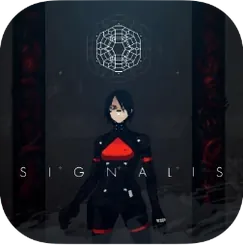
 Download (1.1 GB)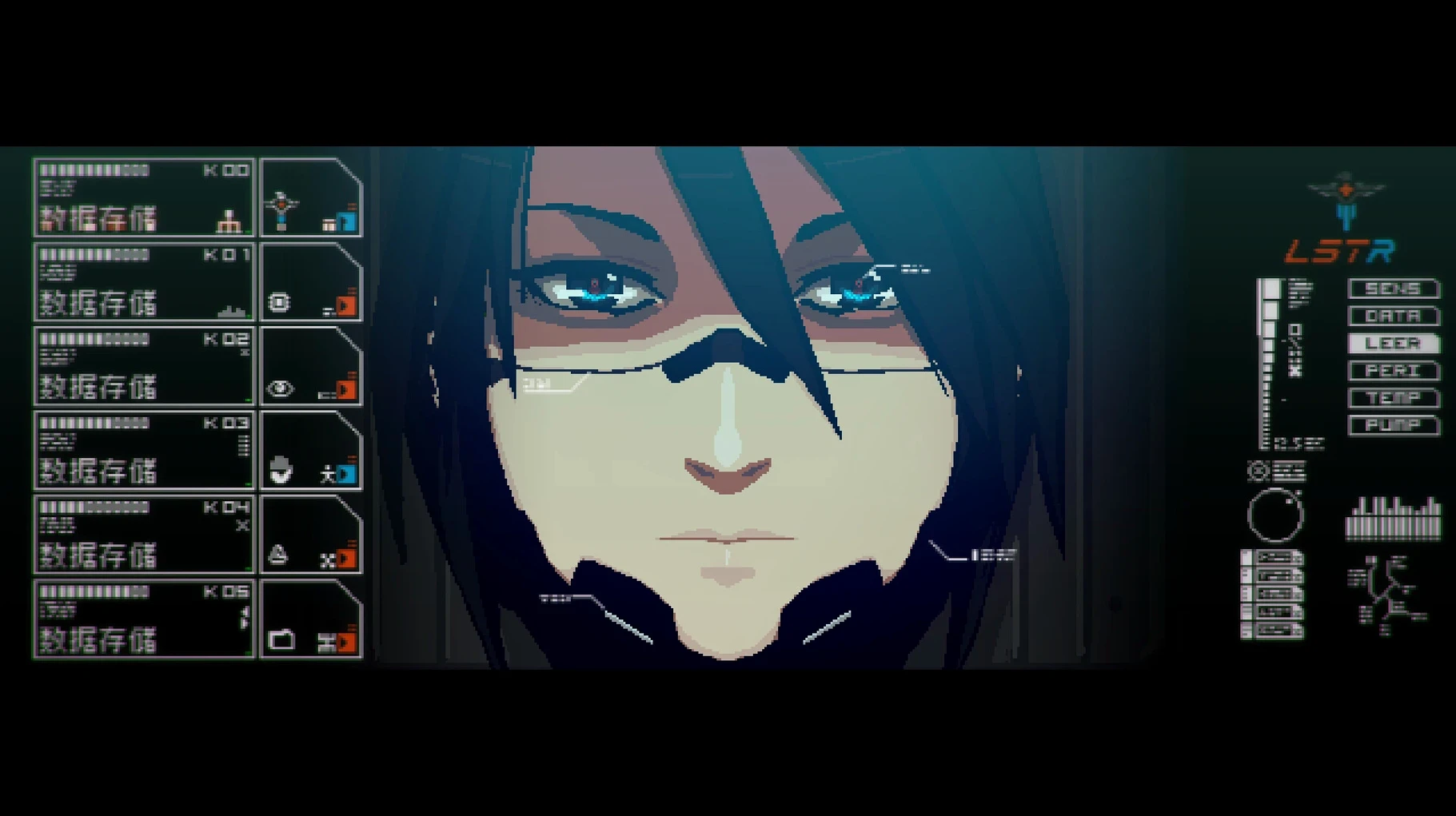
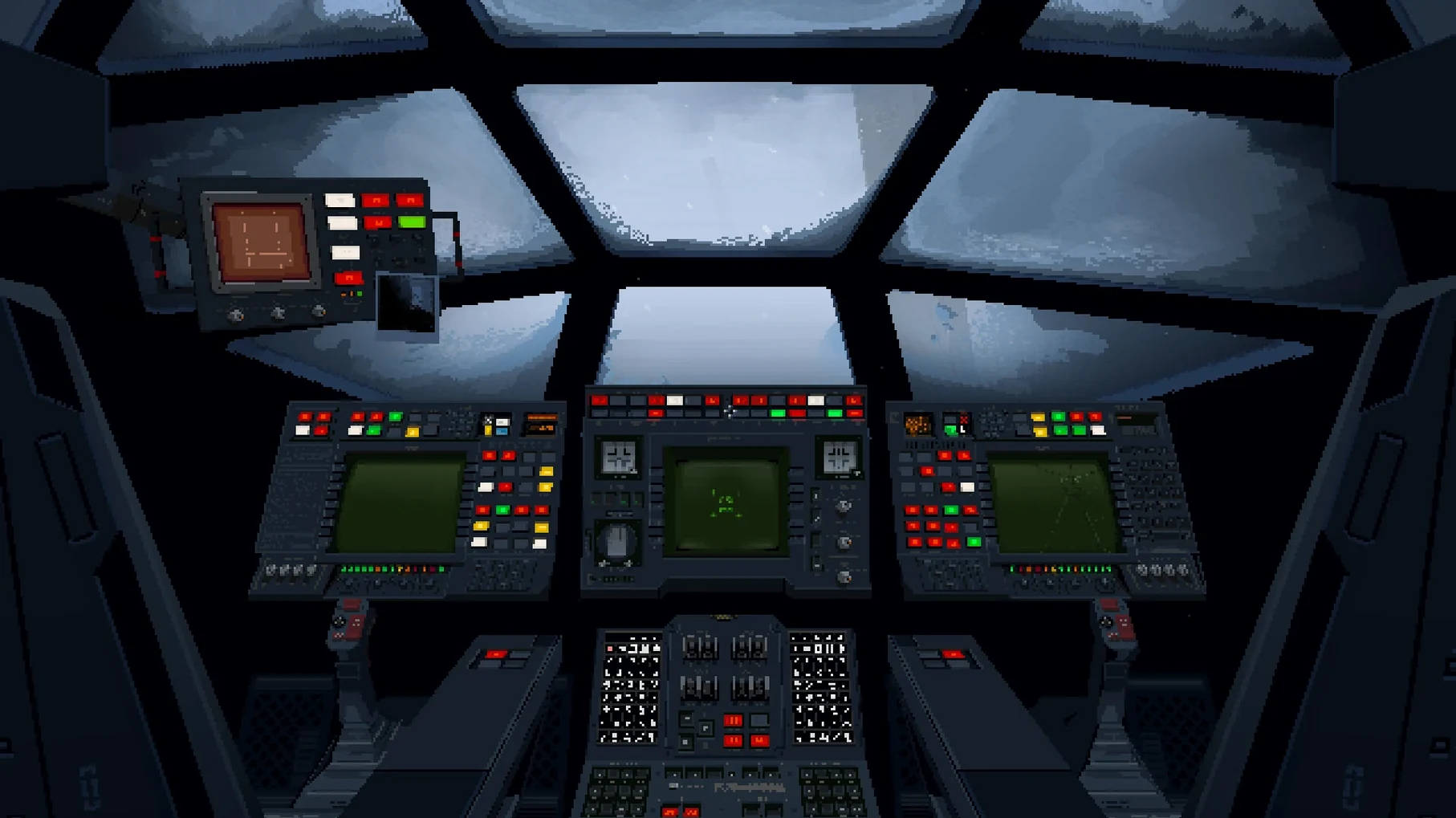
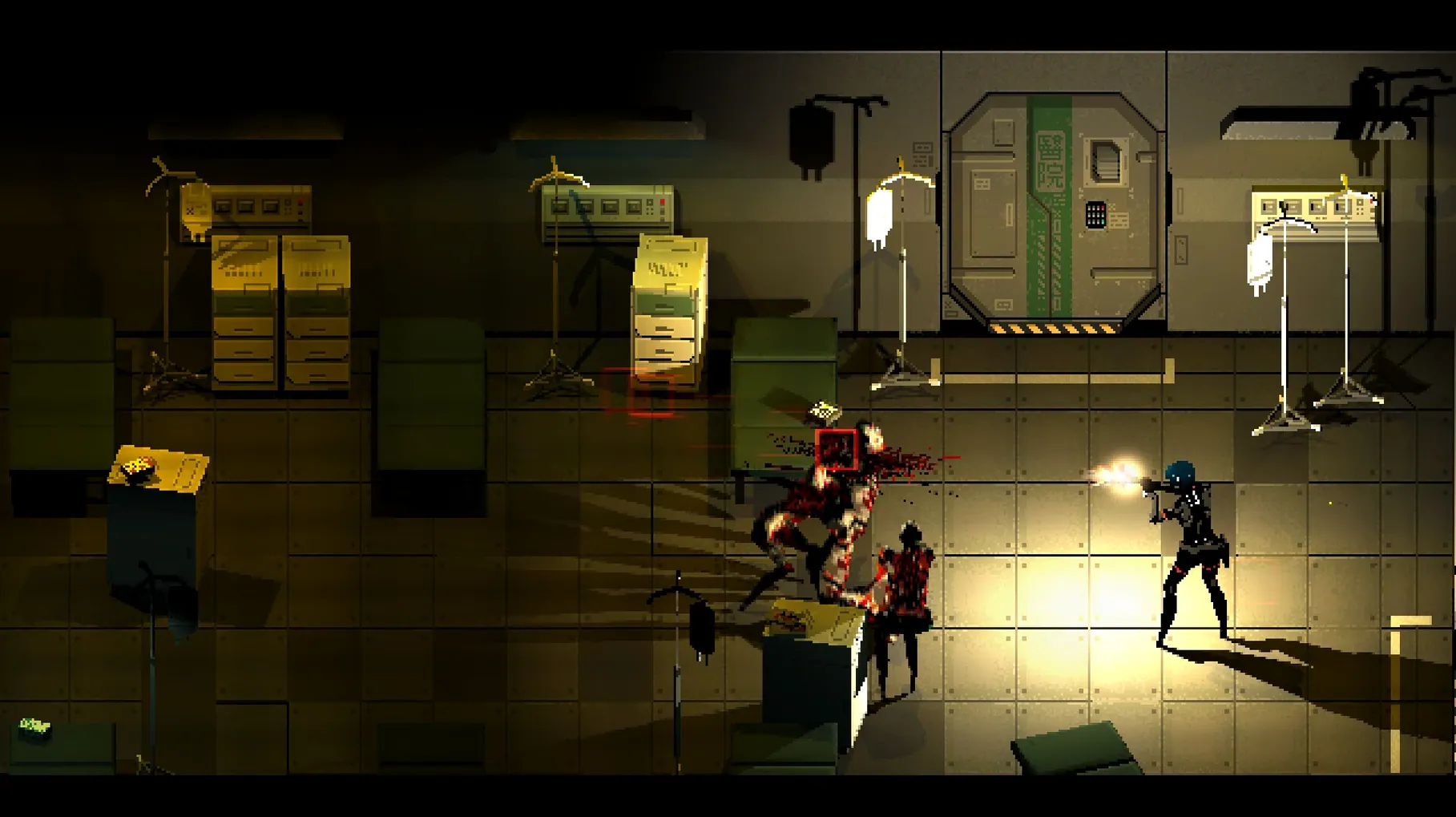
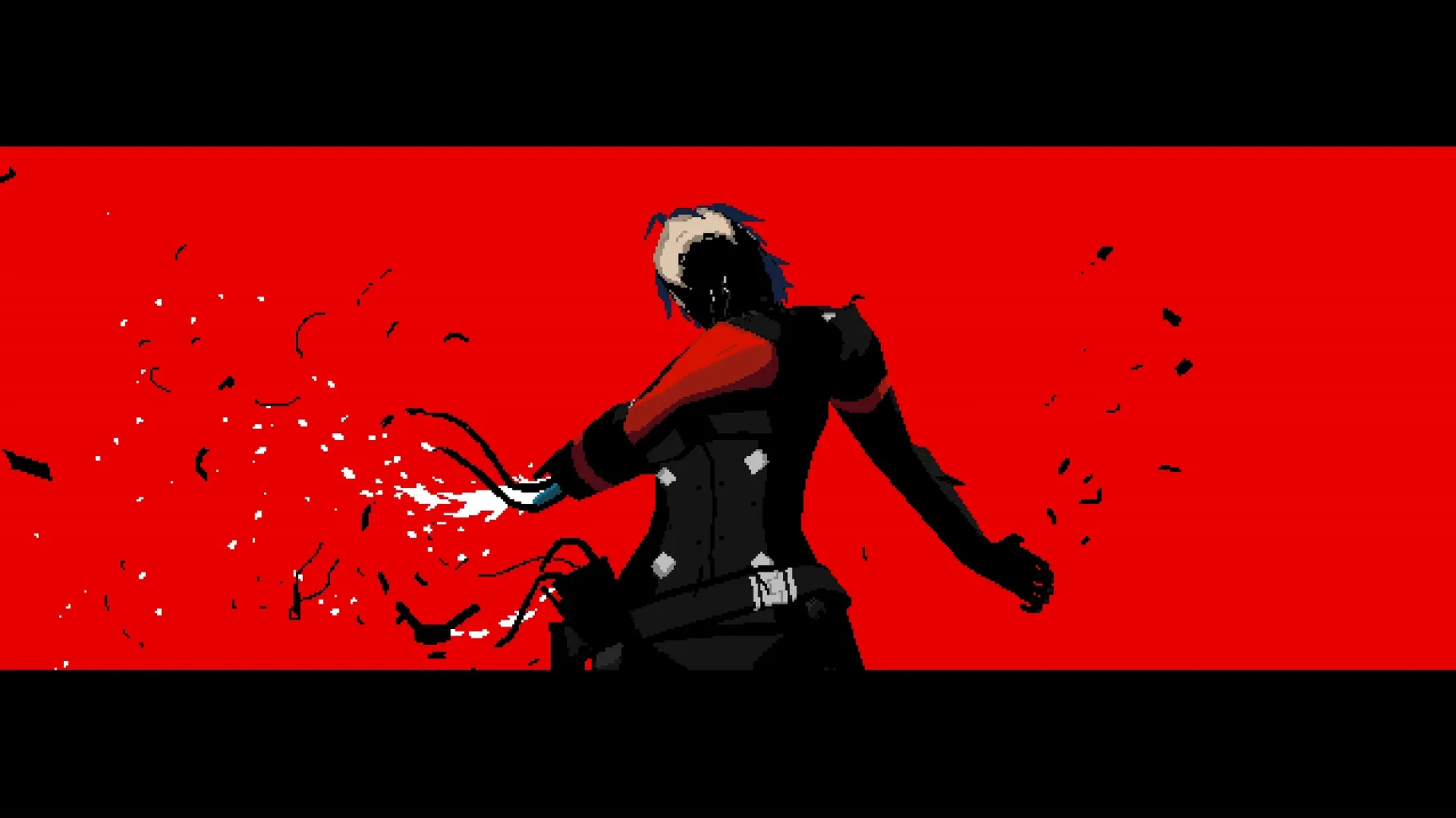
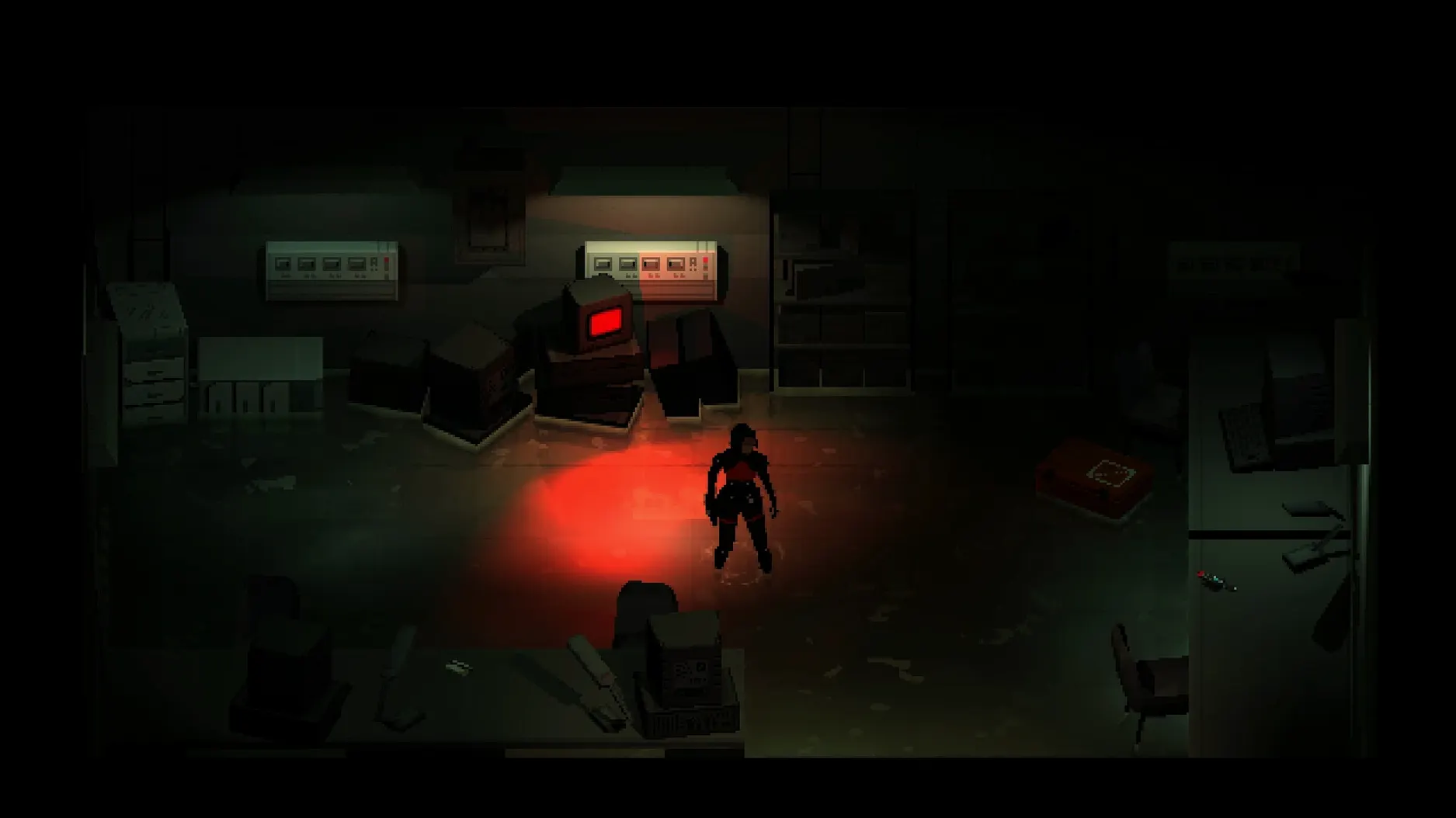
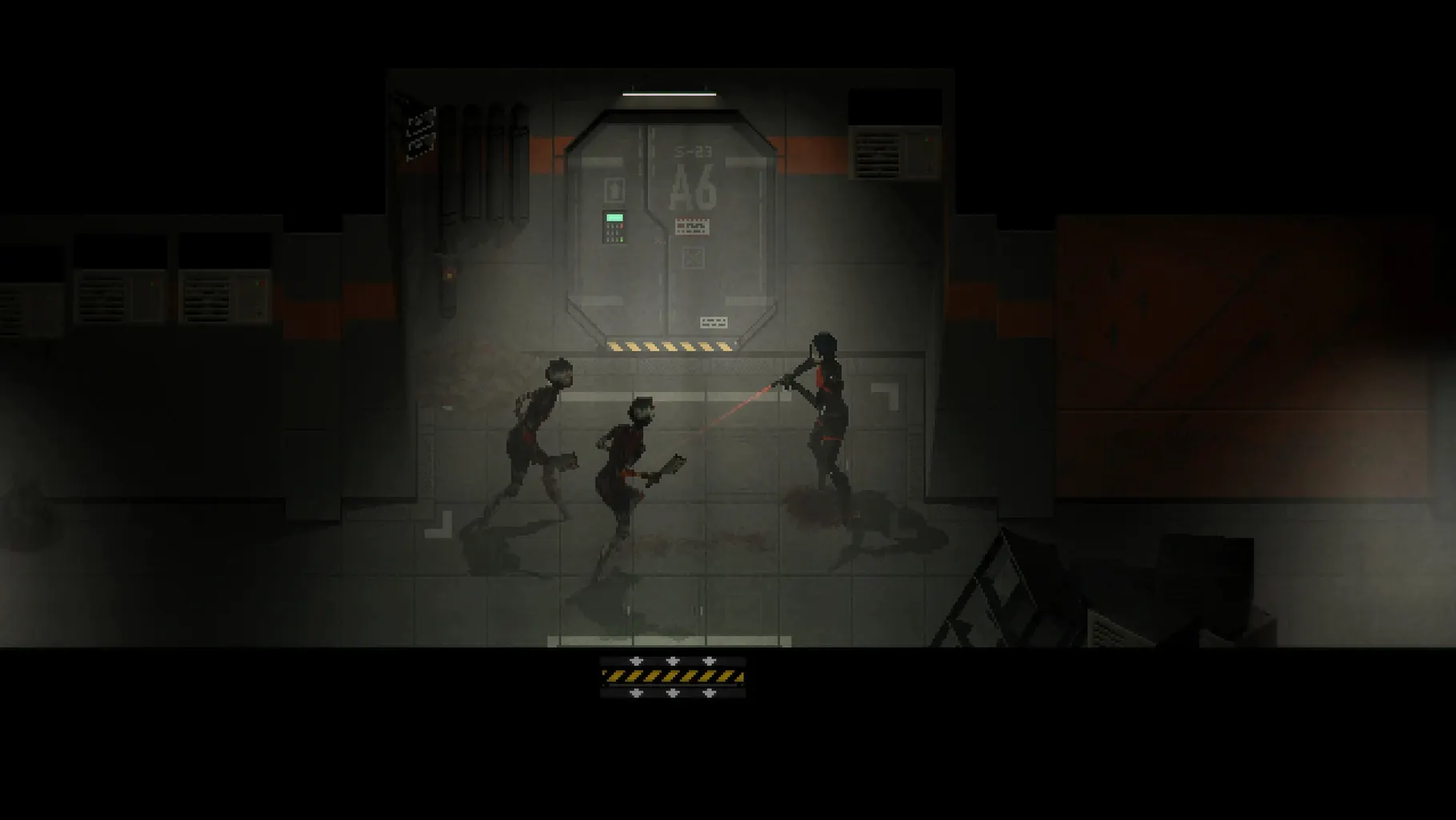
Players who appreciate deliberate, slow-burn horror tend to settle into SIGNALIS comfortably. You control Elster, a technician Replika who wakes in a stranded vessel and descends into a frozen mining facility. The game does not explain much upfront. You piece together the story through environmental clues, strange broadcasts, and fragmented diary entries scattered across derelict corridors.
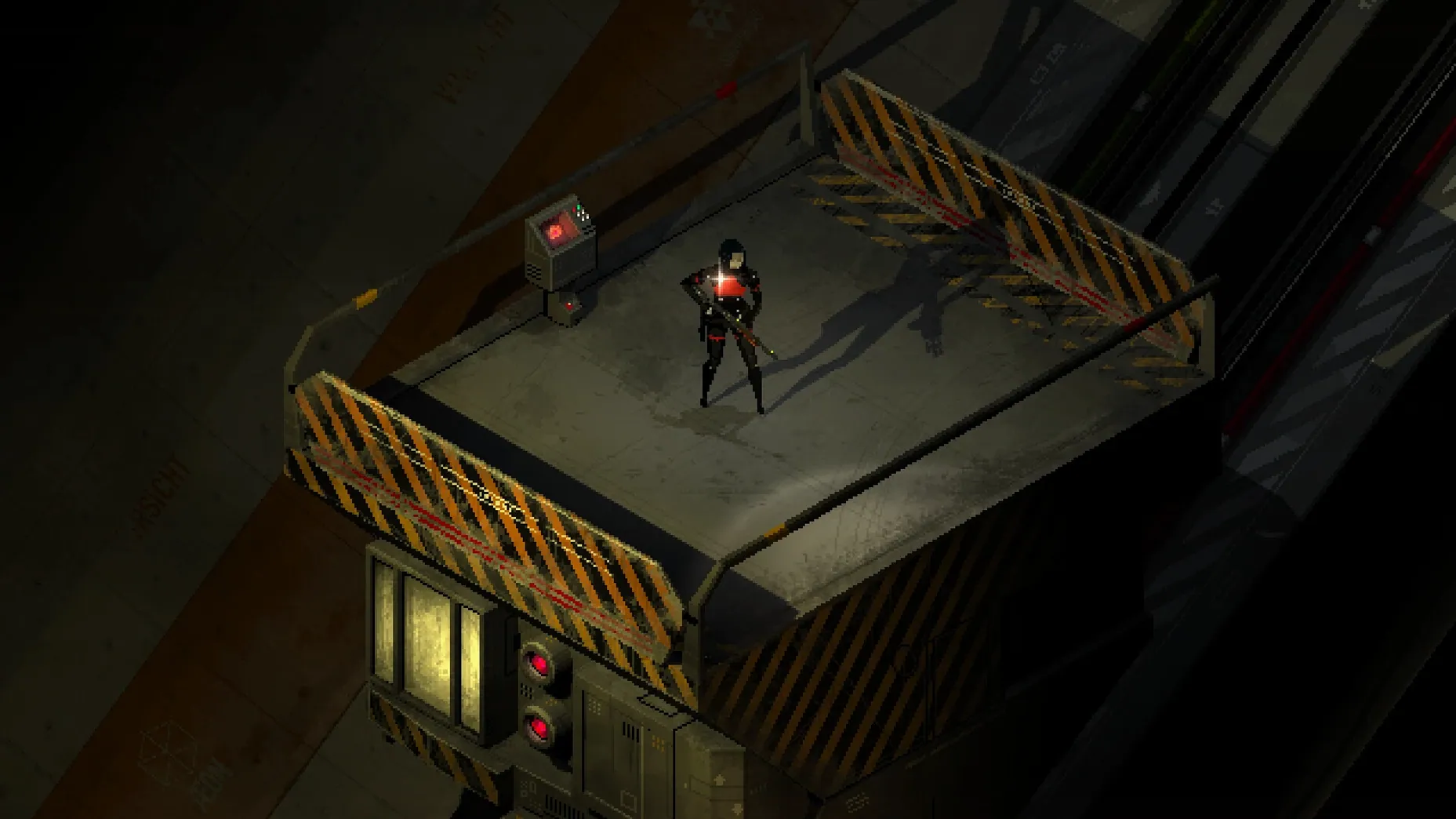
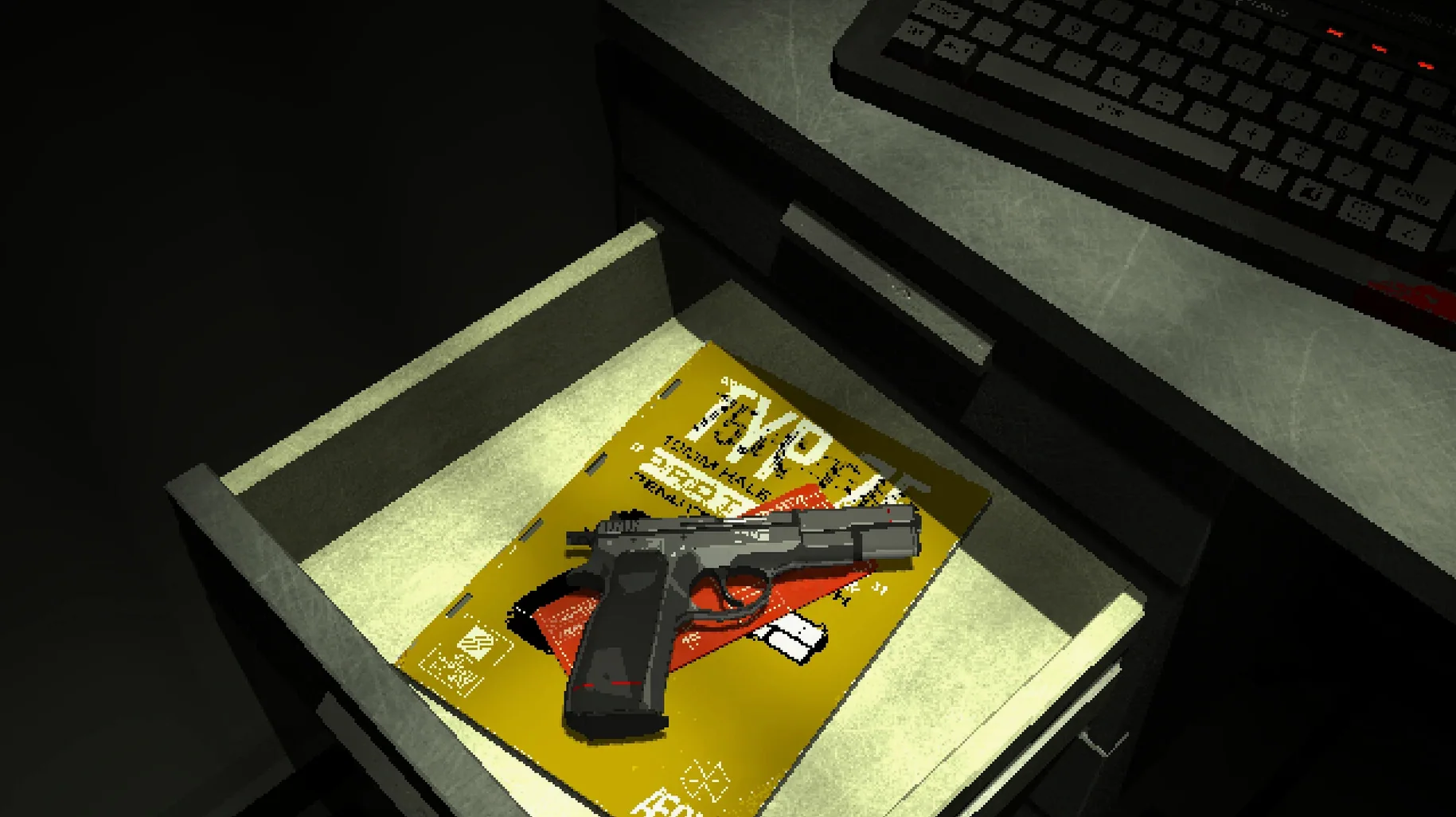
Minute to minute, you move through dimly lit rooms rendered with 3D animated characters and dynamic shadows. The camera cuts to fixed angles that frame each space with a cold, deliberate distance. You check containers for ammunition, healing items, and key objects. Inventory space is tight, and deciding what to carry often matters more than aiming a weapon. Puzzles recur throughout, requiring you to read documents, tune radio frequencies, or judge when to use a scarce repair spray on a broken device.
Combat is simple and weighted. You aim with a reticle, fire, and push back twitching enemies just long enough to slip past. Killing everything is rarely sustainable. Resource management nudges you toward evasion and careful routing through previously cleared halls. The atmosphere stays melancholic rather than frantic, carried by a sparse musical accompaniment that lingers in quieter moments between encounters.
A shift technician’s first hour
A player coming from classic survival horror might spend the opening hour in a state of quiet, methodical tension. You find Elster in the Penrose-512’s cryo chamber, a dim metal room where the only clear instruction is a flickering screen and the shape of a door. There is no map yet, no weapon, no ally on the radio. The first corridor offers three doors and a dead end. You knock the same door twice because anxiety tells you it should open; it stays shut. A monitor flashes a garbled personnel log. You write down a name because the game has already taught you that names matter. Ten minutes later, a keycard slot accepts a code you pieced together from a poster and a locker number. The delight is small and private — a puzzle solved without prompting, in a world that seems indifferent to your presence.
By the time you reach the first safe room and see the red-lit storage box, you have learned to scan every desk, read every torn note, and treat healing items as heirlooms. The game does not shout “puzzle here” or “boss ahead.” It trusts you to pay attention, and that trust makes the quiet stretches feel like part of the design rather than padding.
Runs smooth inside a Wineskin wrapper on Apple Silicon
A common question is how the game runs in a Wineskin wrapper on Apple Silicon. On a Mac mini M4 with macOS Tahoe, the experience is smooth: fixed camera angles keep frame pacing steady, and the deliberately slow character movement masks any minor timing quirks. Loading times between rooms are brief enough to keep the dread alive.
People also ask whether SIGNALIS leans more toward combat or puzzle-solving. The balance tilts toward puzzles and atmosphere. You will fire a pistol and later a shotgun, but ammunition is rationed so tightly that most encounters become a calculation: shoot once to stagger, then walk briskly past. Boss fights exist, though they feel more like grim set-pieces than tests of reflexes. Someone looking for a twin-stick shooter will feel misplaced. Someone looking for the unhurried dread of early Resident Evil or Silent Hill will find the rhythm familiar.
The language support list — Russian, English, German, Spanish, Simplified Chinese, Korean, French, Japanese — sometimes raises a question about how to switch. The game settings include a language selector, and all text, from inventory descriptions to diary fragments, switches cleanly. Voice content is minimal by design: the sound layer relies on music accompaniment rather than spoken dialogue, so language changes affect only the written word.
Swiping desktops mid-puzzle with Spaces
SIGNALIS plays well with macOS’s Spaces and Mission Control. Because it runs in a Wineskin-based window, you can swipe between desktops without the game minimising abruptly. That is useful during a puzzle session — you might keep a note-taking app or a plain text file open in an adjacent space for jotting down radio frequencies and door codes. The game does not punish alt-tabbing; it pauses cleanly when focus shifts, so you can check a note without an enemy chewing through your health bar in the background.
For players who use screen recording tools or streaming setups, the fixed camera angles and low-lit palette produce a clear, legible image even at moderate bitrates. The dynamic shadows and transparent effects render without flicker artefacts that sometimes plague Wineskin ports. A clipboard manager like Maccy or a floating Quick Note window sits comfortably alongside the game window, helpful for tracking the layered narrative threads that criss-cross the facility. The game’s built-in map updates automatically, but the act of keeping personal notes still feels natural — the kind of habit the genre has encouraged since players first drew their own maps on graph paper.
As a self-contained experience, SIGNALIS does not demand companion apps or internet access. It loads offline, saves locally, and leaves no background processes once quit. If you are building a focused horror playlist, the game’s sparse musical accompaniment blends well with ambient tracks played through Music or Spotify; just lower the game’s own audio a notch in the settings.