Aspecten
 Download (2.1 GB)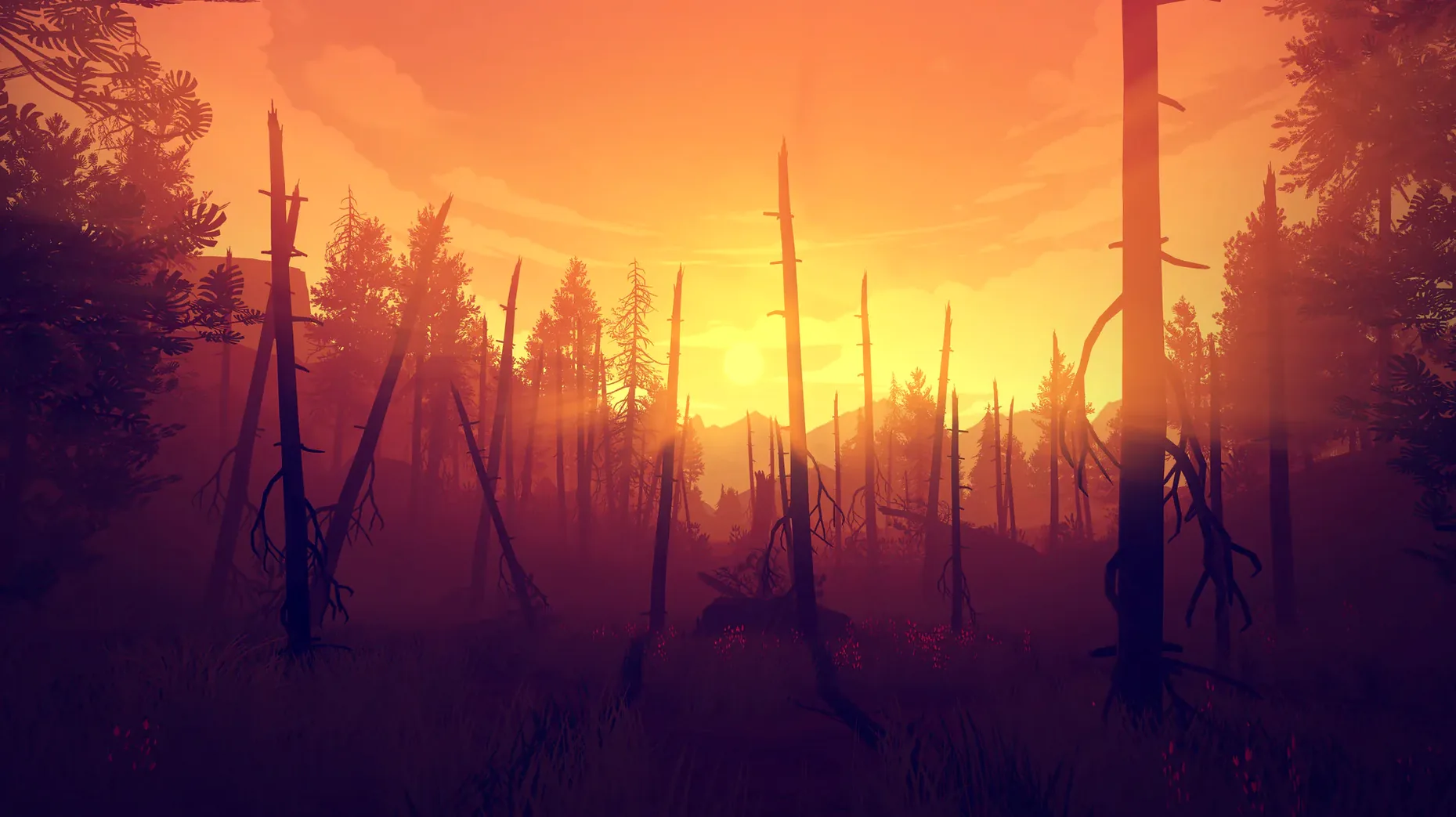
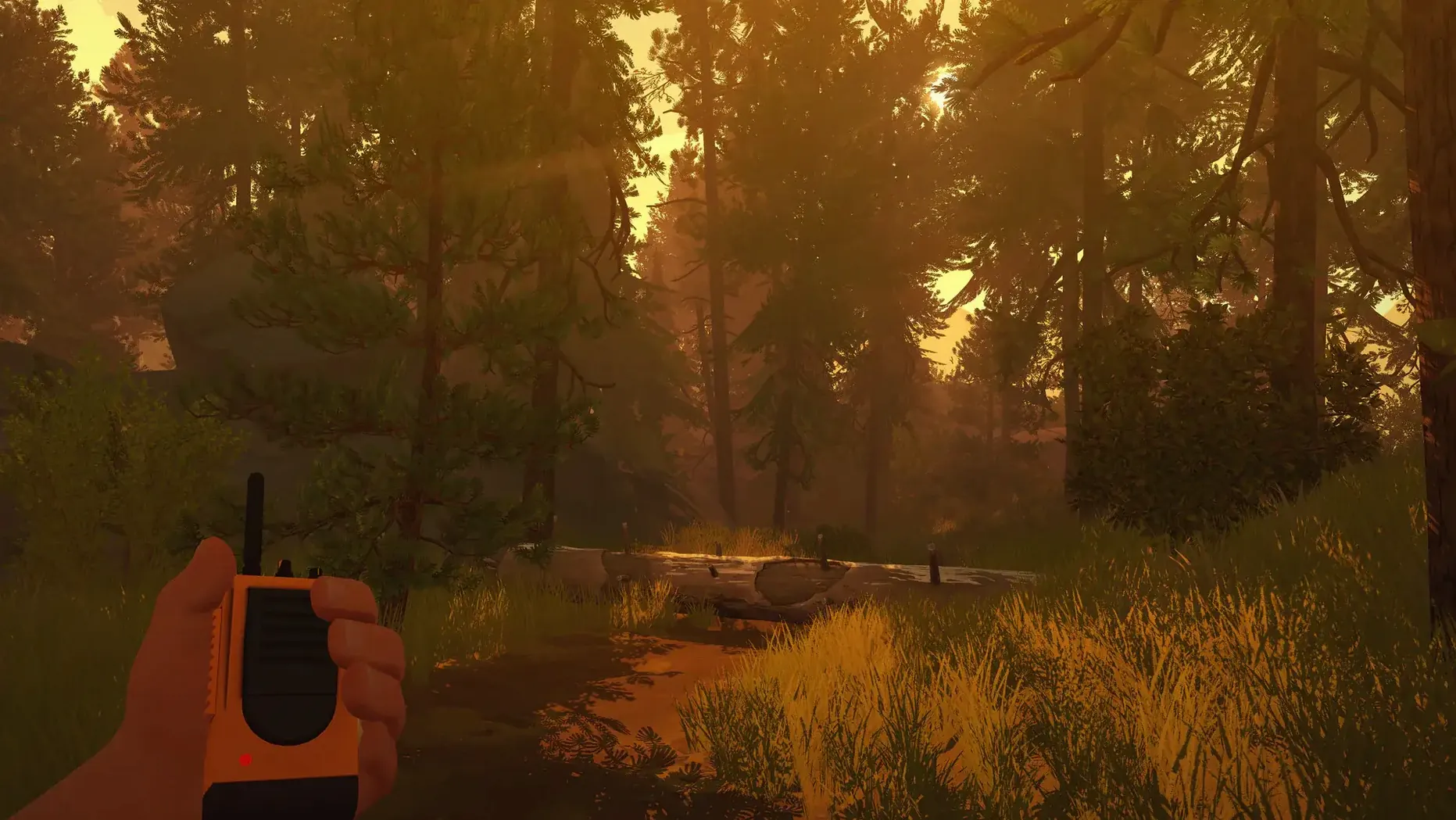
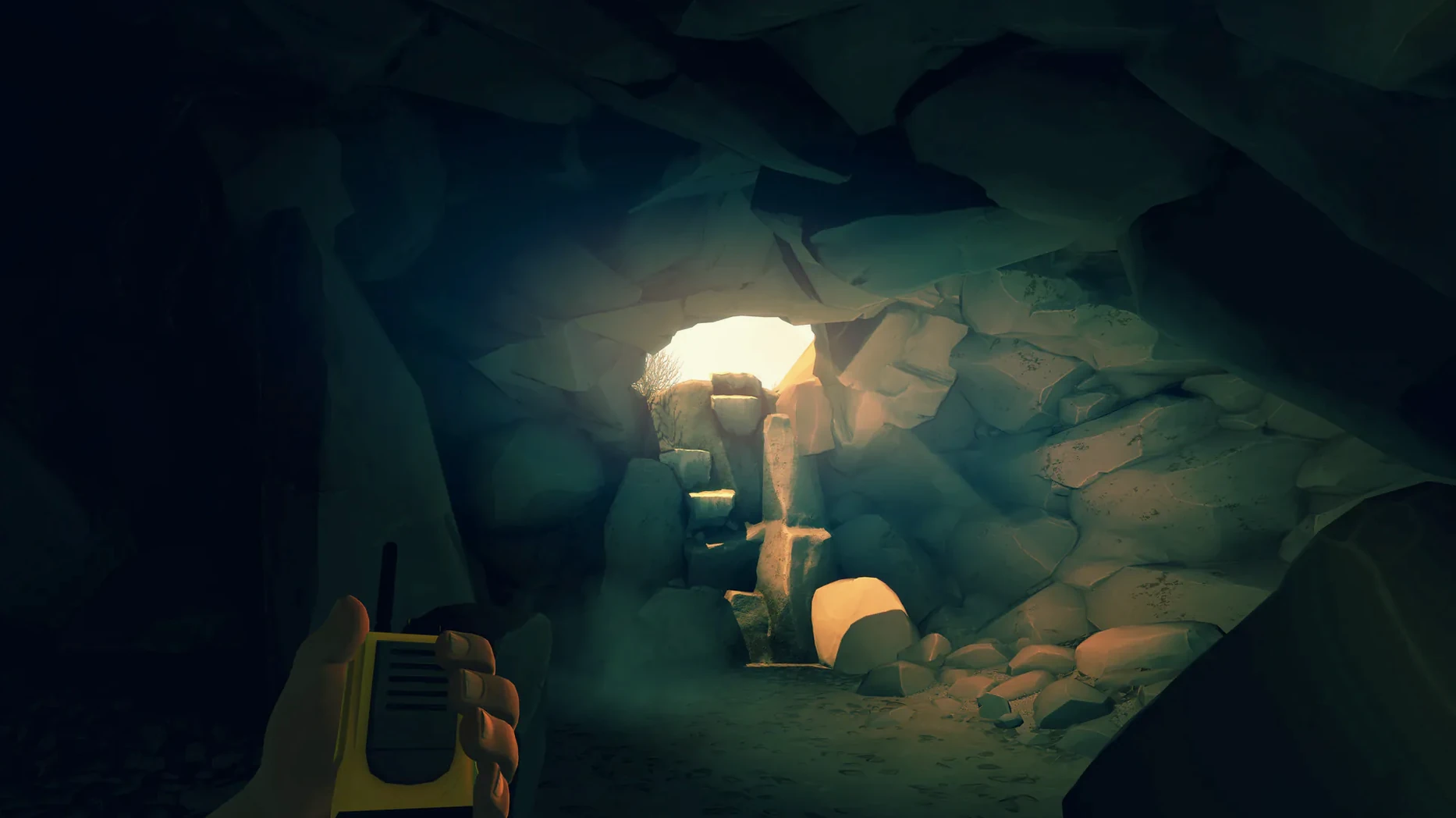
Firewatch is a single-player first-person mystery set in the Wyoming wilderness during the summer of 1989. You play as Henry, a man who has taken a job as a fire lookout, and your only contact is Delilah, a supervisor you speak with over a handheld radio. The story unfolds through your conversations and the choices you make while exploring the forest.
A story carried by dialogue and a landscape
- Players who enjoy story-driven experiences where dialogue and atmosphere carry the weight.
- Anyone looking for a slower pace — the game gives you time to hike, read maps, and soak in the landscape.
- Those who appreciate voice acting as a core part of storytelling; the radio exchanges feel natural and unscripted.
Built around conversation, not combat
- The game is built around conversation and exploration rather than action or complex mechanics.
- The Mac version runs on Intel hardware; Apple Silicon Macs are not officially listed as supported.
- Voice language is English only, though subtitles are available in Russian, French, German, Spanish, and Simplified Chinese.
Rushing mutes Delilah’s extra lines
Rushing is the most common one. Firewatch rewards you for stopping beside a stream, reading a sign, or simply waiting to see if Delilah has more to say. Players who sprint from marker to marker miss fragments of dialogue that colour in Henry's past and shift the tone of the radio chatter. Walking everywhere, at least on a first playthrough, keeps the pacing closer to what the developers intended.
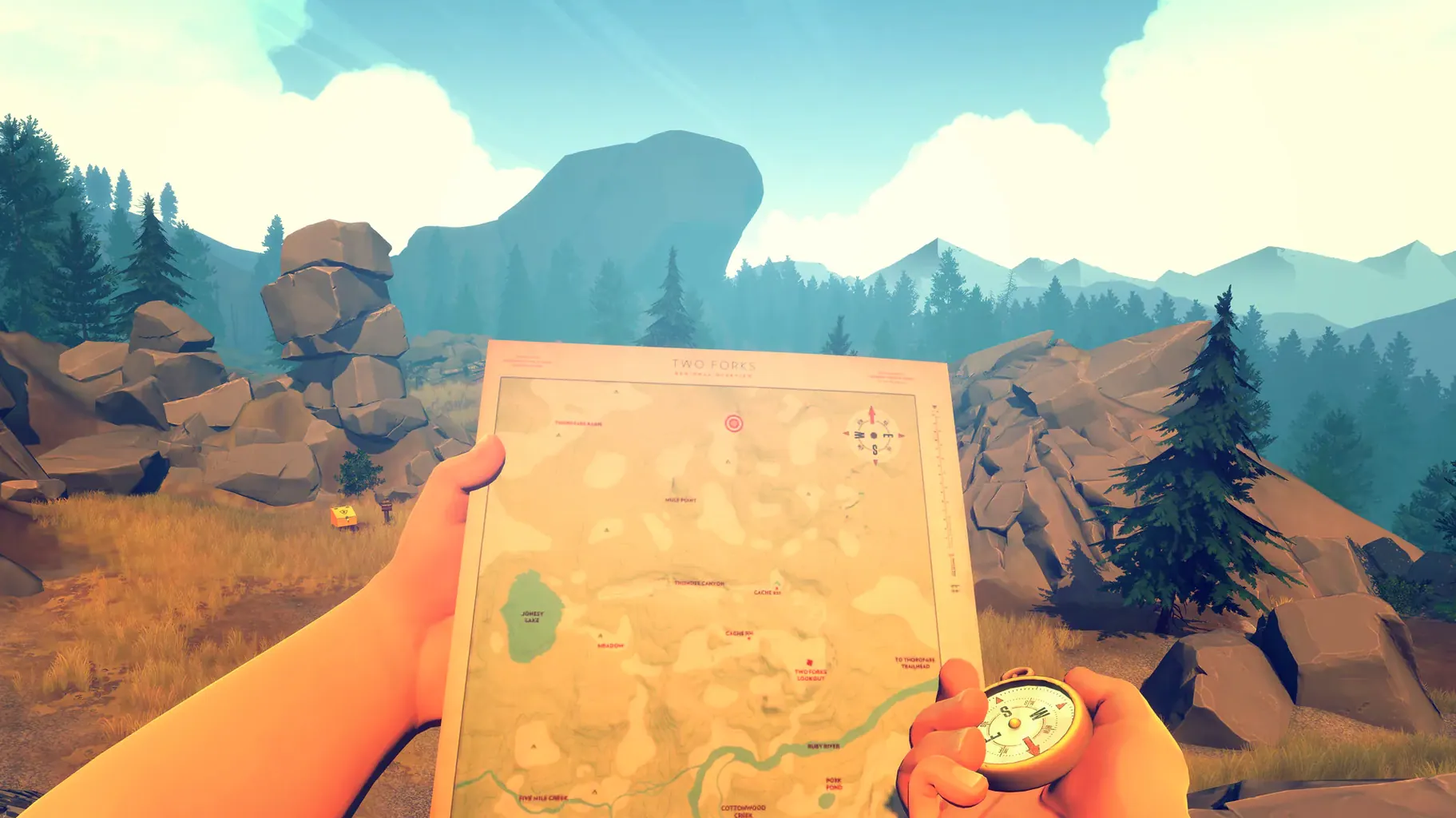
Another slip is ignoring the map and compass. The game gives you a physical-feeling map with contour lines and landmarks, and Henry holds it in his hand rather than pulling up a menu overlay. New players sometimes stare at the compass alone and wander off-trail for long stretches. Orient the map to north, match a ridge or a creek to what you see ahead, and the navigation becomes reliable. If you get genuinely lost, Delilah will eventually offer a nudge, but it takes a while.
Some people treat every dialogue option as a puzzle with a right answer. The choices shape Henry's relationship with Delilah, but they do not lock you out of story branches in a harsh way. Picking what feels honest to the character usually lands better than trying to game a preferred outcome. Silence is also a valid response — the game notices when you say nothing.
When a place matters more than a skill tree
Firewatch suits Mac users who value mood over mechanics. If you play games mainly for systems, skill trees, or challenge, a walking-and-talking mystery may feel thin. But if you enjoy fiction where a place is as much a character as the people, the Wyoming backcountry delivers. The light interacts with the trees differently at noon and dusk, and the sound design — wind, distant birds, the crunch of dirt underfoot — pulls you into the isolation Henry feels.
Players who like stories about ordinary people making messy choices tend to connect with the material. Henry is not a hero; he is a middle-aged man with a troubled marriage, hiding in a tower. The radio conversations with Delilah drift from professional check-ins to personal confession, and the actors sell the hesitations and deflections well. If you have ever found yourself drawn to dialogue-heavy indie titles or walking simulators, this one earns its place.
Mac users with Intel hardware get the smoothest ride. The build is 64-bit x86, tested on a MacBook Air M1 under Rosetta, so Apple Silicon owners can still run it, but the experience was designed around Intel Macs of the era. The system footprint is modest by modern standards, which makes it a practical choice for older machines that struggle with newer 3D titles.
Open sightlines make the frame rate hitch
Frame rate drops in open areas. The forest renders long sightlines across valleys, and some Macs hitch when the engine loads distant terrain. Dropping the draw distance or lowering shadow quality from the graphics menu nearly always stabilises it. If you are on a Retina display, running at a scaled resolution closer to 1440×900 can help without making the art style suffer much.
Sound cutting out during radio calls. Occasionally a dialogue line will fail to play, leaving you staring at subtitles in silence. Saving and reloading from the pause menu restores the audio in almost every case. The issue seems tied to the game streaming voice files while you move between zones, and a reload forces a clean buffer.
Controller detection quirks. Firewatch supports gamepads, but some Mac users report the game ignoring a connected controller until they plug it in before launching the app. If the controller is recognised but the button prompts show keyboard keys, toggling the input setting in the options menu and then switching back usually fixes it. The DualShock 4 and Xbox Wireless Controller are the most consistently reported as working.
Getting stuck on geometry. Henry can wedge himself between rocks or logs in rare spots. Jumping repeatedly while strafing frees you most of the time. If not, the pause menu includes a “stuck” option that resets your position to a safe point without losing progress.
Progress lives in a plain local folder
Firewatch keeps to itself in terms of system integration. It saves to a local folder inside ~/Library/Application Support, so backing up your progress is as simple as copying that directory. There is no cloud sync, no Game Center hooks, and no need for an online account — the DRM-free nature of the Mac build means you can archive the whole game folder and run it later without phoning home.
The game coexists well with screenshot tools. Pressing Shift-Command-3 or using the built-in photo mode (paused via the menu, with the UI hidden) produces clean landscape captures that people occasionally use as desktop wallpapers. If you use a clipboard manager, be aware that the game will not interfere with it; nothing is copied to the system clipboard during normal play.
For those hunting down a firewatch mac download, the game runs without requiring Steam or a launcher. You place it in Applications, launch it, and play. This makes it a low-friction candidate for Mac users who prefer standalone apps over platform clients. The absence of DRM also means the application does not phone home or require online checks, which suits people who play offline or want to keep their library portable.
Streaming or recording with OBS works without extra configuration on most Macs. The game outputs in a standard windowed or fullscreen mode that screen-capture software picks up directly. If you are capturing for a firewatch macos playthrough video, disabling the in-game VSync option sometimes prevents frame pacing issues in the recording, though it may introduce minor tearing on the display itself.