 Aspecten

 Download (708 MB)
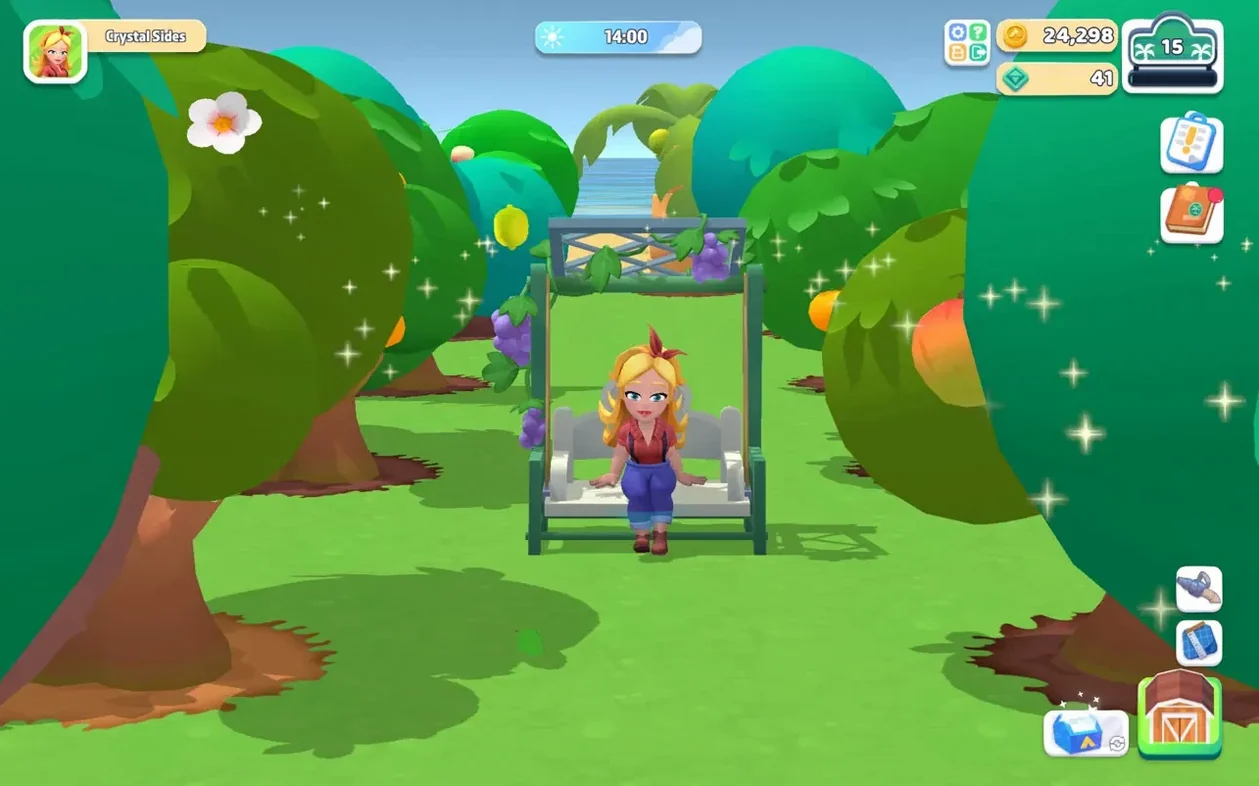
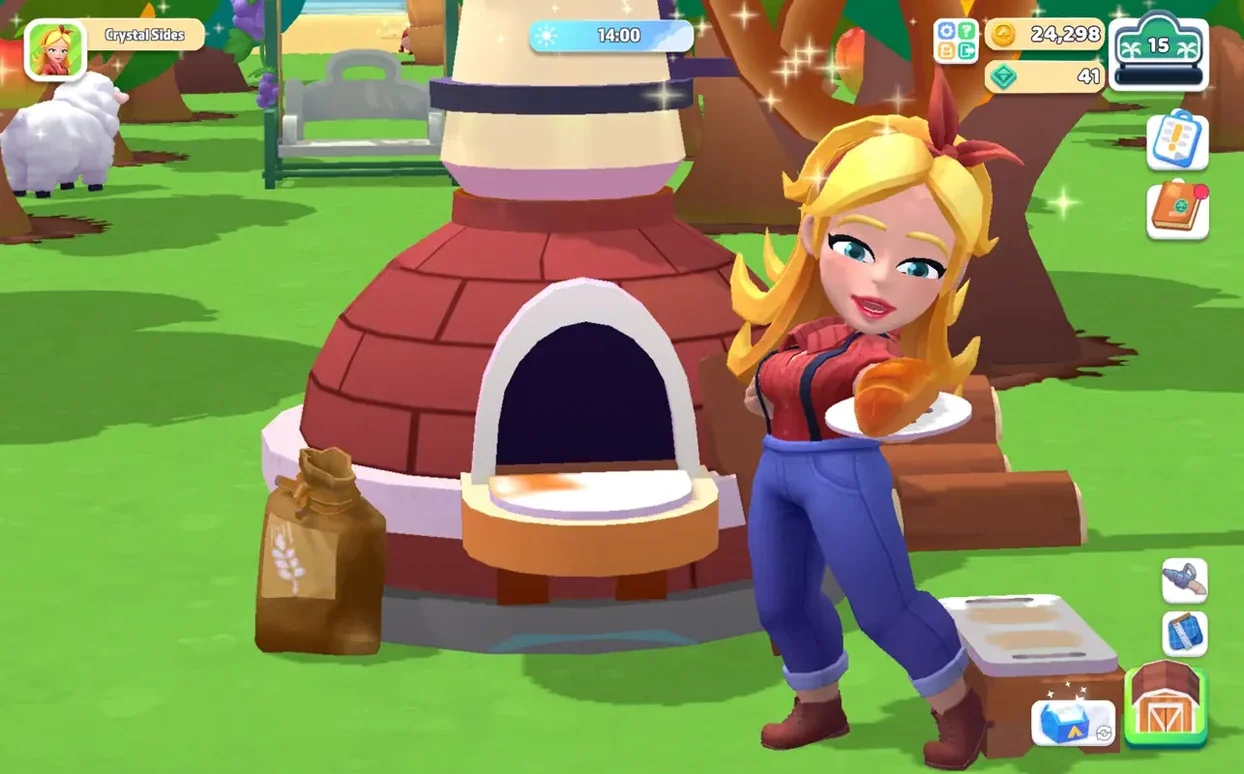
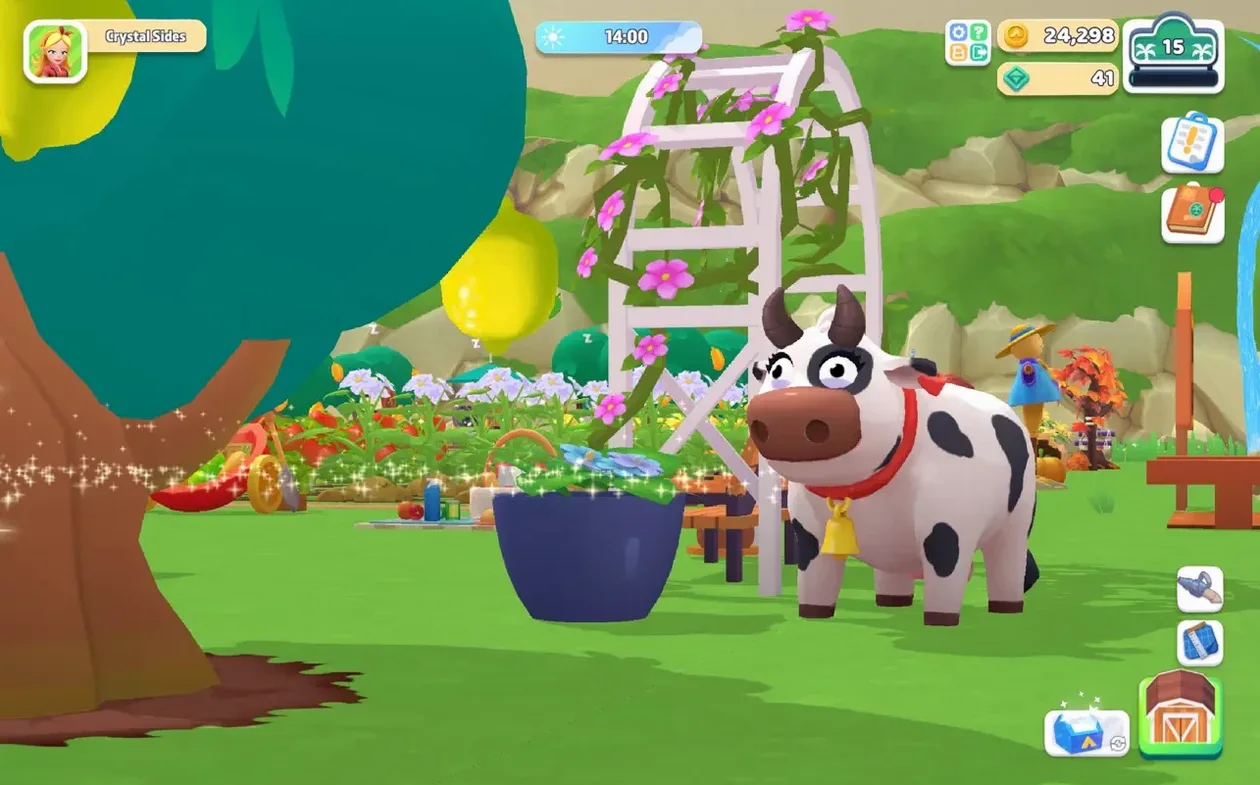
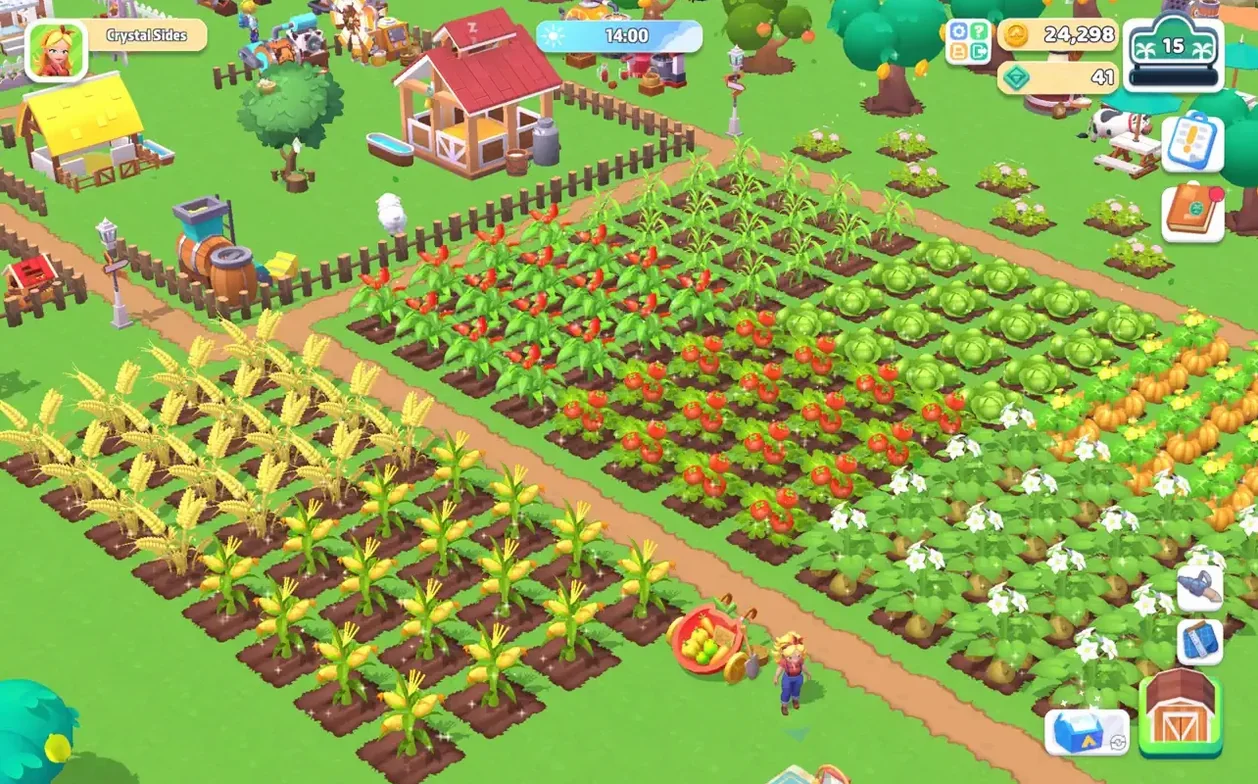
A casual player who wants twenty minutes of gentle routine will find it in Farmside. The game suits anyone who likes the idea of a farm without the pressure of complex management—someone who wants to tidy up a neglected patch of land and see it change, one harvest at a time.
Clearing your first vegetable plot on the beach
You start on an overgrown beach farm with a few basic tools. The first task is clearing debris: pulling weeds, breaking old crates, and digging a small vegetable plot. A short tutorial walks you through planting your first crop, watering it, and waiting a few real-time minutes for it to sprout. From there, you expand inland across the island, unlocking new ground as you go.
Harvesting crops and eggs as the day begins
A session usually begins with a sweep of the farm to harvest ripe crops and collect eggs. Then you decide what to replant, dig fresh plots if you have cleared new land, and check whether any fruit trees in the orchard need picking. Cooking comes next—taking farm products like eggs and vegetables into the kitchen to prepare dishes. You might also rearrange objects: fences to keep chickens from wandering, automatic lamps to light paths at night, and decorative items wherever they look right.
How much customisation does the game offer?
Your character's appearance and clothing can be changed at any point, so you are not locked into a single look. Objects can be placed freely around the farm, each with a specific function—a fence blocks movement, a lamp casts light, a cooker lets you prepare dishes. You decide the layout, whether that means a tidy grid of vegetable beds or a meandering orchard path.
What keeps the routine from going stale?
The island expands inland, so you are always working towards the next patch of unlockable ground. New quests and seasonal events shift the focus periodically, and the level cap has been raised in recent updates, giving longer-term players a reason to keep planting and cooking.
A beginner's workflow: stocking the larder
Suppose you have just cleared the second plot of land and built the basic kitchen. Your goal is to fill two orders from the notice board: one wants three vegetable soups, the other asks for a dozen eggs and four apple pies.
First, walk the farm and collect every ripe crop and egg. Do not cook yet. Check the orchard—if the apple trees are not ready, you will need to wait a cycle, so plant a few fast-growing carrots in the meantime to keep the soil busy. Next, open the kitchen menu and check which dishes you can already make. Vegetable soup needs carrots and onions; apple pie needs apples, flour and butter. If you are short on butter, you will need milk, which means buying a cow from the shop if you have not already.
The actual sequence matters less than doing one complete sweep before you start cooking. Beginners often cook a single dish, deliver it, then realise they used ingredients needed for a second order. Work backwards from the order list: tally every ingredient, gather it all, then cook in one batch. Deliver both orders together and you save yourself two trips across the farm.
A player who thrives here
Someone who works a desk job and wants ten minutes of calm between meetings. They keep their MacBook Air on the kitchen table and open Farmside while the kettle boils. They are not chasing level caps; they want a small, predictable set of actions—feed the chickens, water the beans, move a lamp slightly to the left. The recent seasonal event with its limited-time quests gives them a reason to log in, but they are just as happy spending a session rearranging the stickers on the barn roof. For them, the game is a low-stakes sandbox with pleasant background music and no fail state.
Losing chickens across the island without a fence
One common error is ignoring fences entirely. A chicken without a fence will wander across the farm, and finding it later means scanning every corner of the island. Place a fence pen early, even a small one, and keep the coop inside it. Another mistake is planting too many slow crops at once. A field full of pumpkins looks satisfying, but if all your plots are occupied for a long stretch you cannot pivot when a quest asks for quick-turnaround vegetables. Keep a few plots on fast crops and dedicate the rest to longer timers. Finally, new players sometimes forget that paths are functional, not just decorative. The character moves noticeably faster on laid paths, so a simple network from the house to the orchard and chicken pen saves real time every session.