Aspecten
 Download (31 GB)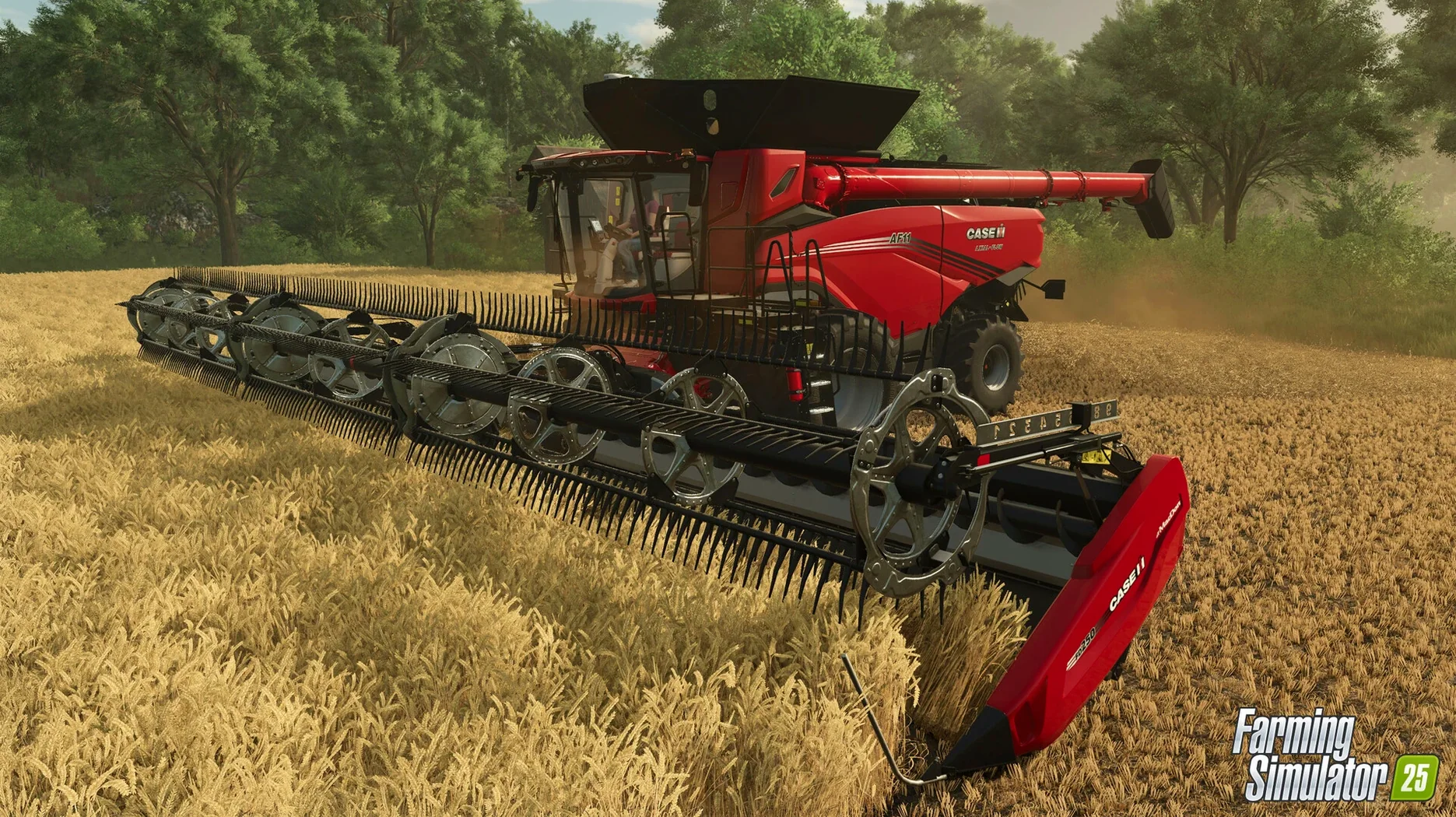
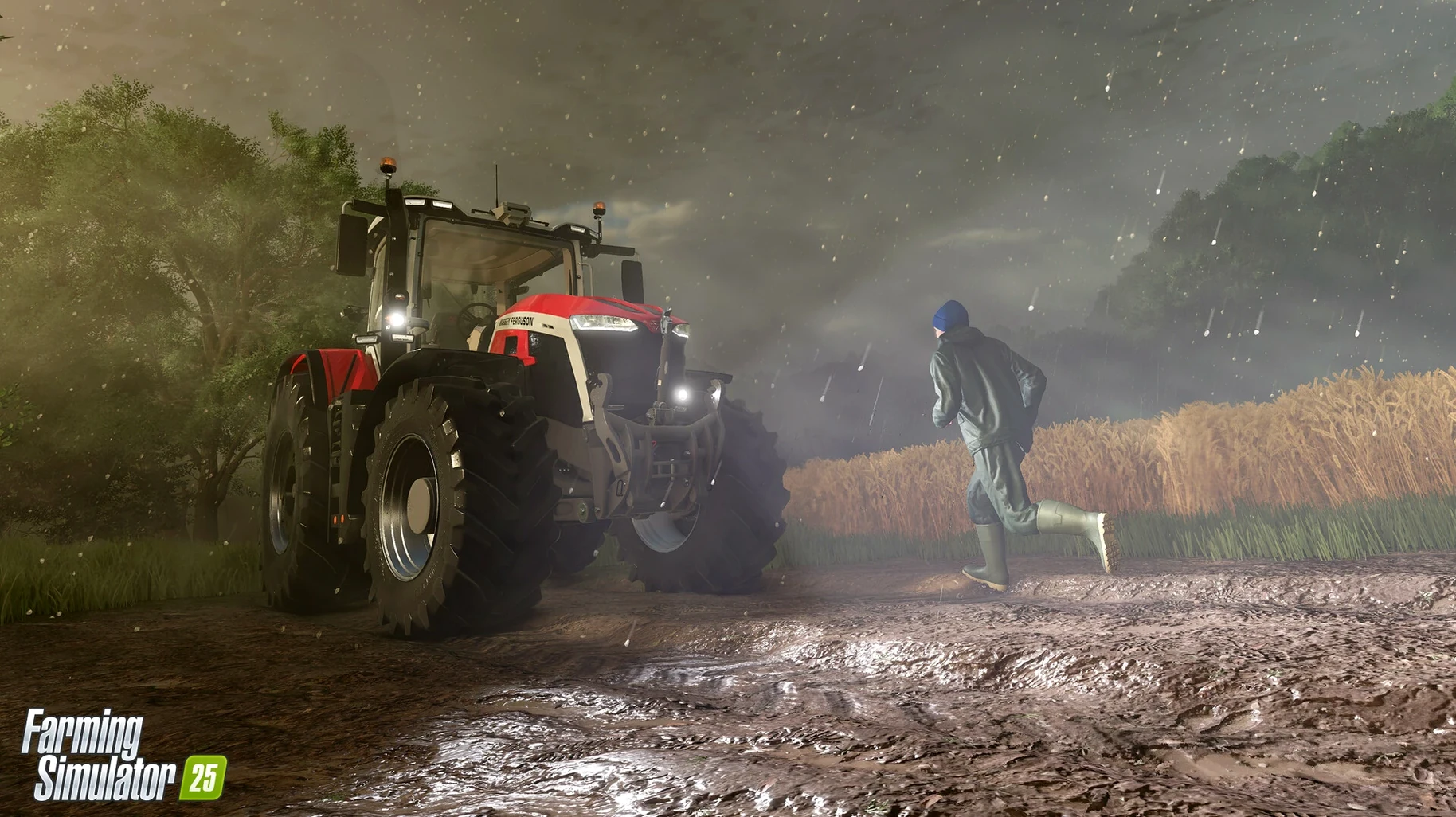
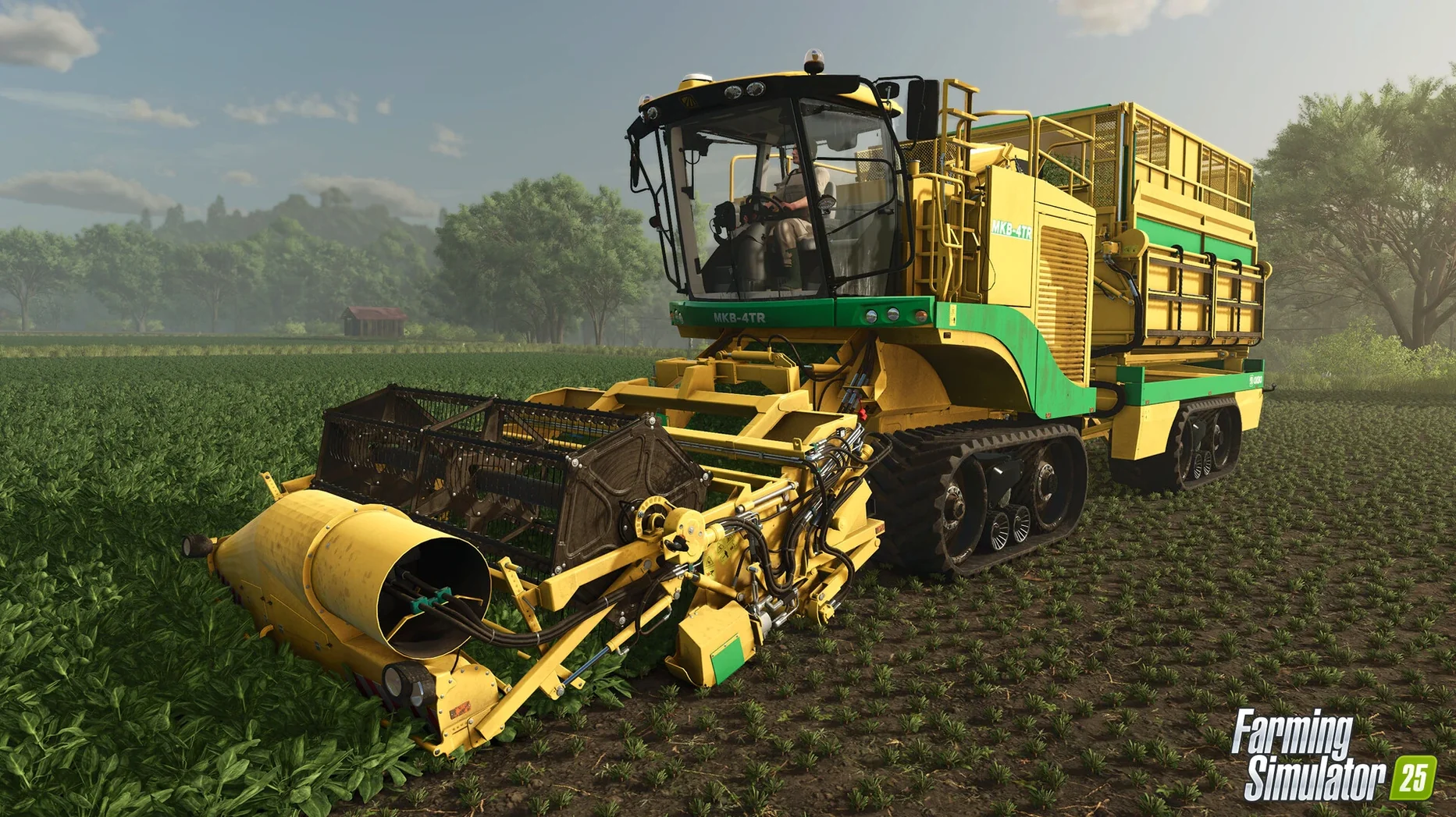
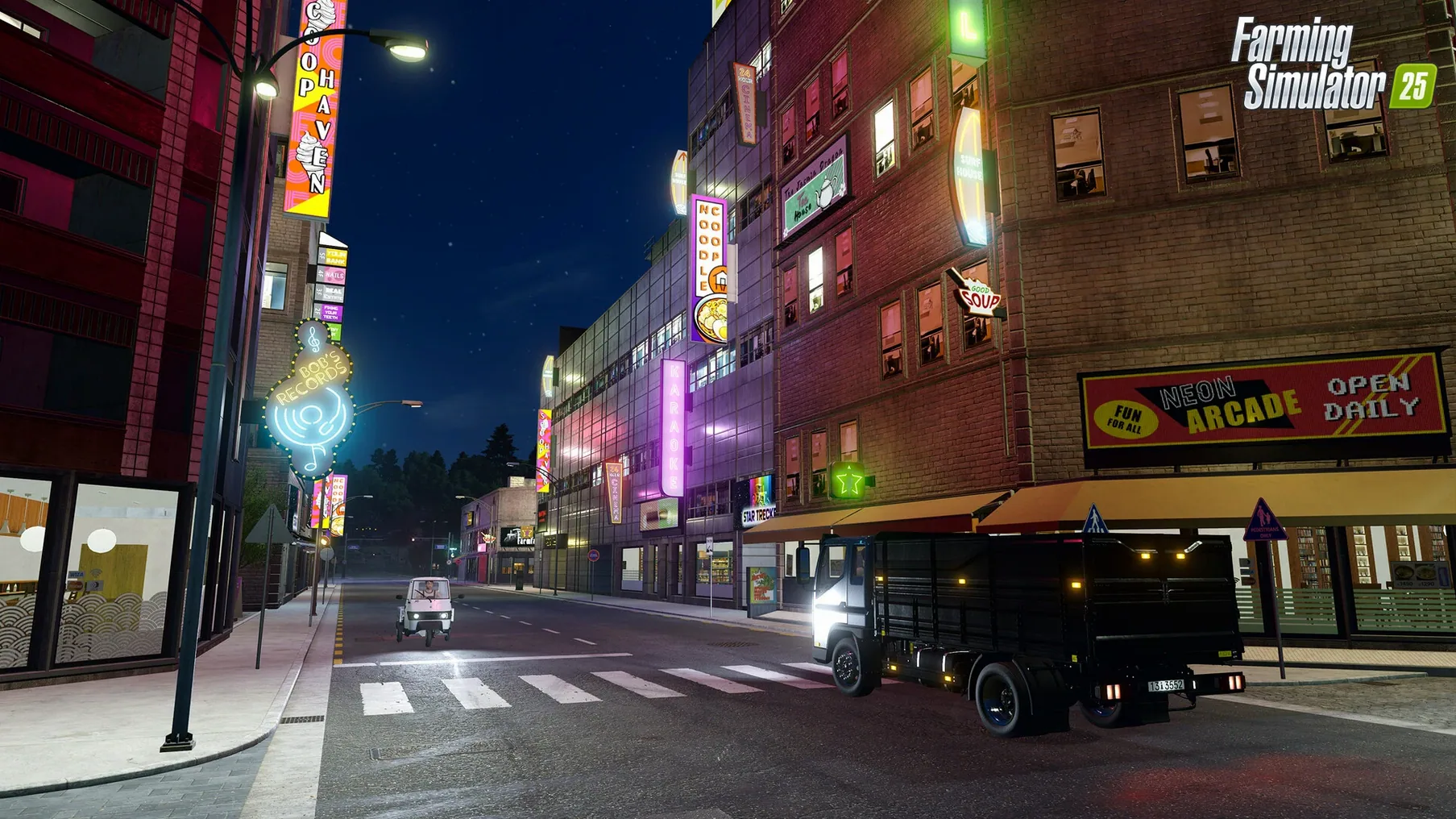
GPS-assisted steering is one of those features that tells you a fair bit about a game’s rhythm. It is not a flashy addition. It sits quietly in the menu, ready to hold a line across a field while you check the next weather report or plan the afternoon’s fertilising. Farming Simulator 25 rewards that kind of attention.
Who might take to it
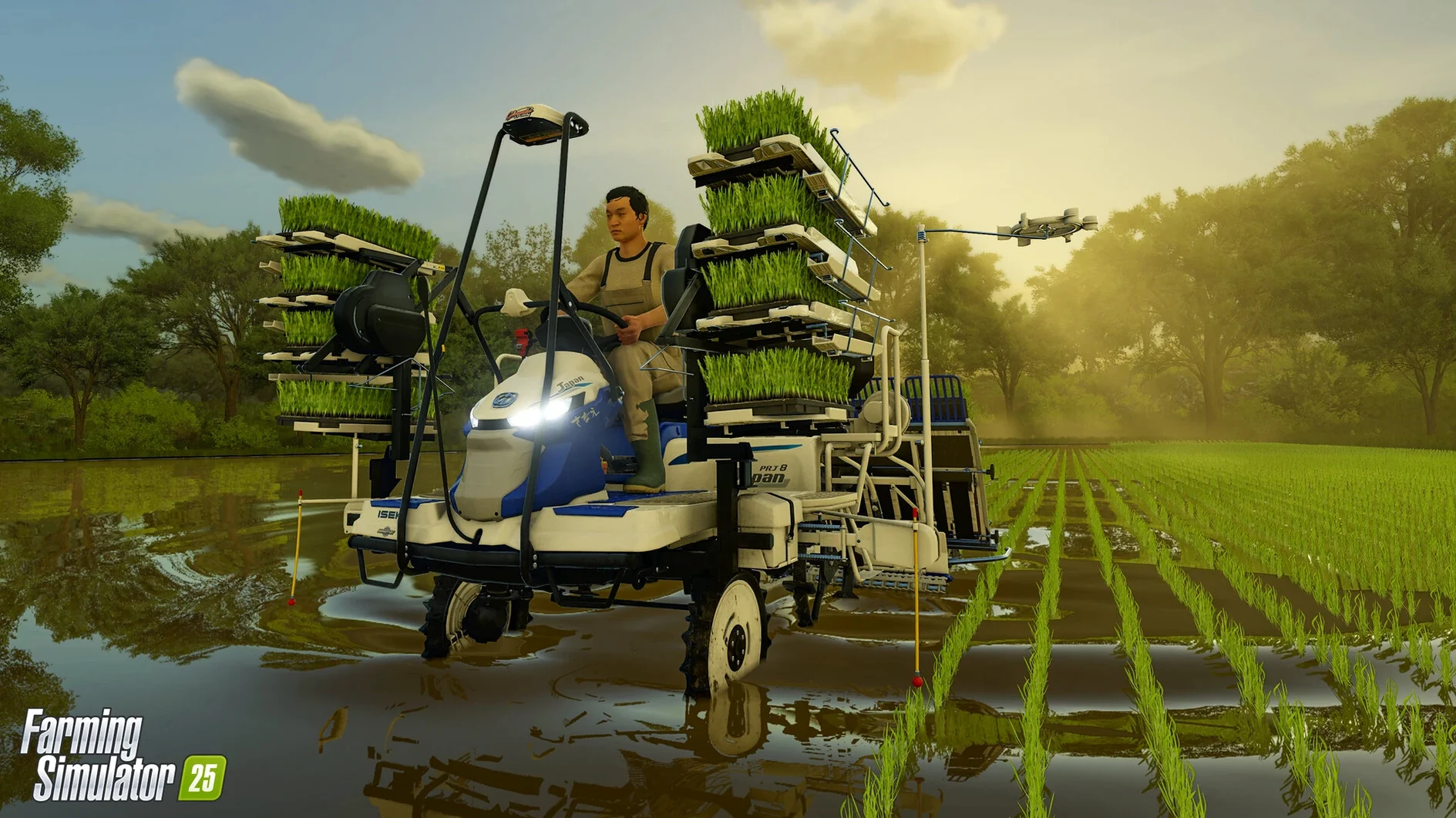
The player who will feel most at home here is someone who enjoys building a process from small, repeatable steps. The game gives you more than 400 machines from over 150 manufacturers, and learning which tool suits which task — ploughing, sowing, spraying — is a large part of the draw. Watching a field change through the seasons, with rice paddies flooding and green beans needing a different touch than spinach, has a quiet satisfaction to it. The two types of rice, long-grain and regular, each want their own approach, and the game does not rush you into understanding them.
Who might feel restless
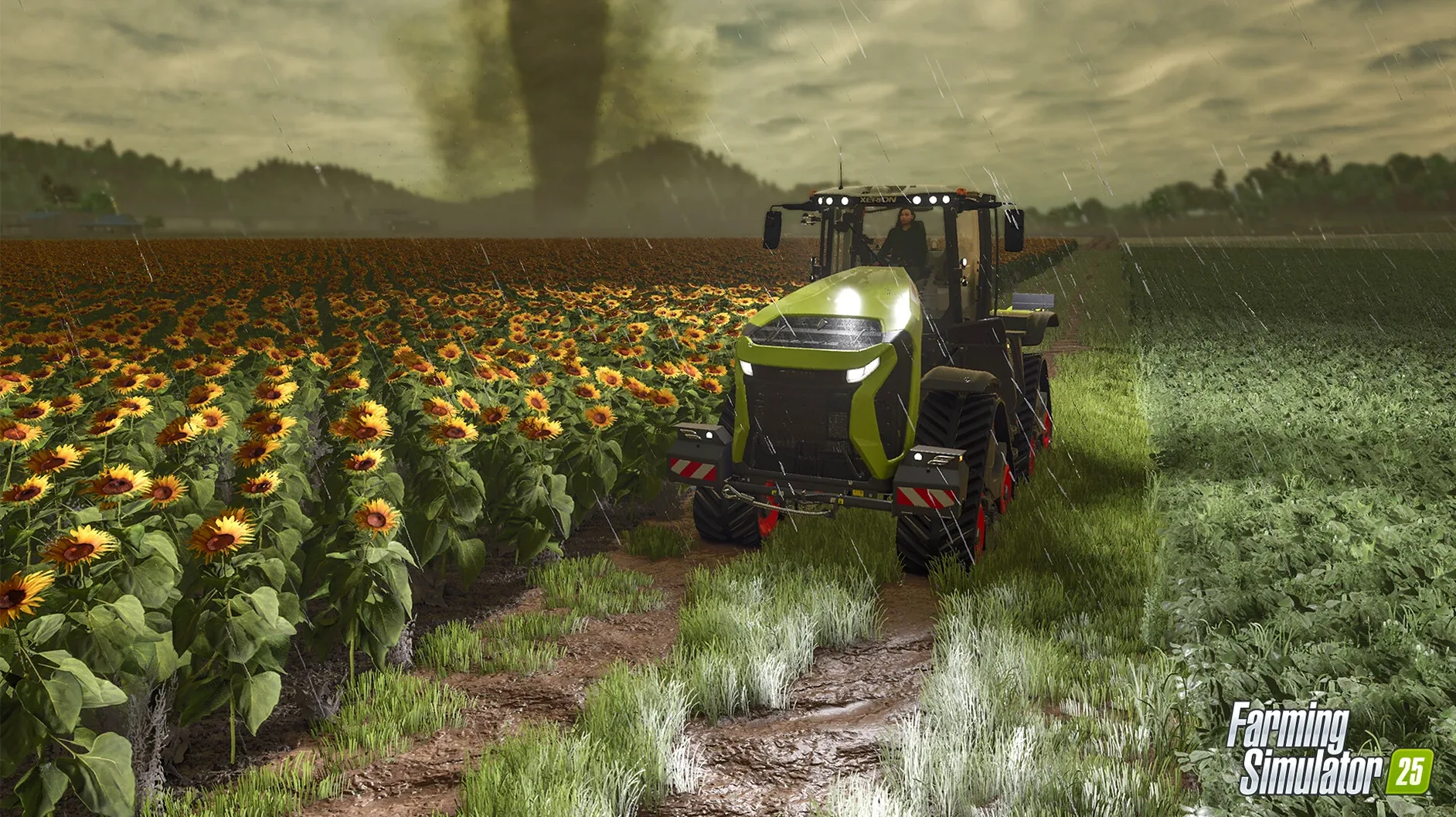
A player looking for quick feedback or a clear win condition may find the pace too measured. Hurricanes and hail arrive and reshape the landscape, undoing an afternoon’s work without drama, and the response is always the same: assess the damage and carry on. The GIANTS Engine 10 renders these weather changes with a flat realism — mud forms, water sits in furrows — but the game never leans on spectacle. If you need a game to push you forward, this one will wait instead. The pleasure here is entirely in the routine, and if that routine feels like a list of chores, no amount of machinery will change it.
Stability and resource use during longer sessions
On a Mac with an M-series chip the game settles into a steady frame rate once the shaders have compiled, which happens during the first few minutes on a new map. After that initial warm-up the simulation rarely stutters, even with a dozen pieces of equipment parked near the yard and weather effects rolling in. The GIANTS Engine 10 leans more on the GPU than the CPU in daily play, so a machine with active cooling will stay quieter than a fanless model, though neither tends to overheat. Memory use sits around the 6–8 GB mark with the default settings, which means an 8 GB system has little headroom for background apps. Closing a browser before starting a long session is a small habit that pays off.
Load times are modest for a world this large. Moving from the main menu into a saved game takes roughly twenty seconds on Apple Silicon, and switching between vehicles or tabbing through the shop menus is immediate. The only noticeable pause comes when the game autosaves at the top of each in-game hour, a brief half-second hitch that becomes part of the rhythm. Stability holds up well across six-hour stretches; crashes in version 1.23.1.0 are rare and tend to trace back to a specific mod conflict rather than the base game itself.
Let the shader compilation finish before you turn
The first thing most players hit is the shader compilation lag on a fresh install. For the opening quarter-hour the camera pans can feel jittery, especially when turning quickly across a dense field of wheat. The fix is simple: let the game run for ten minutes on a small map, drive a tractor in a few loops, and the stutter smooths out permanently.
A trickier problem surfaces with ModHub downloads. When a mod updates and the save file expects the old version, the game may refuse to load. The workaround is to note which mods have been updated recently, disable them one by one from the start-screen mod manager, and re-enable after the save opens. A small but persistent annoyance involves vehicle wheels sinking slightly into concrete yard surfaces after a map reload; Giants has acknowledged the ground-deformation quirk and a fix is expected, but for now cycling the vehicle's position with the reset tool clears it.
Multiplayer sessions occasionally desync when a guest player interacts with a production building at the same moment the host triggers a weather event. Pausing the game for five seconds on the host side lets both clients catch up, and the session continues without a reboot. Dedicated server users on Mac should also check that the game.xml file points to the correct IP after a router restart, a small step that prevents a long evening of connection troubleshooting.
Comparisons with a few similar Mac titles
Put alongside Pure Farming 2018, Farming Simulator 25 feels more like a workshop than a guided tour. Pure Farming offers a tighter, mission-led structure with four distinct farms on different continents, which suits a player who wants a clear goal each session. Farming Simulator 25 spreads its three settings — North America, Central Europe, East Asia — across the same sandbox logic, leaving the player to decide whether today is about forestry, rice paddies, or simply reorganising the barn. The machine catalogue in Farming Simulator 25 is also about three times larger, which matters if brand variety is part of the draw.
Farm Together takes the genre in the opposite direction. It is bright, quick, and built around short play sessions where crops grow in real time even when the game is closed. There is no mud, no GPS steering, no hail wiping out a greenhouse. Farming Simulator 25 asks for longer attention spans and gives back a deeper simulation of soil, weather, and supply chains. The two games barely compete; they sit at different ends of the farming-game spectrum.
Cattle and Crops aimed for a detailed physics simulation of soil and implements, but its development stalled and the Mac version never matured beyond an early-access build. Farming Simulator 25 picks up that thread of mechanical realism — tyre tracks that remain in soft ground, implements that behave differently on a slope — and delivers it in a finished, regularly patched package. For a Mac user wanting agricultural simulation without a Windows partition, the field of alternatives has narrowed considerably.
A week on a North American grain farm
A player coming back to the series after a few years might load the North American map and start with a single John Deere combine and a modest wheat contract. The first morning is spent learning the GPS-assisted steering, laying down neat header rows while the radio crackles with a weather alert. By afternoon a thunderstorm rolls in, and the deformation system turns the unseeded headland into a strip of churned mud. The harvester slows noticeably, and the player learns to keep a tractor and weight block nearby for the next rain.
Midweek the focus shifts to animals. Water buffalo arrive as calves and need a steady supply of hay, which means mowing a grass field, tedding it, and baling before the next rain front hits. The timing is tight and the work is repetitive, but the rhythm sinks in. By Friday the farm shop is producing cheese from the buffalo milk, and the profit margin improves enough to lease a larger planter for a green bean trial. A neighbour joins via cooperative multiplayer on Saturday, running a forestry operation on the far corner of the property while the host drills peas in the lower field. The session runs four hours without a hitch, and the only frustration is a tipped-over log trailer that takes ten minutes and two tractors to right. By Sunday evening the farm has doubled its cultivated area, the silo holds enough grain to survive a poor harvest, and the forecast shows hail on Tuesday. The player saves and makes a note to check the weather again tomorrow.