Aspecten
 Download (25 GB)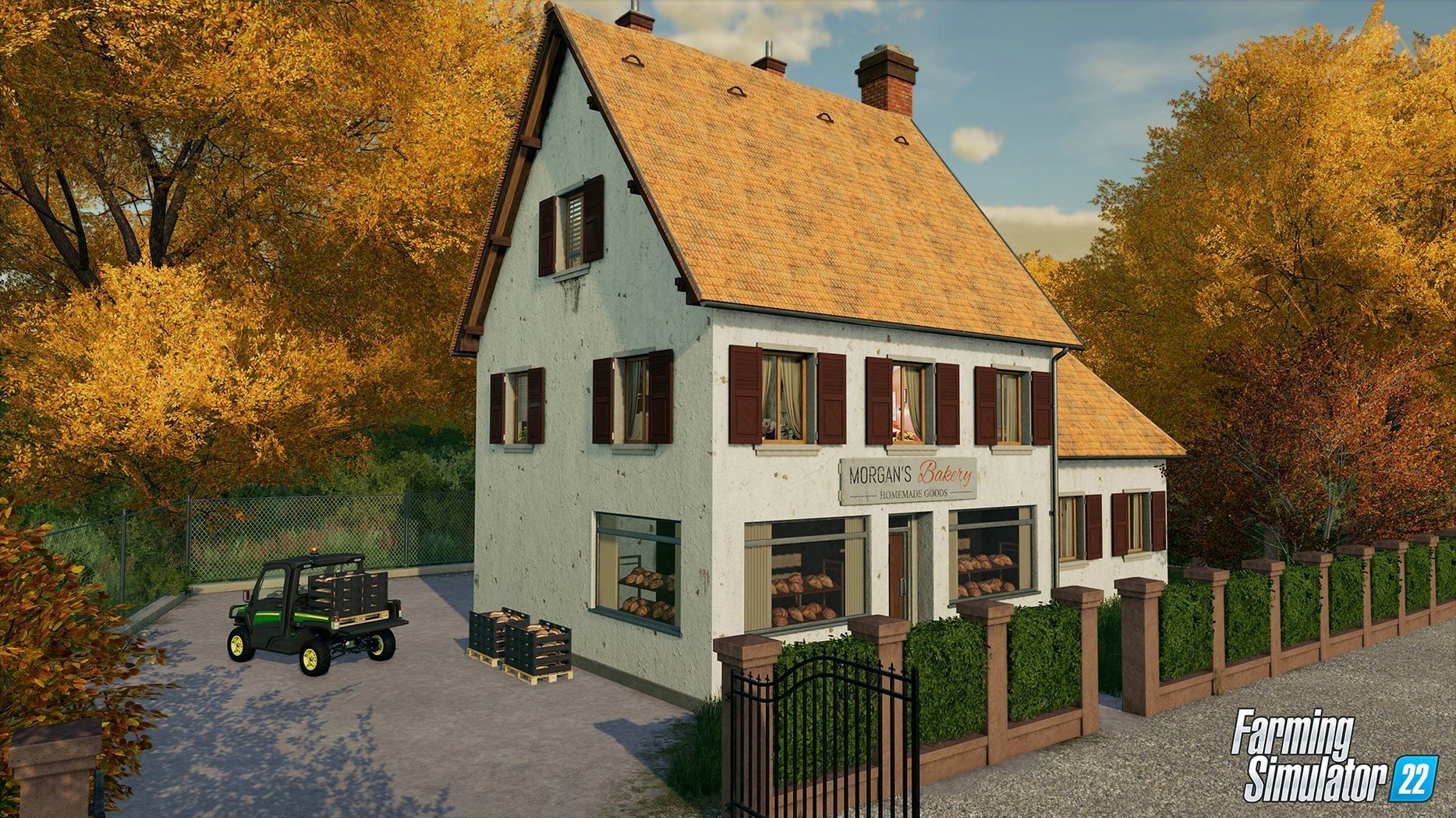
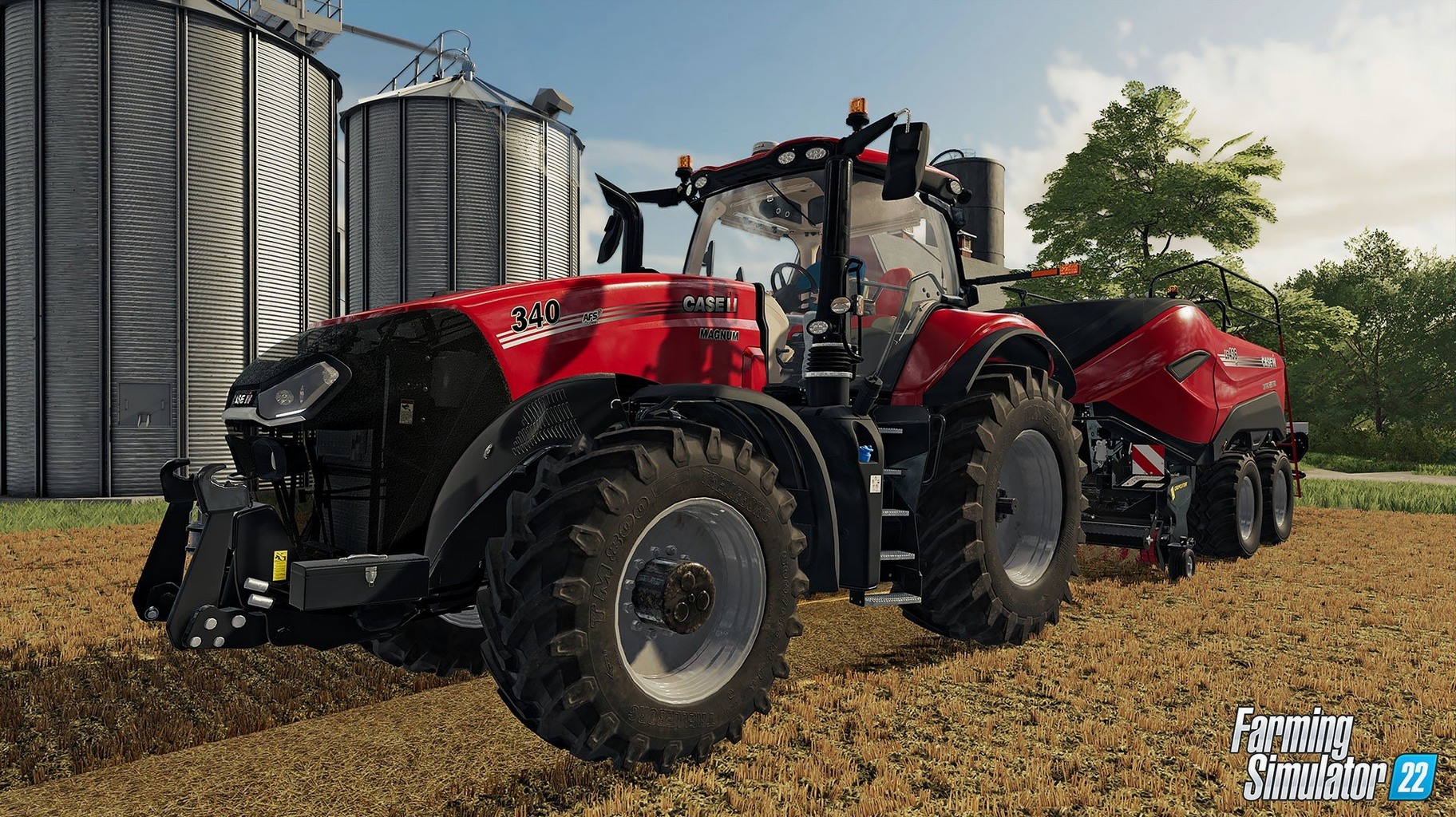
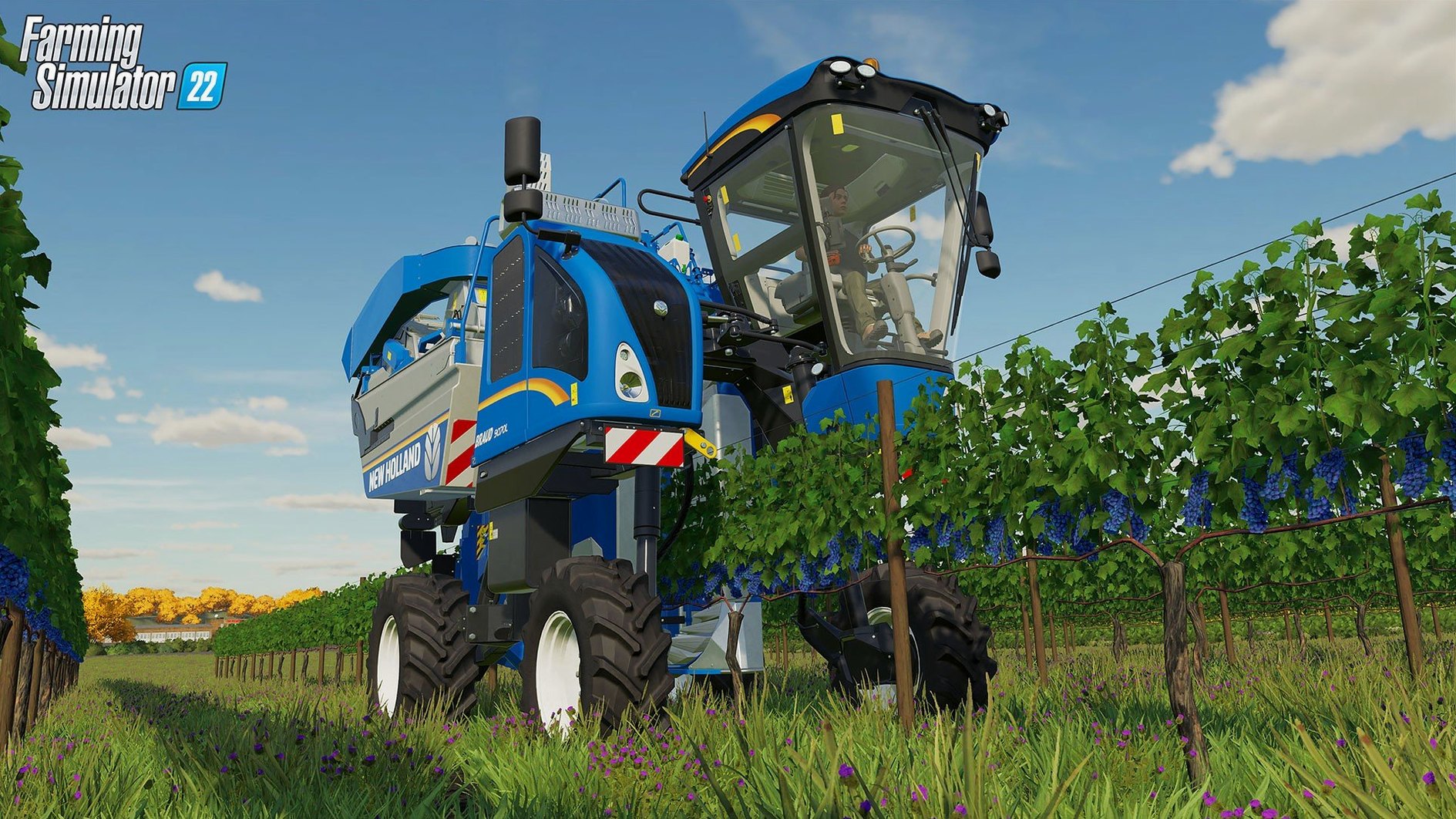
Farming Simulator 22 is a base-game package built around three core modes of play — career, multiplayer, and the seasonal calendar.
Career mode — the standard managerial loop. You inherit a farm, decide on crop types and livestock, acquire land and machinery, and grow the operation through production chains.
Multiplayer mode — cooperative network play. Up to a defined number of players can manage a single farm together, sharing tasks like planting, harvesting, and transport across the same map and season.
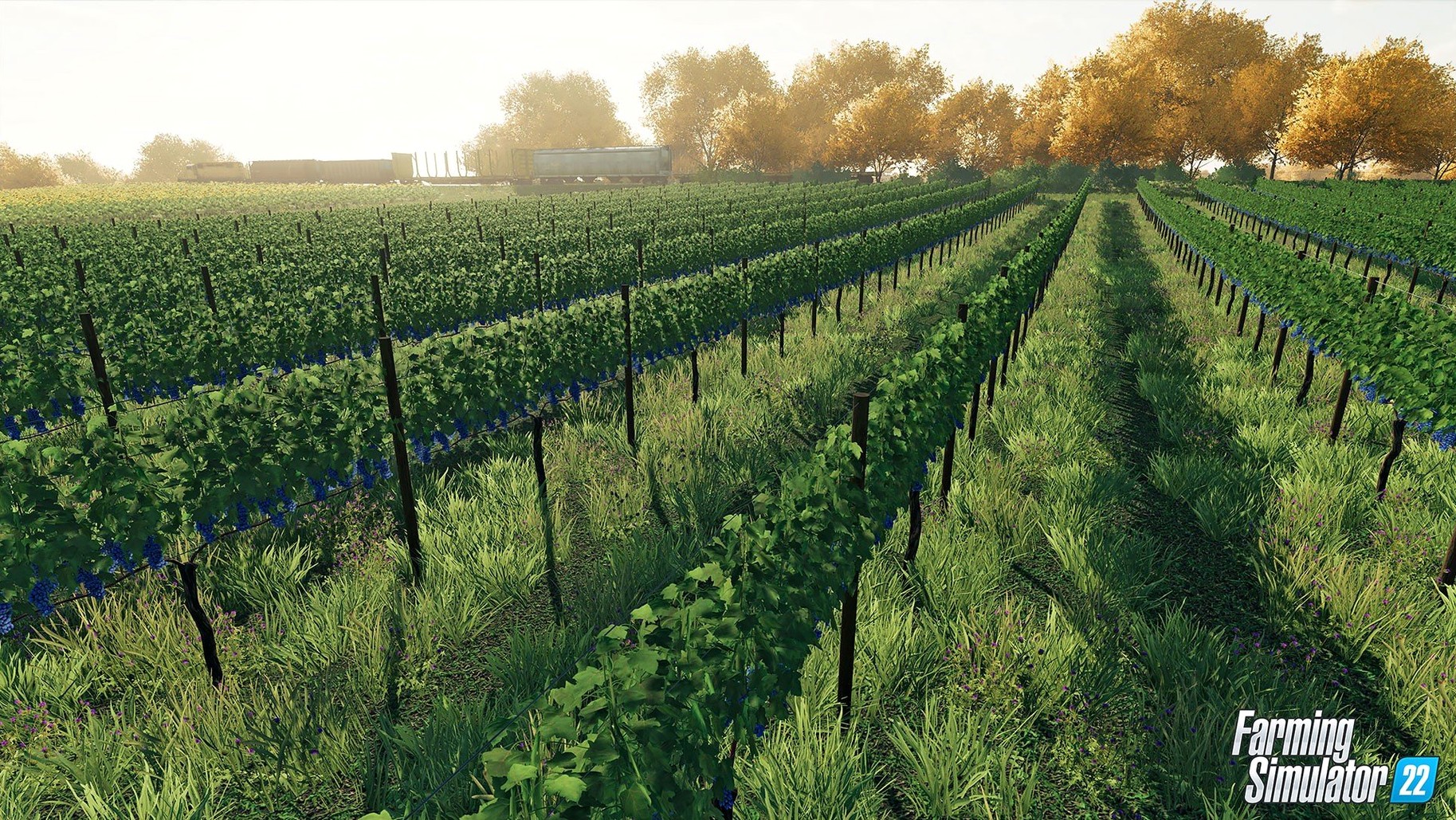
Seasonal cycles — the game’s environmental clock. Rather than cosmetic weather, seasons change the agronomic calendar: you plant and harvest according to real seasonal windows, store against winter, and adapt to visual and mechanical differences across spring, summer, autumn, and winter.
Vehicle brands — the equipment pool. The base game includes machines from John Deere, CLAAS, Case IH, New Holland, Fendt, Massey Ferguson, Valtra, and others, each modelled as individual tractors, harvesters, and implements with distinct handling, power ratings, and cab views.
A house, some fields, and no instructions
The opening hours can feel untethered. The game drops you onto a plot with a house, a few fields, some basic machinery, and no urgent instruction. That open-handedness is deliberate, but a few small habits keep the first days from drifting into debt.
Start by walking the fields, not driving. Tap E to mount a tractor, but use Tab to jump between vehicles and Esc to study the map screen. The map shows field ownership, growth stages, and sell points. Learn which sell point pays best for wheat before you harvest it — prices vary by location and season, and a trailer of grain delivered to the wrong buyer can erase an hour of work.
Leasing is a trap in the early game. The daily fee looks small, but it ticks whether you use the machine or not. For a first harvest, rely on the equipment you own. If you must lease, return the item the moment the job finishes. The garage menu handles returns in two clicks.
Keep one tractor free for frontloader work. Pallets of seed, lime, and fertiliser stack up quickly, and a tractor without a frontloader means hand-carrying sacks across the yard. Fit the frontloader attachment at the workshop tab in the shop menu and leave it on a dedicated machine.
Turn off crop withering in the game settings until the seasonal rhythm becomes second nature. Withering punishes late harvests harshly, and a single missed day in autumn can wipe a field of soybeans. The setting lives under Game Settings → Crop Growth and can be toggled without restarting.
For players who arrived via a Farming Simulator 22 torrent download or a Farming Simulator 22 Mac free download, the same early-game logic applies — the base sandbox is identical regardless of how the files landed on the machine.
Kubota M7 with frontloader slips into mid-range duties
Version 1.14 brought two new machines and a handful of under-the-hood fixes that matter more in routine sessions than patch notes suggest.
The Kubota M7 with frontloader slots into the mid-range tractor bracket. It handles loader work without the bulk of a large-frame Case or John Deere, which matters on tighter European maps where headlands are narrow and shed doorways unforgiving. The frontloader geometry feels calibrated for pallet forks and bale spikes rather than heavy silage buckets — a practical limit that rewards matching the tool to the task.
The Volvo 120H wheelloader changes how a farm handles bulk material. Before 1.14, wheel-loader options leaned toward older models with slower hydraulics. The 120H cycles the boom faster, making silage pit compaction and trailer loading less stop-start. On a dairy operation, that shift is noticeable across a thirty-minute silage session.
The Grimme GL860 connection hose fix corrected a visual glitch that had annoyed planter users since launch. Hoses no longer clip through the chassis at full steering lock. Small, but for players who use the in-cab camera for potato planting, the view now reads clean.
The vehicle LOD debug viewer is a modding tool, not a gameplay feature, but it affects everyday play indirectly. Mod authors can now inspect level-of-detail transitions without guesswork, which should reduce the jarring pop-in on community tractor mods that plagued earlier versions. Players who use ModHub regularly — including those who found the game through a Farming Simulator 22 for Mac cracked search — will see the benefit over time as mod quality tightens.
The long inline bale crash fix matters most to hay and straw operations. Before the patch, baling long windrows with certain modded balers could hard-crash the game. The fix stabilises bale formation physics, and in testing on an M1 MacBook Air, the game no longer stutters when a baler swallows a dense swath at working speed.
Stop the camera clipping through barn roofs
The default settings favour spectacle over control. A few reversals make the game more legible.
- Camera collision: off by default. Turn it on. Without it, the third-person camera clips through barn roofs and silo walls, making it hard to judge implement clearance.
- Automatic engine start: on by default. Turn it off. Manual ignition gives you a split-second audio cue when you've tabbed to a machine that's still running — useful when you've left a tractor idling overnight and burned through fuel.
- Traffic: on by default. Consider switching it off for the first ten hours. AI cars obey no farming logic and will rear-end a loaded grain trailer at a crossroads. The frustration isn't educational; it's just noise.
- Fuel consumption: normal by default. Leave it there. The "high" setting drains tanks unrealistically fast on hilly maps, and "low" makes the fuel trailer redundant.
- Worker refill settings: set to "buy" by default. Change to "off" if you want to manage seed and fertiliser stocks manually. Otherwise, hired workers silently drain your bank account purchasing from the shop at full retail price.
- Multiplayer visibility: if you host a co-op session, set the farm to "invite only" rather than "friends" until you've tested the connection. Open lobbies sometimes attract helpers who unload a tipper of wheat into the wrong silo.
For anyone running on Apple Silicon, the game defaults to Metal rendering. Leave it. OpenGL remains available in the advanced graphics menu but introduces frame pacing issues on M-series chips, particularly during rain. The 35 GB disk footprint is non-negotiable — the game unpacks map textures and mod cache into the same directory, and even a lean mod folder pushes the install past 30 GB.