Aspecten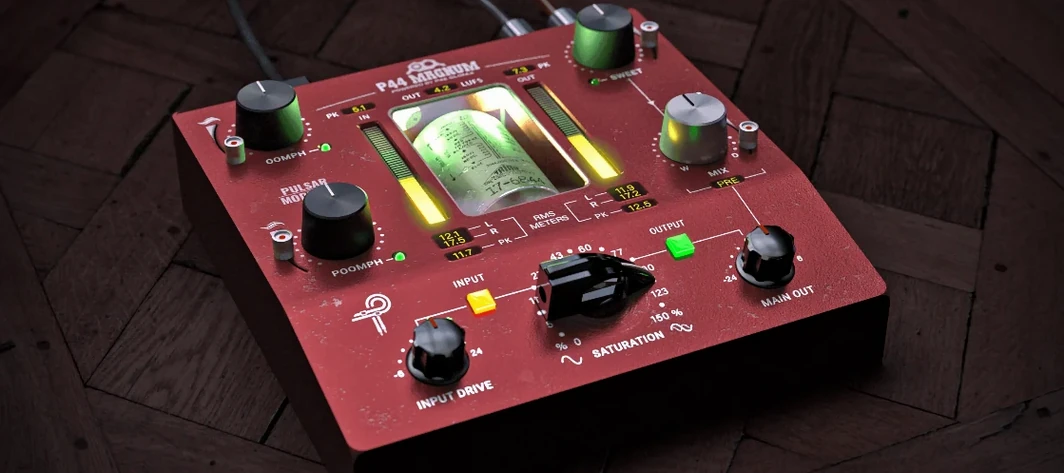
 Download (771 MB)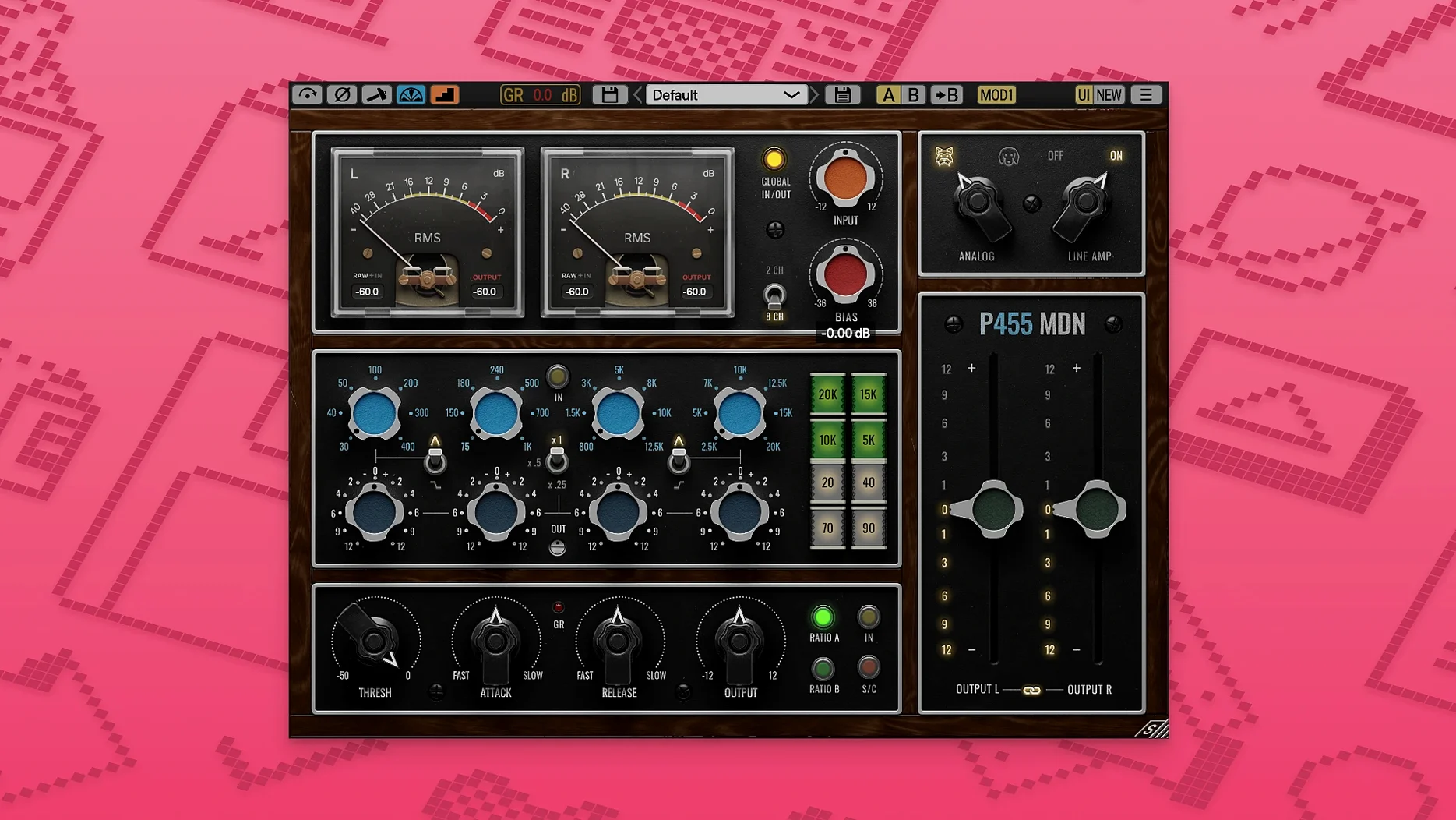
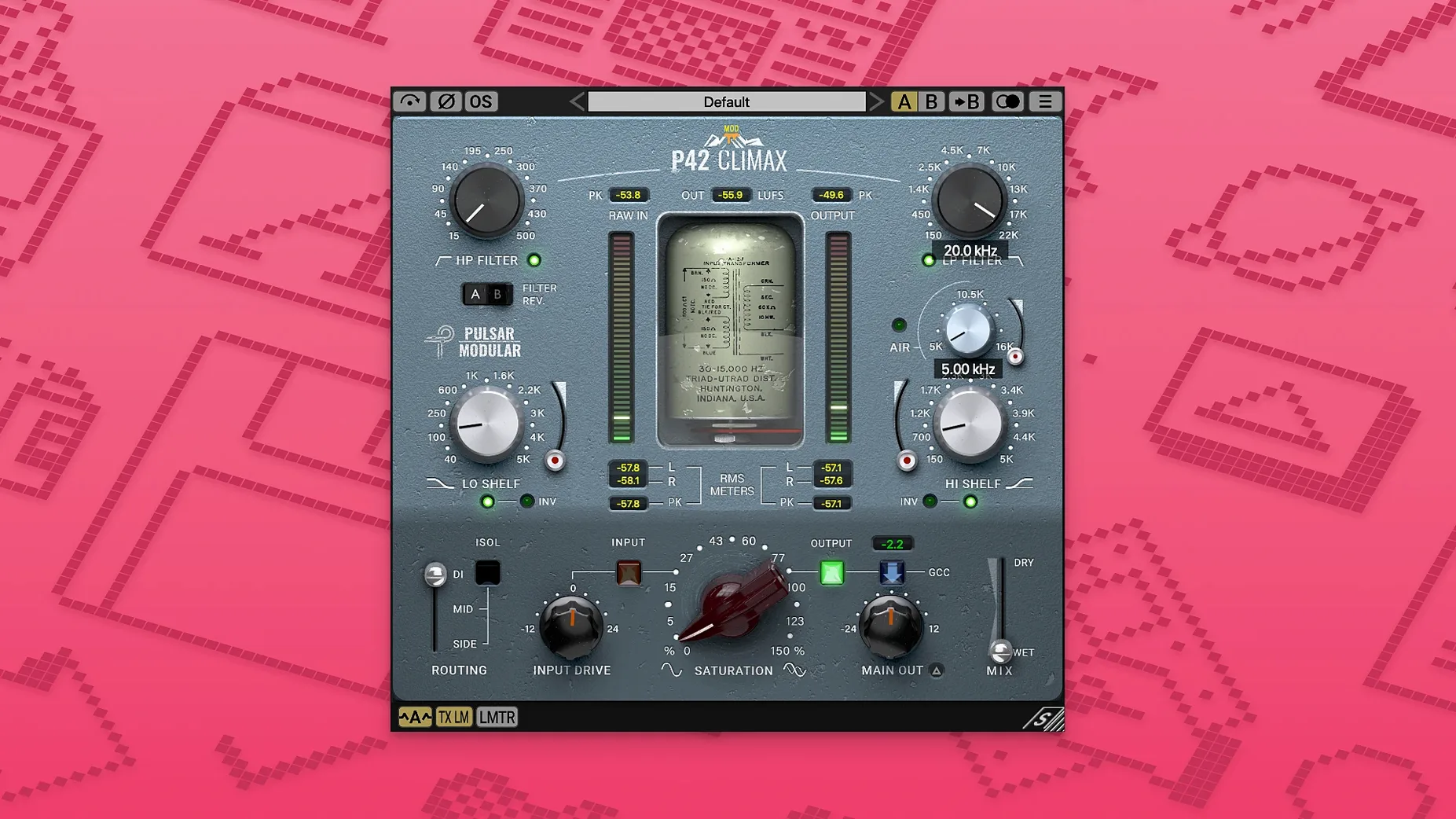
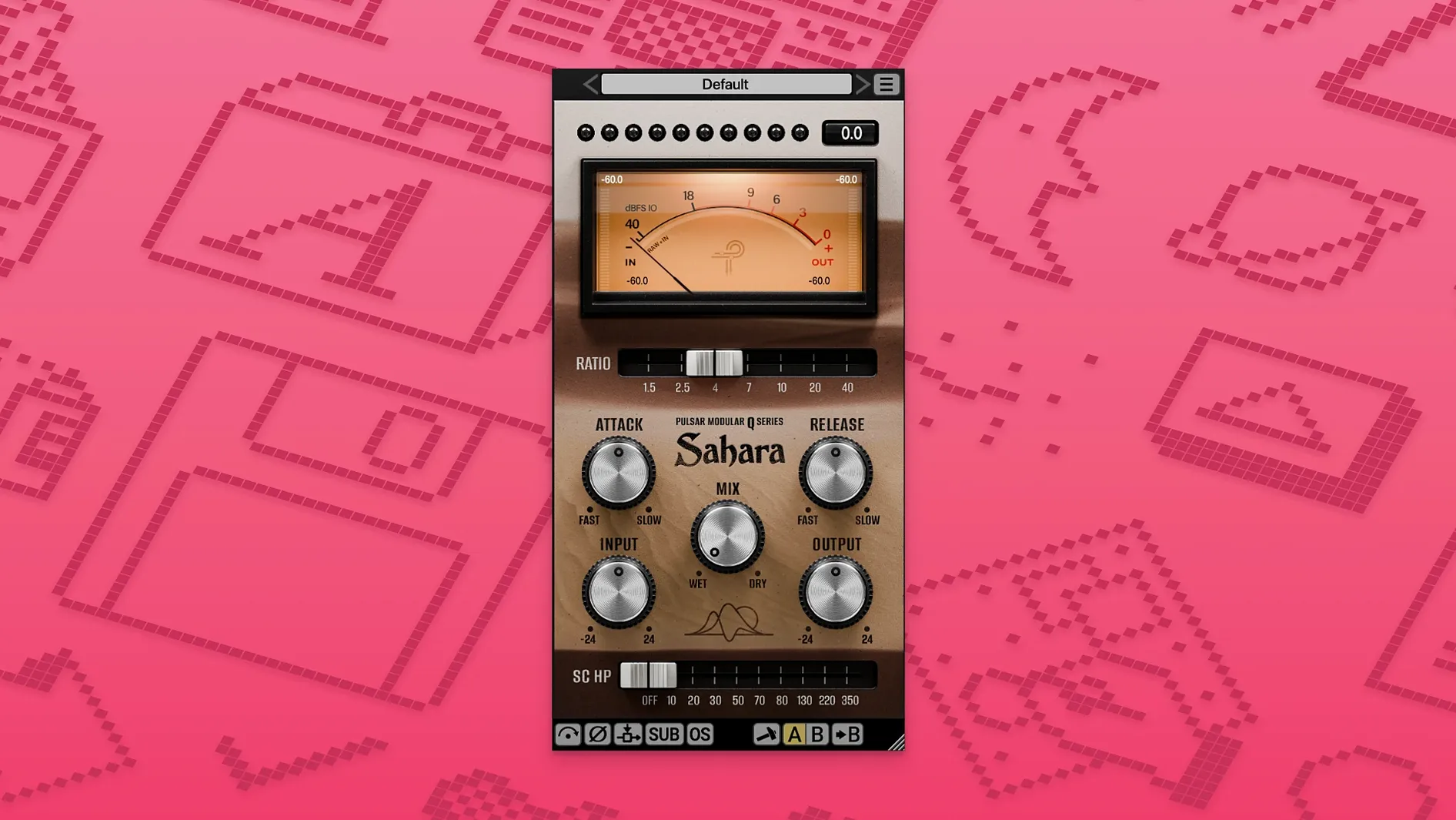
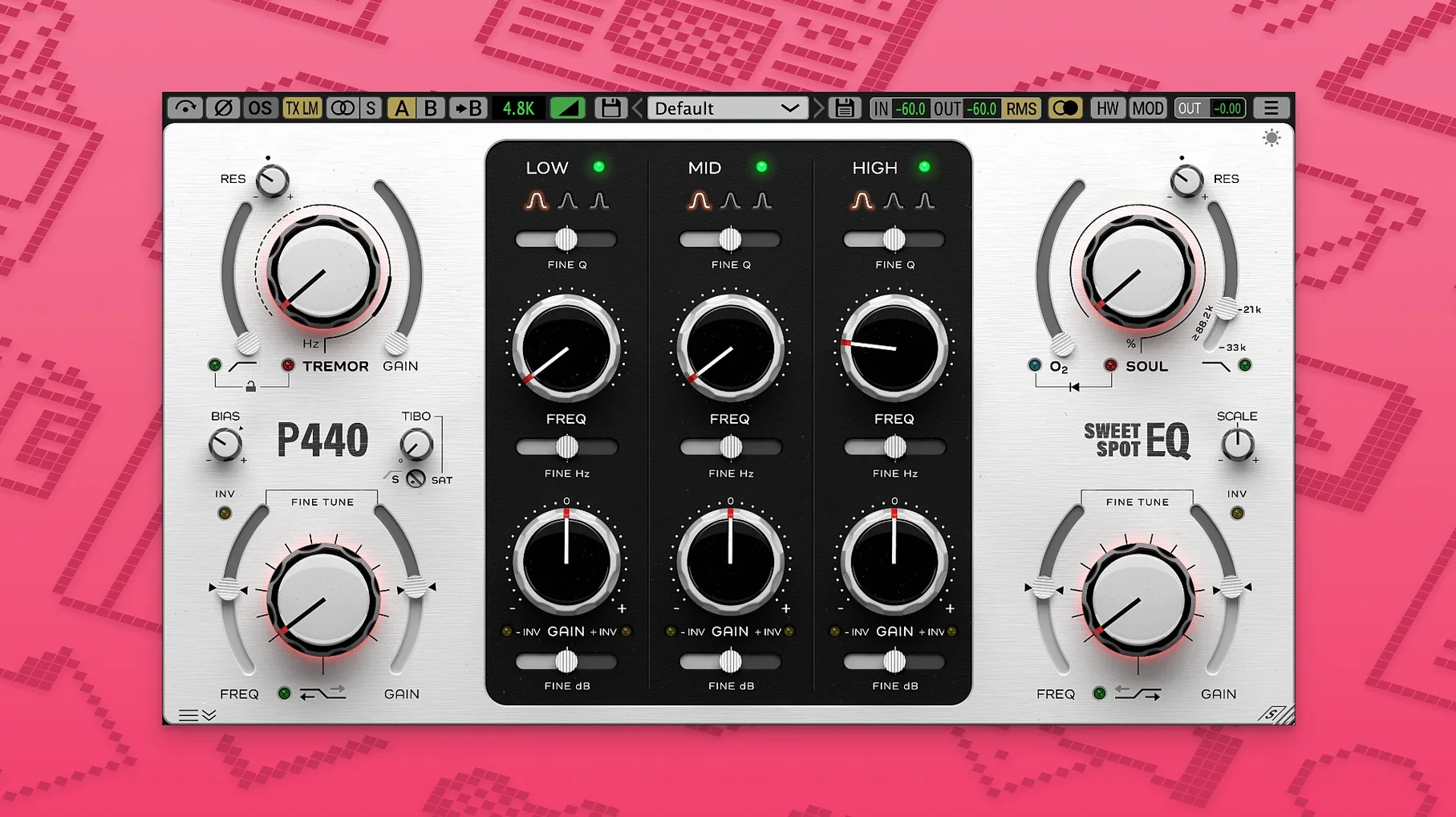
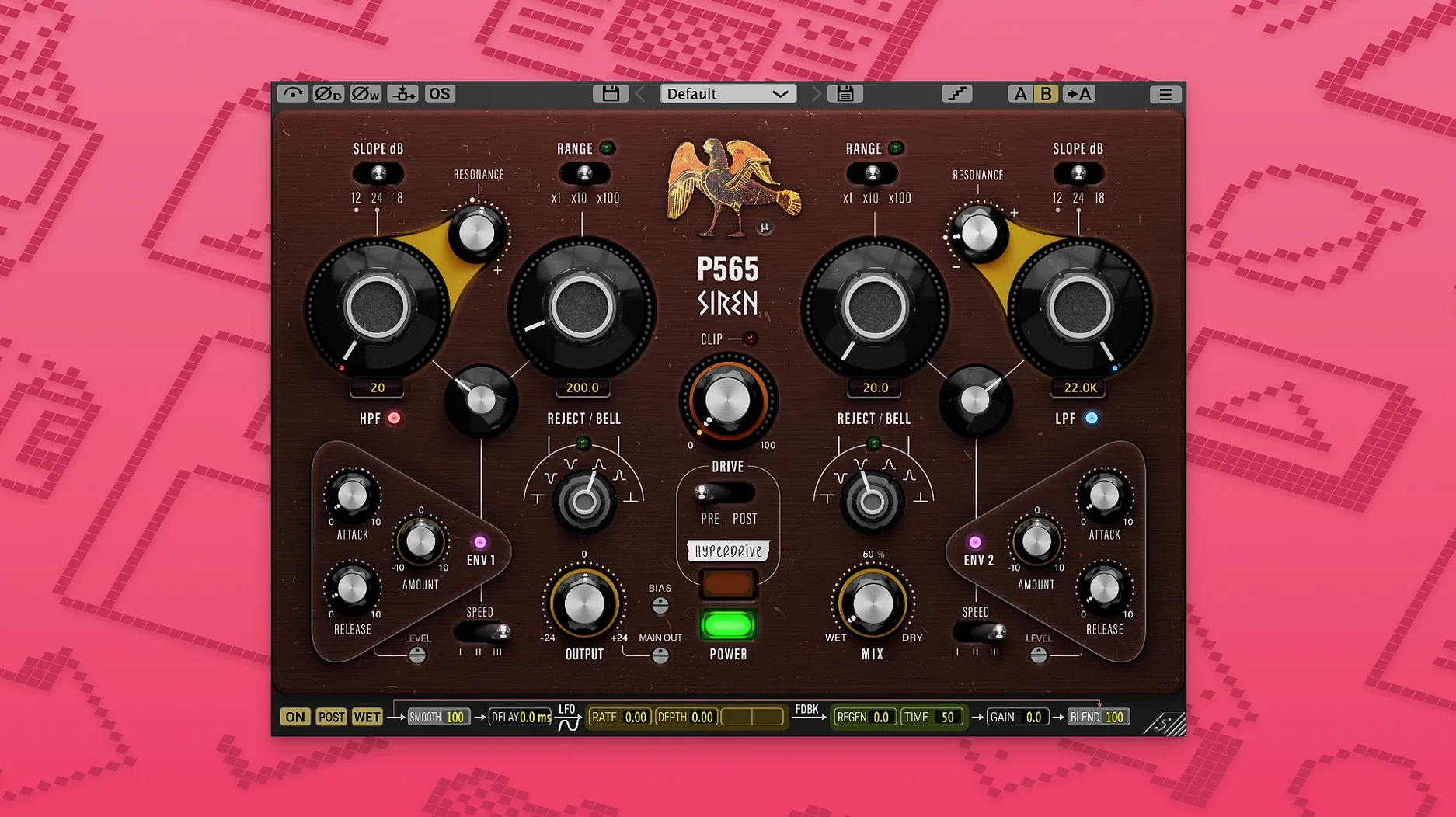
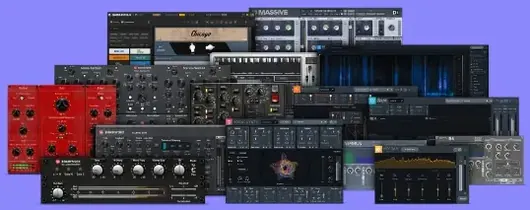
Version 04.2026 brings no new processors, but consolidates the existing lineup under a single installation. The collection is built entirely around control-driven processing — each plugin maps a specific mixing task to a set of physical-style knobs and switches, making the signal path feel less like a preset browser and more like a rack of outboard gear.
| Plugin | Version |
|---|---|
| P11 Abyss | v2.2.3 |
| P19 Igloo | v1.1.7 |
| P44 Magnum | v1.1.1 |
| P410 Joyride | v1.1.1 |
| P915 Medusa | v2.0.2 |
Tone shaping runs through the collection as a common thread. P915 Medusa handles broad equalisation curves that can nudge a mix toward warmth or clarity without introducing brittle artefacts. P44 Magnum pushes harder into saturation territory, useful when a track needs to sit forward without a simple level boost. On the spatial side, P11 Abyss and P19 Igloo approach depth and width from different angles — one through dynamic movement, the other through stereo field manipulation. P410 Joyride sits somewhere between the two camps, adding colour while shifting the perceived placement of a sound. The interface language stays in English throughout, and every control labels its function plainly, which keeps the learning curve shallow even when the signal path grows complex.
Fitting into a Mac-based workflow
The plugins appear in any DAW that hosts AU or VST3 formats — Logic Pro, Ableton Live, Reaper and similar. Because the bundle is a single installation rather than thirteen separate downloads, updating or moving between machines is a one-step affair. The collection also plays well with macOS’s Audio Unit scanning, and the plugins show up with consistent naming, which avoids the clutter some large suites create in the plug-in menus.
With macOS 10.14 or later and support for both Intel and Apple Silicon Macs, the bundle fits into older studio machines and current M-series laptops alike. There is one practical note worth mentioning upfront: the plugins expect the internet to remain disconnected while they are in use. This means planning a session around offline mode — turning off Wi‑Fi before launching the DAW, or working on a machine kept permanently offline. It is a straightforward condition, but one that shapes how the bundle sits alongside cloud-synced backup services, browser-based sample libraries and streaming reference tracks. A second machine for internet tasks, or simply a habit of toggling the connection manually, covers the gap.
P44 Magnum first in the drum-bus chain, meters breathing
Imagine a late-evening mix session, the desk lit only by the screen. A drum bus needs more weight without crowding the low mids, so P44 Magnum is inserted first. The input gain is nudged until the meters breathe, and the saturation knob is turned just past the point where the transients soften. The change is small — the kick keeps its attack, but the body feels more present against the bassline.
On the master bus, P915 Medusa is already doing gentle shaping, lifting the high shelf by a decibel and rolling off a touch of sub-bass rumble. A stereo piano track feels narrow, so P19 Igloo is opened and the width control is widened while the centre level is dialled back slightly. The piano moves outward in the field without losing its place in the arrangement.
A lead vocal still sounds separated from the backing, so P11 Abyss is called up on a send. A short reverb tail with early reflections pulled forward places the voice in a small room without obvious decay. The mix is exported offline, with no network interruptions, and the session file saves cleanly. The process from first insert to final bounce took under an hour, with most decisions coming from a single knob turn or a small parameter nudge.
A set of processors, not a full production environment
Does the bundle cover everything a mix needs? It covers a broad set of mixing and mastering tasks — tone shaping, saturation, spatial placement and final polish — but it remains a set of processors, not a full production environment. You still need a DAW, source material and a monitoring setup. What the bundle does is replace a rack of generic stock plugins with purpose-built tools that each focus on one area without feature sprawl.
How heavy is the CPU load? The plugins lean on analogue-modelled processing, so they are not the lightest options available, but they are far from the heaviest. On a recent M-series Mac, running eight or ten instances across a session is realistic without freezing tracks. Older Intel machines may need more careful session management — inserting the heavier processors on busses rather than individual channels is a practical workaround.
What about the internet disconnection requirement? The bundle is designed to run with no network access. The simplest arrangement is to disable Wi‑Fi before opening the DAW and to leave it off for the duration of the session. Some users keep a dedicated offline machine for mixing work; others toggle the connection as needed. The plugins do not phone home and do not require online activation during use.
Does it overlap with other Pulsar Modular products? The bundle is essentially the full collection in one package. If you already own individual Pulsar Modular plugins, installing the bundle may supersede them, so checking the included installation instructions beforehand is sensible. The version numbering per plugin matches the standalone releases, but the bundle installer handles everything in a single pass.