Aspecten
 Download (5.5 GB)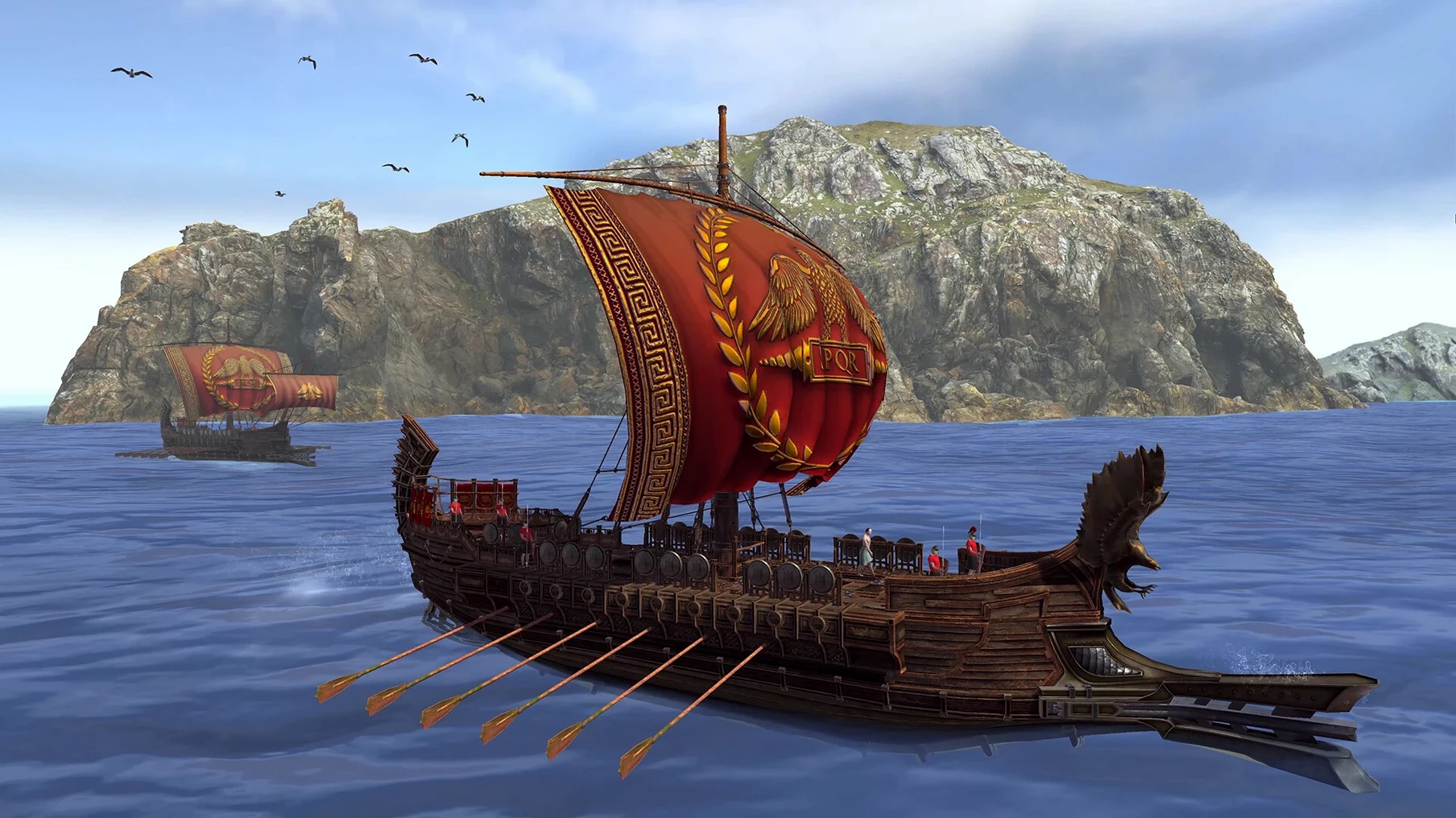
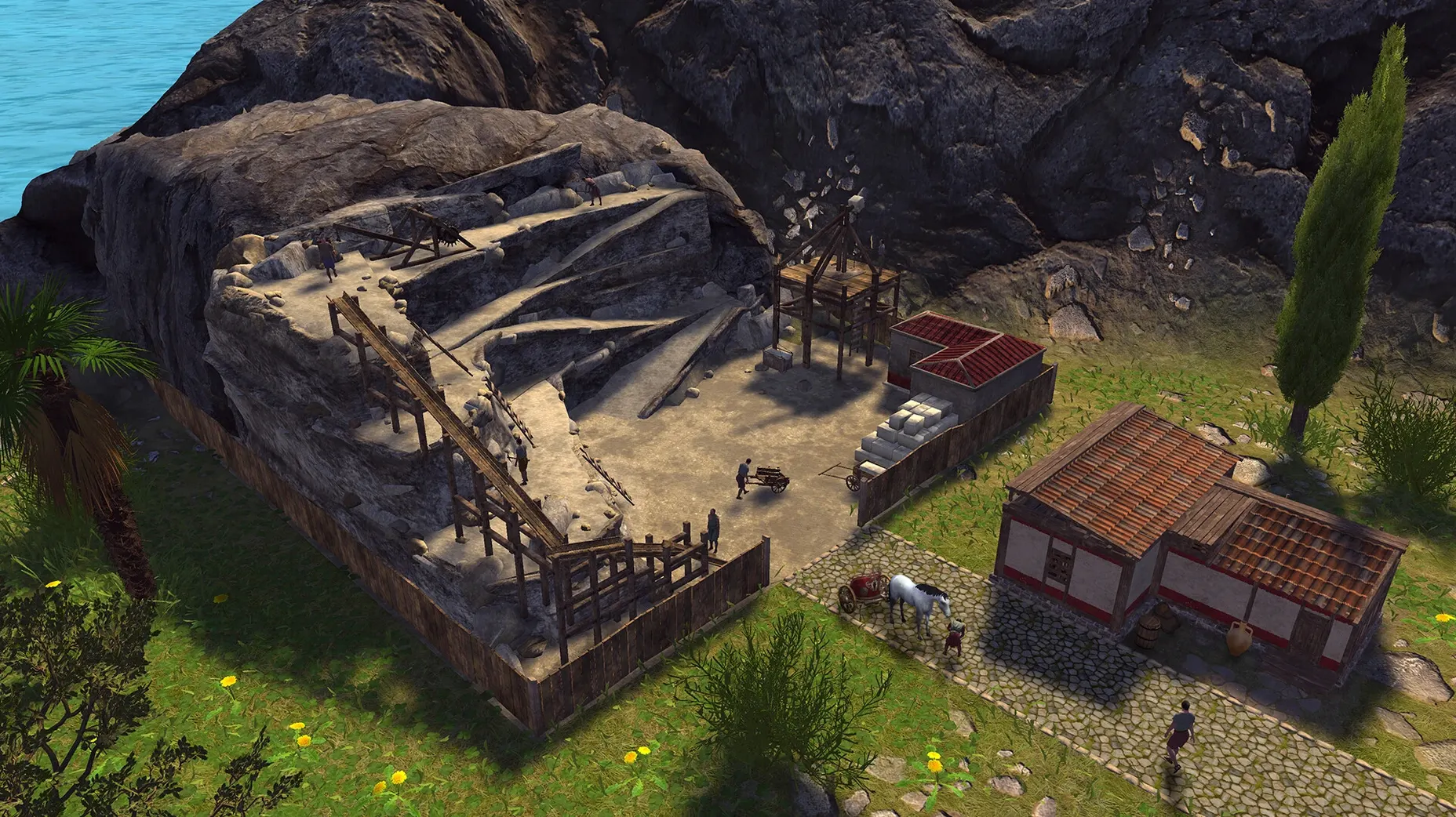
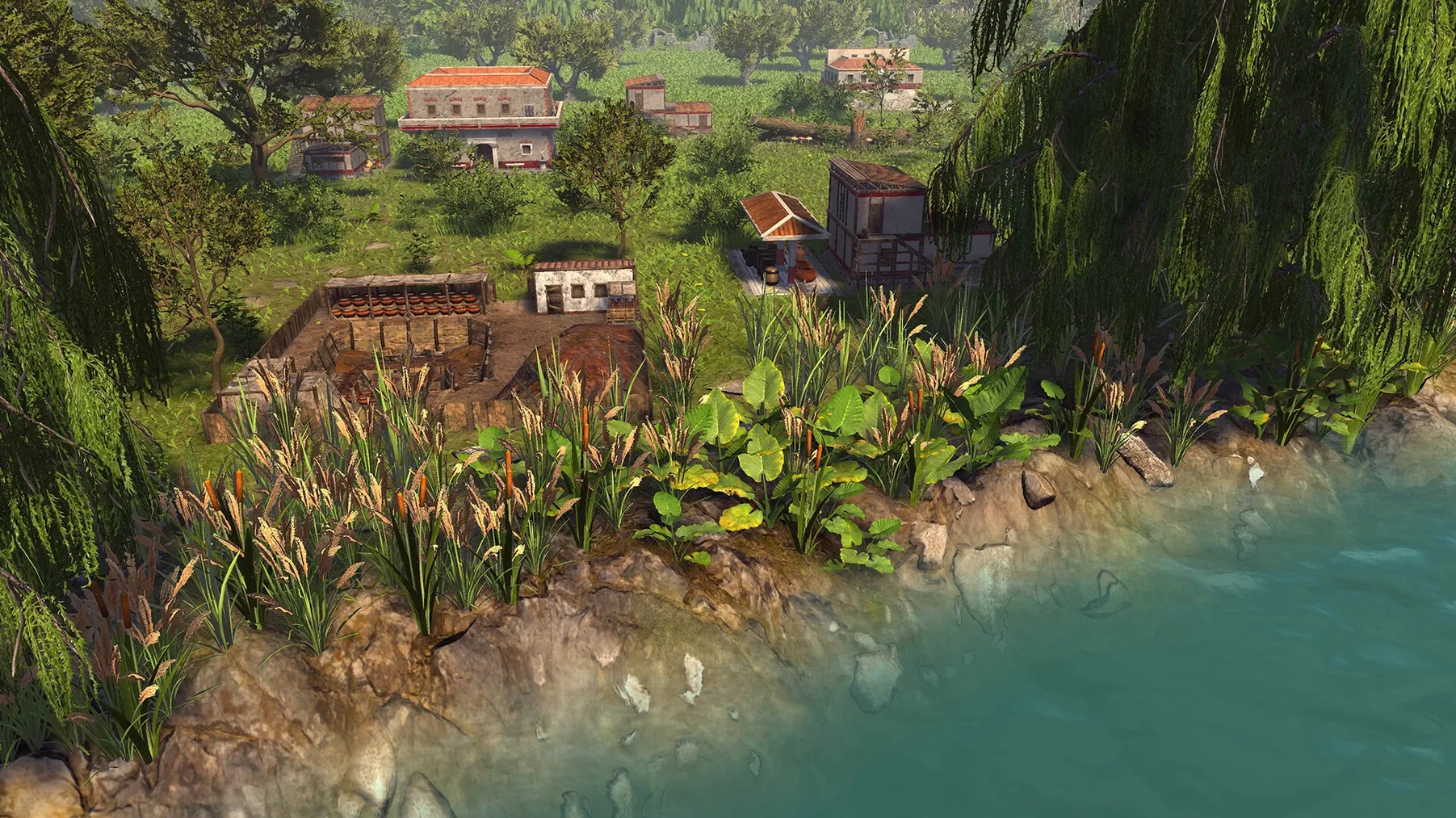
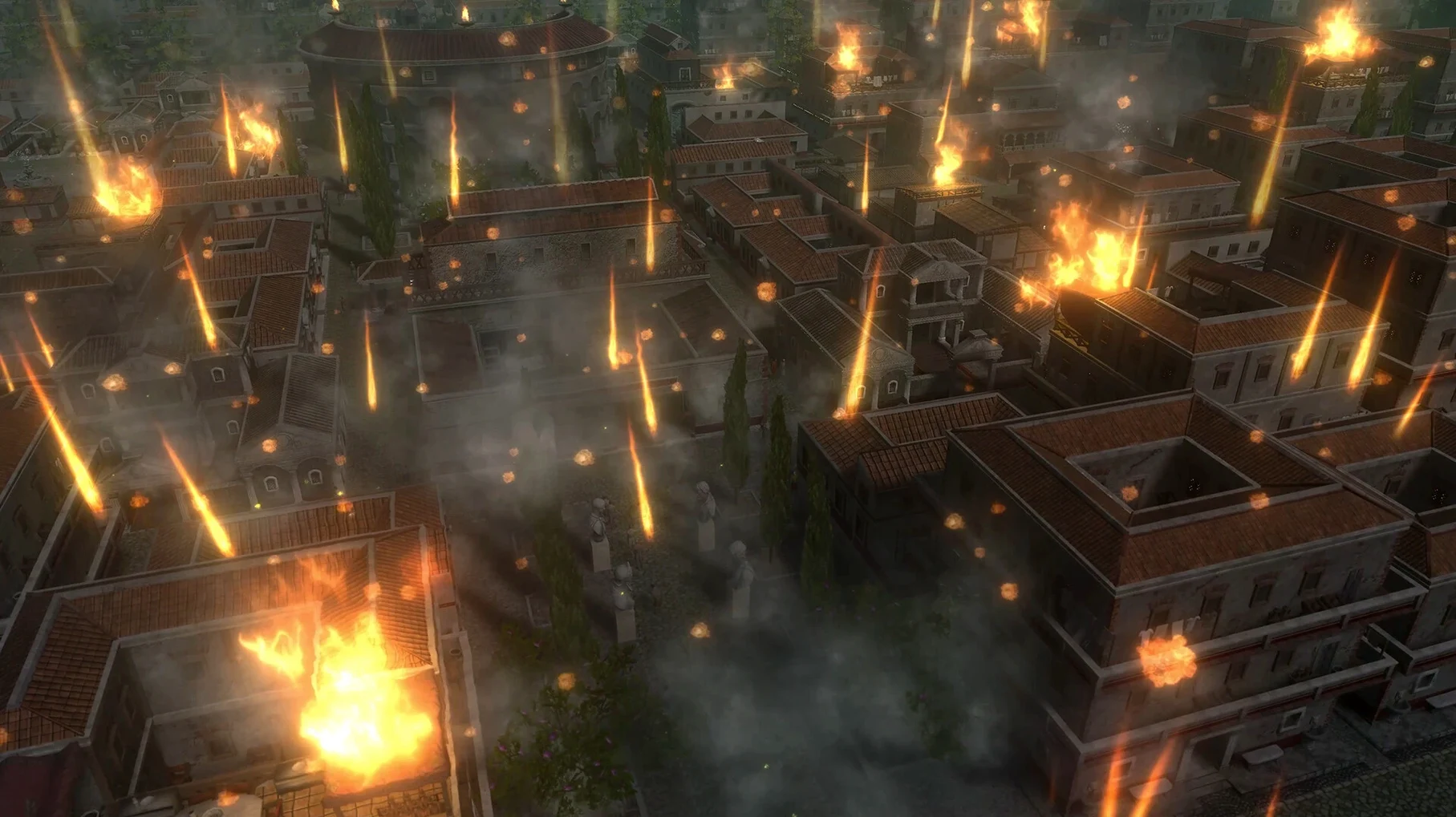
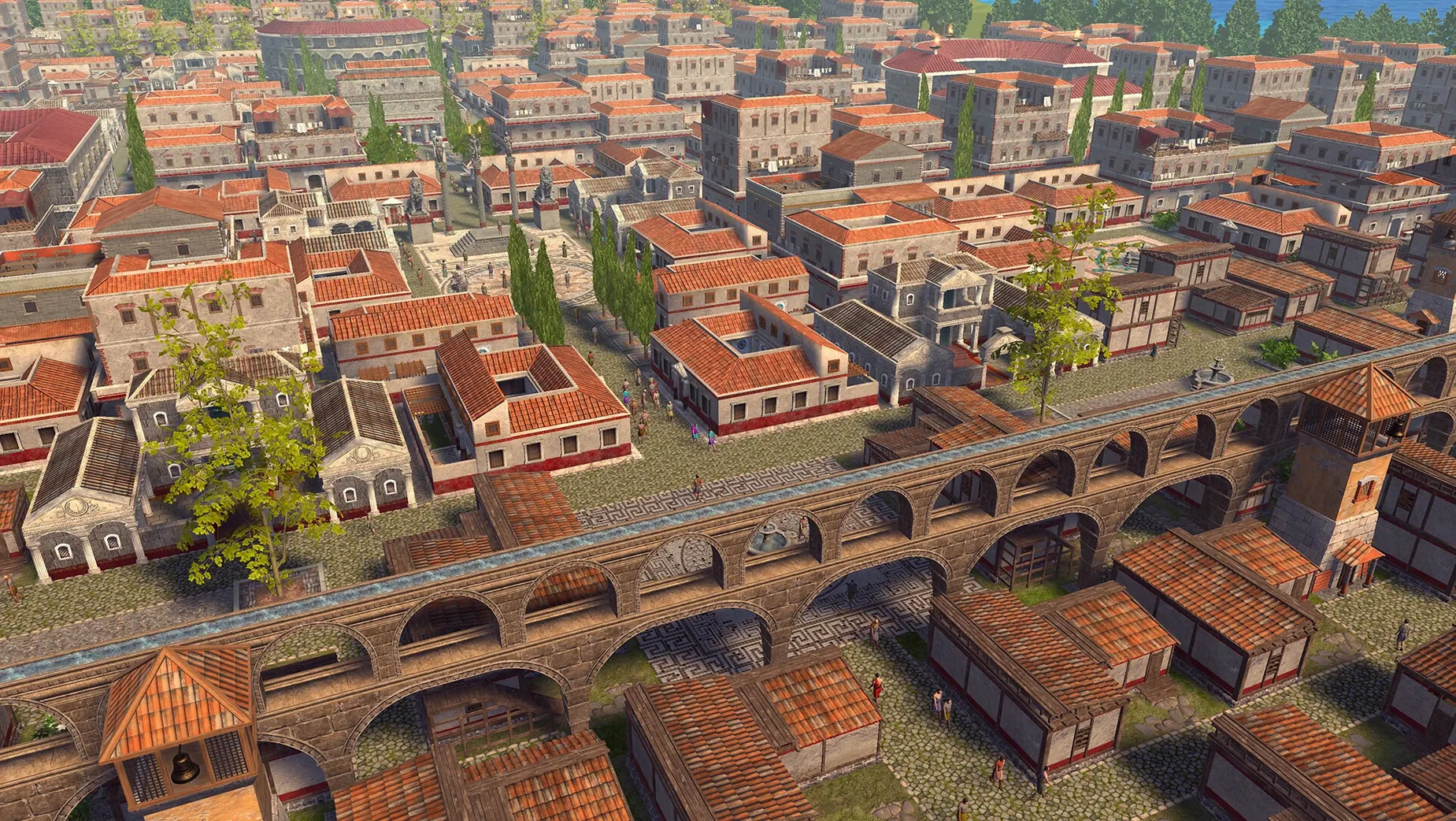
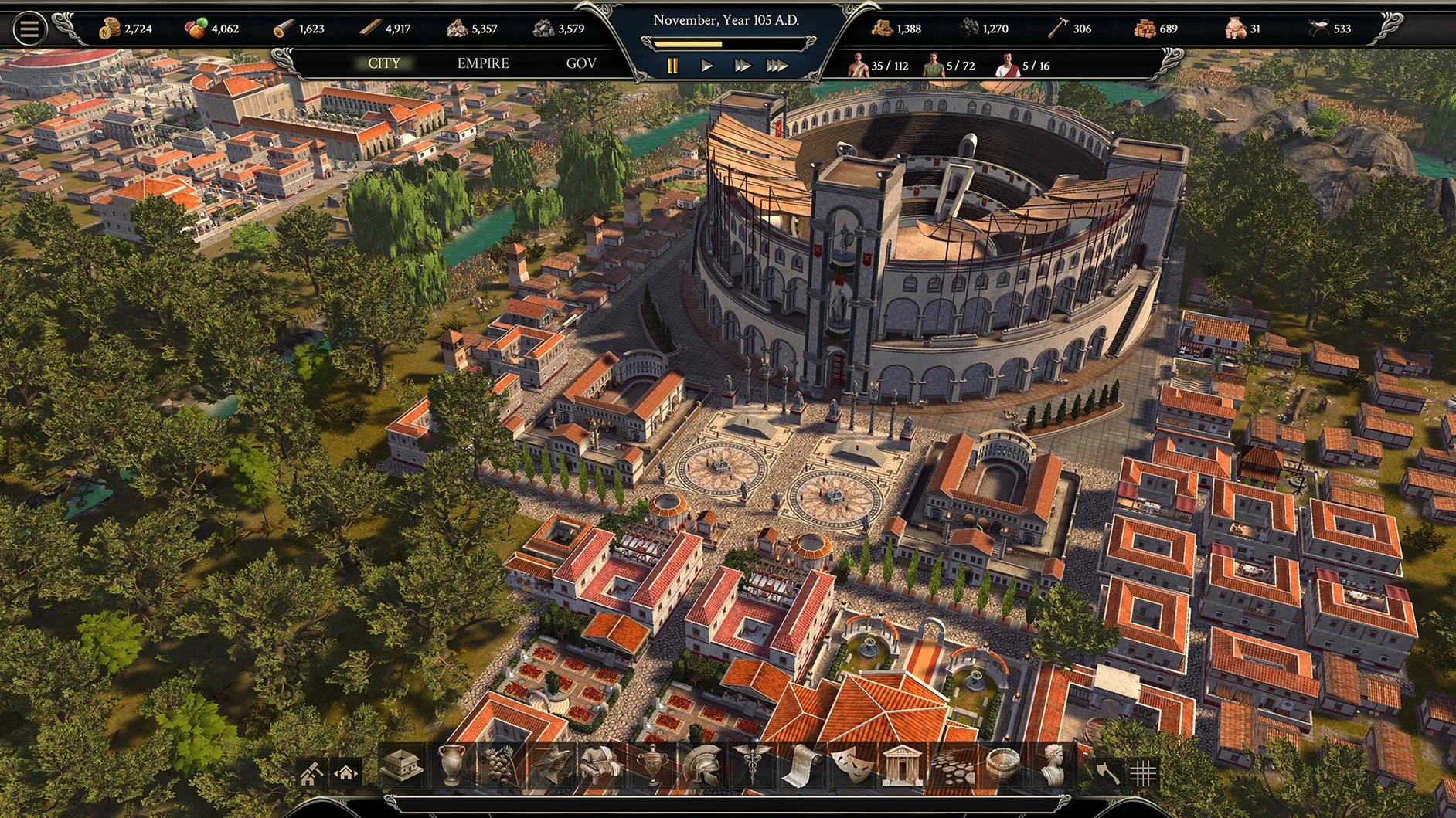
You place the first insula on a stretch of ash-grey coast, twenty years after Vesuvius buried the city. Families trickle in, a clay pit opens, and the long work of turning a disaster zone into a functioning Roman settlement begins. Time in Pompeii: The Legacy is measured in slow seasons and generation-spanning events, not frantic clicks.
- Who will stay. The campaign stretches across 200 years. Events unfold at a considered pace, asking you to balance housing, production chains and trade agreements without an undo button. It suits players who enjoy watching a city grow layer by layer, not those looking for immediate payoff.
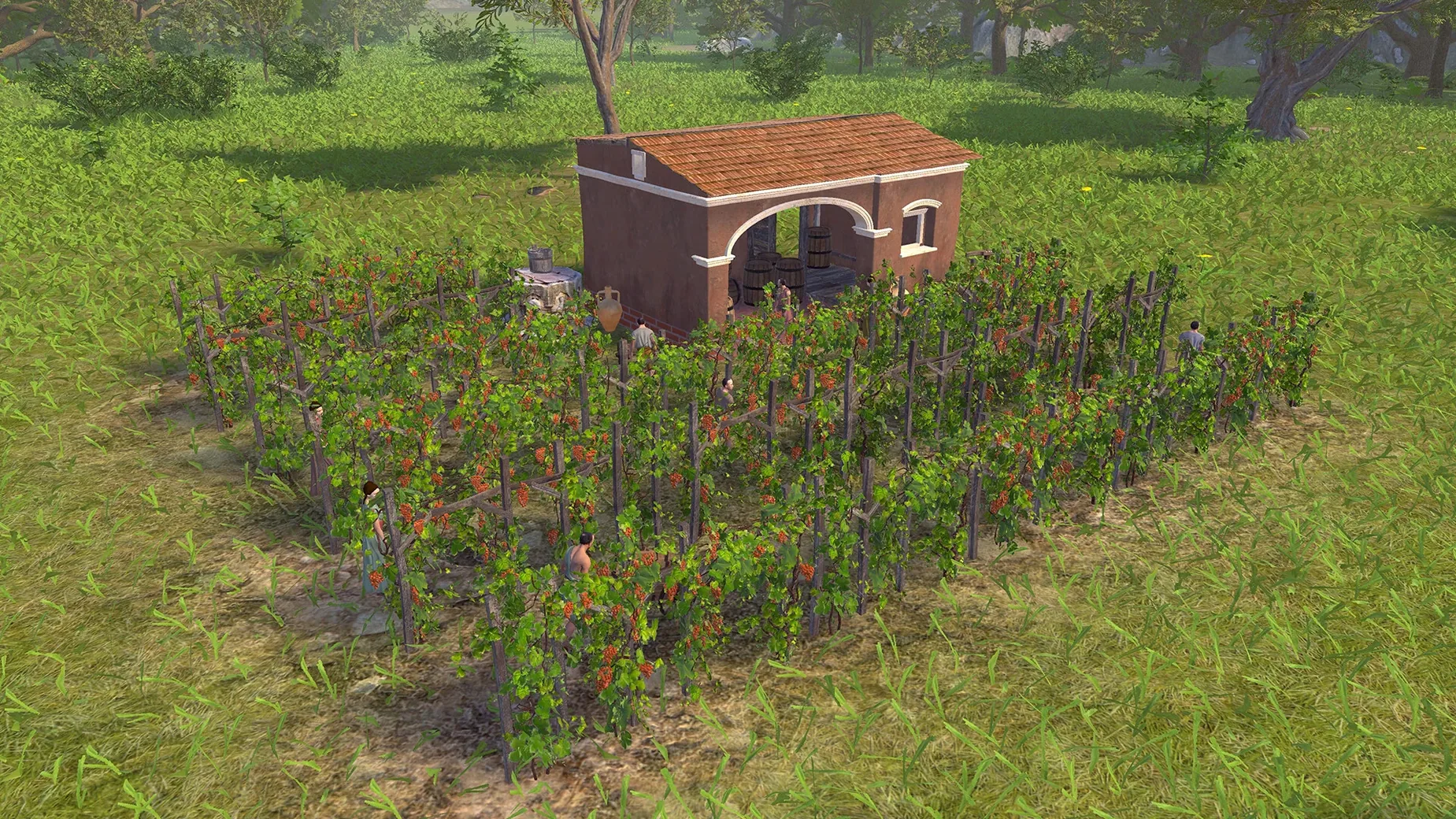
- Trade as a puzzle. Establishing routes and negotiating agreements is central. Market management means juggling surplus olive oil against imported marble, and a broken link in the chain can stall a district for years.
- Technology with conditions. The tech branch unlocks upgrades and passive bonuses, but progress is tied to resources and population. You cannot rush to aqueducts without first sorting out basic sanitation.
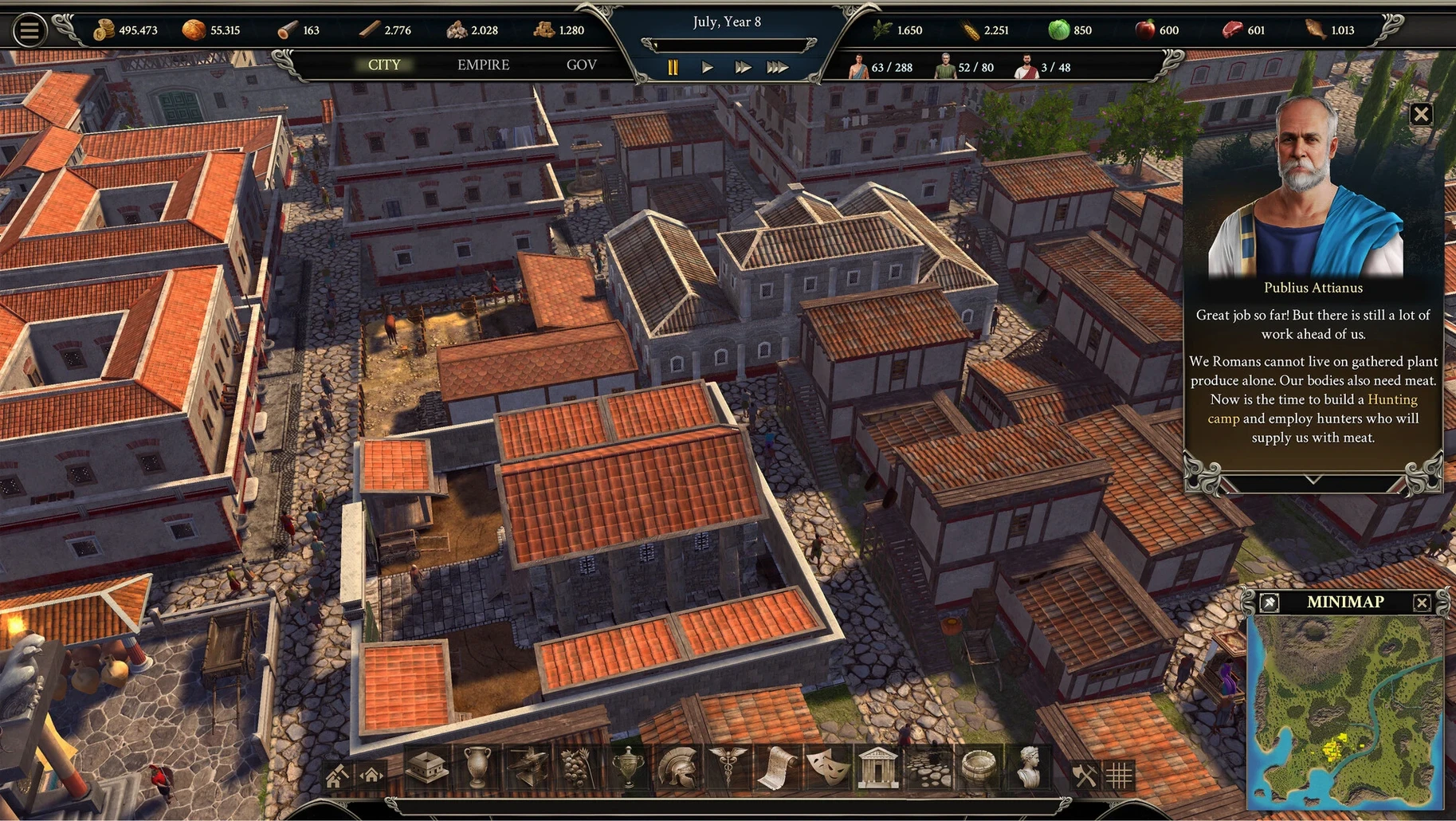
- A quiet visual language. The interface uses a clear Roman-era palette and straightforward menus. It explains its systems without over-tutorialising, though the Wineskin wrapper on Apple Silicon means the first launch sometimes needs a small fix.
- Who might bounce off. The lack of a sandbox mode and the fixed historical framing can feel restrictive. Players who want to build without a narrative clock ticking in the background will find the campaign structure confining.
The reward lies in seeing a ruined coastline become a province that trades, researches and endures. It is a builder for the methodical, not the restless.
A six-season water expansion: one small workflow
The city is growing and a cluster of villas on the eastern ridge has begun complaining about dry fountains. Building an aqueduct spur takes six seasons, but the real work starts before the first tile is laid. First, open the water overlay and note where existing pipes stop. You need two clay pits running at full output and at least one warehouse storing bricks within a short cart distance. Assign a family member with a construction bonus to oversee the project, otherwise the build time stretches closer to ten seasons.
While the spur goes up, the reservoir at the base of the hill must be upgraded to handle the new flow. That means diverting workers from the olive press for a full year. The press runs at half capacity, the oil surplus dips, and a trade ship from Ostia sits idle in port for a season because you cannot fill its quota. The game does not punish you with a game-over screen, but the missed income echoes into the next tax cycle.
Once water reaches the villas, check individual household panels. Three houses still show a low-water icon because elevation blocks the pressure. The solution is a small holding tank on the ridge, not a complete re-pipe. Placing it correctly takes two attempts because the terrain slope is not obvious from the top-down view. The whole project, from overlay inspection to the last villa reading green, spans roughly two in-game years. The lesson is that infrastructure in Pompeii: The Legacy is never a single-build action; it is a chain of dependencies that pulls on labour, storage and trade.
Compared with three similar builders
The obvious comparison is Caesar III, and players who remember dragging an aqueduct through a cramped block of insulae will recognise the spirit. Pompeii: The Legacy borrows the same layered infrastructure logic, but it swaps the military-campaign overlay for a generational family system. Where Caesar III asks you to meet imperial demands or face legionaries, Pompeii asks you to keep a family name alive across two centuries. The pressure is quieter, but no less present.
Banished shares the slow-burn survival arc and the absence of combat. Both games punish poor planning with starvation and exodus. The difference lies in scale and texture. Banished is a frontier settlement with no external trade at the start; Pompeii sits inside a vast empire and trade routes are available almost immediately. Banished feels lonelier. Pompeii feels connected, even when the mountain rumbles.
Nebuchadnezzar is a closer mechanical cousin, with its warehouse districts, market radii and multi-step production chains. However, Nebuchadnezzar leans into a puzzle-like, objective-driven structure, while Pompeii spreads its goals across narrative time. You are not solving a map as much as shepherding a lineage. The interface in Pompeii is less ornate but easier to parse at a glance, though the Wineskin layer on Apple Silicon introduces small quirks — occasional window-placement oddities on a secondary display, for example — that native builders do not share.
Insulae collapse without water and temple coverage
New players tend to treat housing like a queue to be cleared, dropping new insulae as soon as population ticks up. The mistake is forgetting that each block needs water, market access and temple coverage or it degrades into a slum within a few years. A better rhythm is to build one district at a time, get every service icon green, then expand. The game does not reward speed; it rewards completeness.
Another common fumble is ignoring the philosophy branch entirely. The technology tree produces visible upgrades — stronger bridges, deeper mines — so it draws the eye. The philosophy branch deals in management tools, imperial edicts and passive trade buffs that feel abstract but compound over a 200-year campaign. Skipping it leaves you with a physically impressive city that bleeds money through inefficiencies you cannot see.
A third pitfall is stockpiling goods without checking storage decay. Perishables left too long in a basic warehouse rot, but the alert is easy to miss among the season-change notifications. Rotating stock through the market, even at slim margins, is smarter than hoarding. The game expects you to keep goods moving, not sitting.