Aspecten
 Download (616 MB)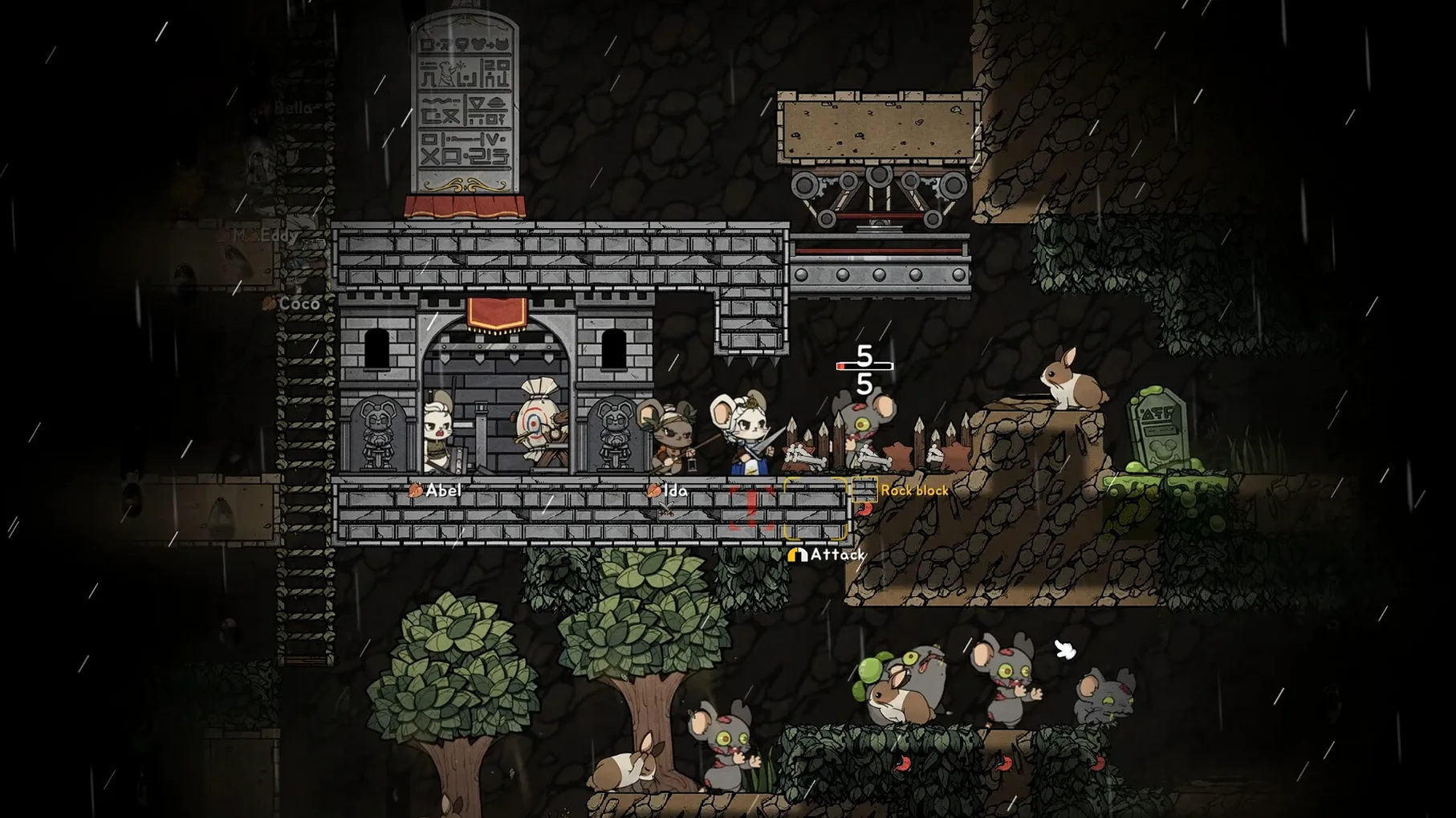
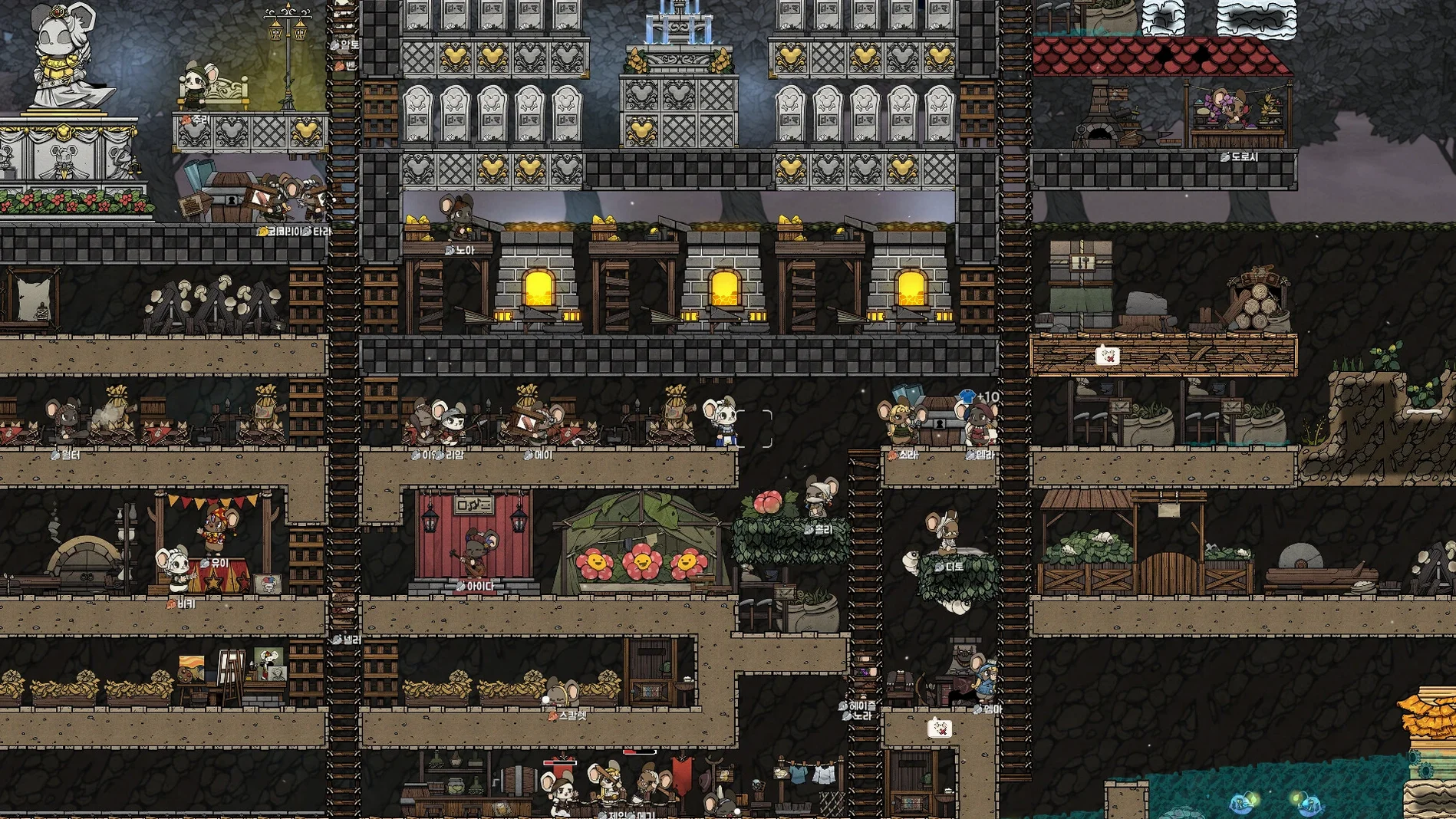
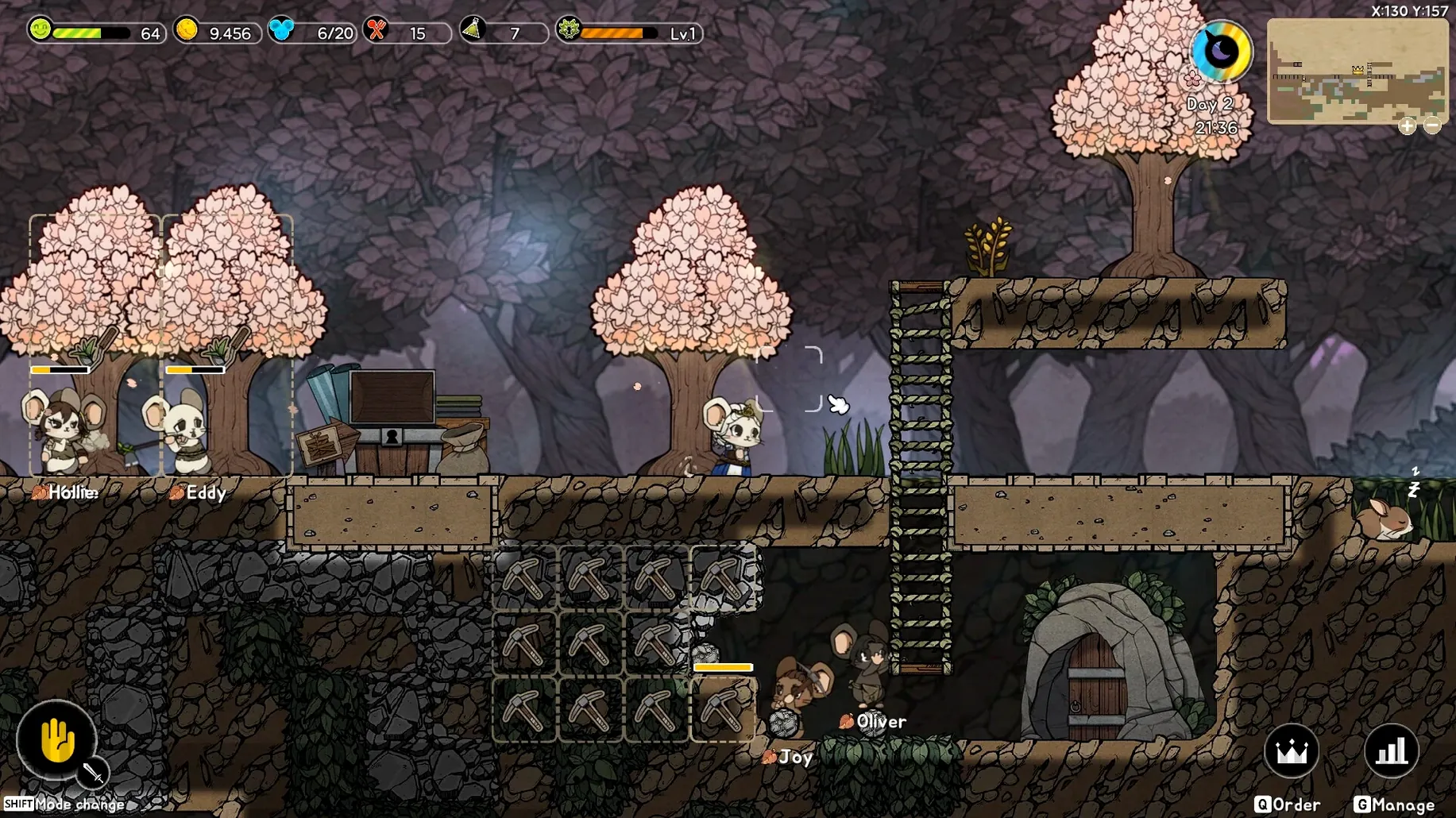
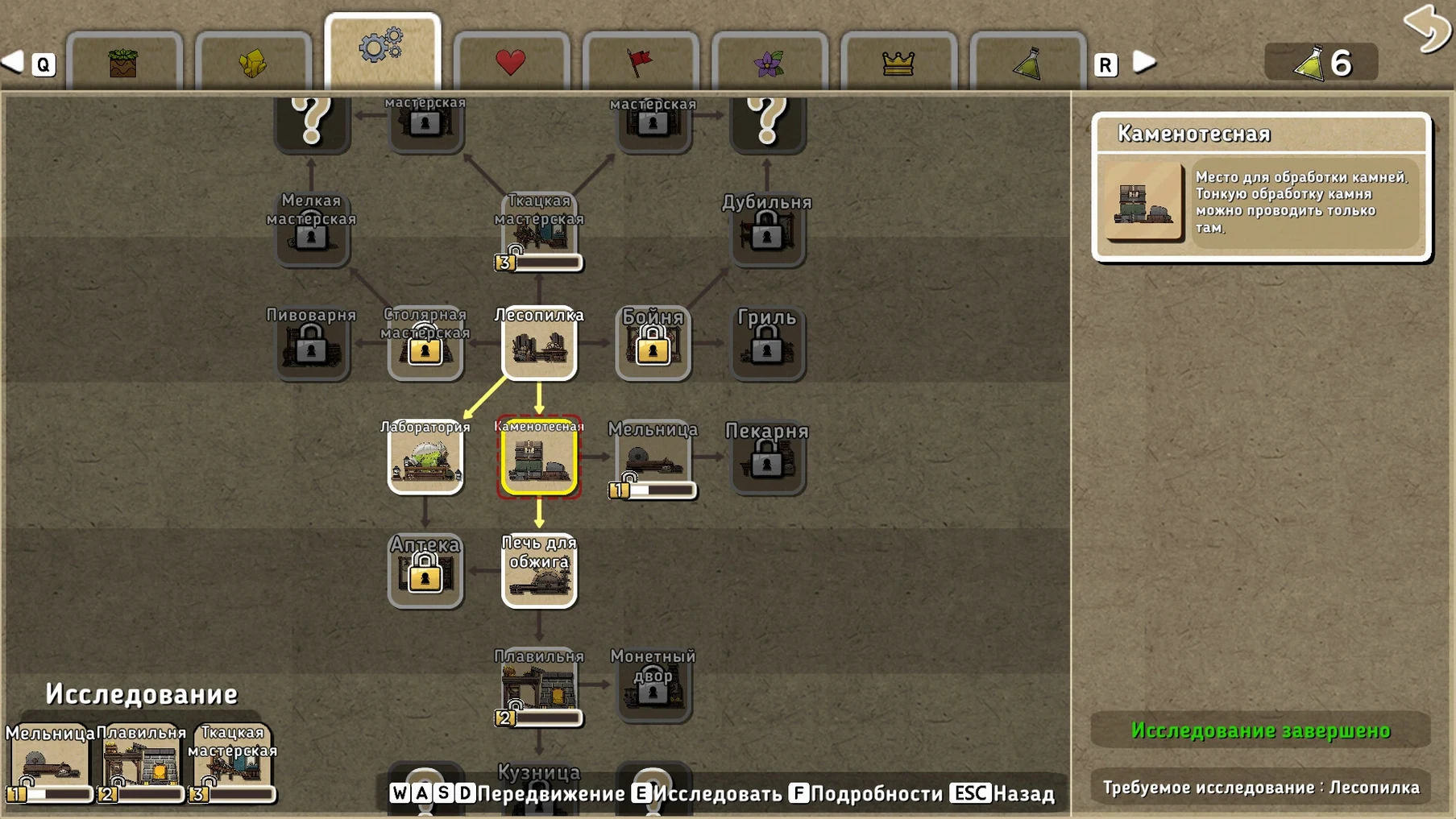
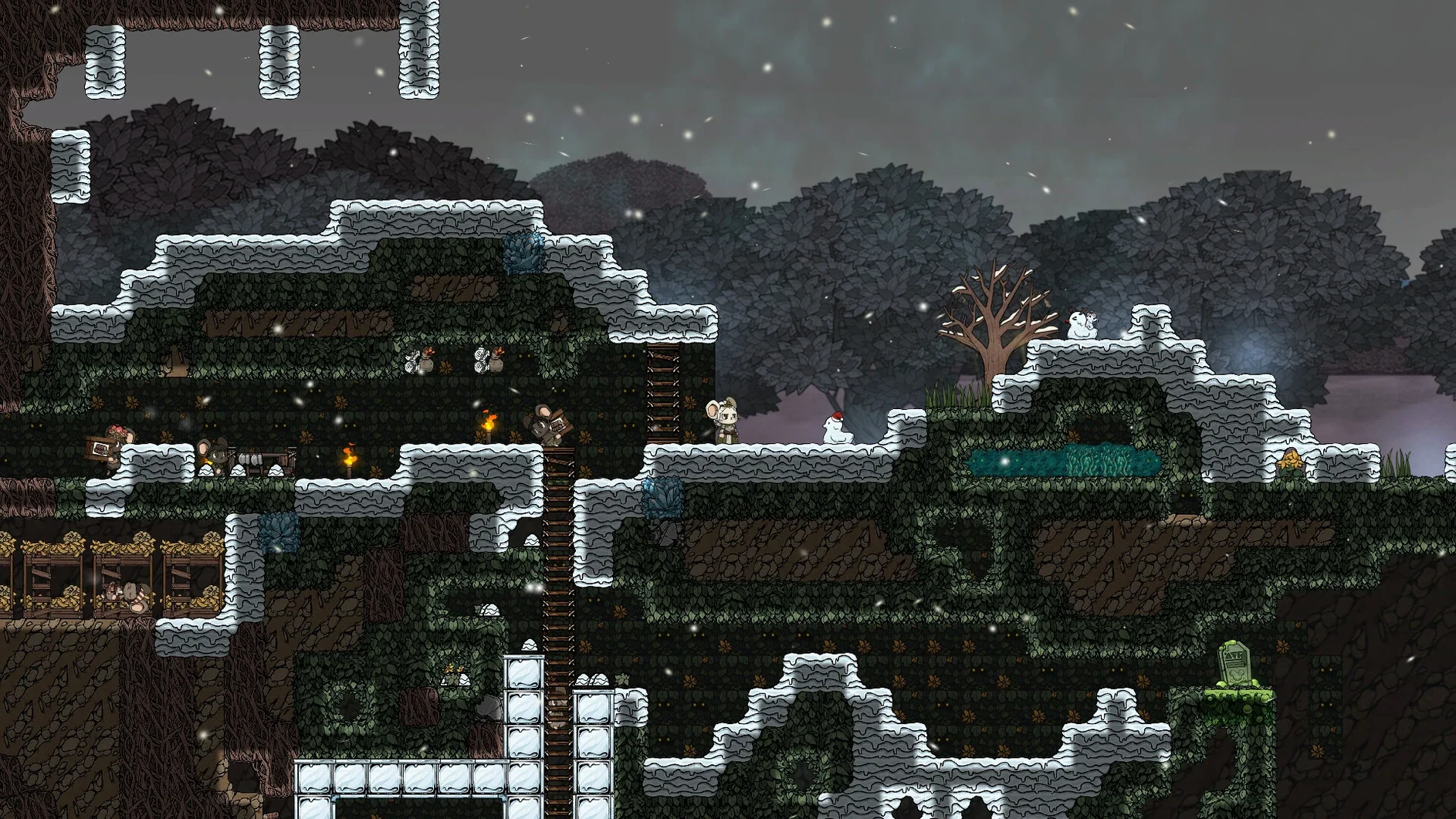
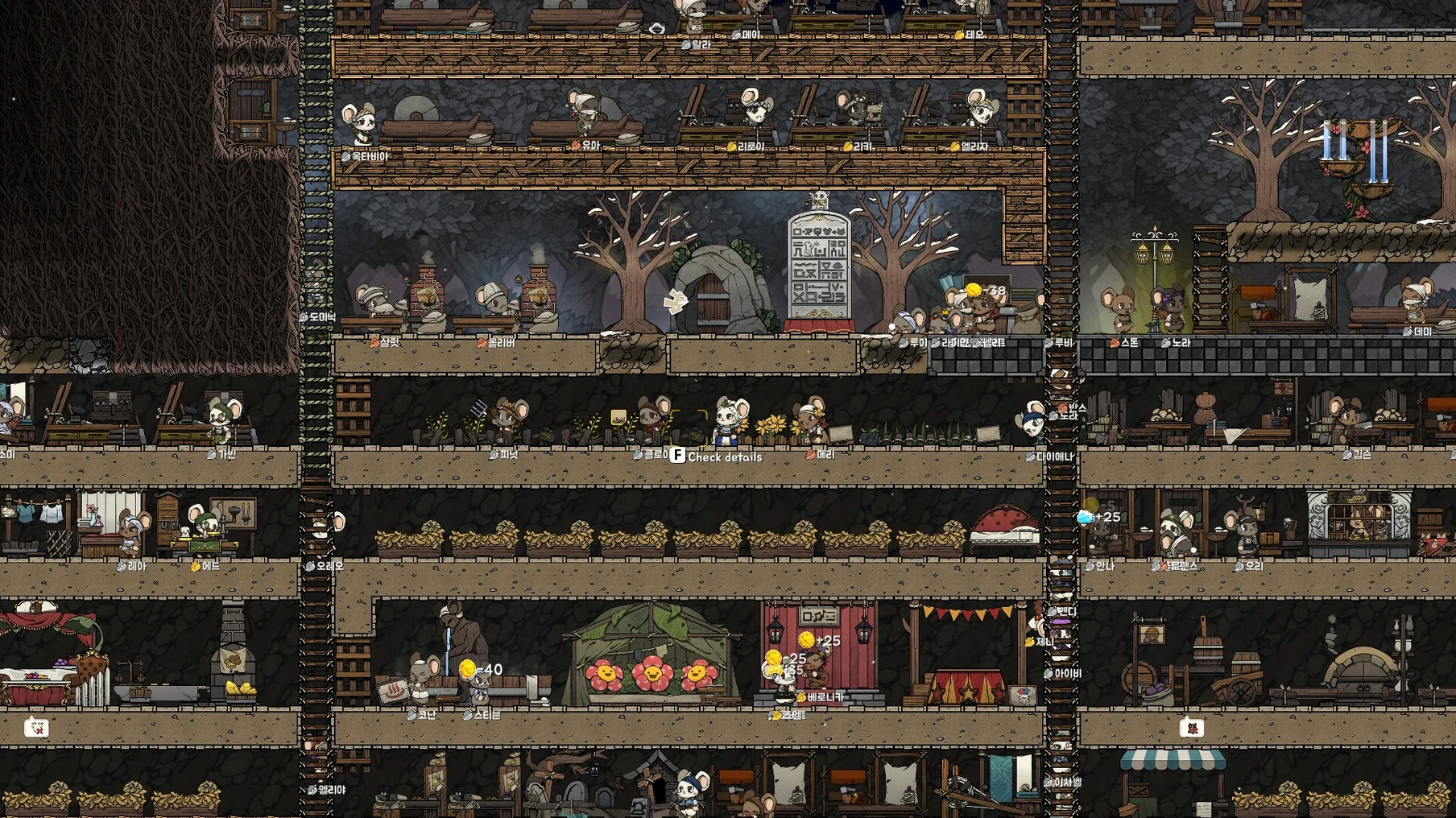
Ratopia is a city-building survival game where the minutes fill with small, concrete decisions about your rodent citizens and the colony that keeps them alive.
Construction — You dig, shape rooms, and place production buildings tile by tile. Every block of space matters because your rats need paths to walk, places to work, and room for their own property.
Resident management — Each citizen arrives with individual characteristics and owns personal property. You watch their needs, assign work, and provide services to keep them content enough to stay productive.
Policy and consequence — Minutes are spent setting laws that ripple through the colony. A tax change or a work rule can prevent a social disaster or accidentally cause one, and you see the result in the behaviour of individual rats.
Expeditions — You send teams beyond the colony to search for the remains of ancient rats. A great expedition can return with resources that shift your city's whole outlook, but the trip itself happens out of sight while you handle things at home.
Building a stable food economy — a workflow
A colony in Ratopia lives or dies on food. Here is one repeatable sequence for getting a basic food economy running during the first hour of play.
- Dig a modest chamber near the colony entrance and designate it as a farm room. Keep it small — three or four tiles wide — so your rats spend less time walking.
- Place a farm plot and assign one resident with a farming trait if available. A rat with poor farming skill will still work, but you will see the difference in harvest size within a few cycles.
- Build a storage pile directly beside the farm room. The shorter the walk from harvest to storage, the fewer spoilage events interrupt your planning.
- Next, dig a kitchen space and place a simple cooking station. Link it to the storage pile via a direct hallway — no sharp corners — to keep delivery times low.
- Assign a second resident as cook. Watch their energy bar closely. When it dips, their output slows and your raw ingredients sit unused while hunger creeps up elsewhere in the colony.
- Open the tax panel and lower food taxes to near zero for the first few days. Rats who pay less tax on essentials keep more nutrition for themselves, which means fewer medical emergencies and steadier work attendance.
Once this loop stabilises, you can layer on variety: a second crop type, a mill for processed goods, a dedicated hauler to move meals from kitchen to dormitories. But the core pattern — grow, store close, cook close, tax lightly — remains the same. Every extra corridor you add reduces efficiency. The colony rewards short, obvious paths over grand architecture.
Policy tinkering through individual rat care
Ratopia asks you to care about individuals, not just population counts. That tilt makes it unusually satisfying for a few specific kinds of player.
Strategy players who enjoy policy tinkering get the deepest return. The tax and law systems are granular enough that you can spend a whole session adjusting one policy and watching how it reshapes behaviour across three social tiers. Someone who liked the edict system in Frostpunk but wished it reached further into citizens' daily routines will find that here.
City-builder fans tired of zoning abstractions also connect quickly. There are no sweeping district tools — you place every room, every storage pile, every bed. The satisfaction comes from watching a rat walk the path you dug and use the facility you placed for exactly the reason you intended.
Survival-game players looking for longer arcs will appreciate that failure is rarely sudden. A colony declines through accumulated small mistakes — a badly placed staircase, a forgotten tax exemption, an expedition that left too many jobs unfilled. Recovering from that slow collapse teaches more than restarting ever does.
Less well served are players who want rapid expansion without consequence. Ratopia punishes building too fast by stretching your workforce thin. A player who lays out ten rooms before staffing three will watch rats ignore distant tasks while nearby needs go unmet.
What the 1.0 launch changed for everyday play
The move from early access to version 1.0.0600, with the Steam release on 30 April 2025, brought the game to a finished state. For daily play, the biggest shift is simply that systems no longer trail off into placeholders. Expeditions now return with consistent, meaningful loot that integrates into the city economy rather than sitting as curiosities. Policies that previously had incomplete descriptions now explain their full chain of effects, so you set laws with fewer unpleasant surprises.
Performance on Apple Silicon is steady on the tested configuration, and the app runs natively on both ARM and 64-bit Intel Macs without Rosetta intervention. Interface language support covers Russian, English, German, Traditional and Simplified Chinese, Korean, French, and Japanese — voice work remains in English only.
The stability of the full release also means that long-running colonies, the kind that span dozens of hours, no longer drift into imbalance from untuned resource curves. A rat born into your colony at hour thirty behaves by the same rules as one born at hour two. That consistency makes the difference between a game you restart out of frustration and one you keep running because the problems are genuinely yours to solve.