Aspecten
 Download (1.4 GB)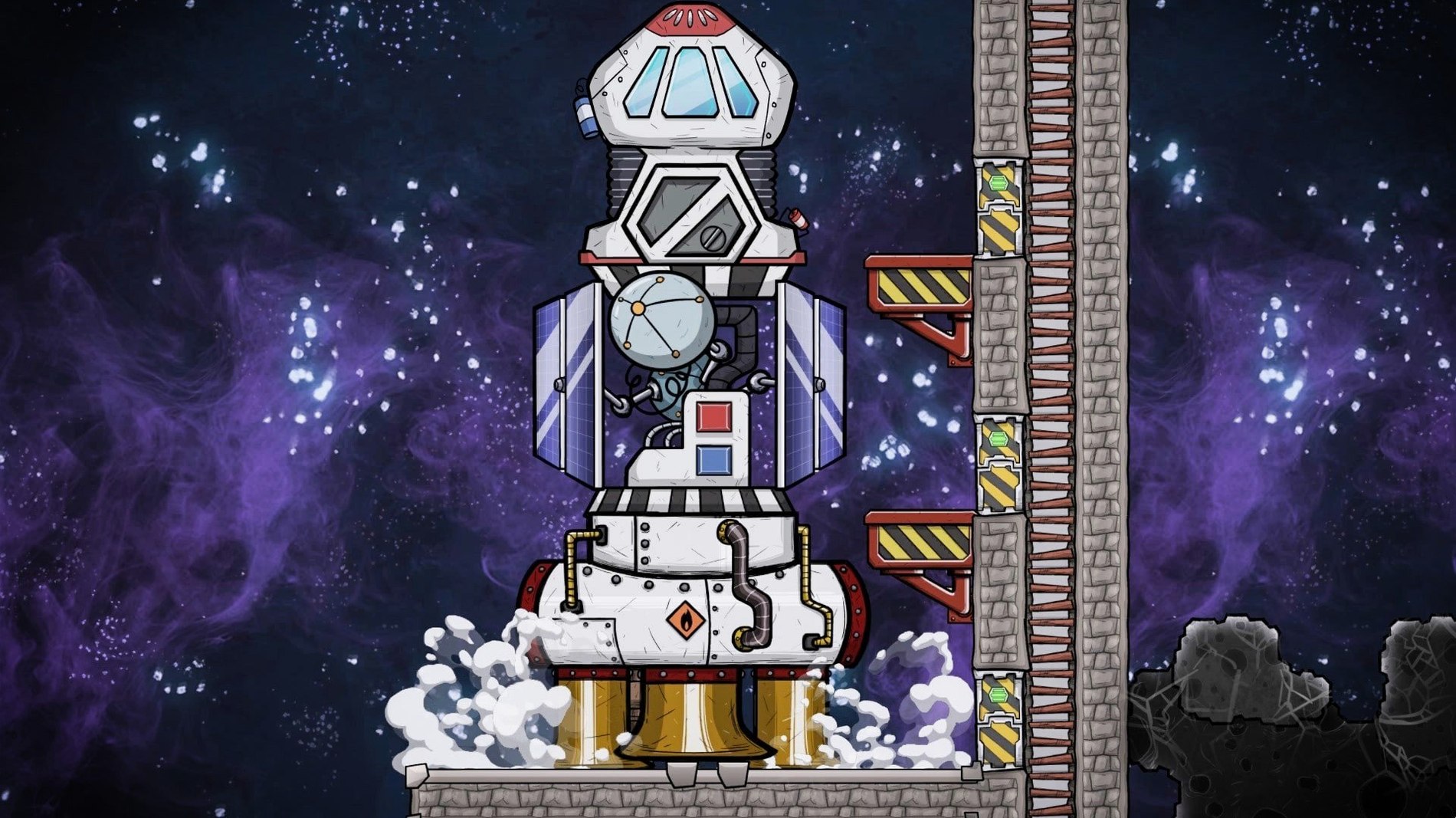
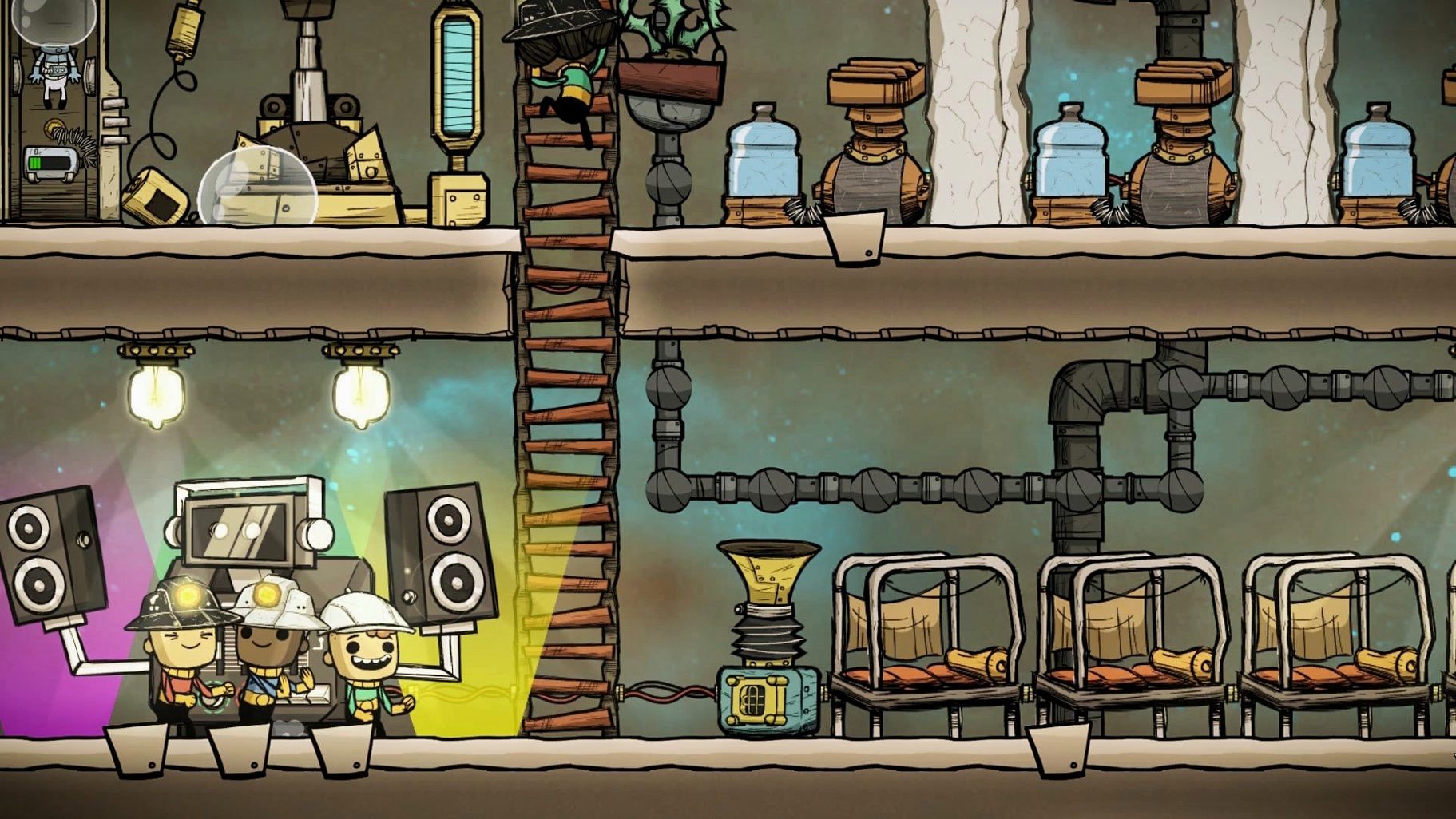
Runs natively on Apple Silicon and Intel Macs
Oxygen Not Included runs on both Intel and Apple Silicon Macs. It is available in English, Russian, Simplified Chinese, and Korean.
1. Choosing Your Start
Each game begins by selecting an asteroid. This single choice dictates what minerals, gases, and thermal hazards you will face, pushing different players towards a careful, tailored approach to base-building from the very first cycle.
2. The Duplicant Equation
Colonists arrive with individual character traits. One might be a binge-eater, another gets stressed by lack of decor. Their skills develop over time as they perform tasks, so a duplicant who digs becomes a specialist. Managing these delicate psychological profiles while keeping them breathing makes the simulation feel alive and brittle.
3. Expanding the Frontier
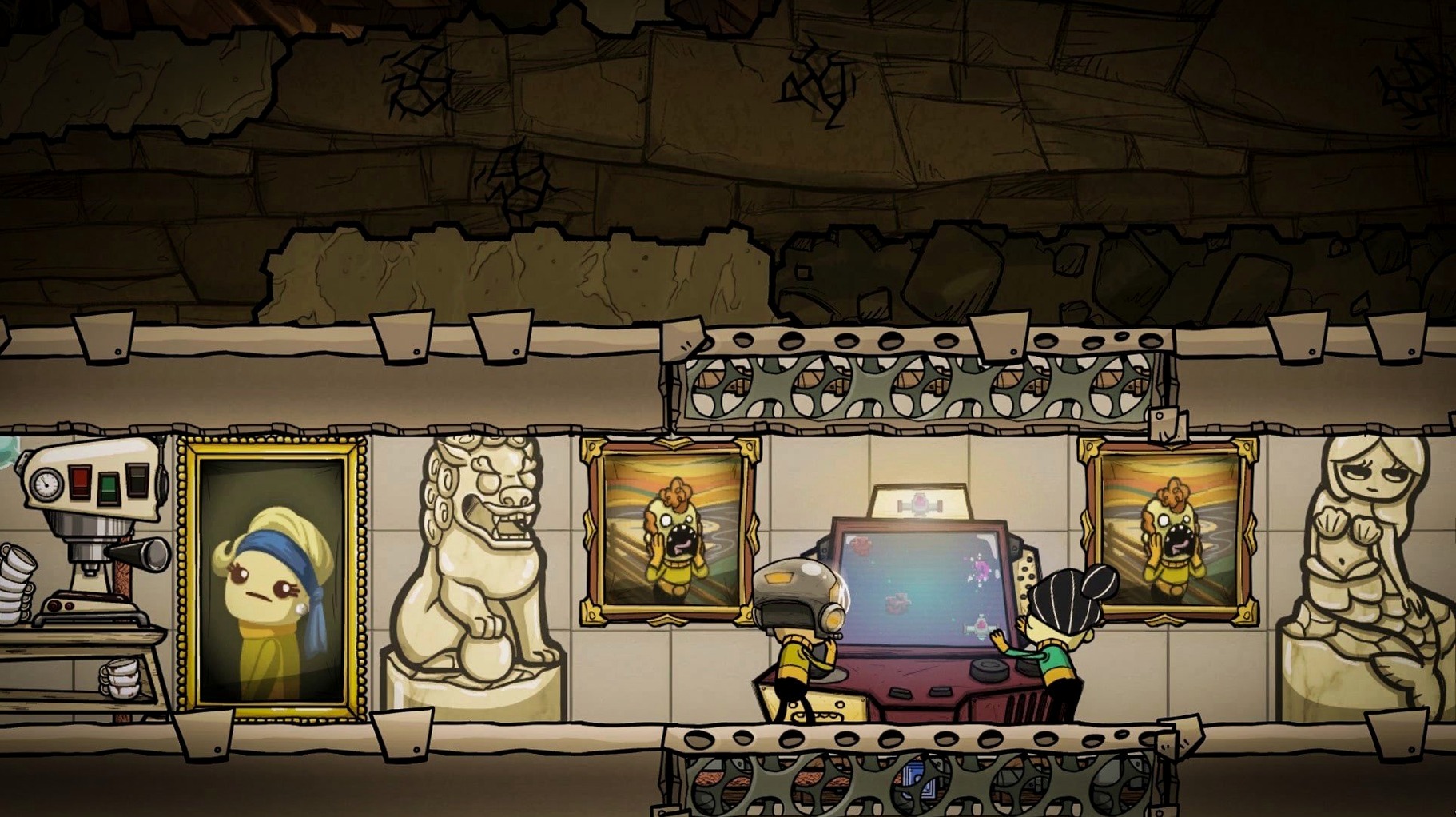
Self-sufficiency demands leaving the safety of your base. You need to mine minerals in nearby ravines to locate new materials. Without this risky expansion, your technology plateaus and morale drops, especially once colonists begin needing a relaxation machine to manage the stress of all this labour.
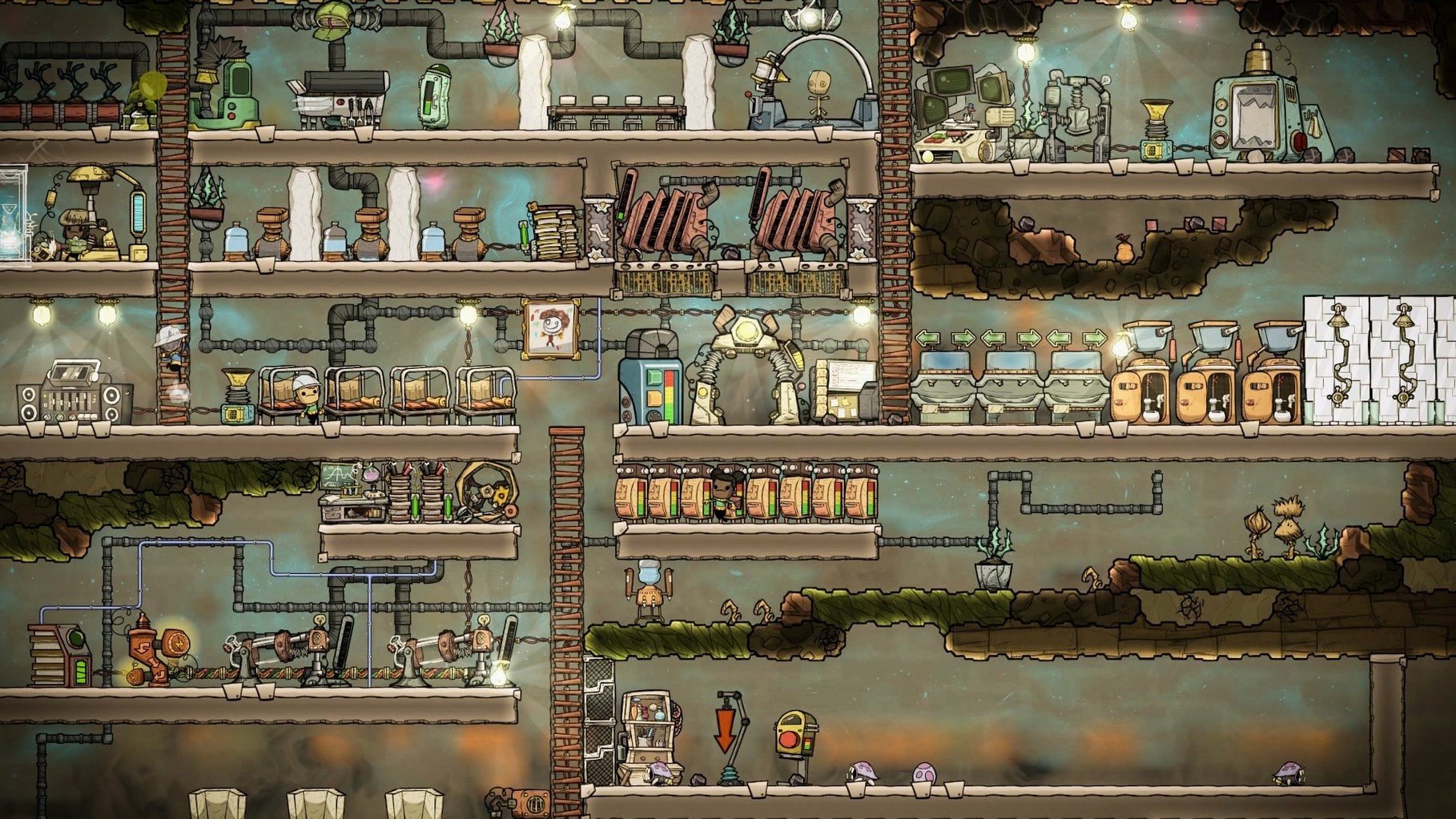
Overlapping gas, liquid, and heat systems reward patience
A methodical problem-solver will appreciate this hardcore survival simulator. It rewards careful observation and patience with complex overlapping systems of liquids, gases, and heat. Someone looking for a fast-paced or goal-oriented game might find the sheer number of slow-moving variables a limitation; the game is about managing barely controlled failure, and progress can take many hours.
Performance and Stability
On a Mac with Apple Silicon the game settles around 60 fps during the early cycles, dipping to 40–45 once the base spans several screens and gas mixing gets heavy. An Intel Mac handles the mid-game similarly, though late-stage colonies with hundreds of tiles of pipe and ventilation will push the frame rate lower on either architecture. Version 744825 brought a small but noticeable improvement: a navgrid memory leak was patched, so marathon sessions no longer accumulate the creeping slowdown that used to appear after four or five hours. Texture optimizations in the same release also trimmed graphics memory use, which helps on machines with shared memory.
Stability is solid. Crashes are rare outside of modded installs. The liquid rendering fix for older graphics cards cleaned up a visual glitch that could make water tiles flicker or disappear entirely. The only persistent quirk is that saving during an autosave cycle sometimes stalls the interface for a second — best to let the indicator finish before hitting the manual save button.
Resource use sits around 1.2–1.8 GB of RAM for a typical colony, climbing past 2 GB when thousands of debris items litter the map. CPU load stays modest because the simulation runs on a fixed tick rate rather than chasing the frame clock. The larger drain is thermal calculations: once you breach the magma biome, the heat-exchange model starts working harder and you will feel it on a passively cooled laptop.
Interoperability and macOS Integration
Oxygen Not Included plays well with other Mac conventions. It supports native fullscreen and Split View, though Split View is not practical given the dense UI. The game pauses when you switch spaces, and audio ducks correctly. Save files live in a flat folder inside ~/Library/Application Support, which makes manual backups or transferring a colony to another Mac straightforward — just copy the numbered .sav files.
Clipboard interaction is limited to text fields for colony and duplicant renaming; you cannot copy a pipe layout between save files. Steam Workshop mods sync without issue on the Mac version, and the local mods folder respects the same structure as the Windows build. If you downloaded an oxygen not included torrent or used an oxygen not included mac download from outside Steam, modding still works as long as the folder hierarchy is preserved.
A Self-Sustaining Bathroom Loop — Start to Finish
A common early milestone is closing the bathroom loop so duplicants stop making a mess and wasting clean water. Here is one way to do it from cycle one:
- Build two outhouses and two wash basins. Place them in a small room with a manual airlock door. The room bonus kicks in and morale gets a small lift.
- Research plumbing as the first tech. While the researcher works, dig a small pit three tiles deep a short distance from the latrine and line it with tiles to create a reservoir.
- Once plumbing completes, demolish the outhouses and basins. Place a lavatory and a sink in the same room, then run a pipe from the lavatory output into the reservoir. Lavatories produce more water than they consume, so the loop is water-positive.
- Connect a liquid pump inside the reservoir to a water sieve sitting above it. Run the sieve output back to the lavatory and sink inputs. Add a liquid bridge on the clean-water line to prevent backflow.
- Run the sieve's polluted dirt output onto a storage tile near your compost heaps. Power the pump and sieve with a manual generator and a single small battery.
After ten cycles the reservoir will start backing up with excess clean water. Branch the overflow into a liquid vent above a secondary tank or into an electrolyser setup later. The entire loop costs 60 refined metal for the pump and sieve, uses no external water, and removes the hygiene problems that cascade into stress and disease. The gasket fix in version 744825 means deconstructing a misplaced sieve no longer drops the wrong element, so re-routing pipes mid-build is safer than it used to be.
Printing extra duplicants before building your oxygen supply
- Printing too many duplicants early. The printing pod tempts you to grow fast. Each extra mouth accelerates oxygen and food consumption before you have the infrastructure. Six is a comfortable cap until cycle 50 or so.
- Ignoring heat until crops stifle. Mealwood stops growing above 30°C. New players often plant farms next to the starting battery bank, which radiates enough heat to kill the colony's food supply by cycle 30.
- Mixing gases carelessly. Carbon dioxide sinks, hydrogen rises. Digging a wide-open base without airflow tiles traps CO₂ at the bottom and starves sleeping duplicants of oxygen. A simple pit below the cots solves this.
- Letting stress cascade. One stressed duplicant vomits or breaks machinery; the mess stresses others. Beginners often miss that the massage table and room bonuses are reachable within the first twenty cycles and prevent this spiral entirely.
- Hoarding debris. Everything you dig leaves loose material on the floor. Without storage bins, the decor penalty drags morale down across the whole base. A single bin per material type, swept regularly, makes a surprising difference.
If you grabbed an oxygen not included download torrent to try the game, starting with these habits will help you settle in smoothly through the first twenty cycles. The simulation does not forgive shortcuts; it just waits for the consequences to arrive.