 Aspecten
 Download (62 MB)
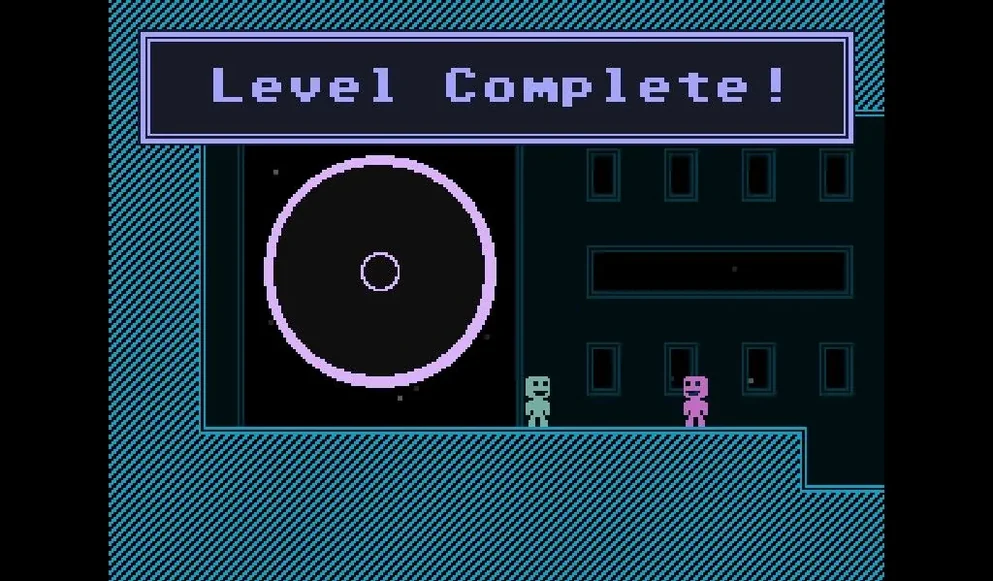
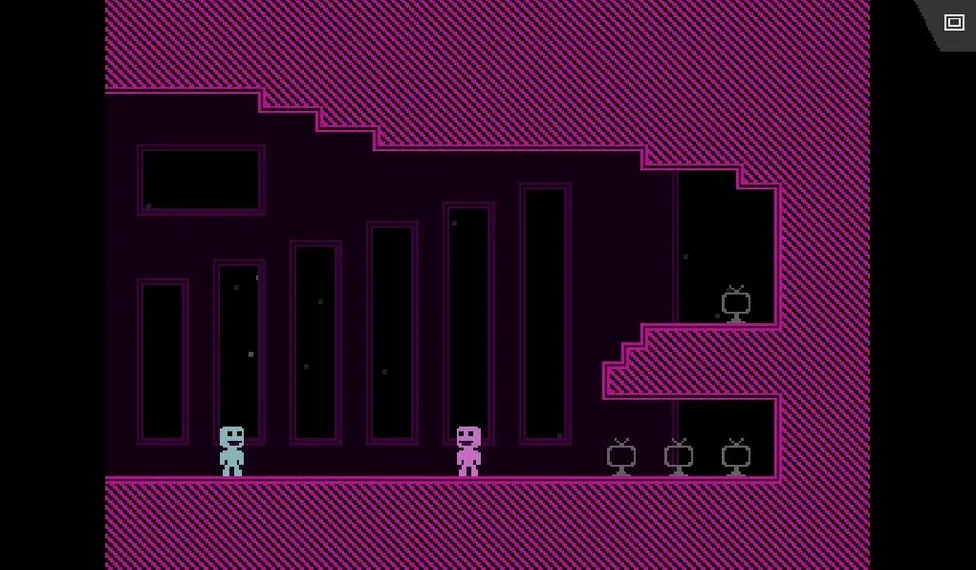
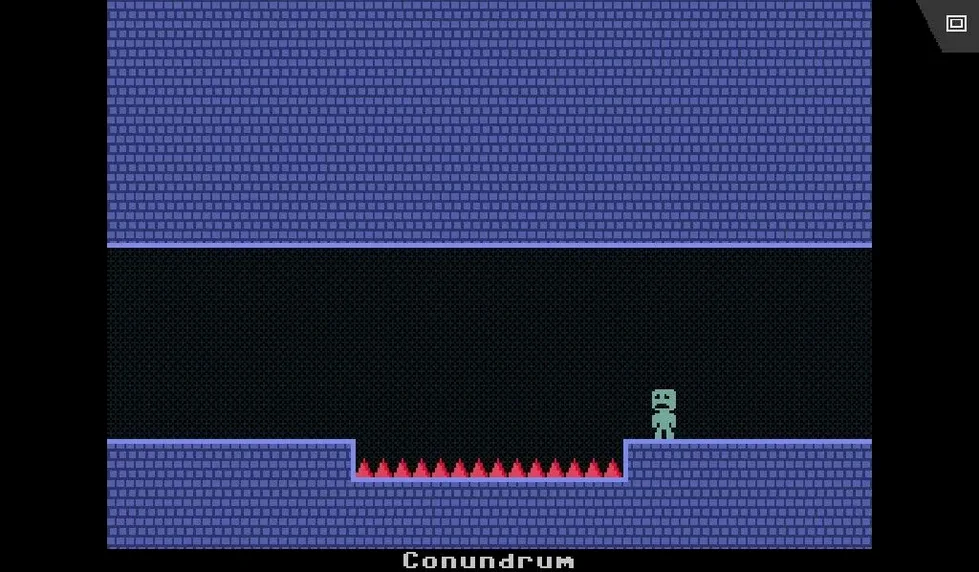
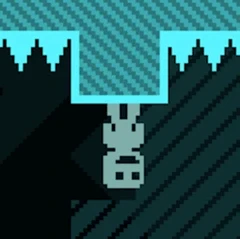
Twenty crew members scattered across a dimension that shouldn’t exist. That’s the setup when you take control of Captain Viridian in VVVVVV, a 2D platformer built around one deliberate omission: you cannot jump. Instead, a single button reverses gravity, pulling you from floor to ceiling and back again. Every room becomes a small puzzle of spikes, moving platforms and precise timing, with checkpoints placed often enough to keep frustration in check.
On a Mac, the experience holds up without fuss. The game is undemanding — any reasonably modern machine will run it without frame drops or input lag. Keyboard controls are tight and responsive, which matters when a single missed flip sends you back to the last checkpoint. For players who prefer a controller, most standard USB gamepads work straight away; the D-pad gives a little more precision in the trickier sections.
The audio side deserves a mention. Magnus Pålsson’s chiptune soundtrack runs over half an hour and fits the retro aesthetic perfectly — energetic, melodic and surprisingly varied for the format. It’s one of those rare soundtracks where turning it off would genuinely diminish the game. The interface itself is minimal: a simple menu, an unobtrusive map screen, and support for eighteen languages including Dutch, Arabic and Welsh. Nothing gets between you and the next screen.
Performance expectations are straightforward. The C++ rewrite that arrived with version 2.0 keeps the game smooth on macOS, and the only real technical note to be aware of is an occasional blank-screen texture when the window or graphics device changes — something the 2.4.4 update attempts to address again. For a game built on a single mechanic, VVVVVV extracts remarkable variety from that one idea, and the Mac version delivers it without complication.
Treating the flip like a mid-air adjustment
New players often treat VVVVVV like a traditional platformer and try to control every flip mid-air. That habit leads to unnecessary deaths. The flip is binary — you are either falling down or falling up — and the moment you press the button the direction reverses instantly. Trying to feather the key or time a second reversal before landing almost always results in hitting spikes that were perfectly avoidable. Let the flip complete. The level design expects you to commit.
Another early misstep is ignoring the map screen. The game opens up quickly after the tutorial section, and it is easy to wander into rooms far harder than your current skill level. The map shows which areas you have visited and highlights unexplored exits. Checking it every few minutes saves backtracking through spike corridors you barely survived the first time. Crew members you rescue also appear on the map, which helps when you are hunting down the last two or three.
A subtler mistake is holding a direction key while flipping through a narrow vertical passage. The game registers horizontal movement during flips, so a slight left or right press nudges Captain Viridian into a wall or spike. In tight corridors, release the movement keys, flip, and only resume horizontal input once you have landed.
A specific task: completing The Tower without losing your nerve
The Tower is one of the game's most demanding sections — a long vertical ascent with frequent gravity flips and few safe resting points. Approaching it methodically makes the difference between a clean run and repeated frustration.
Start from the checkpoint at the tower base. The first segment alternates between ceiling and floor paths with moving platforms crossing the centre. Stand still and watch one full cycle of each platform before moving. The timing is consistent, and memorising the rhythm prevents early deaths that drain your patience.
Halfway up, you encounter a screen with two parallel columns of spikes and a single-tile gap between them. This is where most players panic. The trick is to flip only once — drop down the left side, then flip to land on the ceiling and walk across the gap inverted. No second flip needed. Trying to flip twice in quick succession here accounts for perhaps a third of all Tower deaths.
The final stretch requires flipping between three narrow platforms while avoiding horizontal spike strips. Pause briefly on each platform to realign, even if it feels counterintuitive. Rushing leads to overshooting. The checkpoint at the top triggers immediately upon entering the next screen, and the relief is genuine.
How VVVVVV compares with similar Mac platformers
Placed alongside Super Meat Boy, the difference in design philosophy becomes clear immediately. Super Meat Boy demands pixel-perfect jumps and wall slides across dozens of short, lethal levels, with a physics model that rewards momentum and air control. VVVVVV strips movement down to walking and a single gravity reversal. Where Super Meat Boy tests dexterity across a broad moveset, VVVVVV tests spatial reasoning within a narrow one. Both are tough, but they exhaust different parts of the brain.
Celeste shares the single-screen room structure and generous checkpoint placement, yet its core is a nimble dash-and-climb system with directional air dashes, wall grabs and stamina management. Celeste builds its challenge around combining several movement options in sequence. VVVVVV feels almost austere by comparison — one button, one consequence, one solution per screen. Players who enjoy the clarity of a single mechanic explored deeply will find VVVVVV the more focused experience.
Shovel Knight operates closer to traditional NES platforming, with a pogo jump, collectible upgrades and boss fights that punctuate each stage. Its retro styling is more ornate, and its difficulty is tempered by health bars and checkpoints you can destroy for extra loot. VVVVVV has no upgrades, no health system and no combat outside of avoiding hazards. The two games share an affection for chiptune-era aesthetics, but VVVVVV’s commitment to a stripped-back ruleset sets it apart from Shovel Knight’s richer mechanical palette.