Aspecten
 Download (782 MB)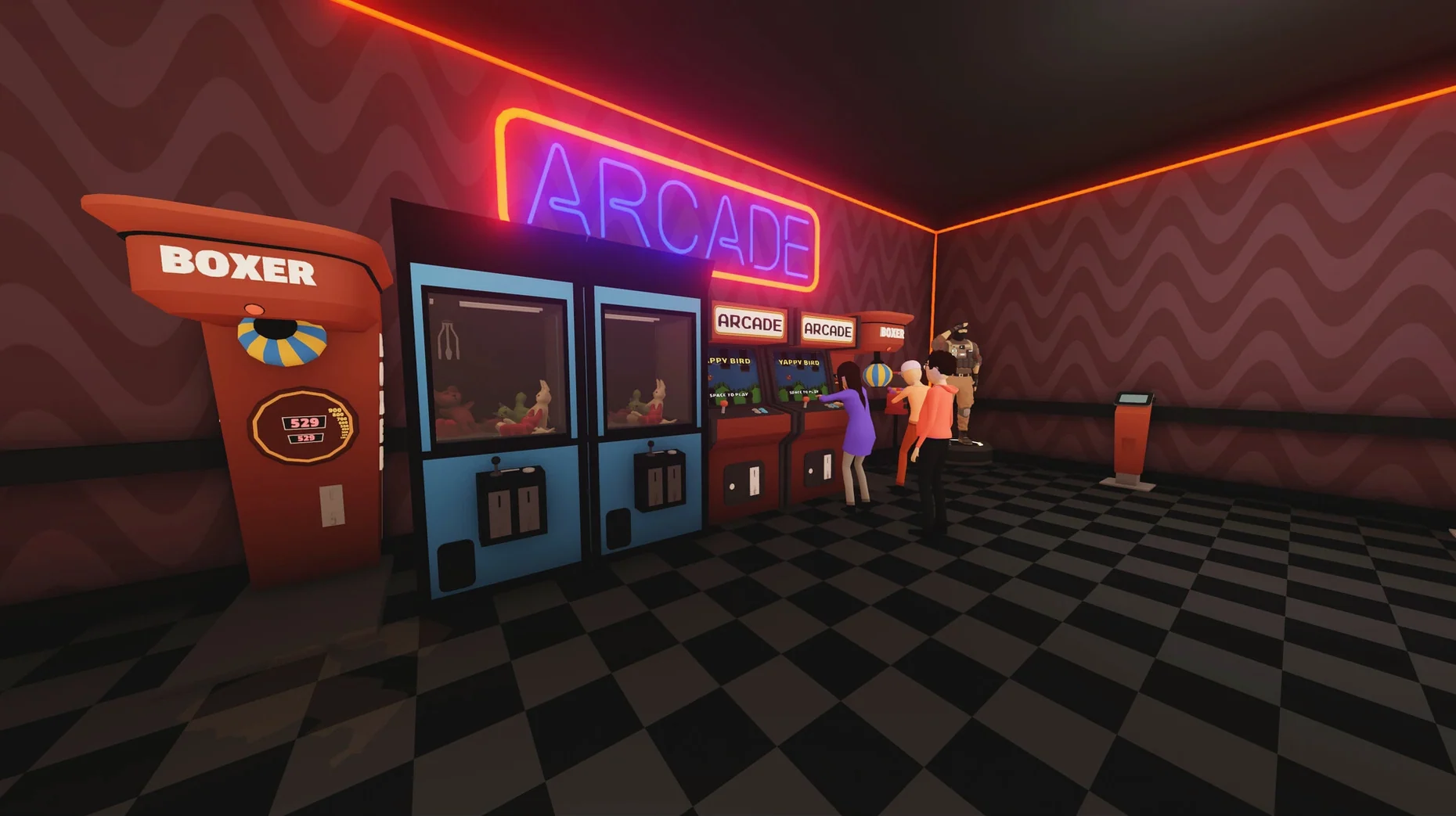
Checking your Mac
Steam lists the game as Mac-supported, and a build was tested on a Mac mini 2024 M4 running macOS Tahoe. It runs on both Intel and Apple Silicon machines. The minimum macOS version required is not specified by the developer, but the Tahoe test confirms compatibility with recent systems.
Setting up the controls
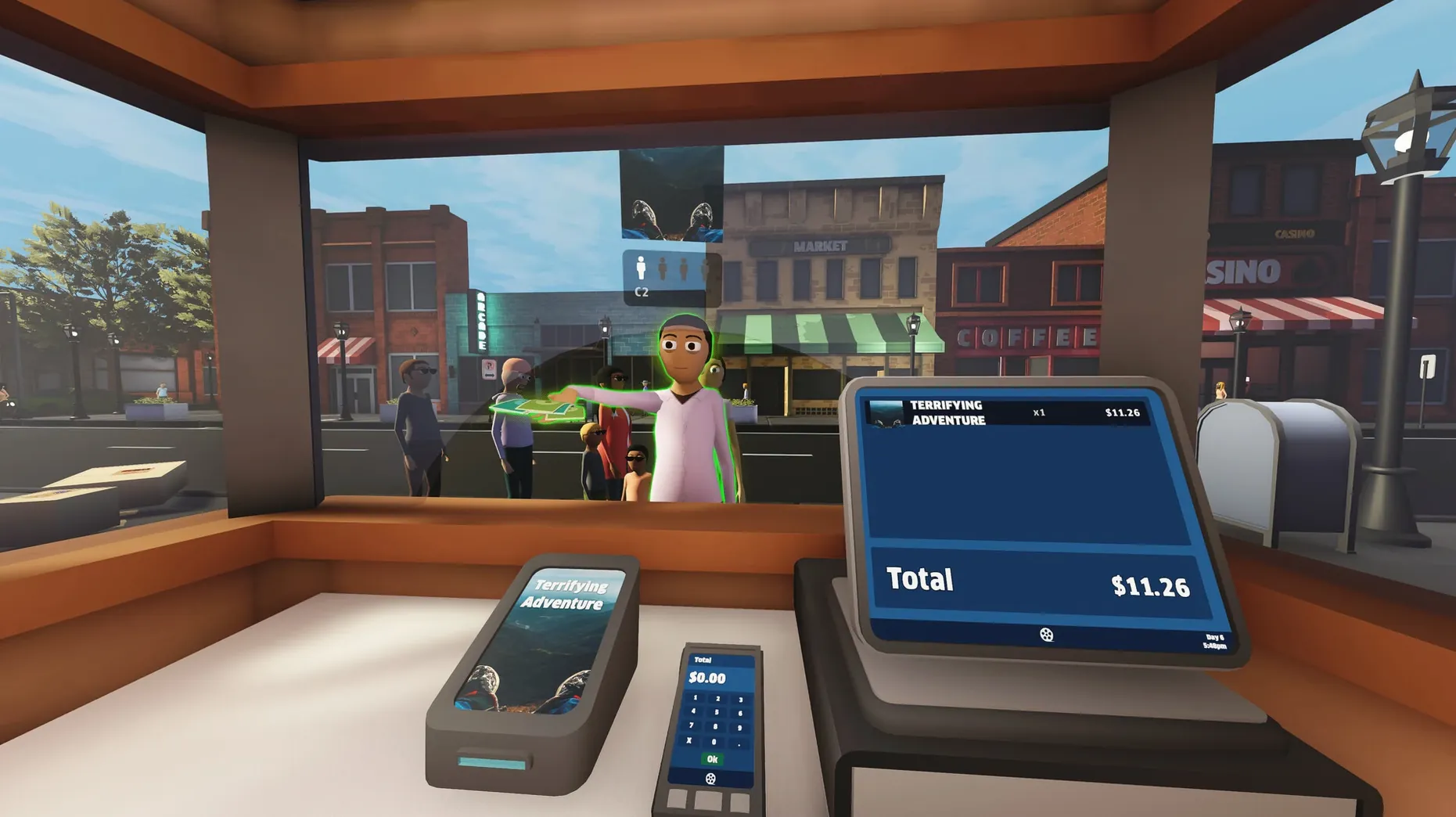
The first-person perspective uses a standard mouse-and-keyboard setup for navigating the cinema, serving snacks, and handling daily disruptions. No special controller is required.
Expecting performance
On an M4 Mac mini the game runs smoothly. Older Intel Macs with integrated graphics may need lower settings, but the blocky, stylised art style keeps demands modest.
Staying interesting after the first few hours
One of the first things simulation players want to know is whether the day-to-day loop stays interesting after the first few hours. The cinema keeps you on your feet because the game layers small crises over the routine. One moment you are restocking the popcorn warmer; the next you spot a teenager trying to sneak in through a side door while a customer lights a cigarette in row four. The variety of disruptions means a shift rarely feels like the one before it, even when you have settled into a profitable rhythm.
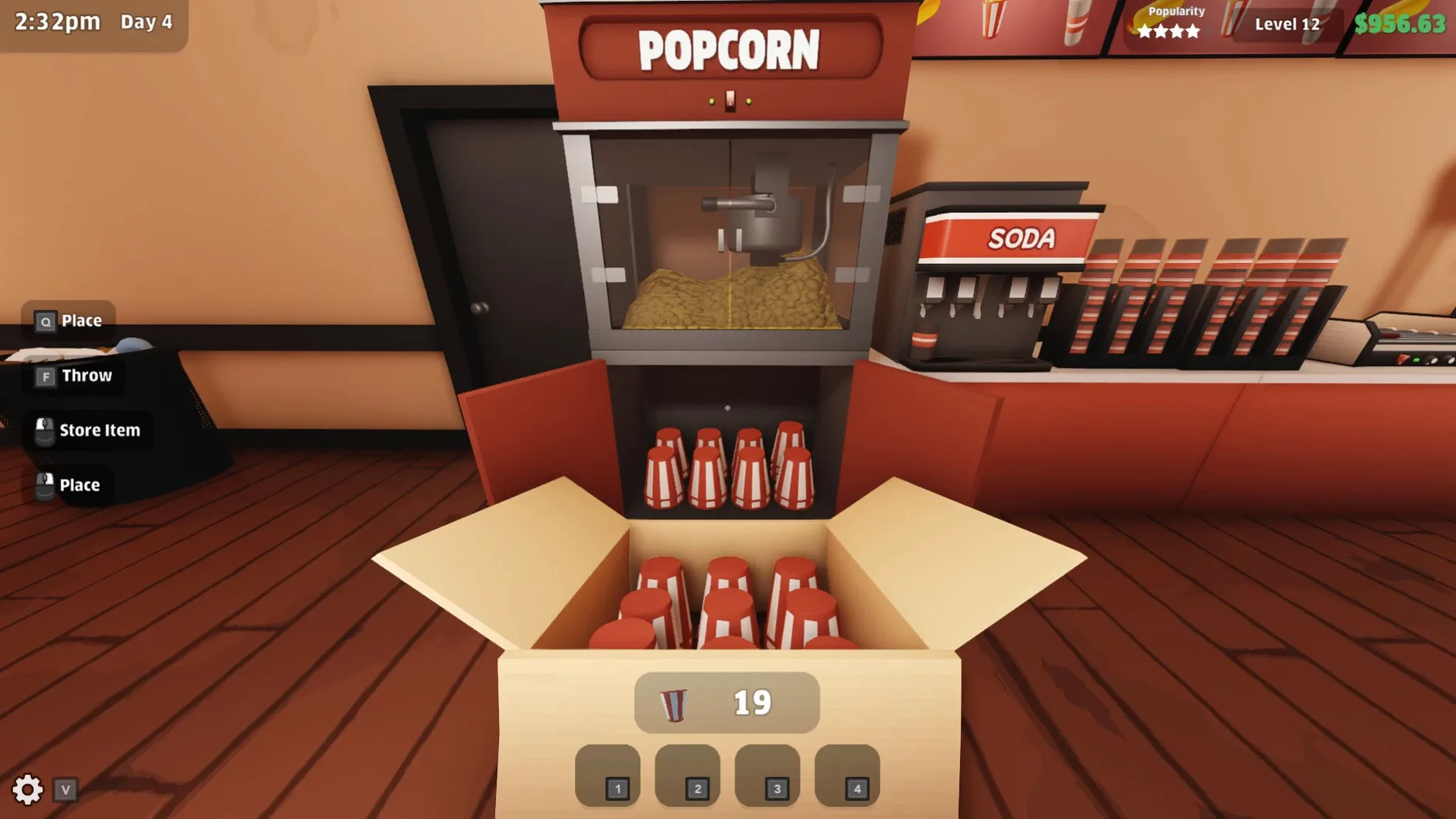
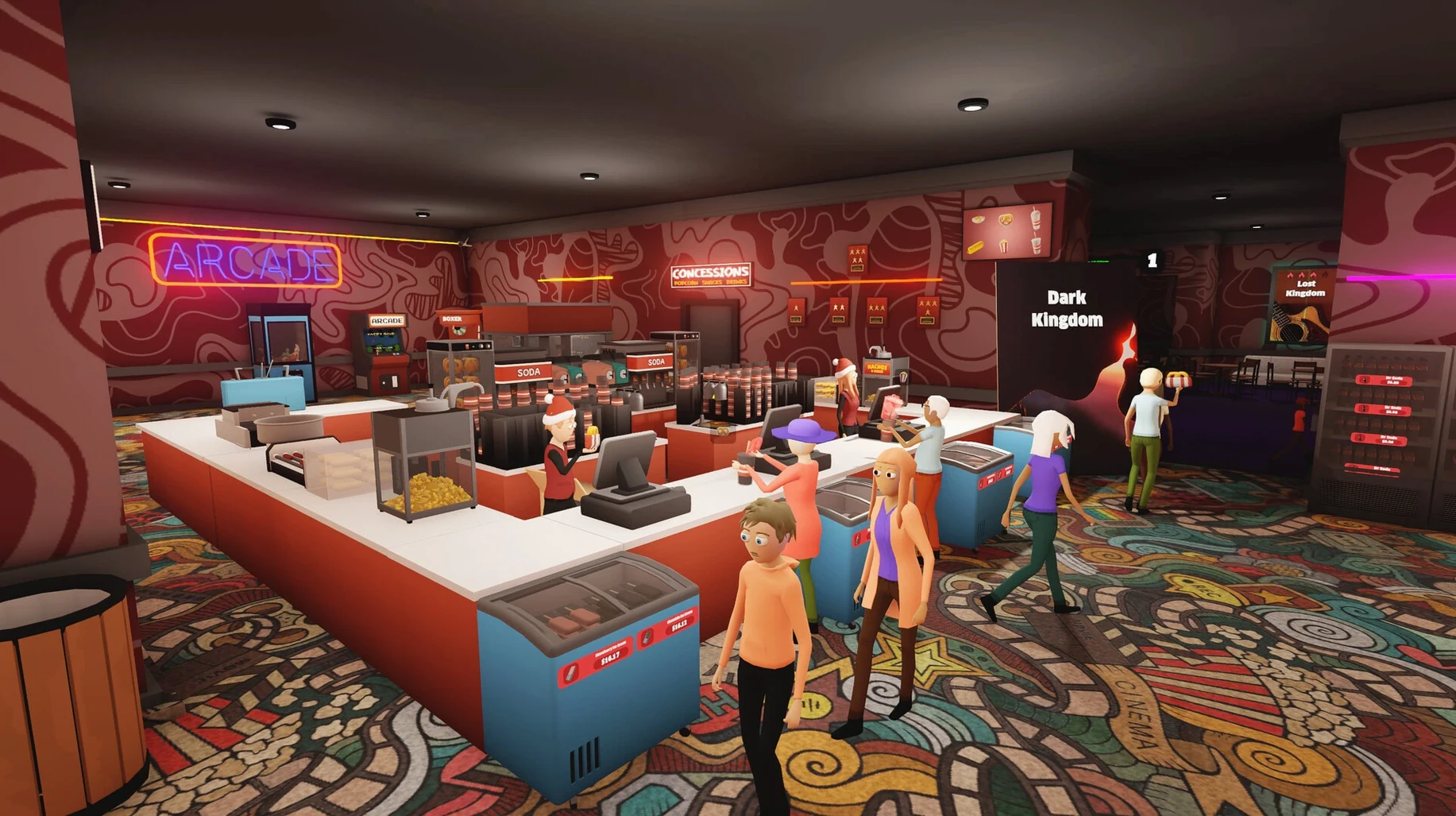
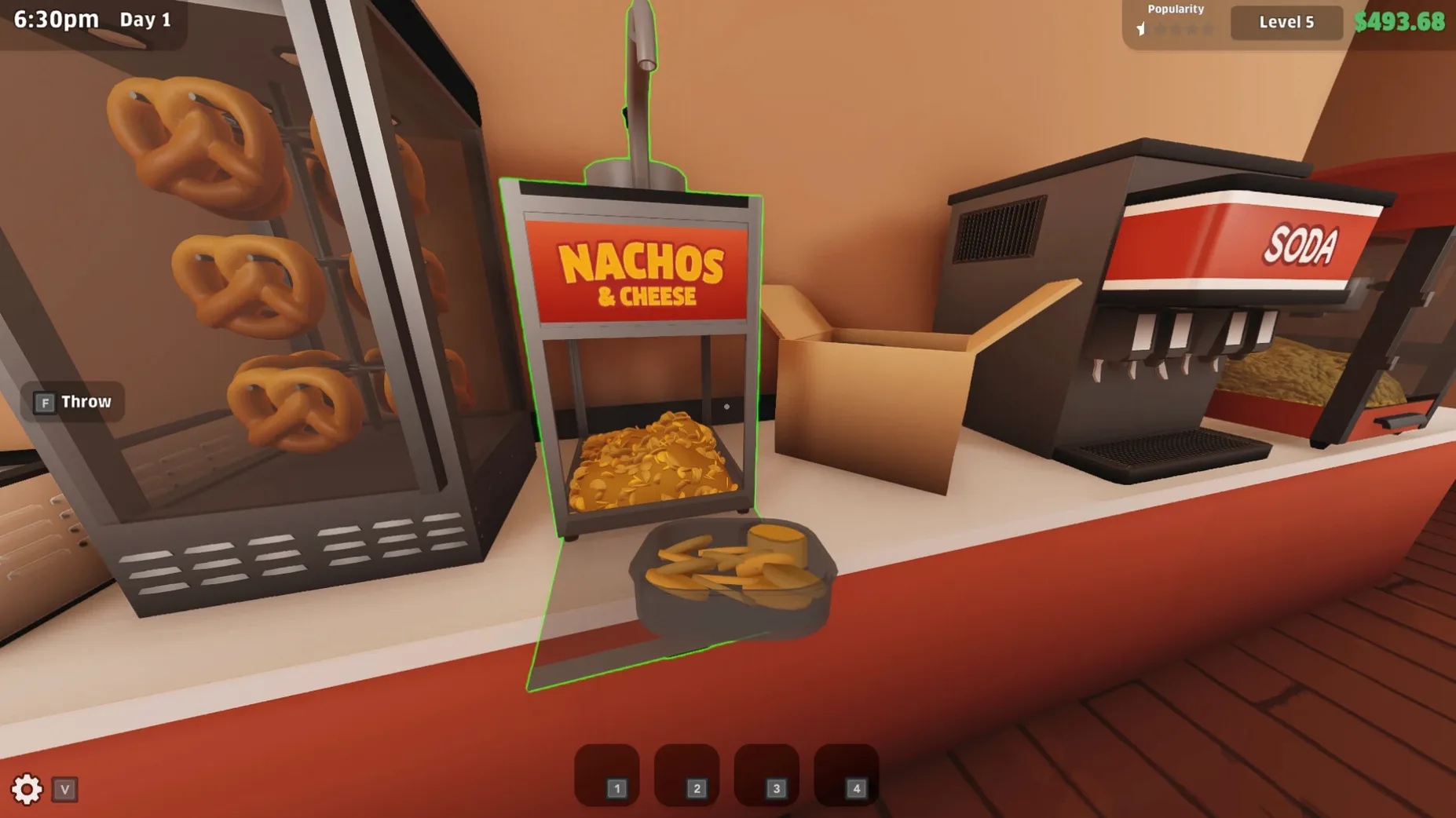
Another common question is whether the snack counter matters or if it is just a cosmetic extra. It matters. Margins on popcorn and hot dogs are healthy, and running out of salted pretzels during a busy screening will dent your reputation. You track supplies, decide when to restock, and balance the cost of keeping a cashier on shift against doing the work yourself. The food side of the business is a genuine second layer of management, not window dressing.
People also ask how much freedom they have with the building itself. You start with a modest setup, but later you expand with new halls, choose projector equipment per screen, and arrange the lobby layout. The interior customisation extends to decorations and signage, so the cinema feels like your own space rather than a fixed stage. The arcade expansion added in version 1.4.0 takes that further, letting you dedicate floor space to game machines that draw a different kind of crowd.
A practical question that comes up often is whether the game runs acceptably on a MacBook Air or an older Intel machine. The stylised, low-poly look is kind to integrated graphics. On a fanless Air you may hear the fans spin up during a packed evening screening, but the frame rate stays playable. The Mac mini M4 test build ran without a hiccup, which bodes well for any Apple Silicon desktop or laptop.
Widening field-of-view for counter awareness
The default field-of-view setting is a sensible starting point, but spending five minutes in the graphics menu to widen it slightly helps with peripheral awareness when you are working the snack counter and watching the entrance at the same time. A small bump — five to eight degrees — is enough to reduce blind spots without making the view feel stretched.
Mouse sensitivity deserves attention before your first shift. The default is tuned for a Windows player's expectation. Lowering it by a notch or two makes the cash register interactions feel less twitchy on a Mac trackpad, and it also smooths out the motion when you turn to chase down a would-be pirate in the back row. If you use a mouse with a high polling rate, you may want to drop the in-game sensitivity further to avoid overshooting the small interaction points on the snack display.
Audio balance is another early adjustment worth making. The English voice lines are clear, but the default mix buries some of the environmental cues under the music. Pulling the music slider down to about sixty percent lets you hear the shuffle of a customer trying to slip past the ticket desk or the telltale click of a projector acting up. Those audio hints often reach you before a visual alert pops up, so keeping them audible is a practical advantage.
Arcade corner draws non-movie customers
The arcade expansion shifts the rhythm of a typical cinema day. Before the update you spent most of your time between screenings restocking snacks or cleaning up. Now the arcade corner draws customers who are not necessarily there for a film, which smooths out the quiet stretches between showtimes. The dancing game machine and the two racing cabinets each attract a slightly different age group, and placing them near the vending machine creates a small self-contained revenue loop that requires less hands-on attention than the main snack counter.
The calendar trend system introduced in this version adds a layer of planning that was absent before. Certain weeks bring a spike in interest for a specific film genre, and if you have the right tapes on hand and the right projector installed, you can ride that wave for a noticeable boost in ticket sales. It rewards keeping a small back catalogue rather than selling off tapes the moment a screening run ends. The black-market dealer now occasionally marks down tapes, which makes building that catalogue less of a financial gamble than it used to be.
Sandbox Mode changes the tone of the game entirely for players who want the ultimate theater simulator for mac free download experience without the pressure. You can experiment with hall layouts, test different snack pricing strategies, or build an elaborate arcade floor without worrying about going bankrupt. It is also a practical tool for trying out the new arcade signs and plushies in different positions before committing to a placement in a serious save file.
The fix for achievements not triggering is one of those quiet improvements that you notice only if you were chasing a specific goal in an earlier version. Several players reported that the "packed house" and "snack baron" achievements would occasionally fail to unlock despite meeting the conditions. The 1.4.0 patch resolves those edge cases, so completionist runs are now less frustrating.