Aspecten
 Download (1.2 GB)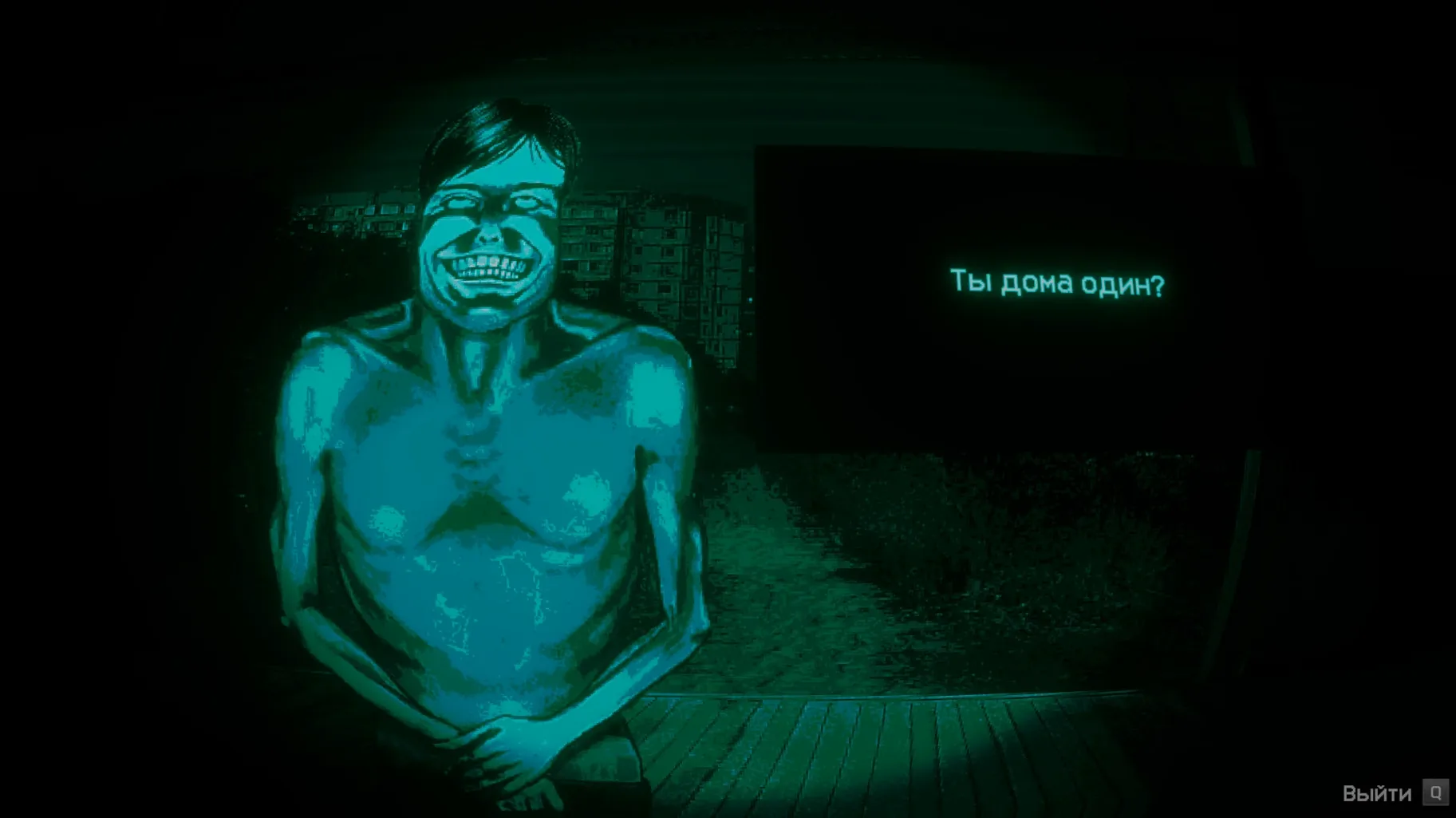
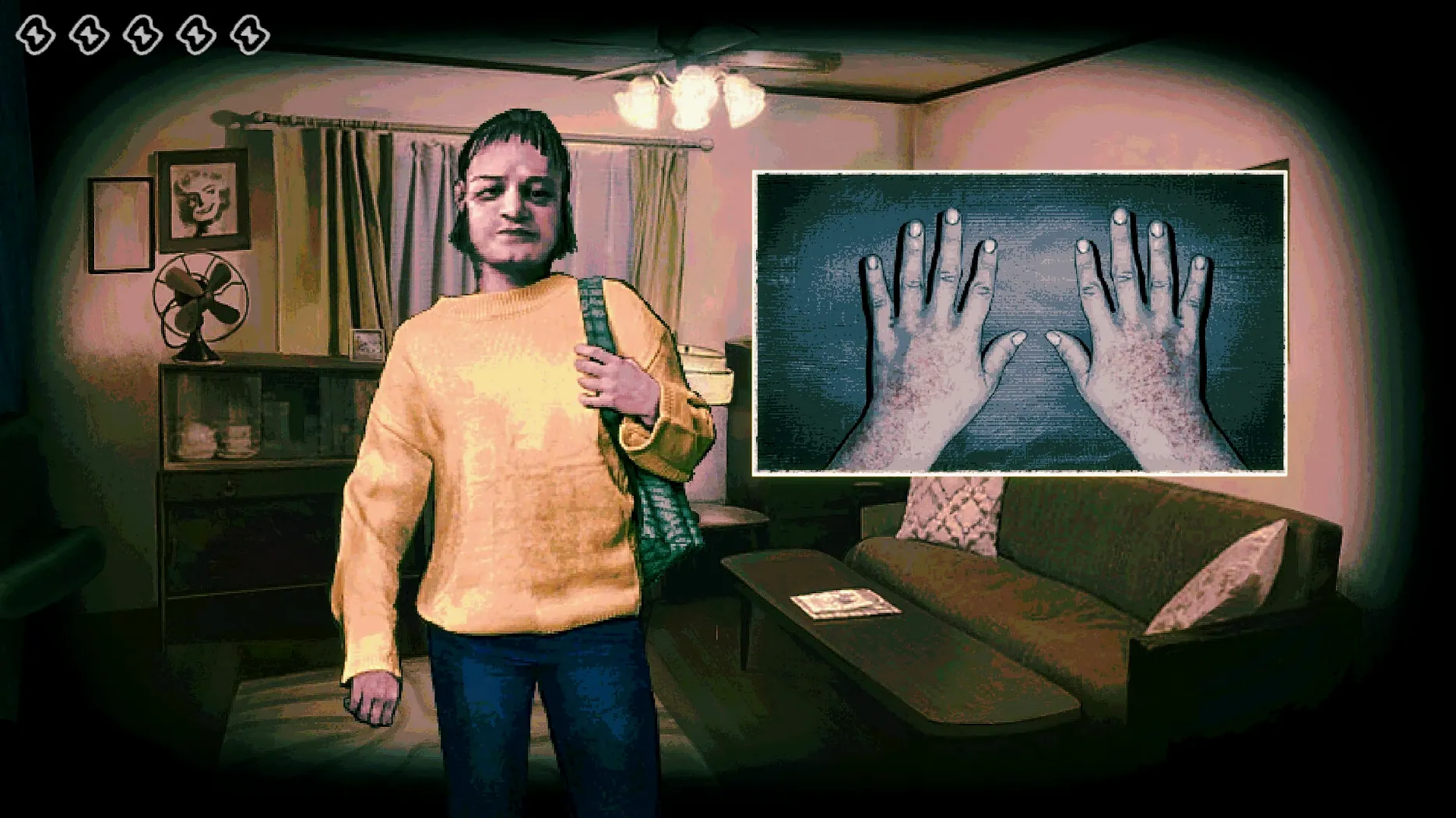
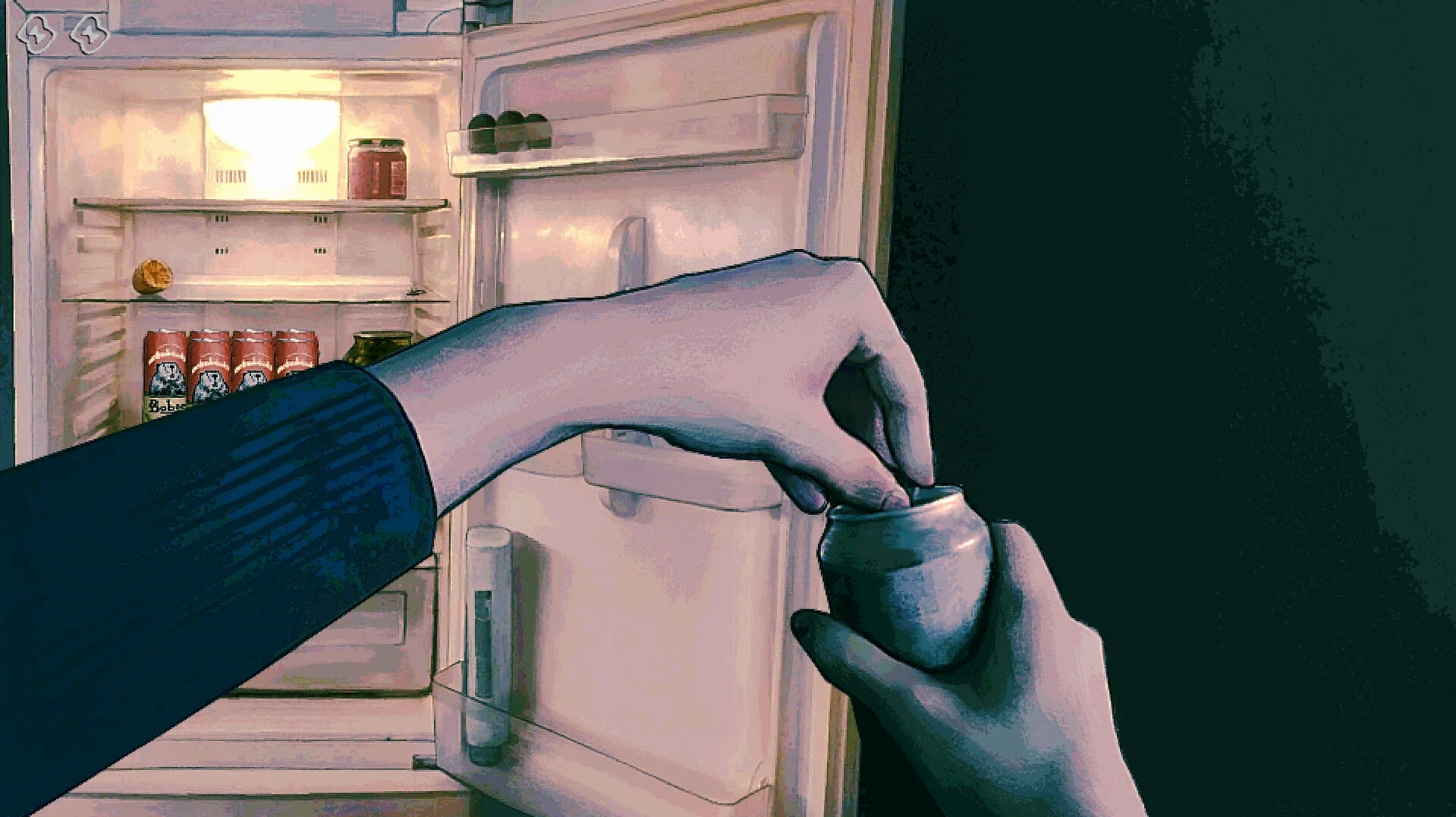
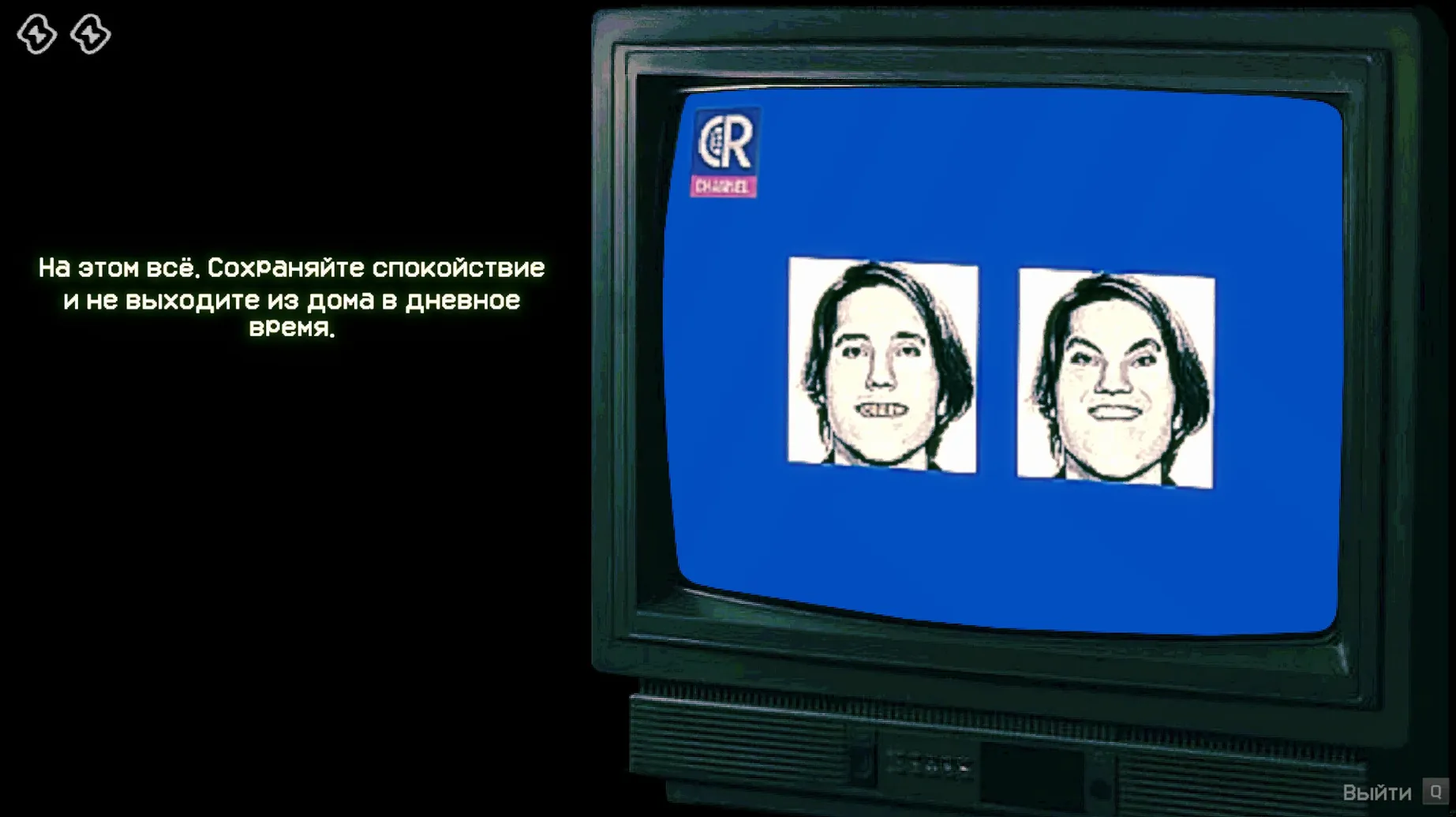
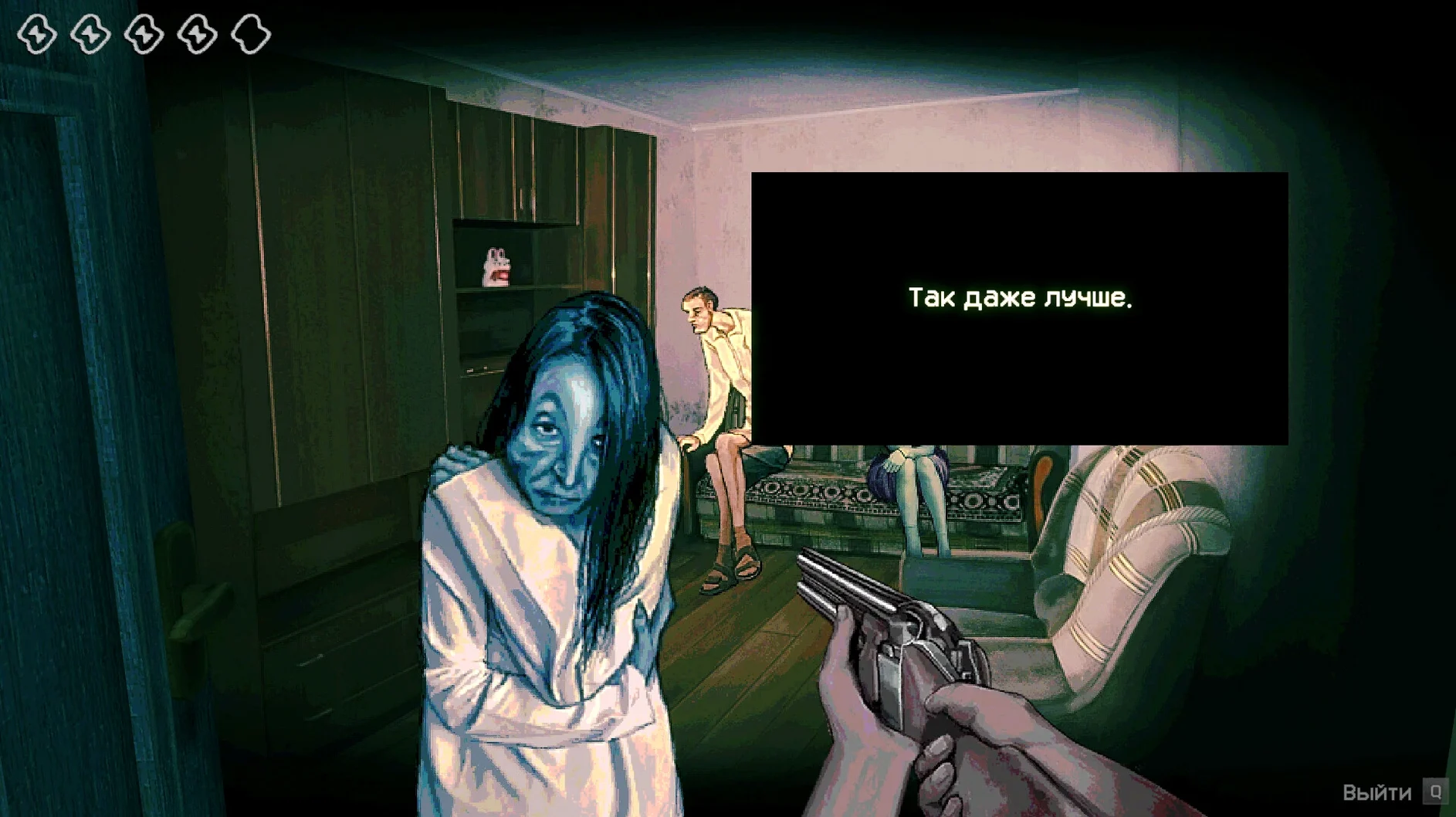
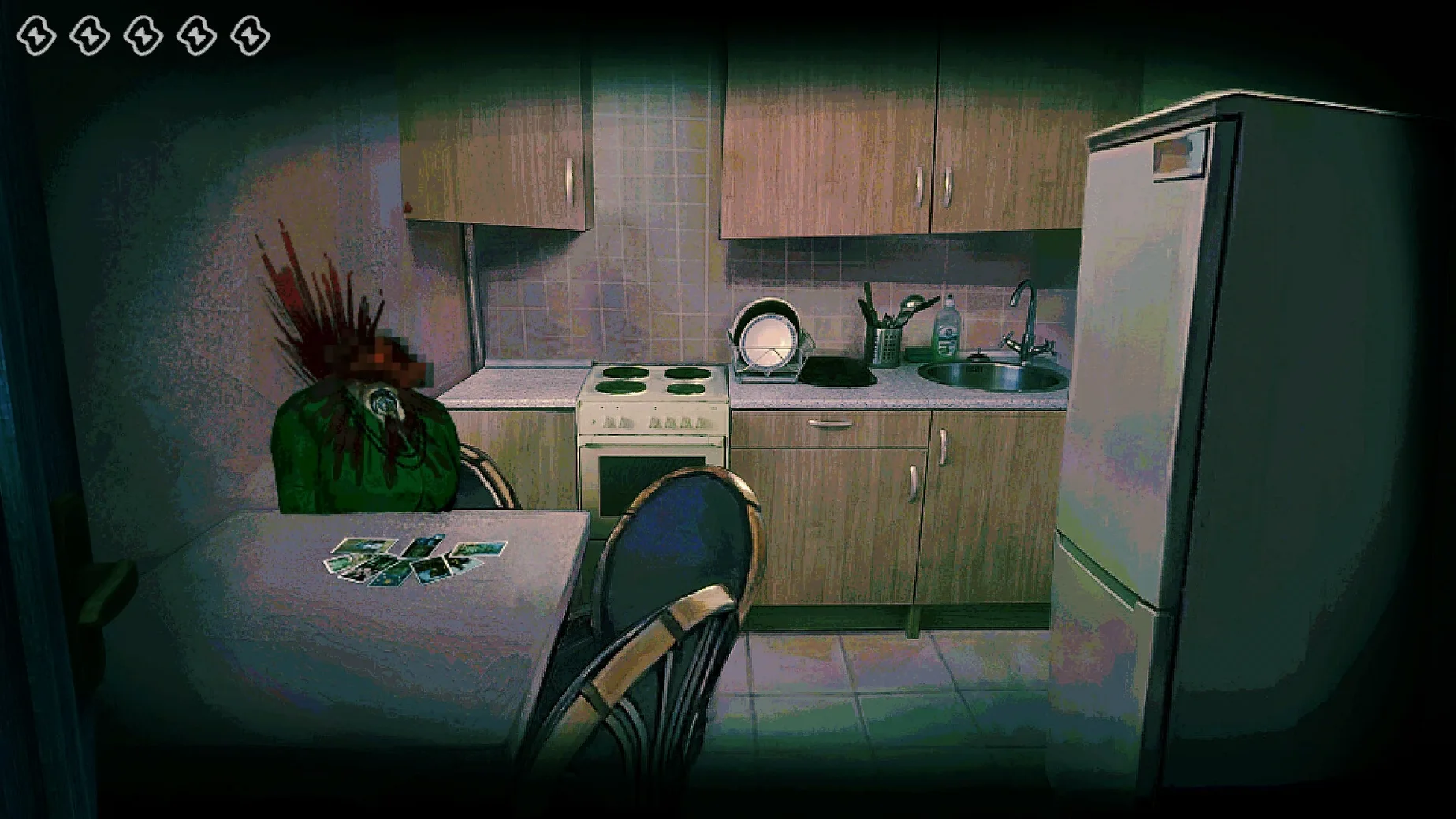
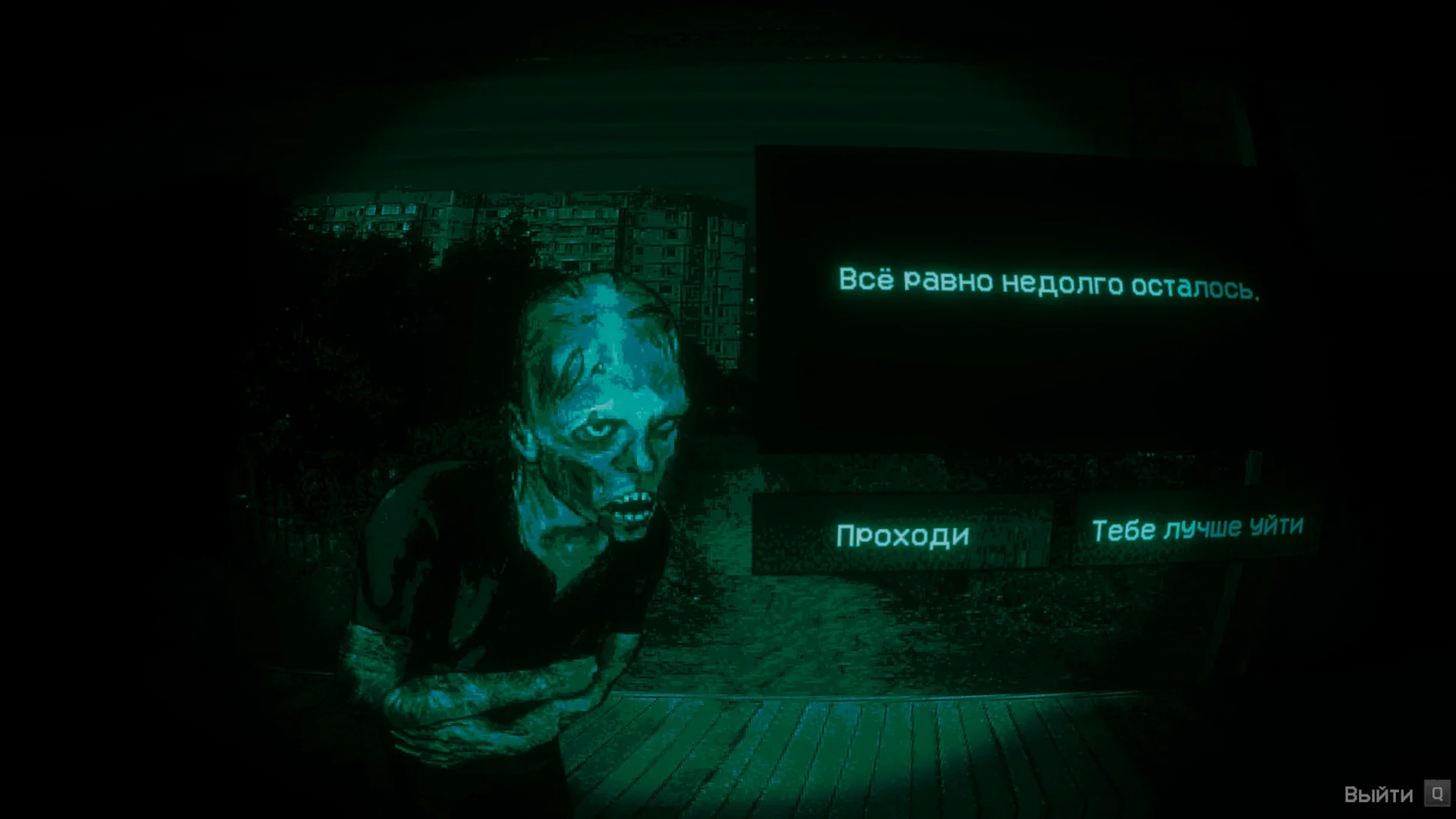
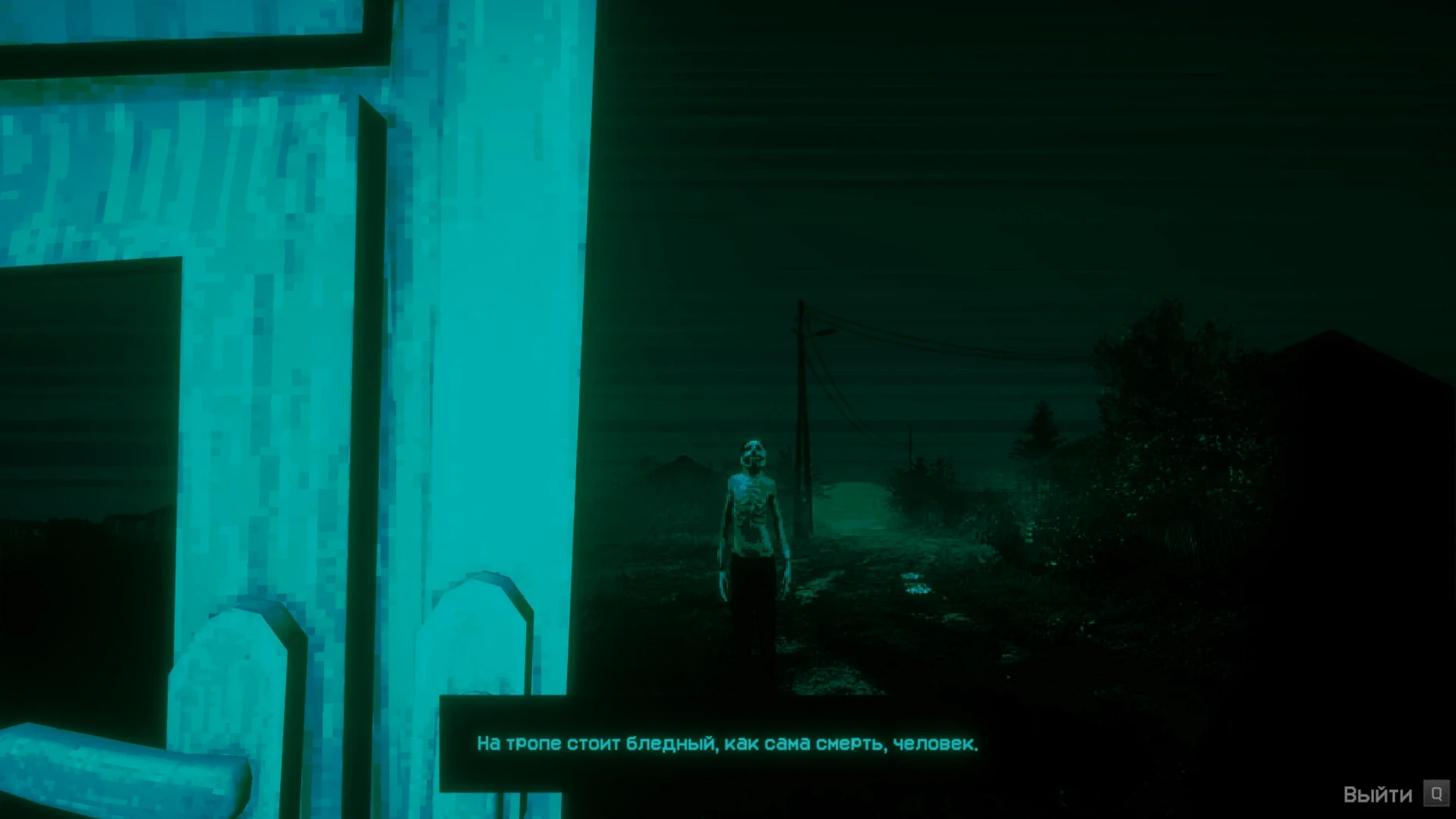
When the end of the world blurs the line between neighbour and threat, a simple choice at the door becomes paralysing. This is the tension that drives No, I'm Not a Human, an anxiety horror game where you decide who gets shelter and who must stay outside. The Mac version exists, but getting it running involves a few specific steps.
- The developer, Trioskaz, provides an ARM build for Apple Silicon Macs requiring macOS Tahoe. Performance on recent MacBook models is stable, with no major graphical hitches in the monochrome, hand-drawn scenes.
- Installation is straightforward: open the disk image and drag the app to Applications. Launch it from Launchpad afterwards. If an error appears on first launch, a Fix file inside the disk image resolves it.
- The first launch must happen in English. Once the game has started, you can switch to one of the ten supported languages — including Russian, Japanese, or French — through the settings menu.
- Save files are tucked inside the app bundle itself, at the path Steam/RUNE/427410/remote. Something to keep in mind if you ever need to move or back up your progress manually.
- The audio is music only. There is no spoken dialogue, which keeps the pressure on the text-based interrogations as you question each person at the door, searching for the tells of a Visitor.
The current build, version 1.3.19 Rev2, wraps the Windows release in a Wineskin container. It includes a hotfix for Steam Cloud save recovery that was originally aimed at Steam Deck users, alongside minor localization fixes for Ukrainian. The wrapper adds a small layer of translation between the code and macOS, but in play the experience feels direct and uncluttered.
Workflow for a single interrogation
The loop stays the same across dozens of encounters, but the first few times you run it, the rhythm feels anything but routine. Here is how a single visitor check plays out, step by step.
- Read the alert. A knock, a silhouette through the frosted glass, and a brief description of what you can see from the window. The game gives you a moment to breathe before the questions begin.
- Open the door or speak through it. Most early encounters let you keep the door closed for the first round of conversation. The person outside will talk — sometimes calmly, sometimes with a tremor in their voice that you cannot quite place.
- Cycle through the question list. A fixed set of prompts sits at the bottom of the screen: name, origin, reason for being here, what they saw on the way. Each answer gets printed in the dialogue log. You are looking for contradictions, unnatural phrasing, or facts that do not match the world outside.
- Check for Visitor tells. Some signs are obvious on a second playthrough, but the first time you spot a pupil that does not contract or a shadow that moves independently of the body, the mouse hesitates. The monochrome art hides these details in plain sight.
- Decide. Two buttons. Let them in, or deal with them. The game does not use the word "kill" in the interface; the button label is colder than that.
- Live with the outcome. If you let a Visitor in, the house changes. Sometimes a light flickers. Sometimes a sound plays from a room you thought was empty. If you turned away a human, the guilt sits in the silence between knocks.
Switch the language to catch the Russian original’s tone
The game opens with sensible defaults, but a few adjustments in the settings menu make the tension land harder.
Switch the language immediately after the first launch if English is not your preference. The Russian original carries a slightly different cadence in the Visitor dialogue — some lines feel more ambiguous in translation. The font rendering stays crisp across all ten languages, though Traditional Chinese and Korean benefit from bumping the UI scale up one notch.
Disable the music after your first hour. The soundtrack is competent, but playing in silence — or with only the ambient wind track that leaks through the house — makes the knock at the door feel like a physical jolt. The music-only audio design means you lose nothing narrative by muting it.
If you are on a MacBook with a notch, the default fullscreen mode crops a thin strip of the upper UI. Switch to windowed mode once, then back to fullscreen; the game recalculates the safe area correctly after the toggle.
Aggressive openers can frighten humans into silence
The most common error is treating every visitor with suspicion from the first word. The game notices. If you lean too hard on aggressive questioning early in a run, some humans become too frightened to answer clearly, and their stammering reads exactly like a Visitor stalling for time. A neutral opening line keeps the information flowing.
Another trap: ignoring the background. The house is not just a menu screen between visitors. After a wrong decision, the environment shifts in small ways — a chair moved, a stain on the wall that was not there before. Players who stare at the door and never turn around miss the game's quieter horror. The monochrome palette means these changes are subtle; walk the rooms between knocks.
Relying on the same question order every time also backfires. Visitors learn. On later days, a Visitor who has been watching the house might have rehearsed answers for the first three prompts you always use. Shuffle the list. Ask about their shoes before you ask their name. The inconsistency rattles them.
Finally, do not restart the app repeatedly if it fails to launch on an Apple Silicon Mac. The error that sometimes appears on first boot is not a broken build — run the Fix file from the disk image once, let the Wineskin container initialise, and the problem does not return. Repeatedly force-quitting before the wrapper finishes its first-run setup can corrupt the app bundle and require a fresh copy from the disk image.
A short scenario
Late evening in a flat with the blinds drawn. A student — let us say someone who plays horror games for the atmosphere, not the jump scares — has been at the door for an hour. Three visitors so far. One let in, two turned away. The first was a woman with a child; the child's shadow moved wrong, lagging half a second behind the body. The second was a man who knew the neighbour's name, and the student let him in. No consequences yet, but the kitchen light hums louder than it did before.
The fourth knock comes just after midnight. The silhouette is tall, still. The student clicks through the questions slowly, reading each answer twice. The visitor claims to have walked from the next town over, but describes the bridge there as intact — and the radio earlier mentioned it had collapsed. One detail, small enough to doubt. The student stares at the two buttons for a long time. The cursor moves toward "let them in," then back. A decision lands.
This is the loop that holds. No, I'm Not a Human does not need chase sequences or combat. It needs a player who is willing to sit with uncertainty and know that, in the morning, the house will tell them whether they got it right.