Aspecten
 Download (263 MB)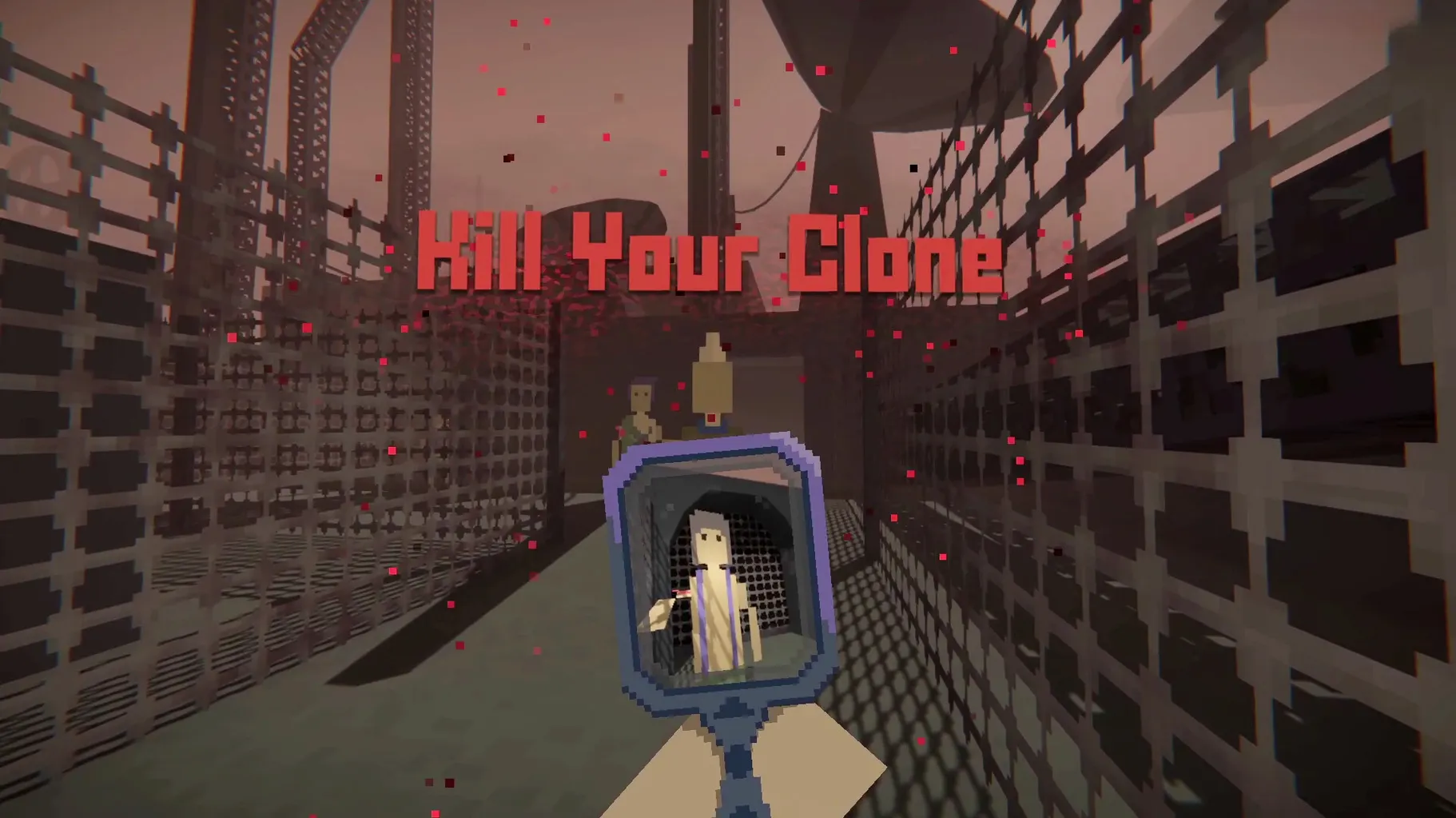
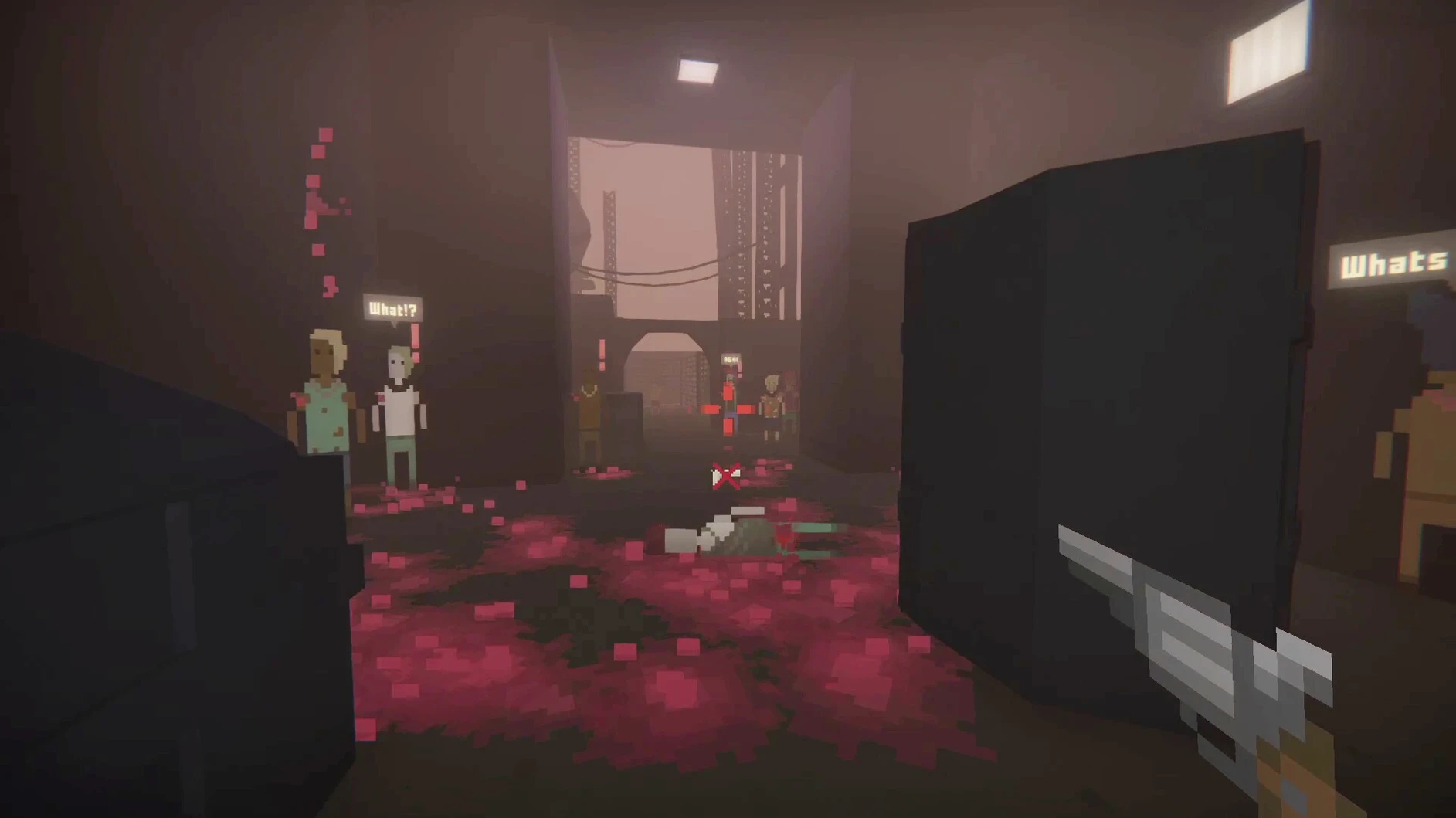
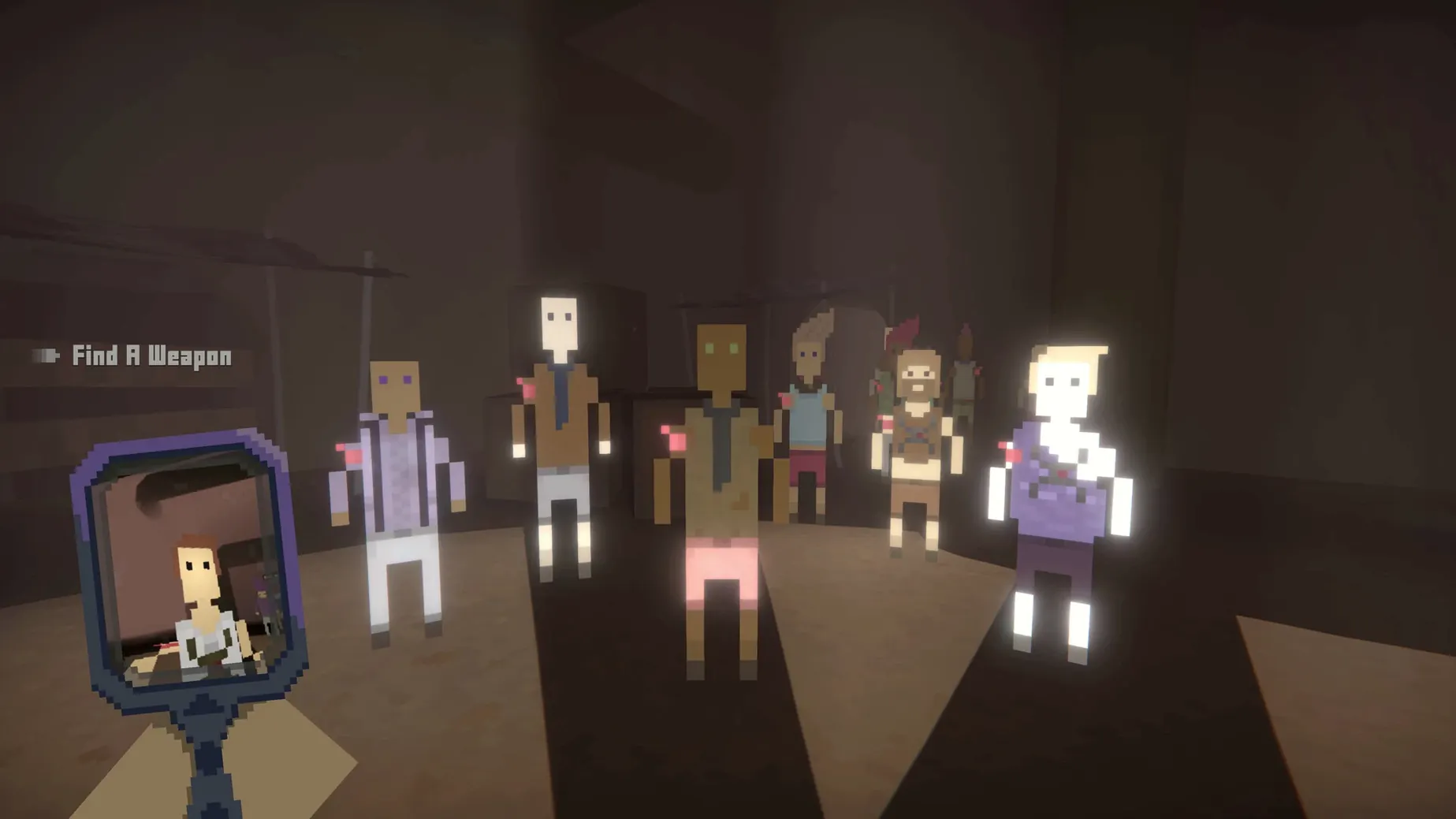
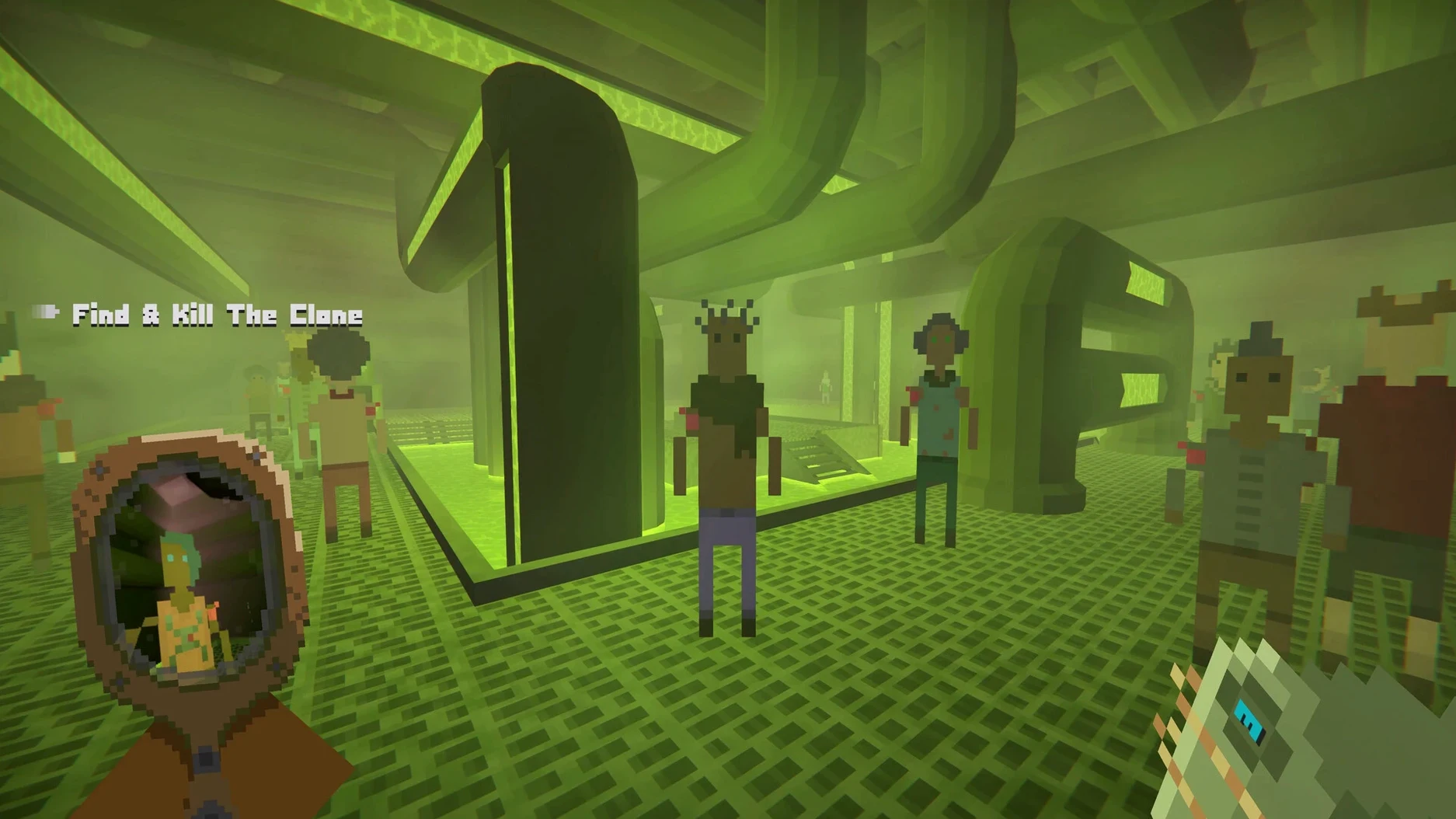
It Has My Face is a first-person horror roguelite about hunting your own clone before it hunts you.
Plan each shot
Ammunition is limited, so attacks must be planned carefully. Firing blind leaves you defenceless when the clone reappears.
Manage the paranoia
Procedural paranoia means the threat pattern never settles. The clone learns from your habits, so a route that worked once may be a trap the next time.
Learn when to wait
Patience often beats speed. Standing still and listening tells you more than rushing, and a single well-placed shot ends a chase that a full magazine might not.
How the paranoia stacks up against similar Mac horror
Mac horror has gained a few strong entries in the last two years, and It Has My Face sits somewhere between them in tone and structure. Amnesia: The Bunker shares the limited-ammunition tension and the sense that every shot is a resource you may regret spending, but it anchors that dread in a fixed, semi-open map. Here the procedural crowd resets the geography of threat each run, which makes it feel less like exploring a place and more like managing a shape-shifting nightmare.
Phasmophobia on Mac also builds tension around identifying a hidden threat, but its co-op foundation and ghost-hunting tools pull it towards investigation. It Has My Face strips away teamwork and gadget layers. The only tool that matters is a scavenged weapon, and the only evidence you need is a glimpse of your own face moving wrong in a crowd. That narrows the loop: observe, plan, shoot, survive. Where Phasmophobia asks you to gather clues, this game asks you to trust your eyes and then act.
Compared with GTFO—another Mac roguelite that punishes wasted ammunition—the difference comes down to scale. GTFO builds tension through team coordination and long expedition structures. Here the pressure is solitary and psychological, compressed into a single, looping arena where your biggest threat wears your own face.
A clone's hesitation behind waist-high cover
Several shortcuts sit just below the surface and reward players who stick with the game beyond the first few runs. The clone briefly hesitates when you break line of sight behind certain waist-high obstacles, which gives you a beat to reposition without sprinting. Maps with overhead signage often let you read the crowd flow before entering a zone, helping you spot a figure moving against the current.
A few other details worth knowing:
- Reloading while crouched behind environmental clutter produces less audio than standing, which can buy you a moment if the clone is nearby but hasn't locked on.
- The clone sometimes mimics a startled NPC reaction when you aim at it, a split-second tell that distinguishes it from genuine crowd members.
- Scavenged melee objects function as one-hit distractions when thrown; hitting a distant surface can pull a few NPCs away, opening sightlines without spending ammunition.
- Holding the interact key over a dropped weapon shows its remaining rounds before you pick it up, a small economy measure that prevents swapping a half-empty pistol for a near-empty one.
Footsteps now carry more directional weight on stereo headphones
Version 1.0.12, released 23 September 2025, brought refinements that shift moment-to-moment decisions more than any single headline feature would suggest. The most felt change is a tighter sound mix: footsteps now carry more directional weight on stereo headphones, so tracking the clone through multiple rooms is less guesswork than before. Crowd audio also received a pass, with NPC murmurs dropping in pitch slightly when the clone passes near them—an environmental cue that doesn't announce itself but rewards attentive listening.
Procedural generation parameters were adjusted to prevent long sightlines from dominating too many runs. Earlier builds occasionally placed the clone at the end of a corridor with little cover, making some encounters resolve too quickly. The current version favours maps with more waist-high clutter and vertical breaks, giving stealth more room to breathe. Roguelike upgrade pacing was also smoothed: previously some runs offered no weapon upgrade for the first two zones, which could strand a player with a low-capacity firearm against an aggressive clone pattern. Now at least one scavenged weapon bench appears by the second transition.