Aspecten
 Download (1 GB)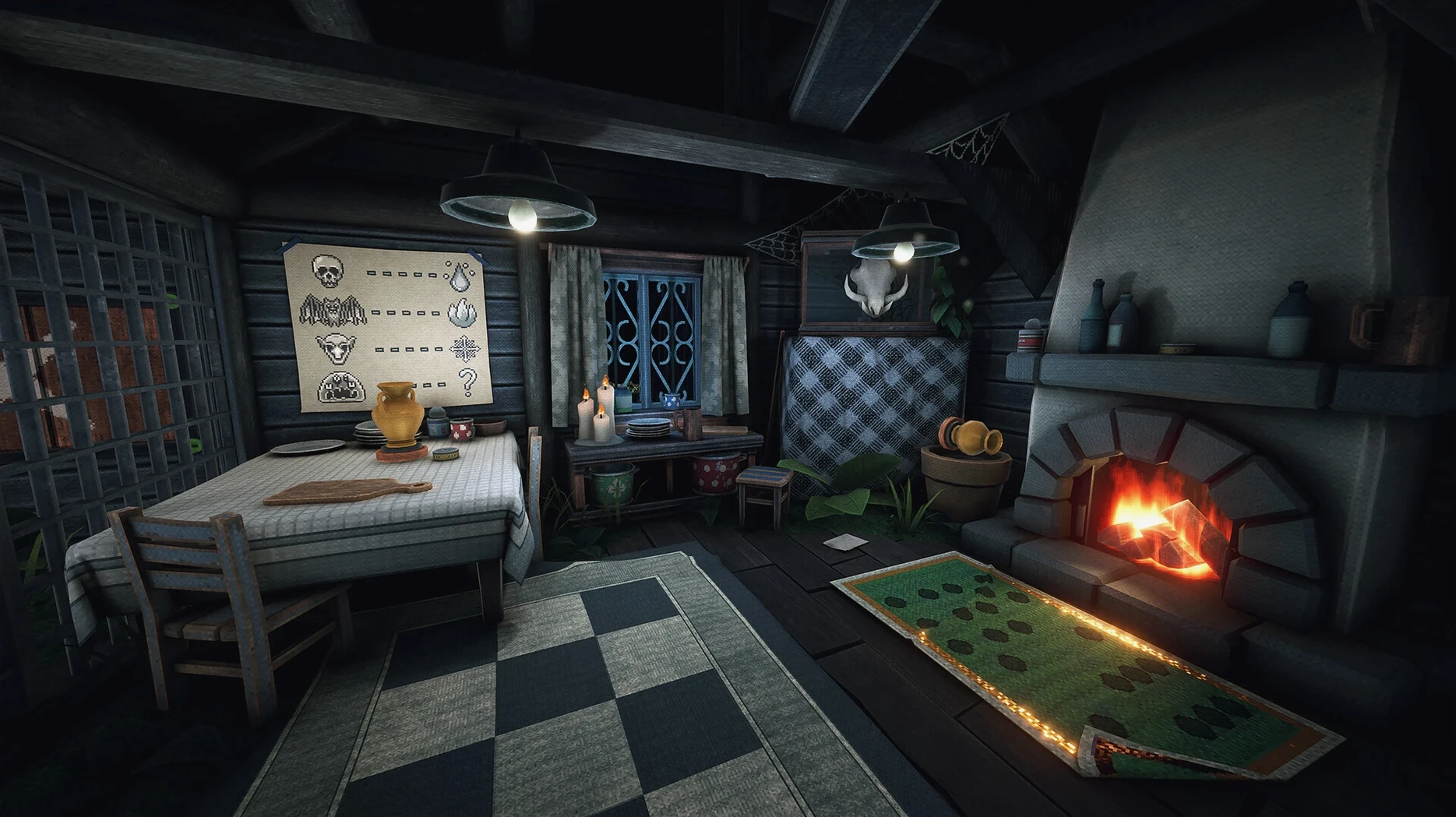
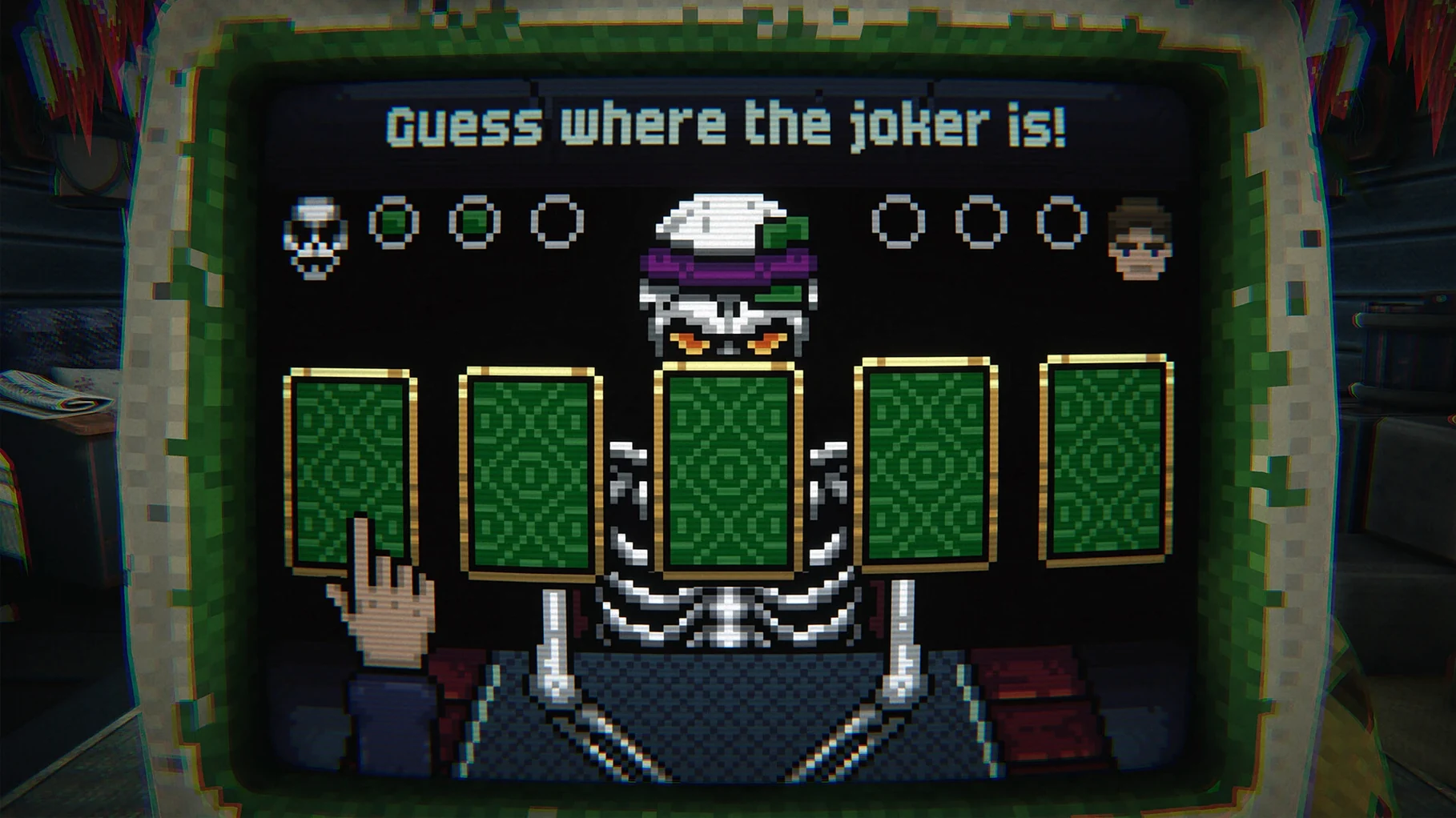
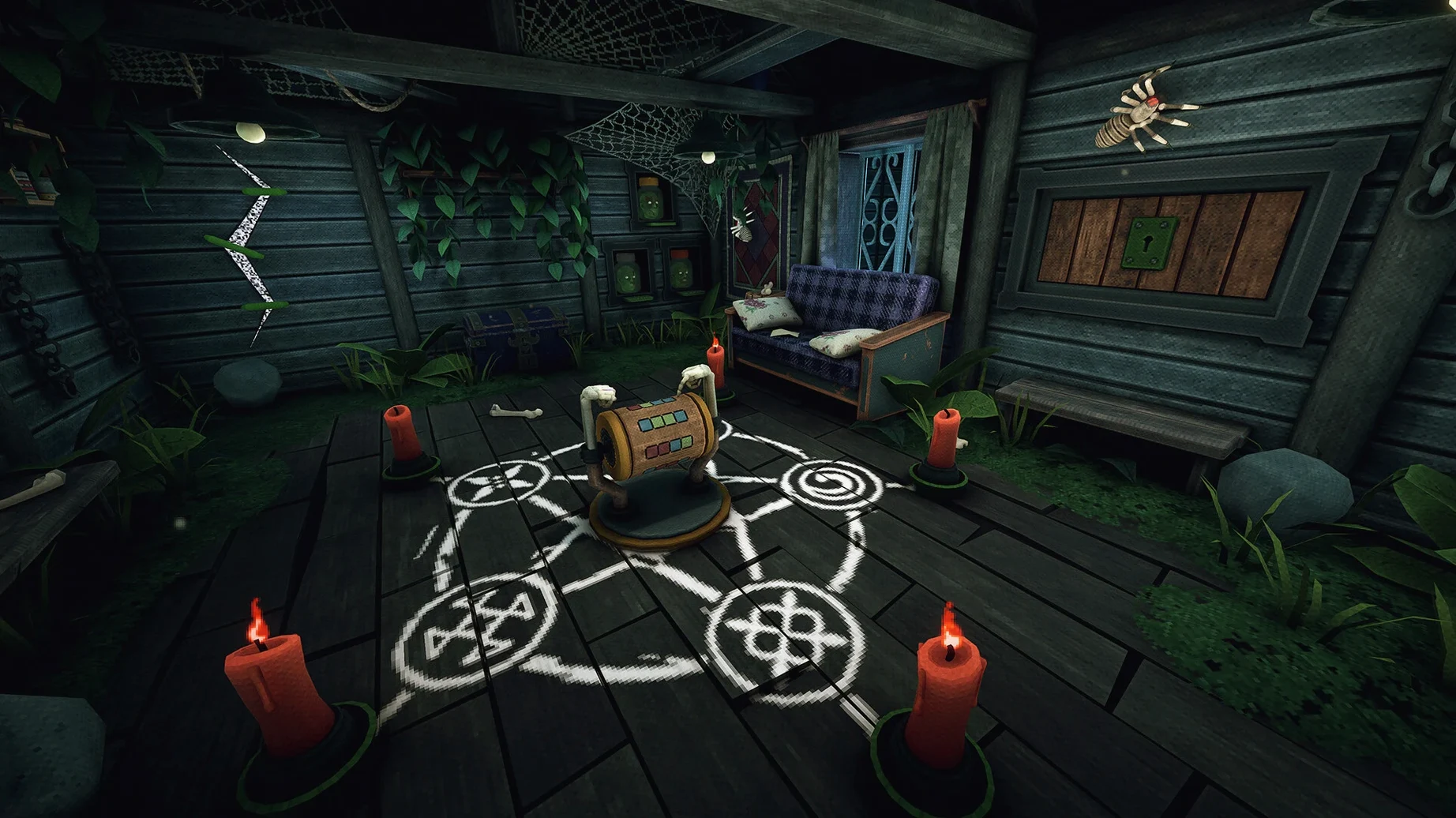
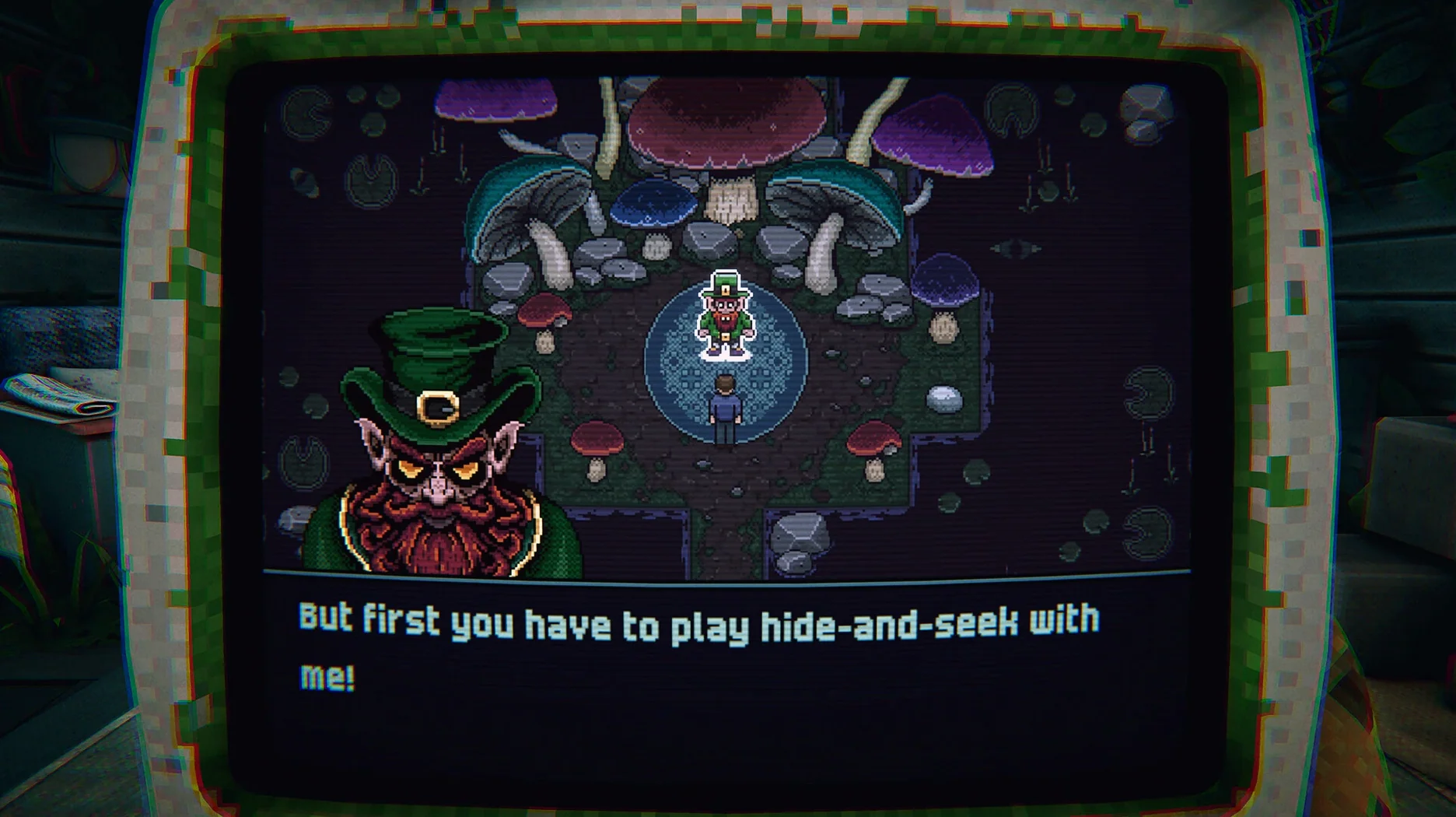
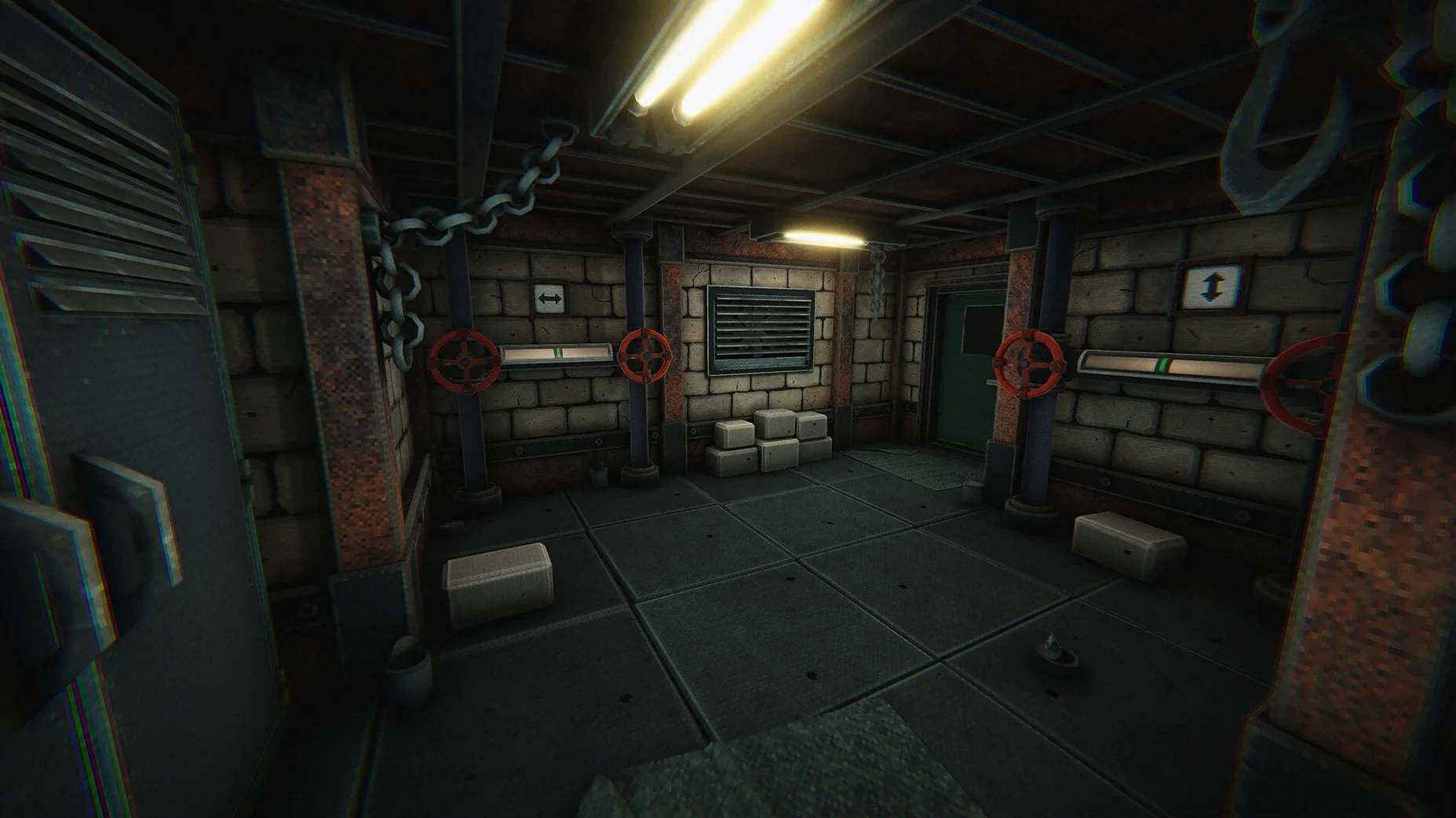
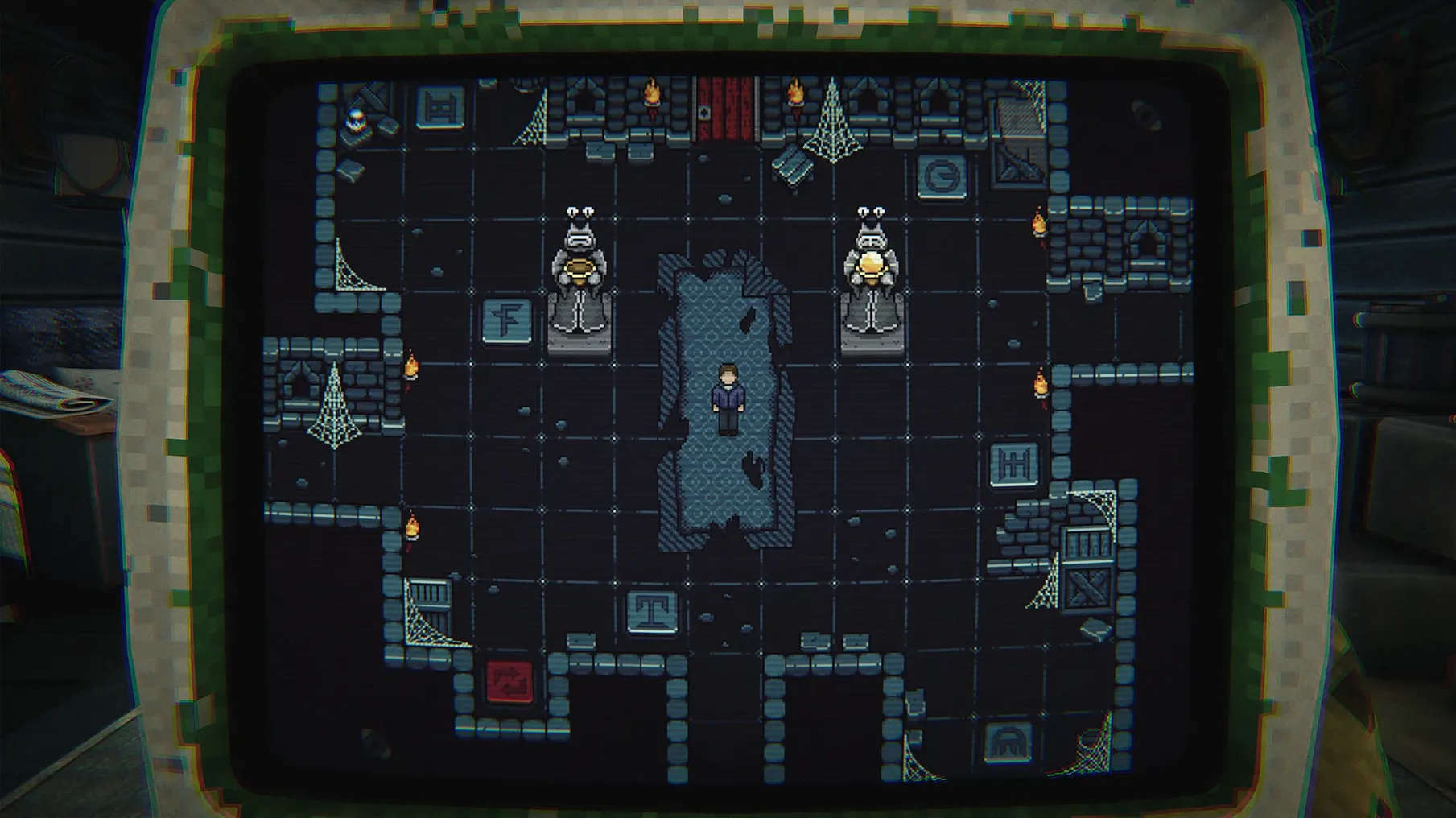
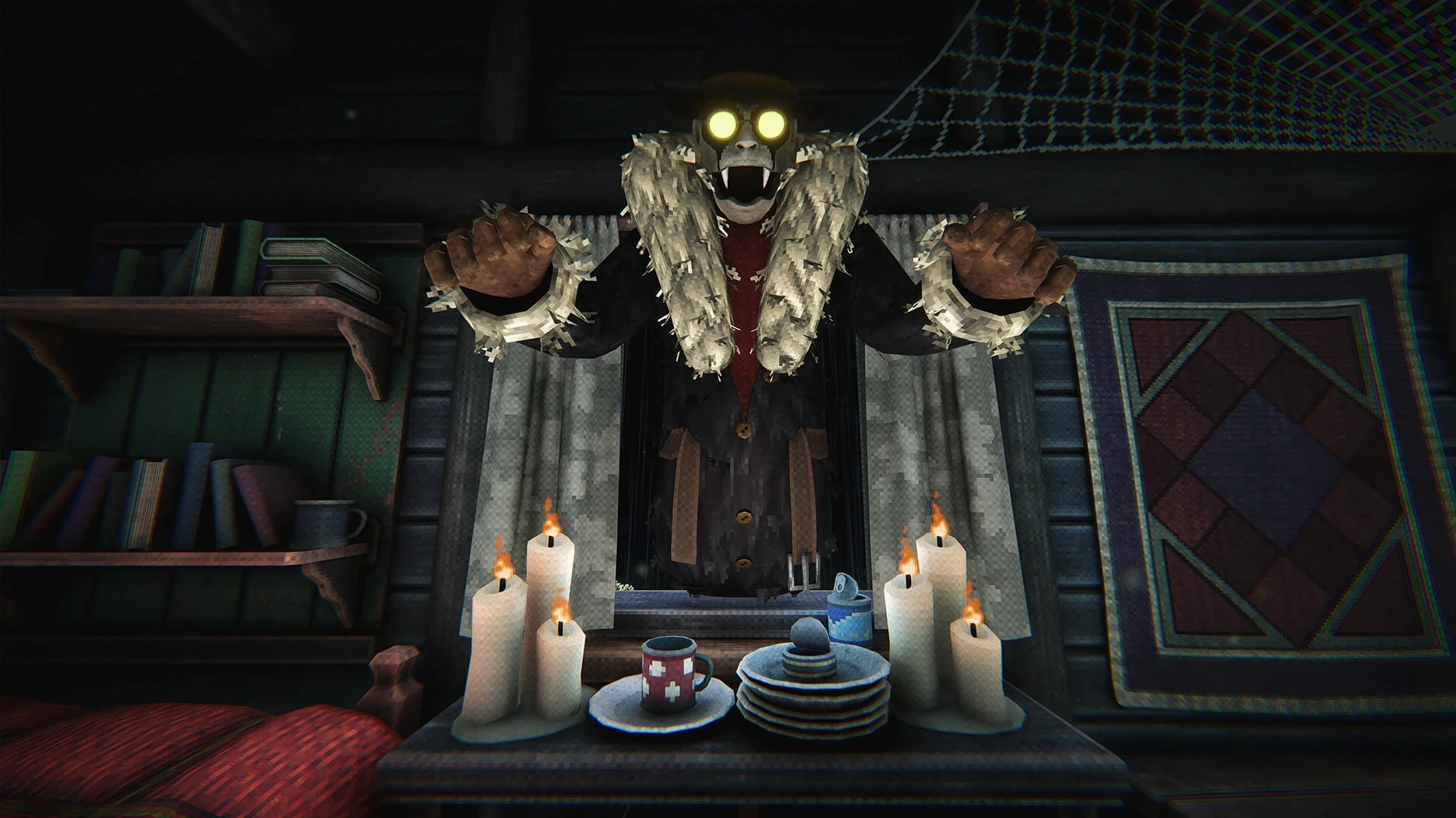
The setup shares a kinship with the Saw film series, though here the trap is a computer game offered by a cabin owner. Your freedom is the prize for playing. You control a first-person character locked inside a cabin deep in a forest, solving puzzles while the game tries to kill you in numerous ways. A preface version expands the story, but the core experience remains the cabin and its close connection to the game's rules.
Horror and puzzles
The game mixes first-person exploration with puzzle solving under constant threat. Being trapped is not just the premise — it is the engine. Each puzzle solution moves you closer to escape, while each misstep triggers one of the many deaths built into the software. The horror comes from the inevitability of these traps and the cabin's oppressive atmosphere, not from chasing monsters. You think, you act, and the game responds, often fatally.
ARM native build on an M4 Mac mini
This build runs on ARM architecture and was tested on macOS Tahoe with a 2024 M4 Mac mini. The package contains the full game as it stands at version 1.0.11. A Nintendo Switch listing confirms the game exists on other platforms, but this version is specifically for Apple Silicon Macs. Interface languages include Russian, English, German, Simplified Chinese, Korean, Portuguese and Japanese.
Dial sensitivity down for tiny screen-clicks
The game opens with sensible defaults, but two settings are worth adjusting straight away. Mouse sensitivity sits a fraction too high for the precise interactions some puzzles demand, particularly when clicking small objects on the computer screen inside the cabin. Dropping it by about fifteen percent gives you cleaner control without making turning feel sluggish. The field-of-view slider, tucked under the graphics options, defaults to a value that feels cramped during the tighter cabin sequences. Pushing it to 90 or just above opens up peripheral vision enough to spot trap triggers a beat earlier.
Audio benefits from a quick visit to the volume mixer. The music — listed as the only audio content — sets the mood well, but its default level can bury the quieter environmental cues that warn of an impending trap. Lower the music to around seventy percent and leave sound effects at maximum. You will hear the subtle mechanical clicks and shifts in ambience that the game uses as its early-warning system.
Performance and daily play
On Apple Silicon the game runs without frame-rate hitches, even during the more complex puzzle rooms where several trap elements activate in sequence. Loading between cabin areas is nearly instant — under two seconds on the tested M4 hardware — and the Wineskin wrapper introduces no perceptible input lag. Memory use stays modest, hovering around 1.2 GB of RAM during normal play, which leaves headroom for background apps without swapping.
Stability holds up across extended sessions. A three-hour stretch produced no crashes and no corrupted save states. The only quirk worth noting: if you alt-tab out and back while a death animation plays, the game occasionally mutes its audio until the next scene transition. It is minor and recoverable, but it exists. The wrapper's Fix file, included in the disk image, resolves launch errors that some users encounter on first run — running it once after installation is a sensible precaution even if the game starts normally.
Alongside other horror-puzzle titles
Placed next to Amnesia: The Dark Descent, this game trades the helpless fleeing for something more deliberate. Amnesia relies on hiding and sanity mechanics; here, you stand your ground and work the puzzle while the threat closes in. The cabin's single-room pressure-cooker structure feels tighter than Amnesia's sprawling halls, though the narrative scope is narrower. Where Amnesia builds dread through what you cannot see, this game builds it through what you know is coming.
Inscryption shares the cabin setting and the idea of a game-within-a-game, but the tone differs sharply. Inscryption leans into deck-building and meta-narrative trickery, while this title stays rooted in first-person puzzle logic. The traps are physical, not card-based, and the horror is less psychological and more immediate. Players who enjoyed Inscryption's cabin segments but wished they were played in real time and from a first-person view will find a natural fit here.
Against Escape Simulator, the difference comes down to consequence. Escape Simulator offers clean, frictionless puzzle rooms with no failure state beyond running out of time. This game punishes wrong answers with death, sometimes elaborately so. The puzzle design itself is simpler — fewer abstract item combinations, more cause-and-effect reasoning — but the stakes make every decision feel heavier. If Escape Simulator is a warm-up, this is the live exercise.