 Aspecten

 Download (1.3 GB)
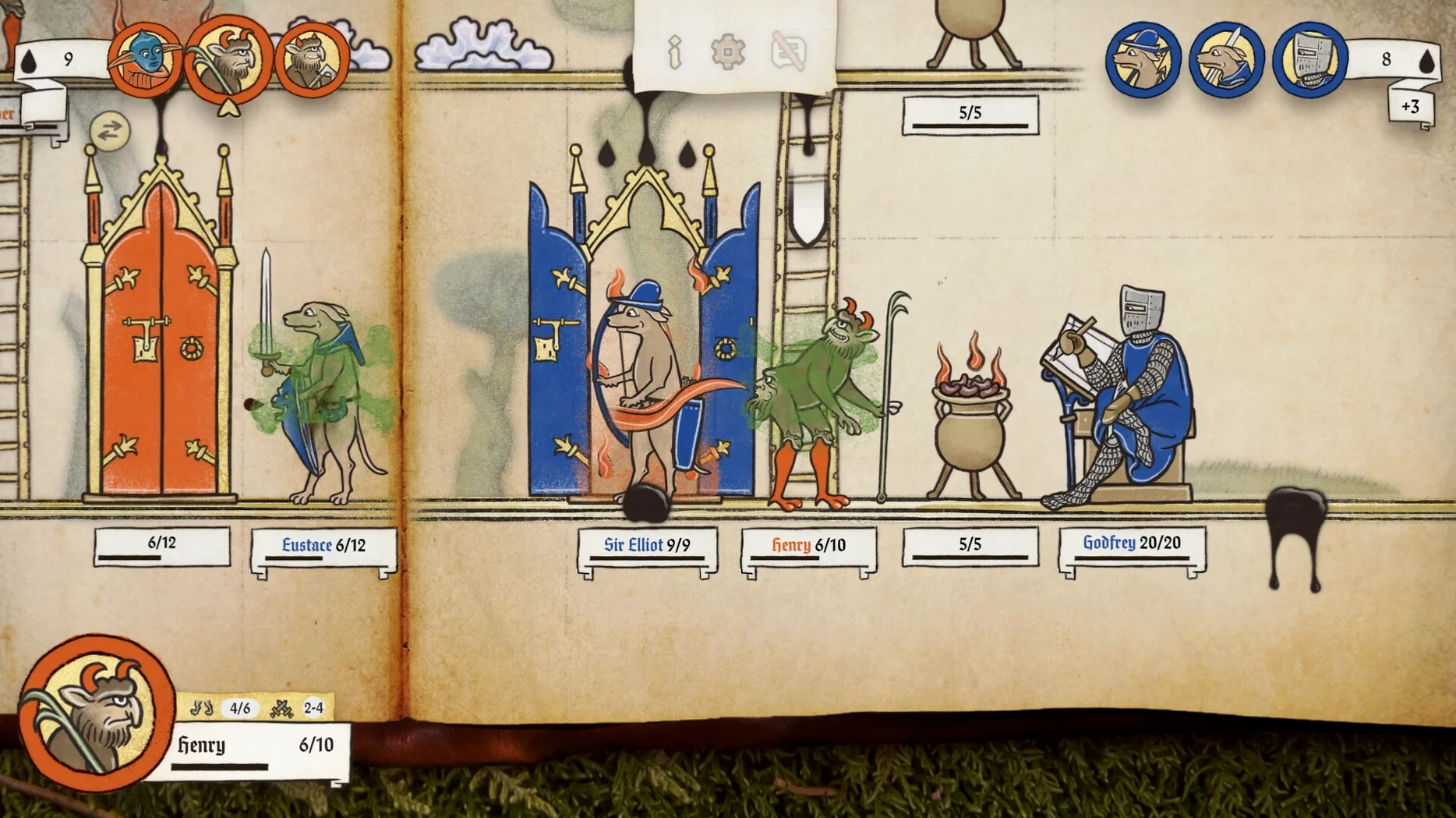
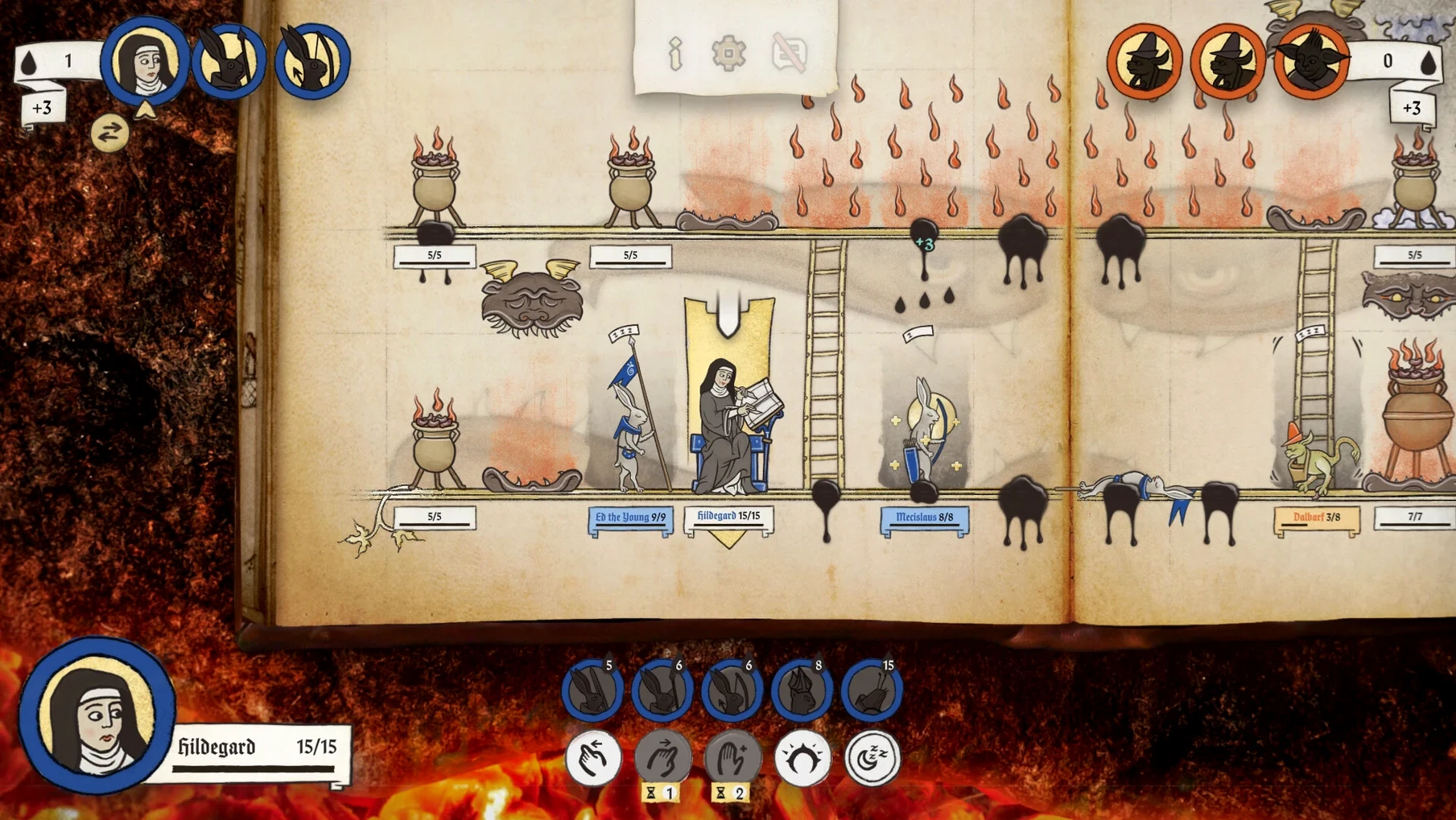
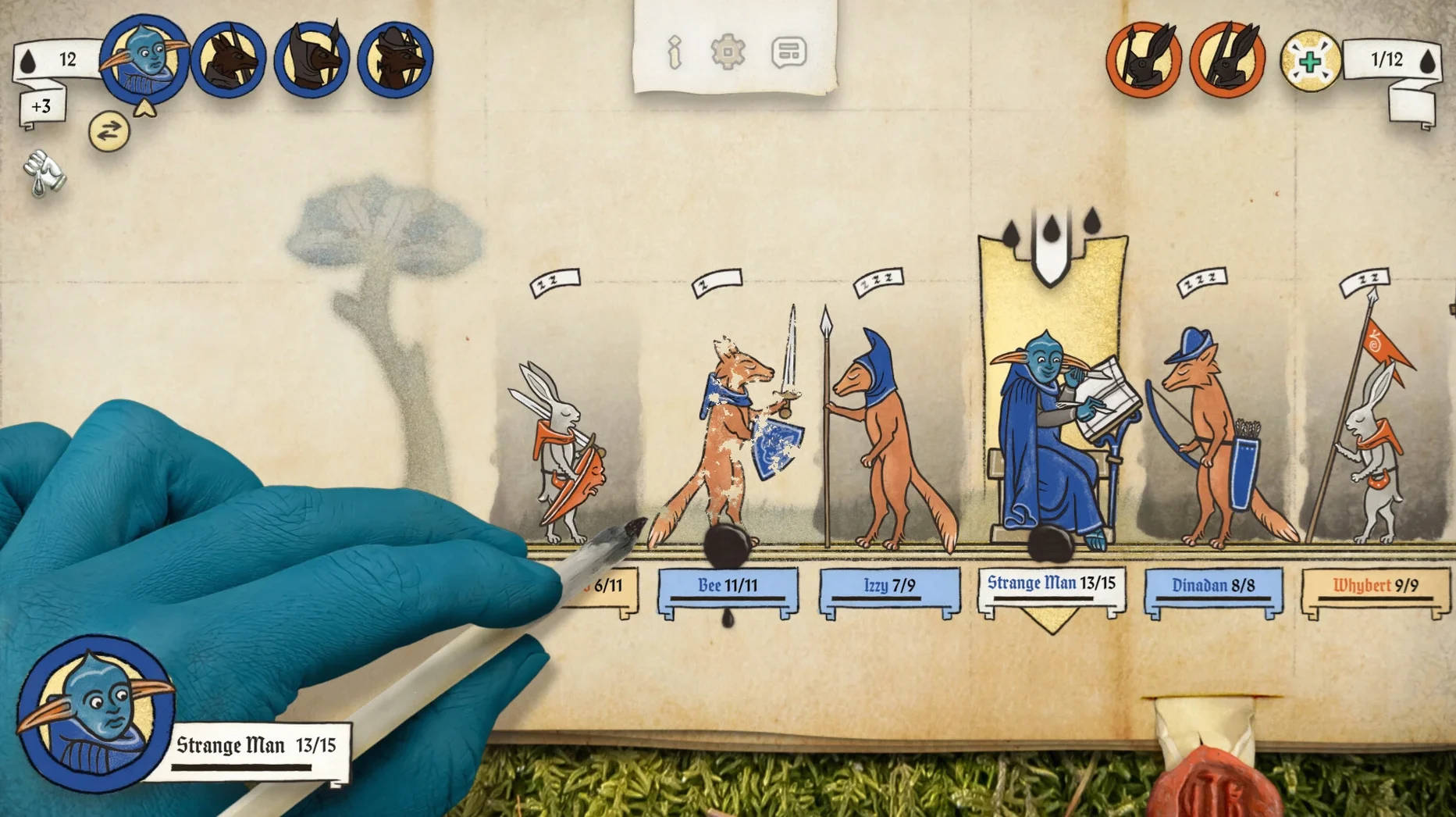
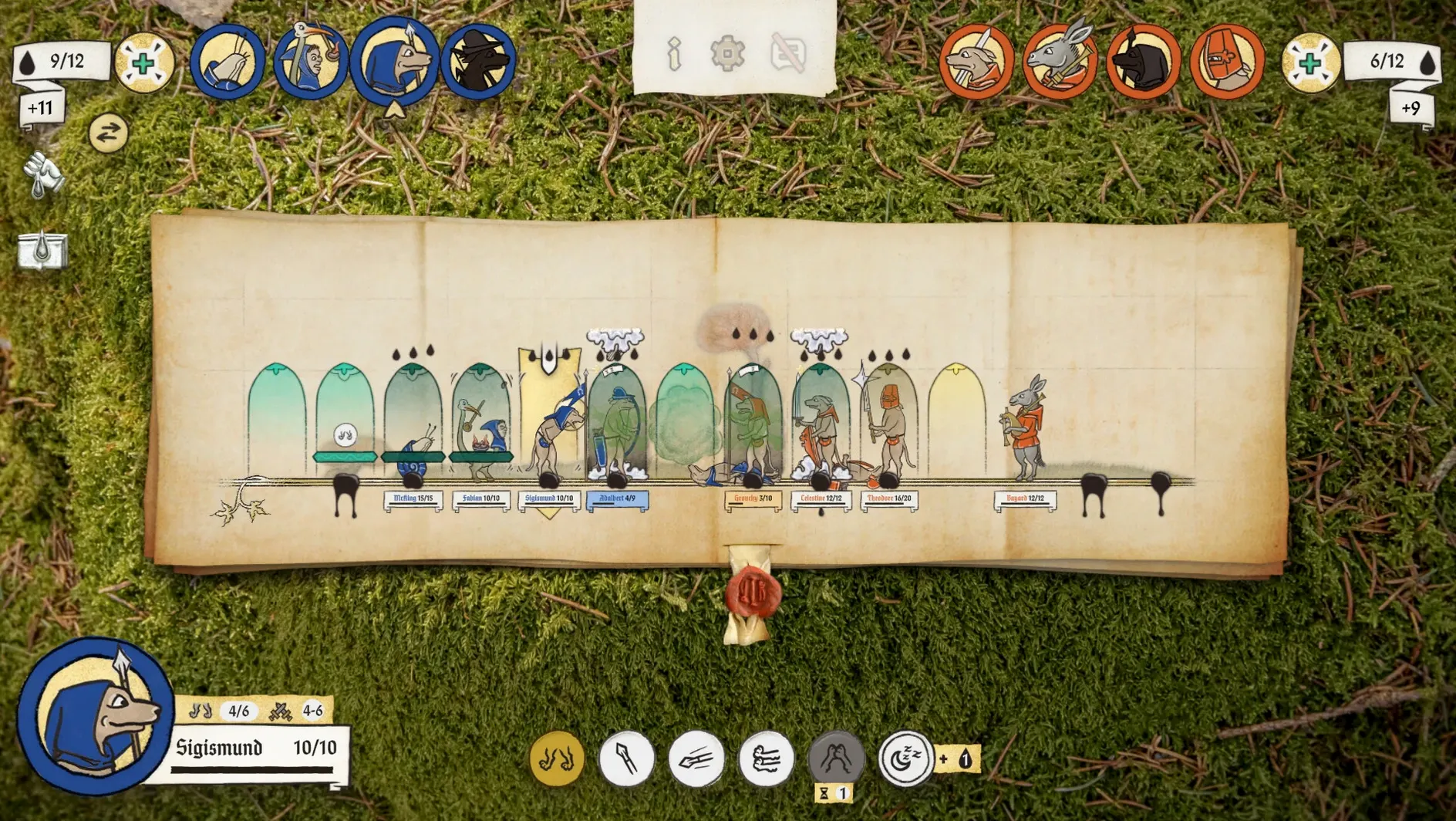
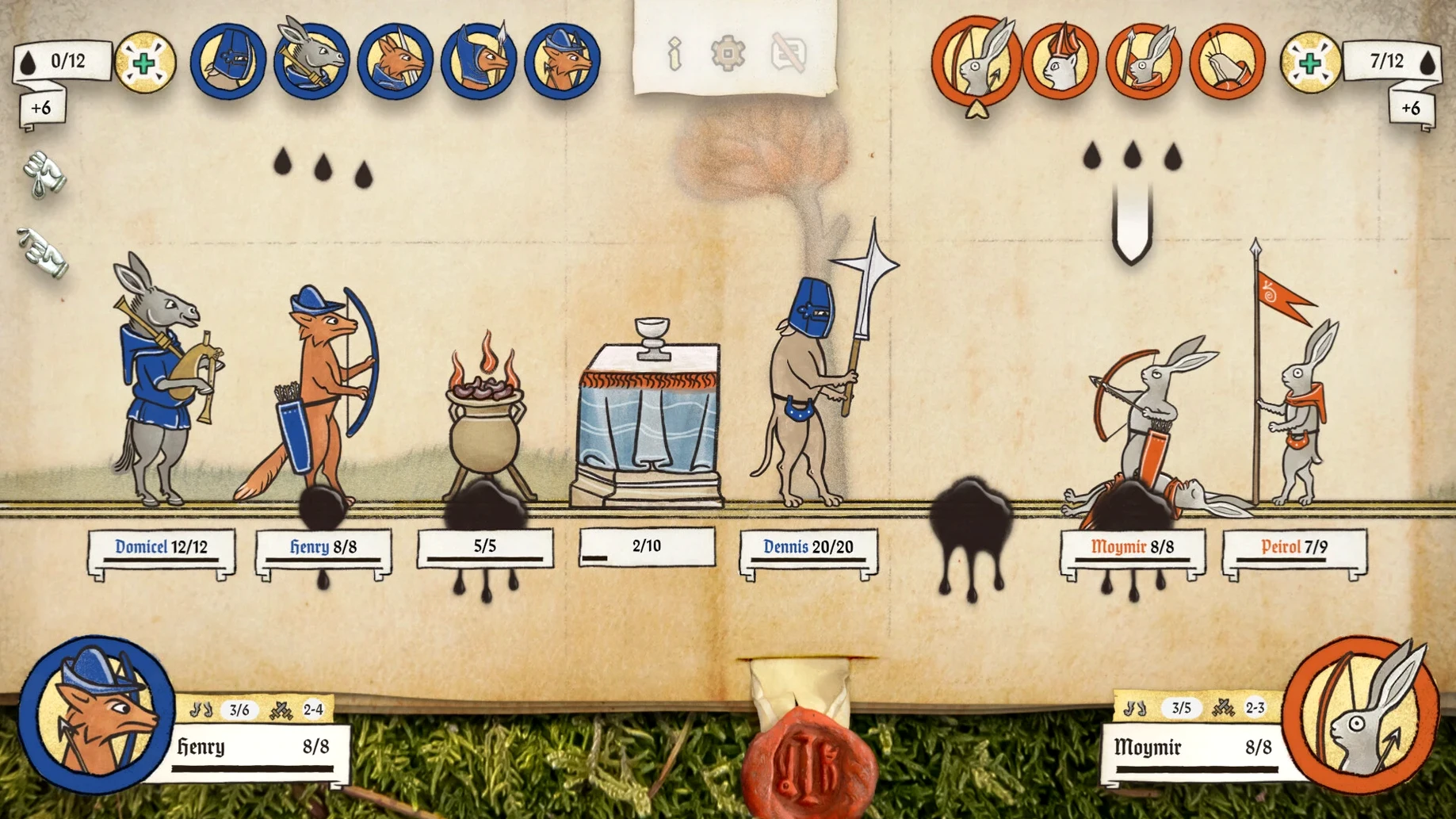
If you have spent time with a turn-based tactics game like Into the Breach, the combat rhythm of Inkulinati will feel familiar, but the setting is entirely its own. Every battle unfolds across the parchment of a medieval manuscript, with armies of rabbits, dogs, and bishops drawn in period style.
Does Inkulinati run natively on Apple Silicon?
No. The game is built for 64-bit Intel Macs and runs on Apple Silicon machines through Rosetta 2. Performance is smooth on recent hardware, though you should expect the fan to engage on fanless MacBook Air models during longer sessions.
Positioning, hazards and apocalyptic twists
It is a turn-based strategy game where positioning matters as much as the unit you pick. Battlefields contain hazards and items that can turn a match, and an apocalypse event system can introduce fire, plague, or a sudden Memento Mori that reshapes the board mid-fight. Masters can use special actions during battle, adding a layer of resource management beyond troop movement.
How does the single-player campaign work?
The journey mode lets you create and improve a character across a single-player campaign. You move through encounters, build up your bestiary of units, and unlock abilities that carry over between battles.
What is the control setup like on a Mac?
The interface works best with a mouse or trackpad; the turn-based nature means no fast reflexes are needed. The installer recommends the Applications folder, and language support covers twelve options including Russian, Chinese, Korean, and Japanese.
Fewer crashes when apocalypse events trigger back-to-back
Version 1.48.1.1, released at the end of January 2023, is labelled a fix build. In everyday use that means fewer crashes when the apocalypse events trigger two turns in a row, a bug that used to lose a turn for players relying on the plague hazard to whittle down an opponent’s back line. The fix build also tidied up a memory leak that appeared when you left the game running between sessions; before the patch, performance would degrade after a few hours of paused play on Intel Macs with 8 GB of RAM.
The studio has kept the design language consistent across updates: no new units arrived in this build, no balance pass on the Memento Mori timing. If you played Inkulinati in late 2022, the feel of the game is identical. The difference is stability — fewer restarts during long journey mode sessions, which is the mode where lost progress stings most.
A mapmaker’s evening
A historian specialising in late-medieval marginalia sits down with a MacBook Pro and a cup of tea. She opens a journey mode save where her tiny army is pinned between Hildegard’s snails and a battlefield item that drops a plague cloud every fourth round. Her donkey bard is low on stamina, so she spends a turn repositioning while the plague does its work. She draws a sword-wielding rabbit forward, uses a master action to push an enemy snail onto a fire hazard, and watches the parchment burn away the unit. The manuscript aesthetic is what keeps her coming back — she recognises the marginalia motifs from actual codices — but the tactical puzzle of using hazards and apocalypse events to beat a larger force is what makes her finish the map.
Speed up the sluggish parchment pan and reveal ability tooltips faster
- Camera speed. The default pan speed across the parchment feels sluggish on a trackpad. Raising it by a third makes surveying large battlefields quicker without overshooting.
- Tooltip delay. Unit abilities are dense with status effects and synergy notes. Shortening the tooltip delay to its minimum value helps you learn what each beast does without hovering and waiting mid-turn.
- Auto-end turn. The game’s default setting waits for a manual confirmation after every unit has acted. Turning on auto-end shaves seconds off each round — useful when you replay a map for a better result.