Aspecten
 Download (632 MB)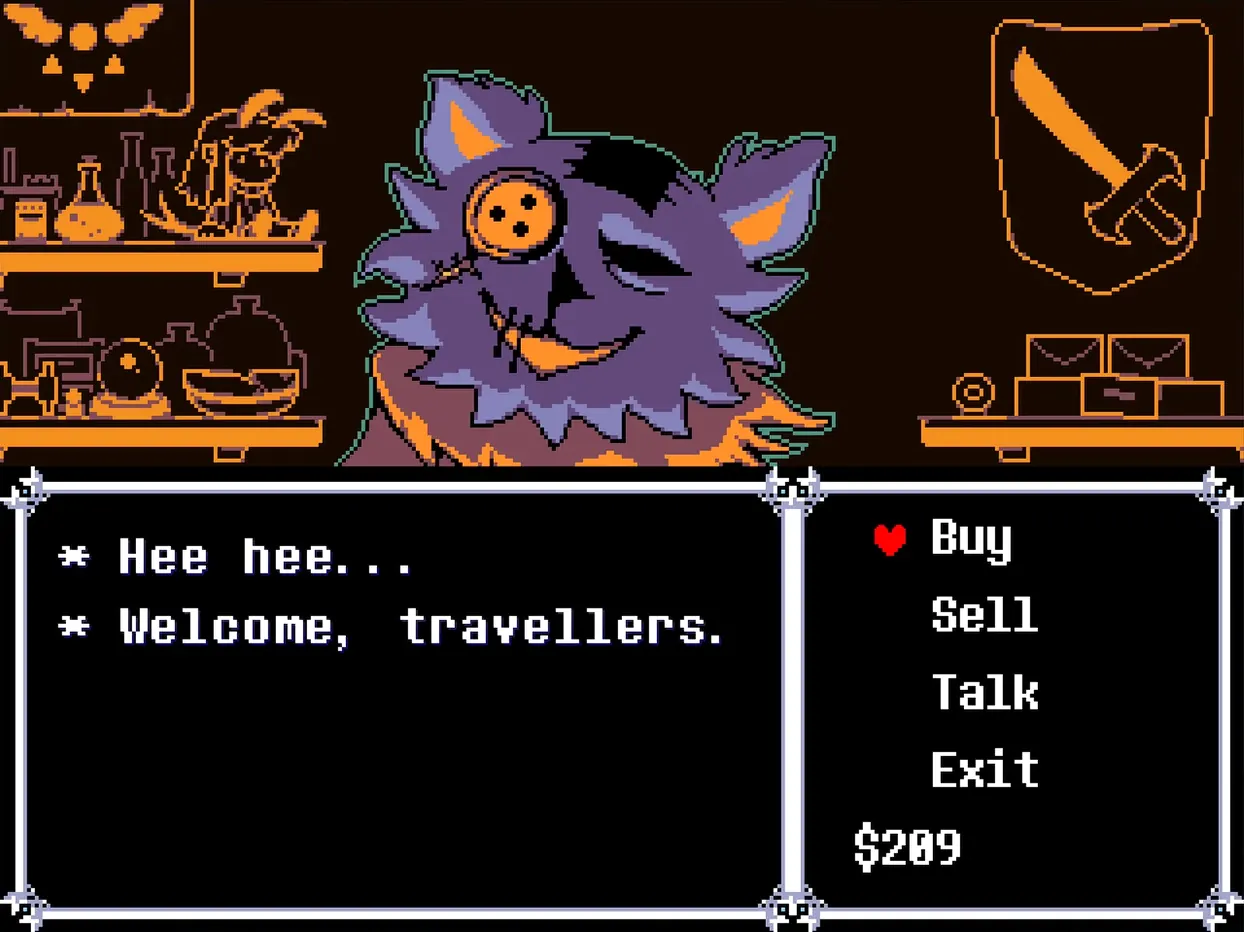
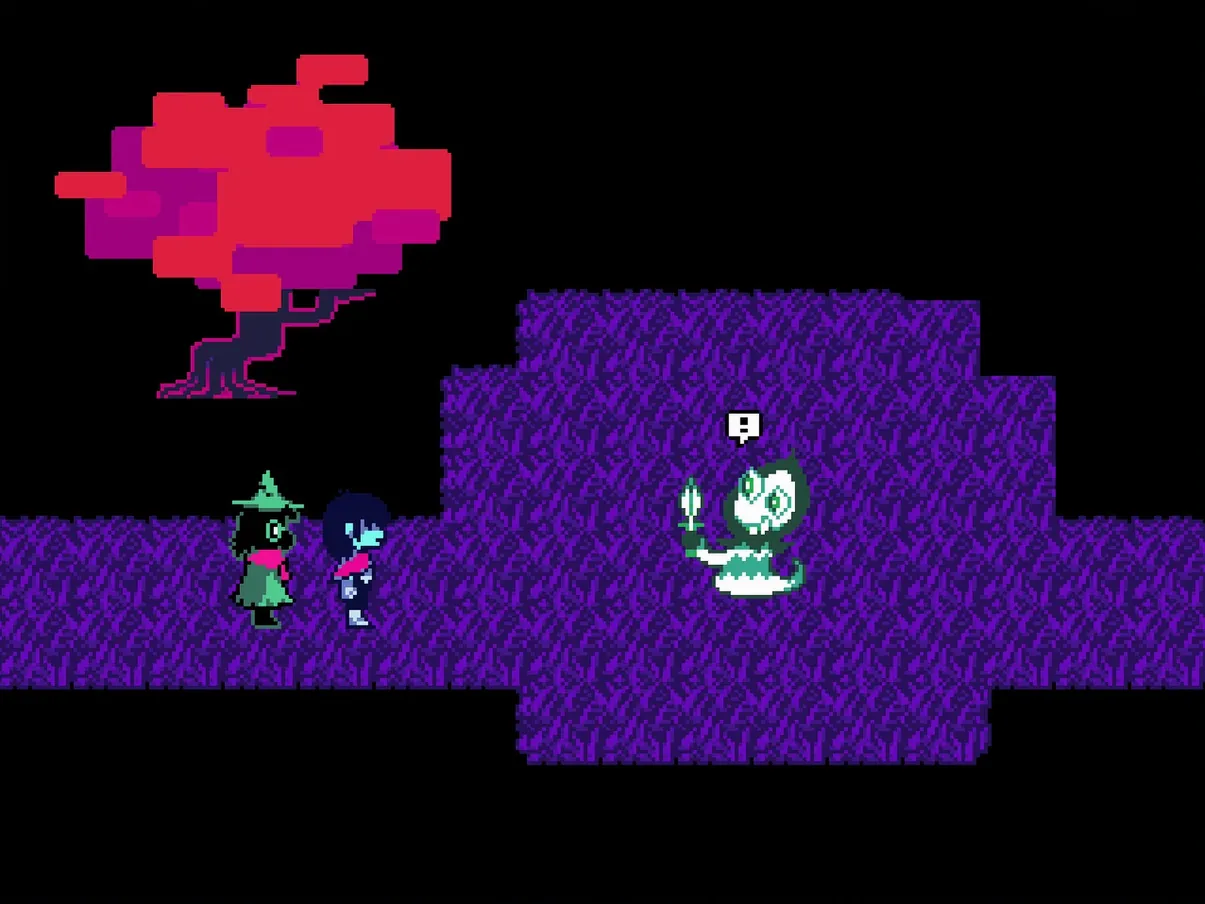
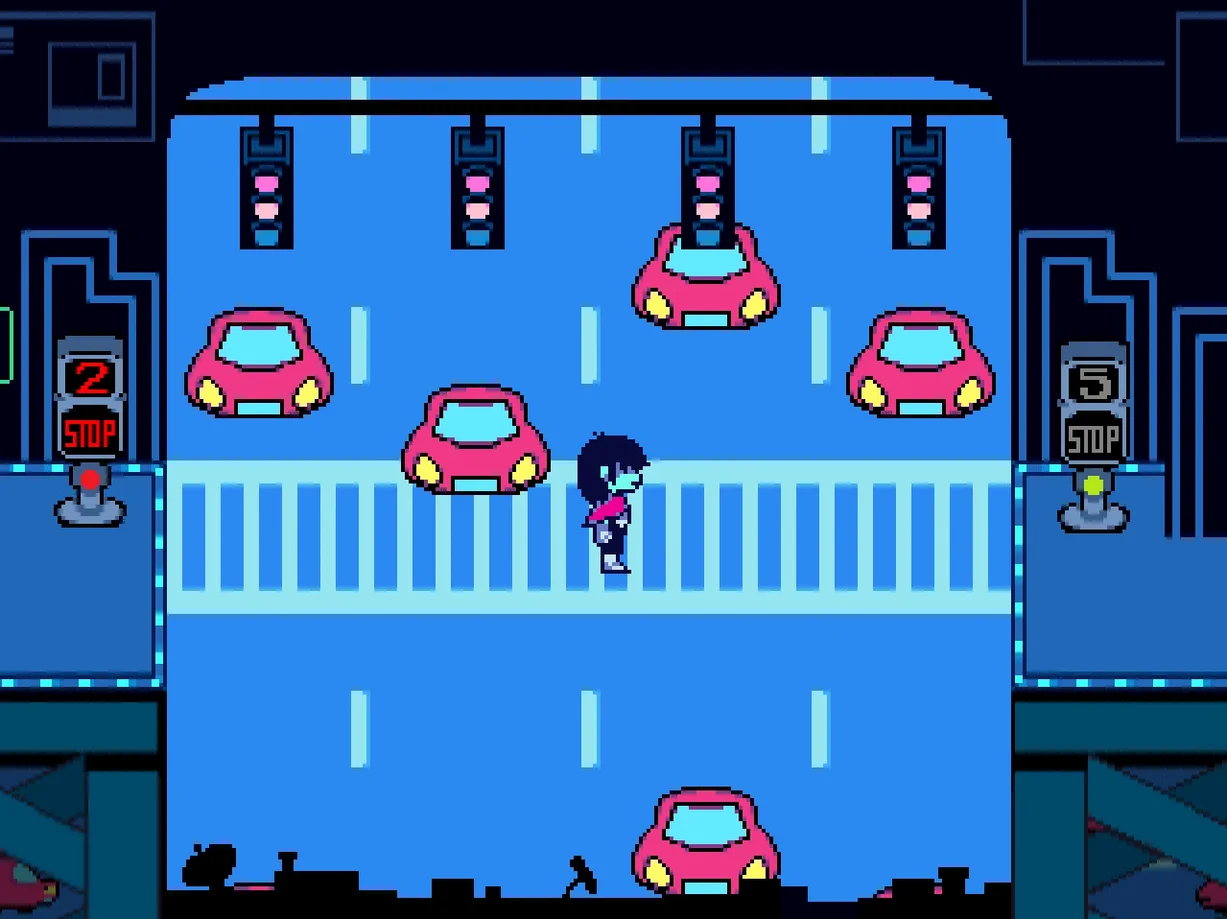
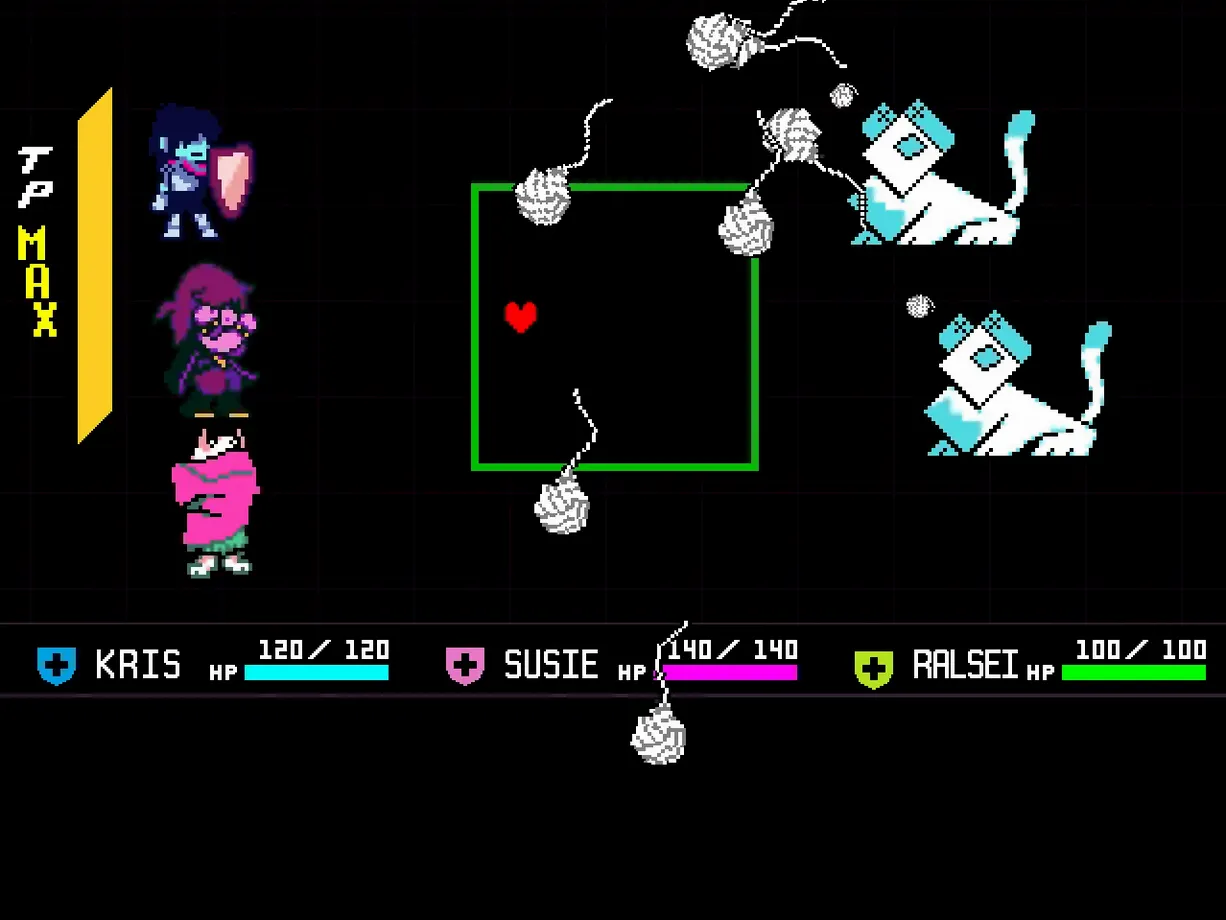
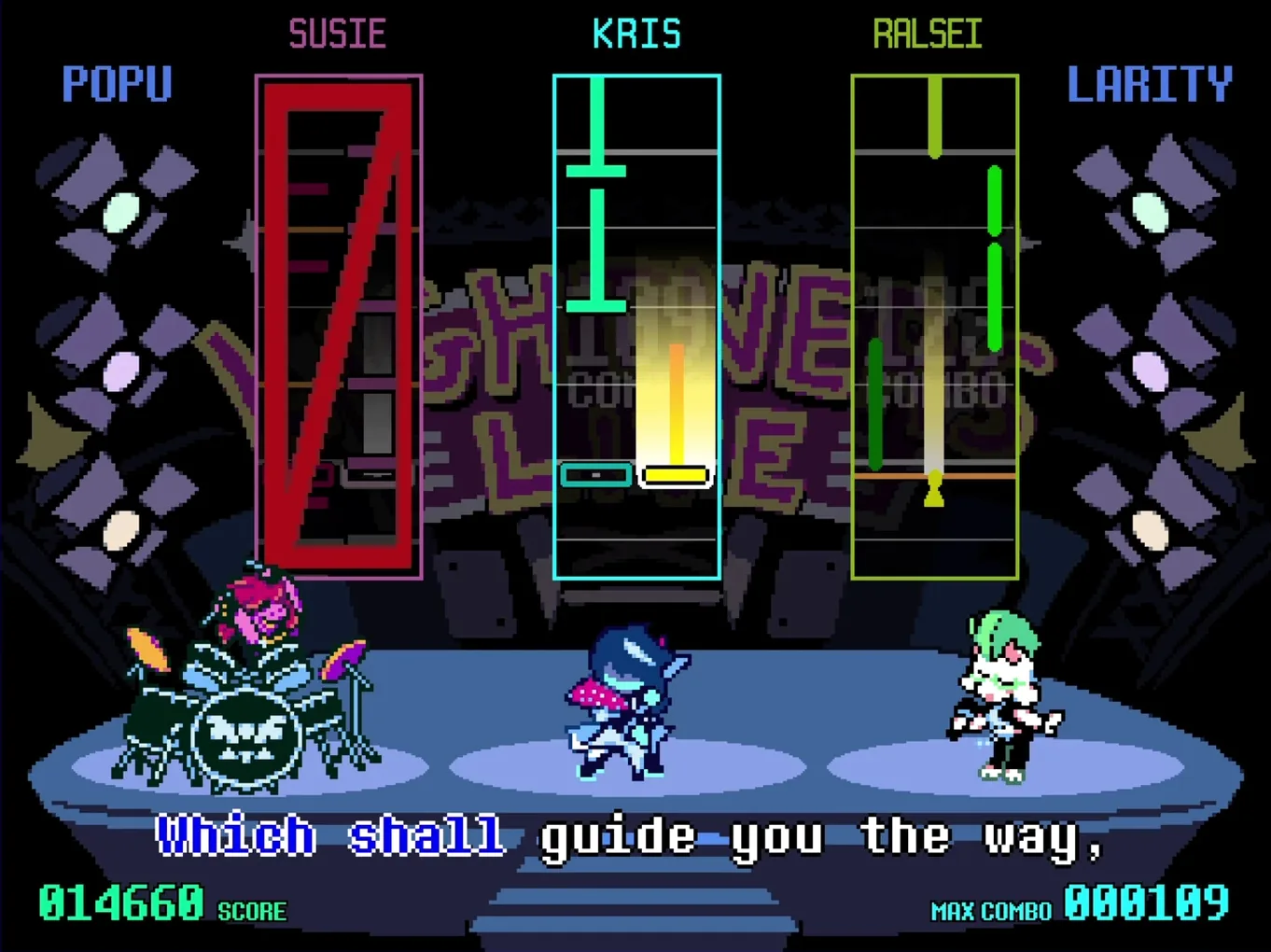
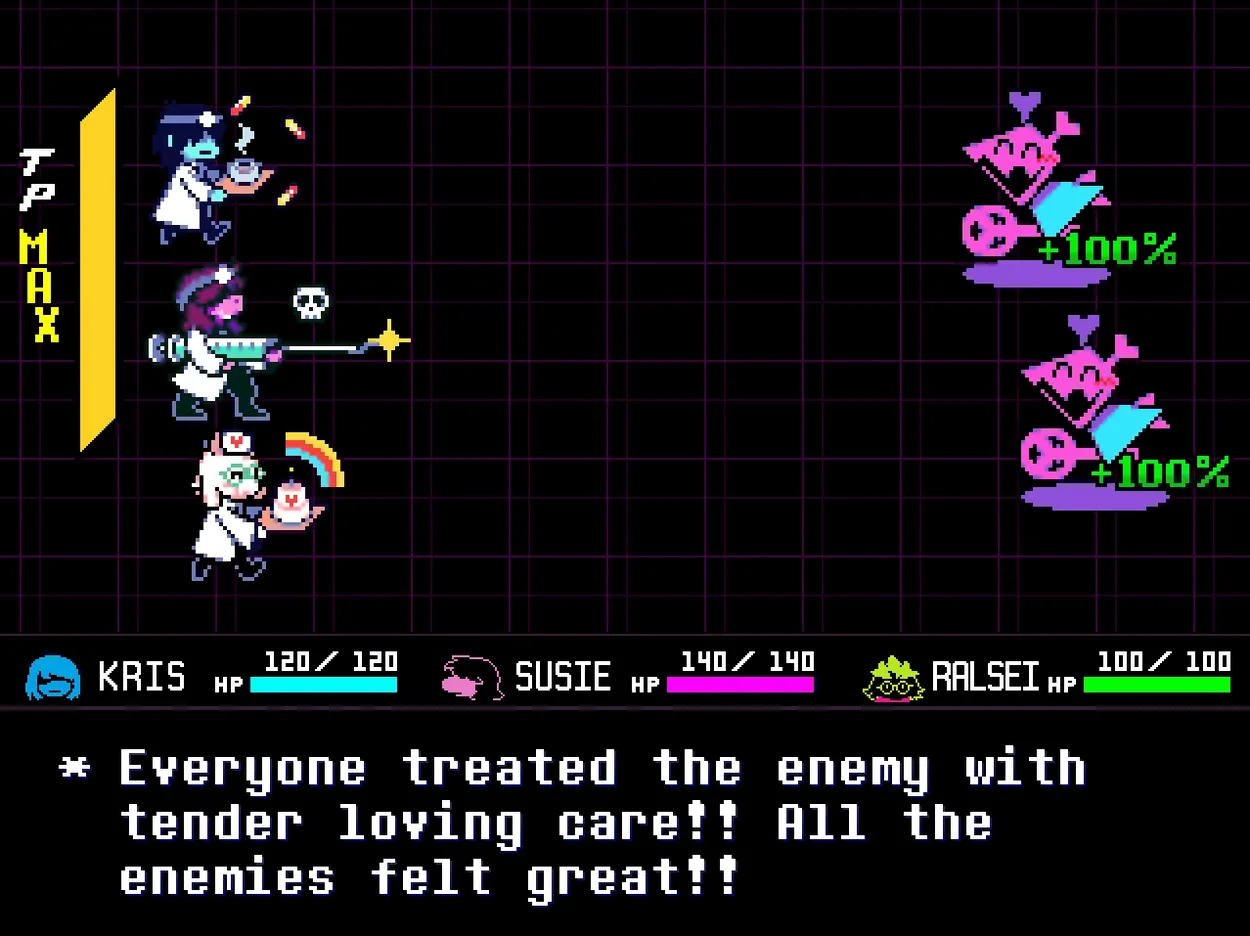
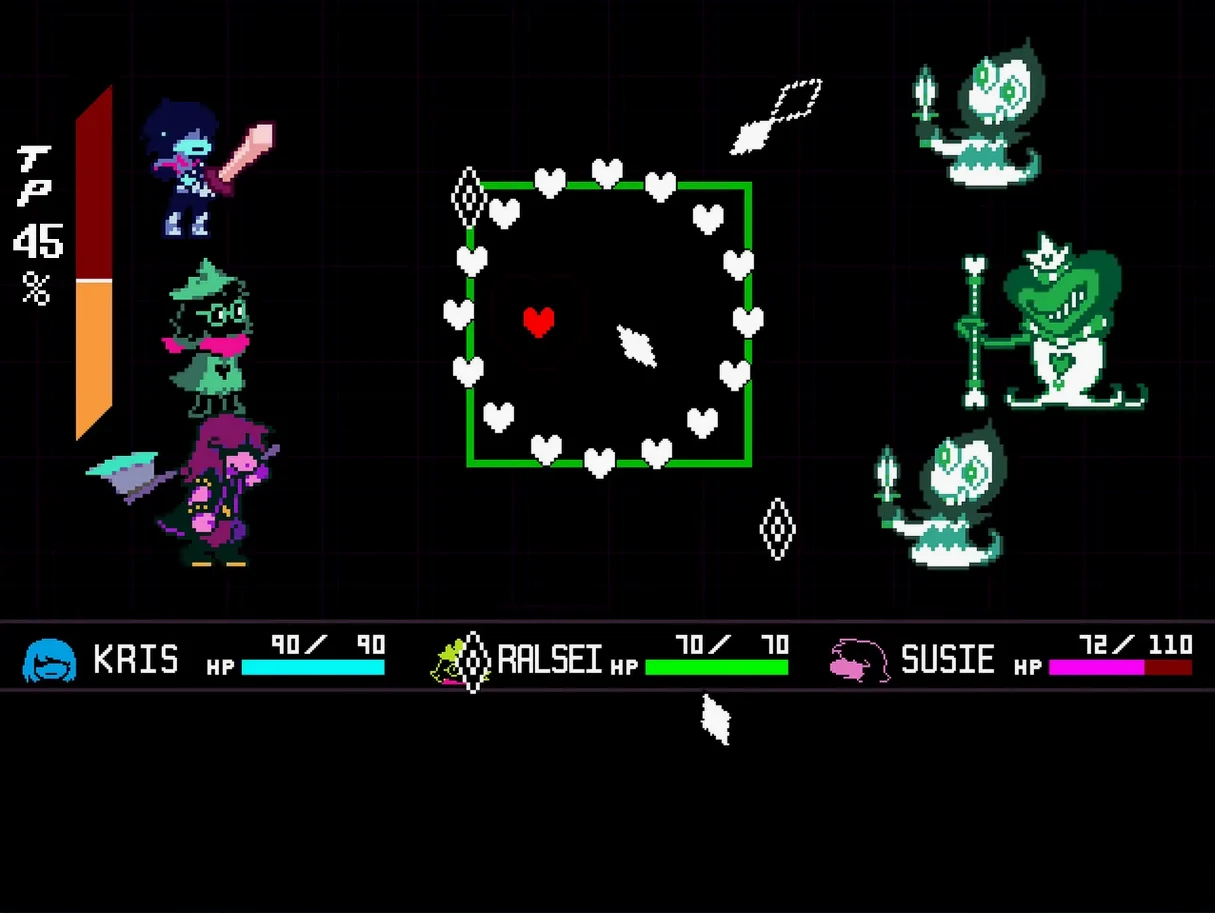
Five chapters ship in the current build, with English and Japanese as the two interface languages. DELTARUNE is an episodic role-playing game that runs on Mac as a parallel story to UNDERTALE, following a different cast through a world that shares some of the earlier game's tone.
- Chapters 1 through 5 are included in the present release.
- The game runs natively on both Intel and Apple Silicon Macs.
- Interface text is available in English and Japanese.
- Audio consists of music only; there is no voice acting.
- The full game also exists on PC, Nintendo Switch, Nintendo Switch 2, PlayStation 4, and PlayStation 5.
The download itself is a disk image containing the app. Installing takes a single drag to the Applications folder, after which the game appears in Launchpad. The episodic structure means the chapters are meant to be played in order, so a new player starts at the beginning of the parallel story rather than picking an arbitrary chapter from a menu.
Hidden speed‑reading trick with X
Several touches stay out of sight until you stumble across them. Holding X during dialogue speeds text to its end without skipping lines outright — handy when a scene runs long on a replay but you do not want to risk missing a variant. Pressing C in battle opens a quick spare menu without scrolling through the full action list, which cuts a second or two off every encounter once you settle into a pacifist run.
The save points carry an understated convenience. Walking close to one restores a sliver of health on the spot, not just when you confirm a save. In a dungeon stretch where you are low on items, you can pace back and forth near a save star to top up before the next fight. The game never points this out.
Inventory sorting leans on muscle memory from UNDERTALE. Tapping Z or Enter on a blank equipment slot jumps straight to the armour or weapon list rather than forcing you through the full item bag first. On Mac keyboards where Z and X map cleanly, the setup feels natural within minutes.
The windowed mode respects Mac desktop conventions more than one might expect. Dragging the window edge resizes smoothly, and the pixel art scales without blurring when you keep the aspect ratio locked. Pressing F4 toggles fullscreen without digging through a settings menu, matching a shortcut older RPG ports often omit.
Built for players who already trust the spare system
Players who finished UNDERTALE and wanted more of the same sensibility find the strongest match here. The parallel story structure rewards familiarity with the earlier game's rules — bullet-dodging defence sections, the spare system, and the way the narrative remembers choices across sessions. Someone coming in cold still follows the plot, but the callbacks and the strange edges of the world land harder when you recognise a recurring face or a flipped expectation.
Mac users who play in shorter sessions benefit from the episodic shape. Each chapter closes a narrative arc while leaving threads open, so stopping between chapters feels natural rather than like an interruption. The save system is generous, and the game rarely forces a long unbroken stretch.
People drawn to action-battle hybrids rather than pure turn-based combat tend to stick around. The defence segments move in real time, with attack patterns that demand dodging by feel. The rhythm shifts from menu navigation to direct control and back again within a single encounter, which breaks the repetition that pure menu-driven fights can settle into over hours.
Players who value a self-contained install also have reason to appreciate this Mac build. The disk image gives you the app and nothing else — no launcher, no account check, no background service. Dragging it to the trash removes it cleanly, which suits a machine shared between family members or a work laptop where stray processes are unwelcome.
Black screen with audio on Apple Silicon Macs
One recurring hitch on Apple Silicon Macs involves the game launching to a black screen with audio playing underneath. The culprit is usually a mismatched fullscreen resolution. Holding Option while launching forces a windowed start, after which you can set a resolution the display handles natively in the in-game settings. On a Mac mini 2024 M4 tested with macOS Sequoia, this cleared the issue on first try.
Some players report the app refusing to open at all with a Gatekeeper warning about an unidentified developer. The fix is the standard one: right-click the app icon and choose Open from the context menu, then confirm in the dialogue that appears. You only need to do this once. If the disk image was copied from a network location, moving it to the desktop before mounting can sidestep a separate quarantine flag that macOS applies to remote files.
A less obvious snag surfaces with Bluetooth headphones. The game outputs audio to the last-used device, and switching to AirPods mid-session sometimes drops the sound until a restart. Plugging in wired headphones or connecting Bluetooth before launching avoids the problem entirely.
Performance stumbles are rare on current Macs, but players on older Intel machines sometimes see chugging during bullet-heavy attack sequences. Lowering the in-game resolution one notch — even to 720p — restores smooth dodging without making the pixel art illegible. The art style holds up at reduced resolutions better than most modern sprites.
Save file locations occasionally trip up someone moving from a PC playthrough. On Mac the saves live in ~/Library/Application Support/com.tobyfox.deltarune, not in the app bundle. Backing up that folder preserves progress across a reinstall or when switching Macs, and it is the folder you want if you ever need to reset a chapter without replaying the whole game.