 Aspecten

 Download (5.6 GB)
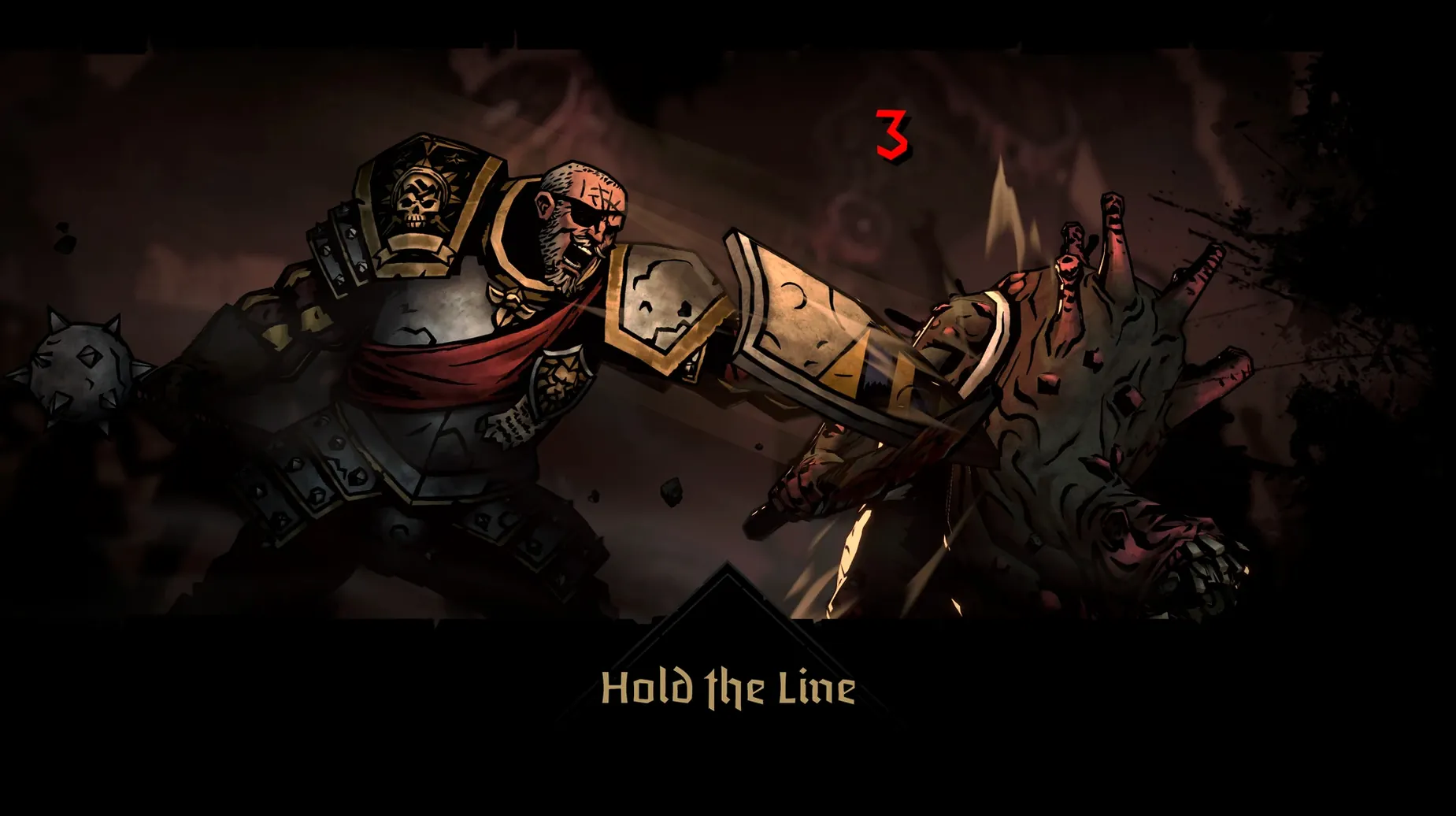
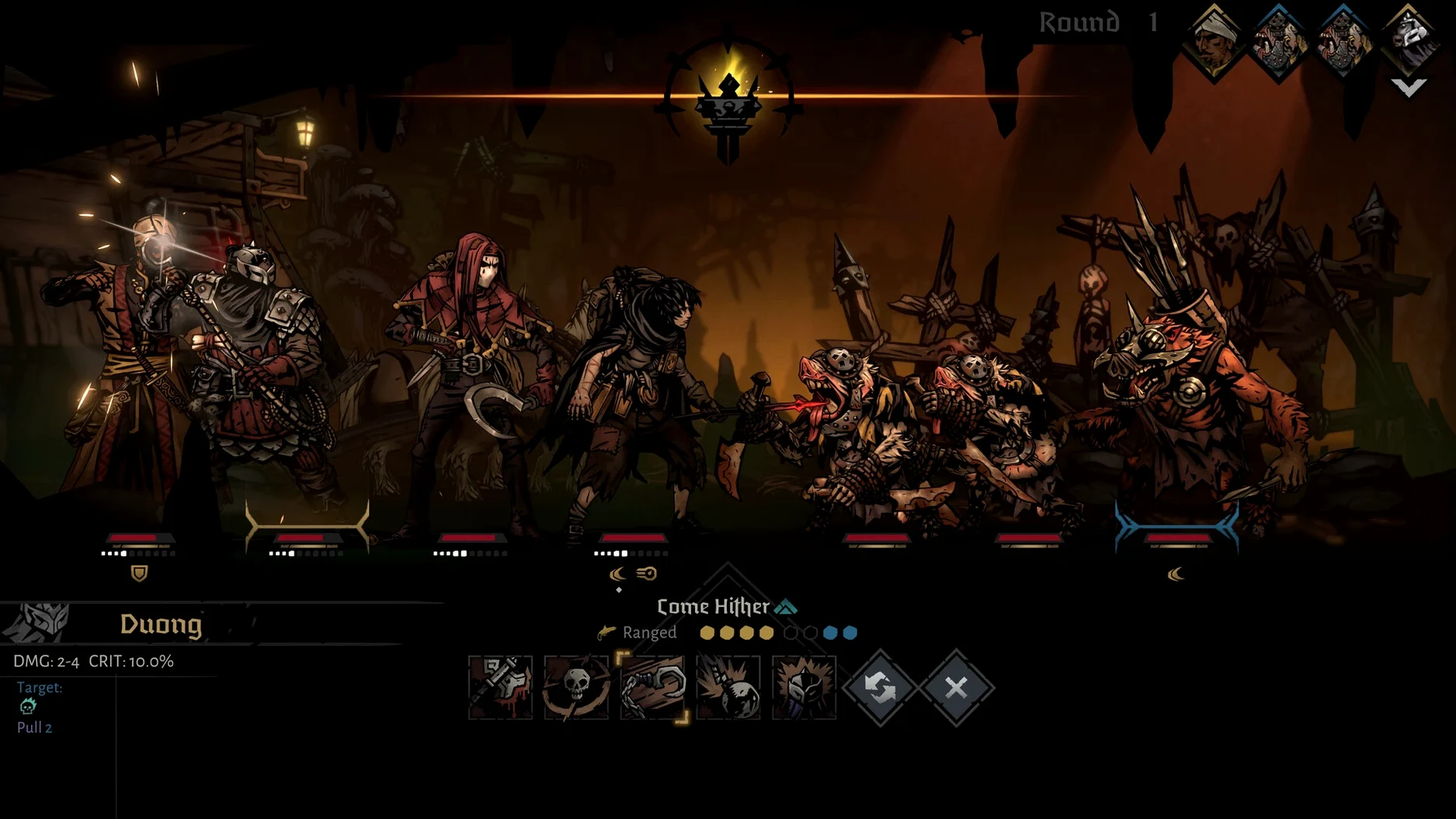
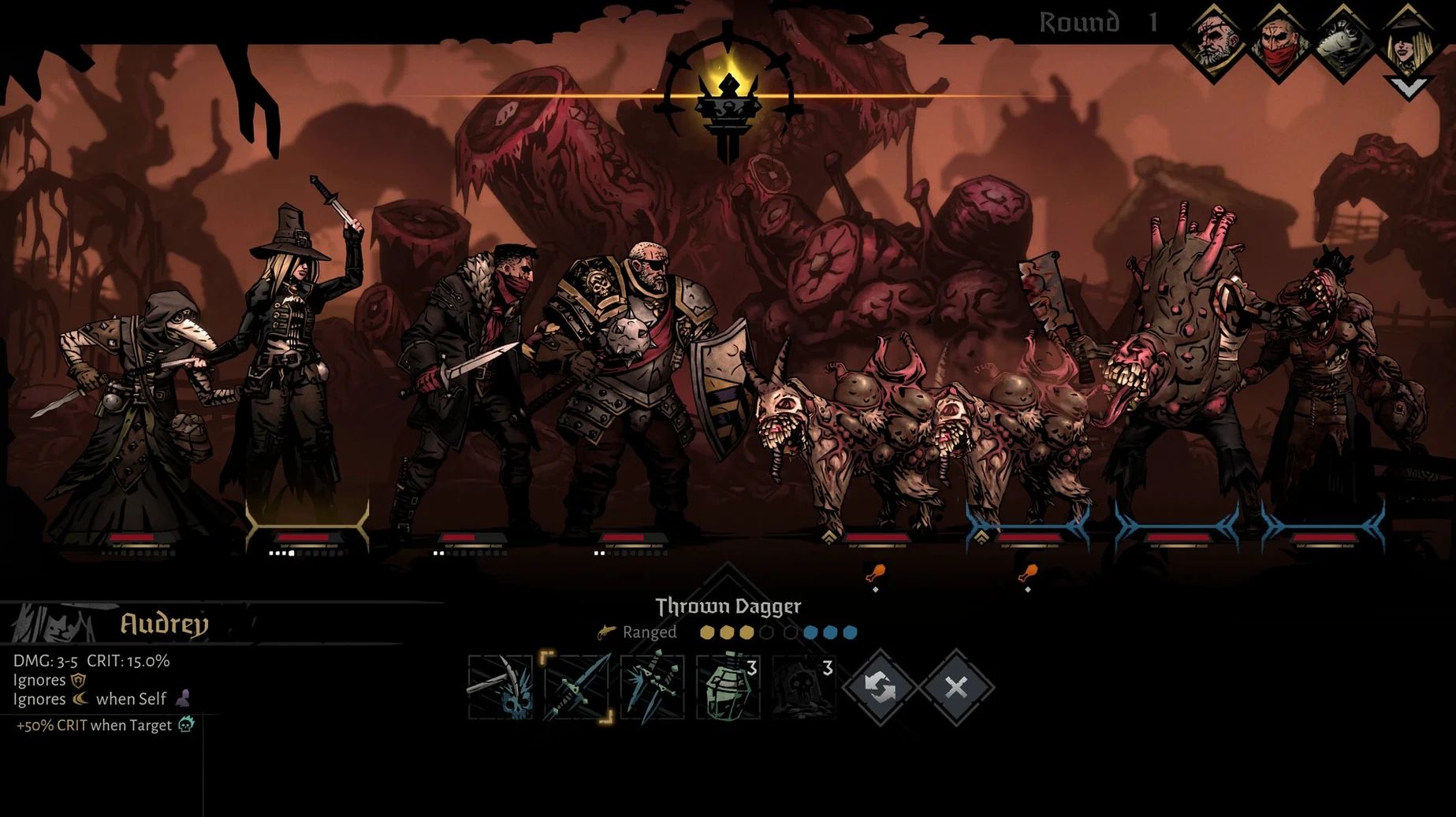
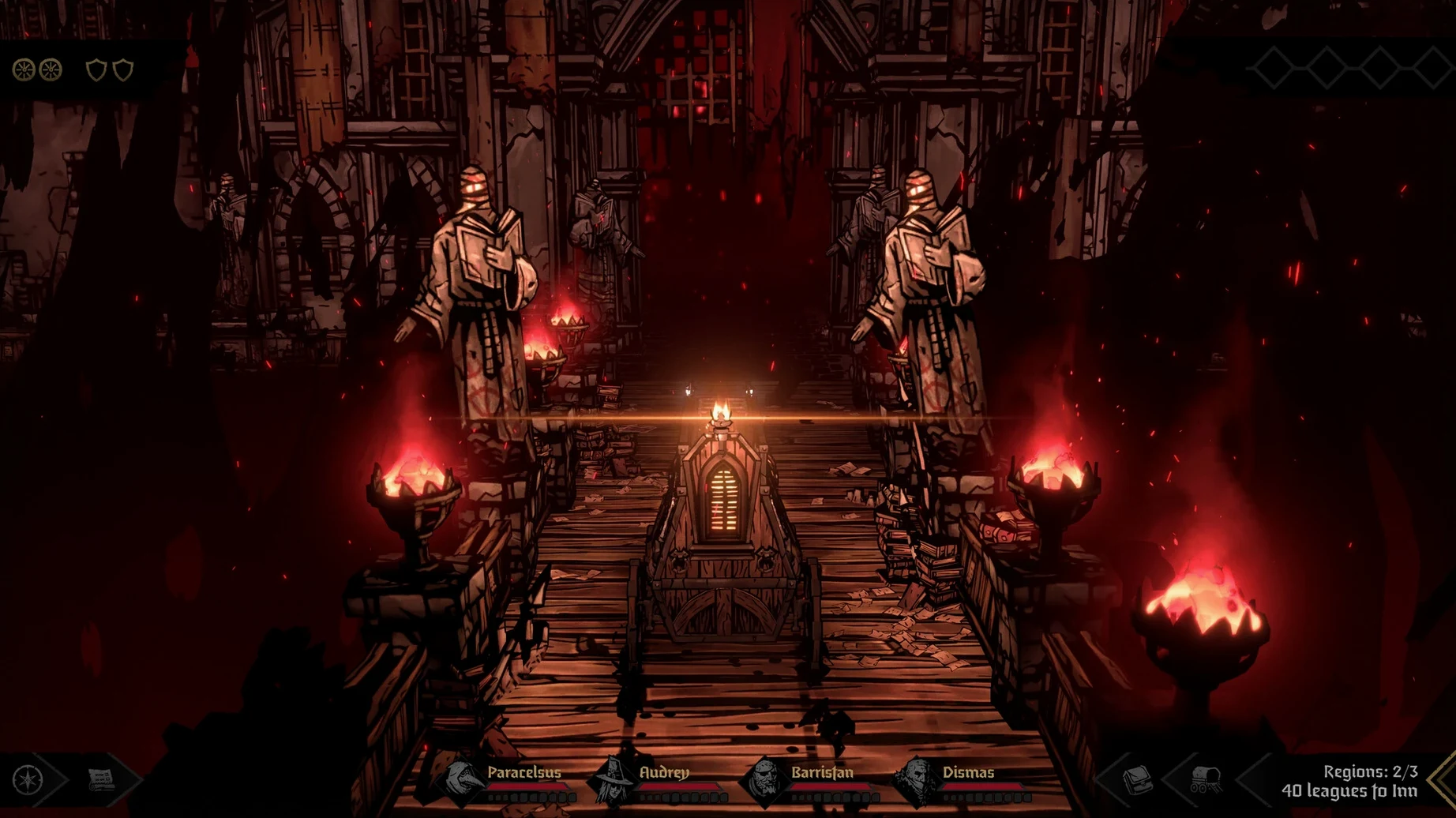
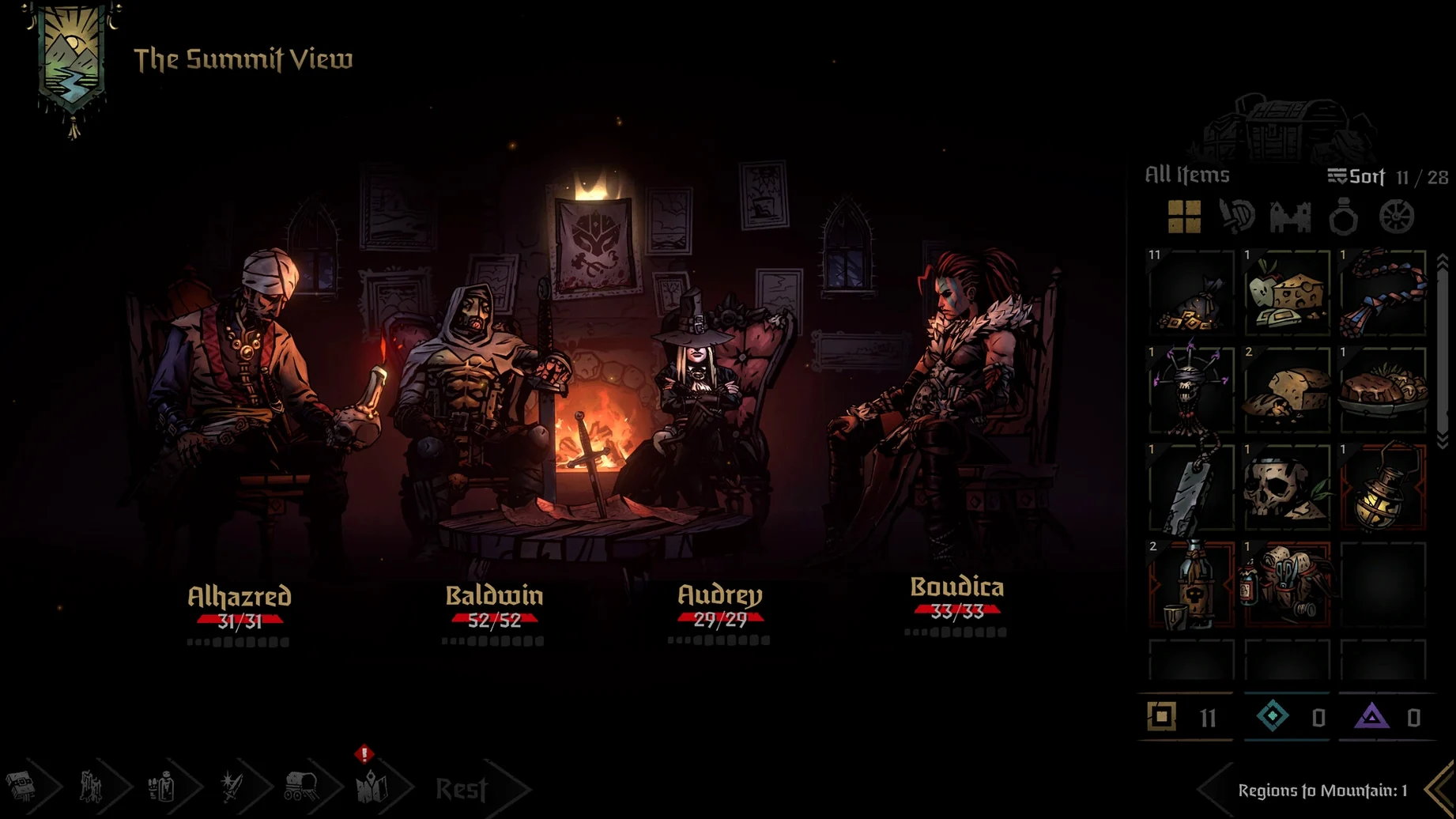
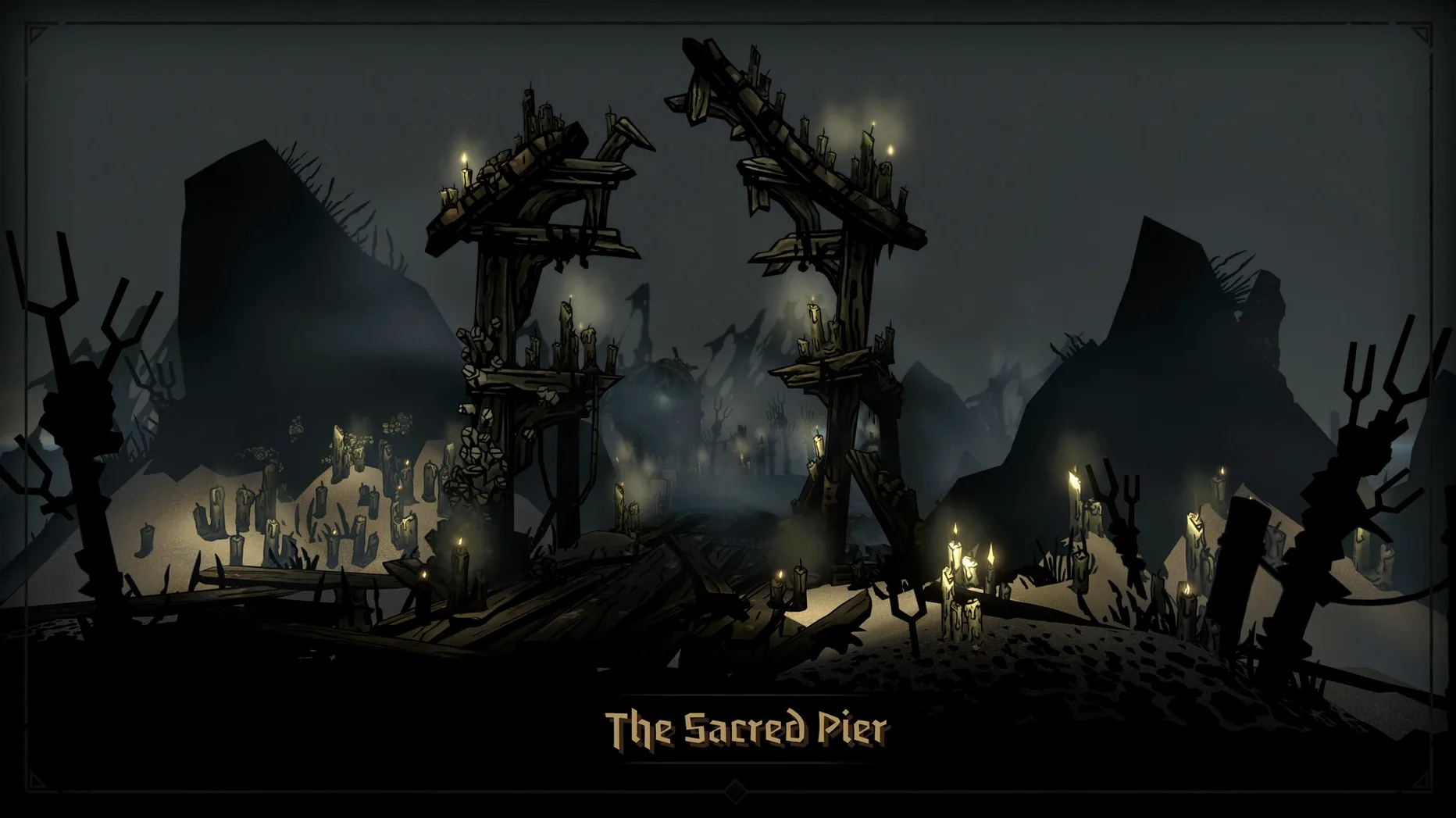
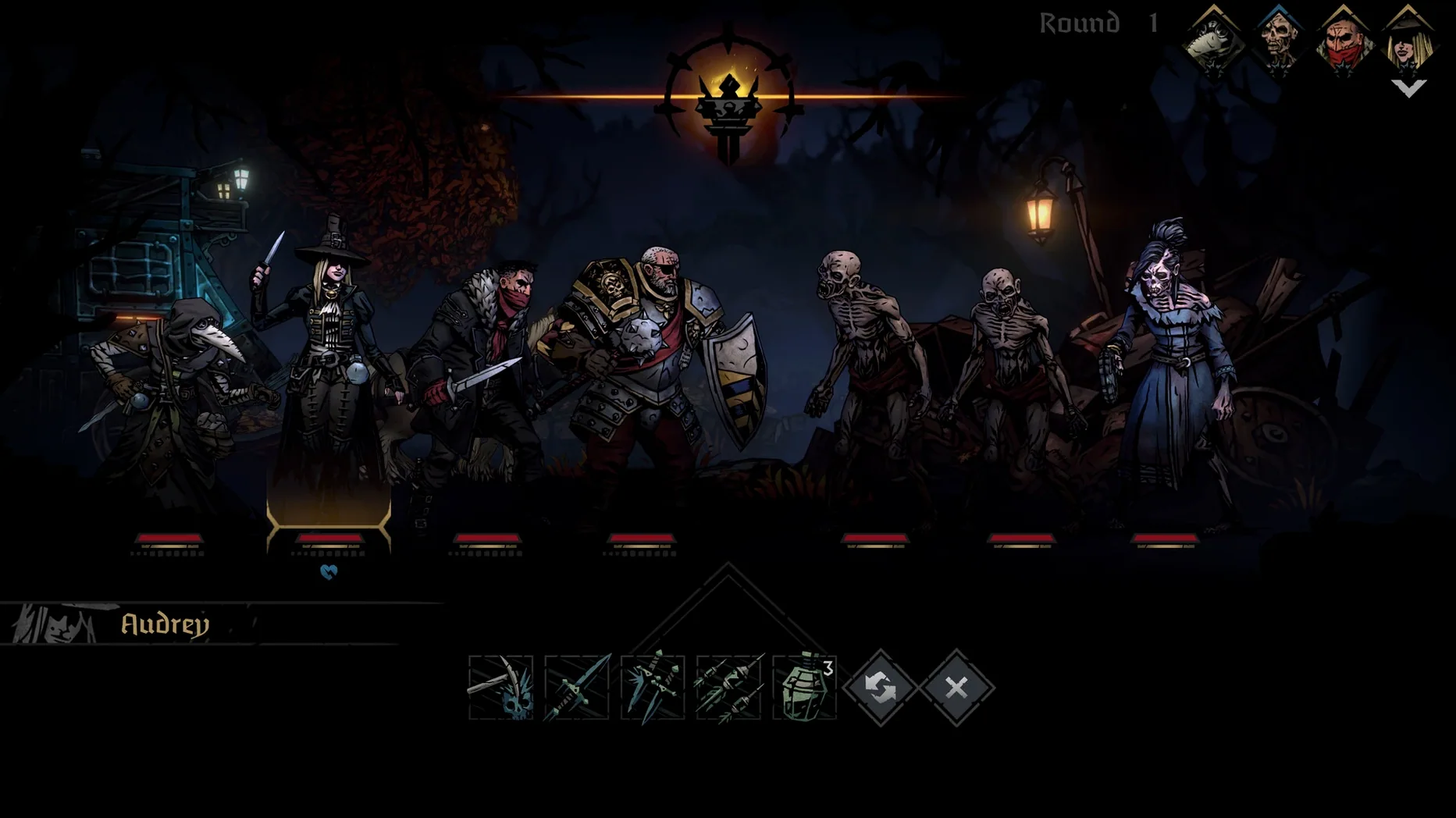
Darkest Dungeon II runs on Apple Silicon and Intel Macs back to macOS 10.13.6, with Metal-capable Intel HD 5000 graphics or better and 4 GB of RAM. Native ARM support arrived in the Darkside of the Mountain update, so recent machines run the 3D visuals and new lighting effects without translation.
Planning the route
A player who enjoys piecing together a long-term strategy across multiple runs will find their footing here. Resources and hero unlocks persist at the Altar of Hope, so a failed expedition still nudges the larger campaign forward.
Managing the carriage
Someone who likes tending to a party under constant pressure will appreciate the stress and relationship systems. A hero’s meltdown mid-journey can unravel the group, and the turn-based combat asks you to weigh each move against what the stagecoach can withstand.
Accepting the loop
A player who needs a clear win state and a linear story may struggle with the structure. Progress is measured in unlocked blessings and accumulated knowledge, not a single triumphant run. The five regions repeat across journeys, and the tone stays bleak throughout.
Picking a route past the surgeon’s table
A run often starts quietly. You pick four heroes from the available roster, glance at their quirks and stress levels, then set out. The first region is a series of short decisions: which road to take, whether to stop at a field hospital or push toward a lair, when to use a healing salve instead of saving it. Combat pulls you in for two or three turns, then releases you back to the map.
By the second region the carriage is creaking. One hero has developed a fear of the dark, another keeps snapping at the healer. You begin routing around fights rather than through them, trading torchlight for safety. At the inn you spend resources carefully: a meal that lowers stress, a trinket swap, maybe a skill upgrade for the one character who is still holding together.
The third and fourth regions are where the run either hardens or breaks. Relationships have settled into something specific — a pair that bolsters each other, a third hero left resentful. A single bad fight can cascade. You lose a damage dealer, then the healer panics, then the stagecoach limps to the next node with two survivors. You reach the mountain or you do not. Either way, the Altar of Hope gives you something to spend.
A player to picture
Consider someone who plays in short evening sessions, maybe an hour at a time. Darkest Dungeon II suits that rhythm. A region can be cleared in thirty to forty minutes, and the inn serves as a natural stopping point. The player is not chasing a single campaign over weeks; they are building familiarity with hero combinations and region quirks, treating each expedition as a self-contained problem. A bad run costs an evening, not a month of progress.
Compared with similar games
Against the original Darkest Dungeon, the sequel trades base-building and long-term roster management for a tighter, more directed journey. Hamlet upgrades are gone; the stagecoach and the Altar of Hope replace them. Players who liked the first game for its slow, methodical estate management may find the sequel leaner. Those who found the first game repetitive often prefer this structure.
Next to Slay the Spire, the comparison is narrower. Both are roguelikes with turn-based combat and a run-based economy, but Darkest Dungeon II weighs much more heavily on party psychology. Slay the Spire asks you to build a deck; Darkest Dungeon II asks you to keep four fragile people functional. The map decisions feel similar, the failure states do not.
Beside Into the Breach, the difference is presentation and pressure. Into the Breach is compact, almost puzzle-like, with a short run time and a very legible failure state. Darkest Dungeon II is slower, messier, and more interested in tone. A player moving from Into the Breach may miss the clarity; a player moving the other way may find the smaller game too bloodless.