Aspecten
 Download (143 GB)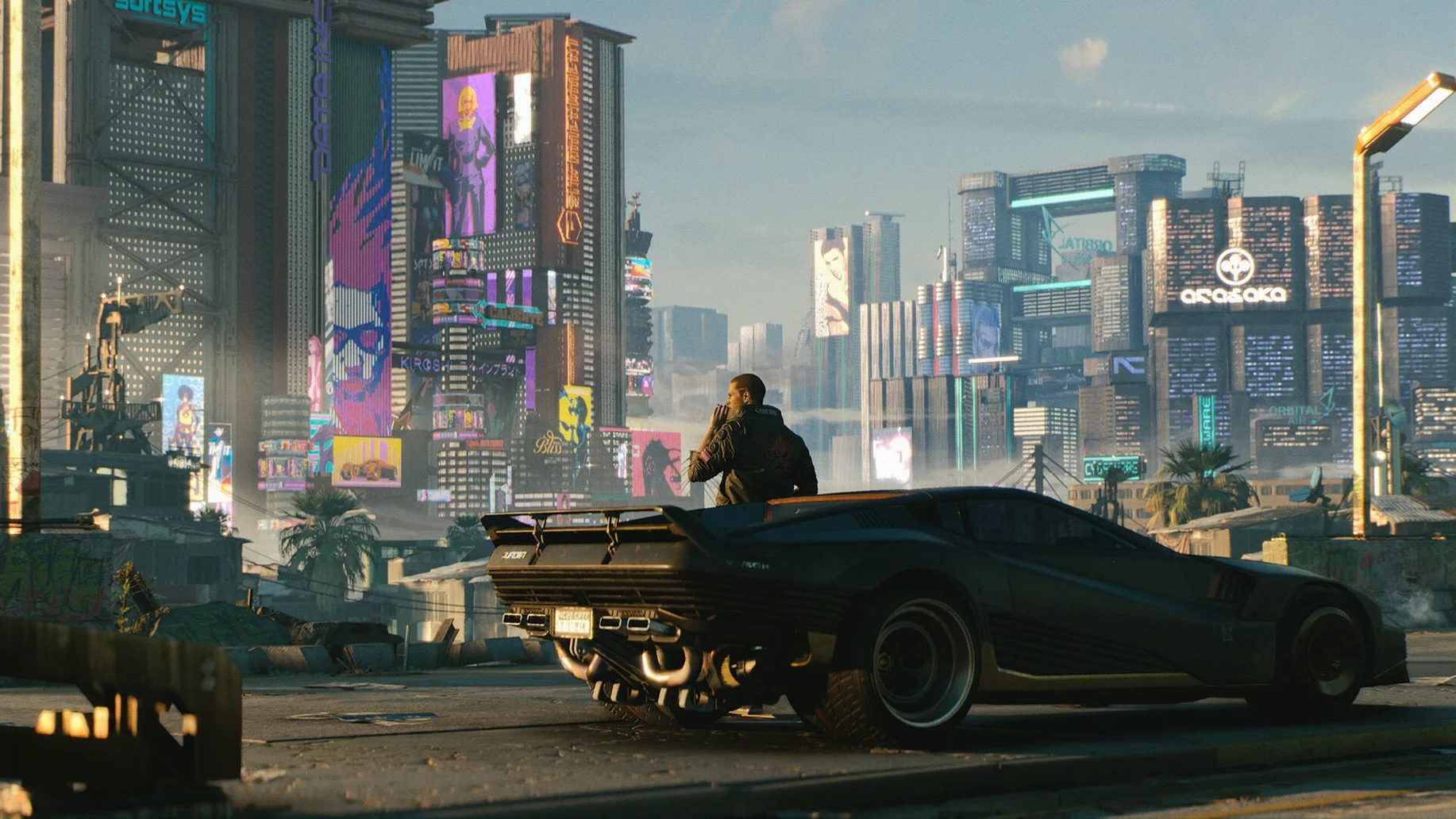
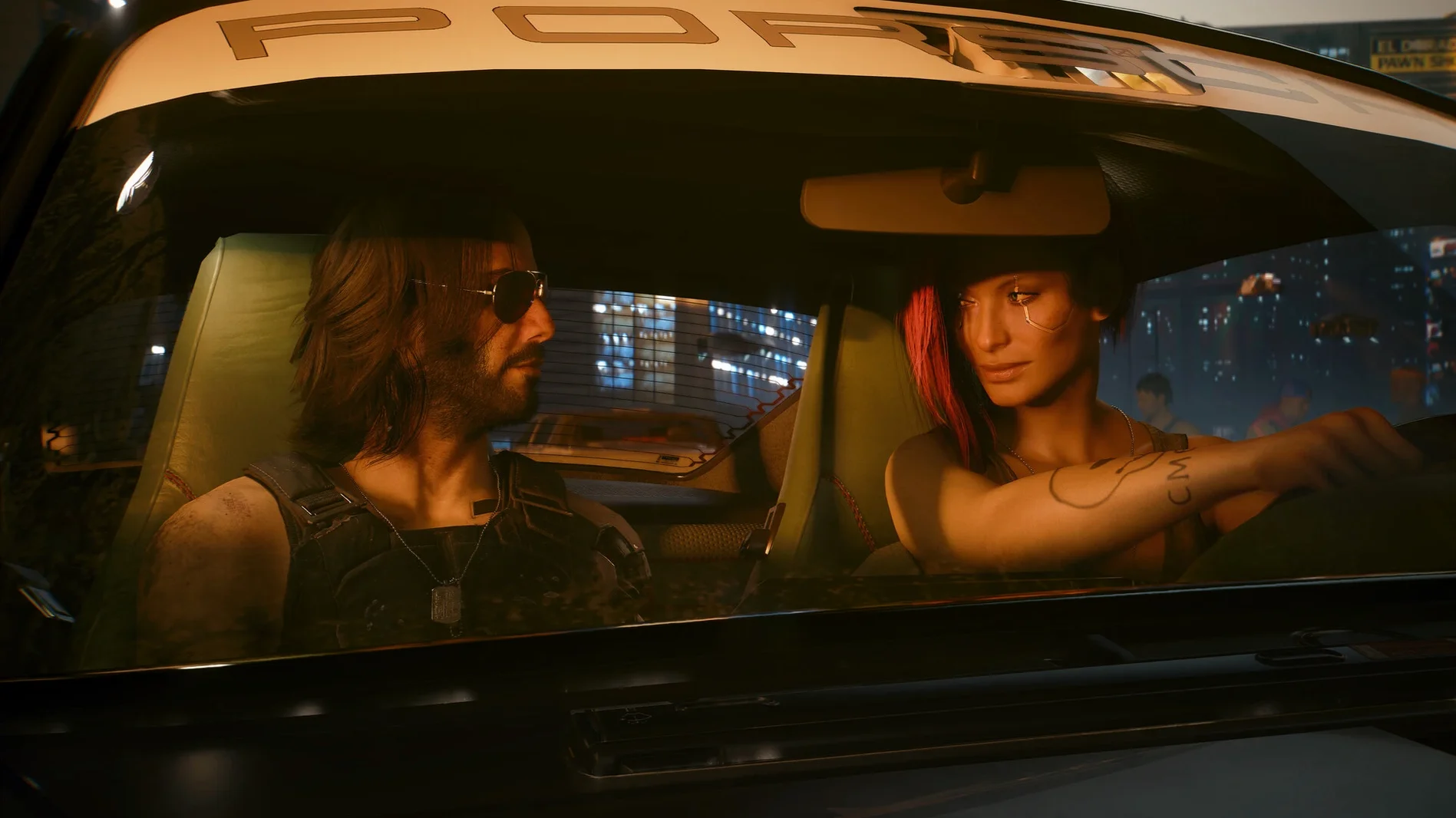
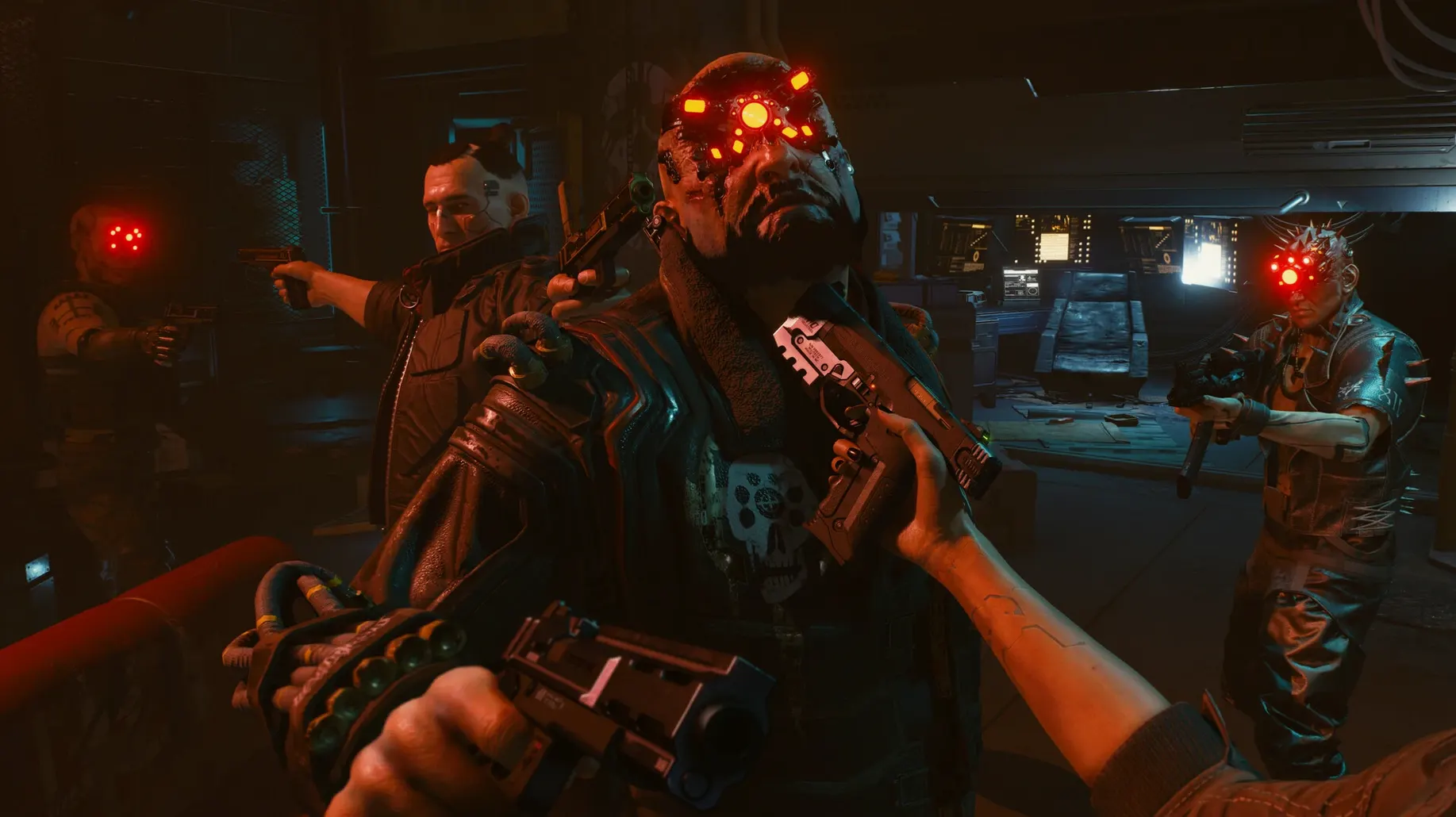
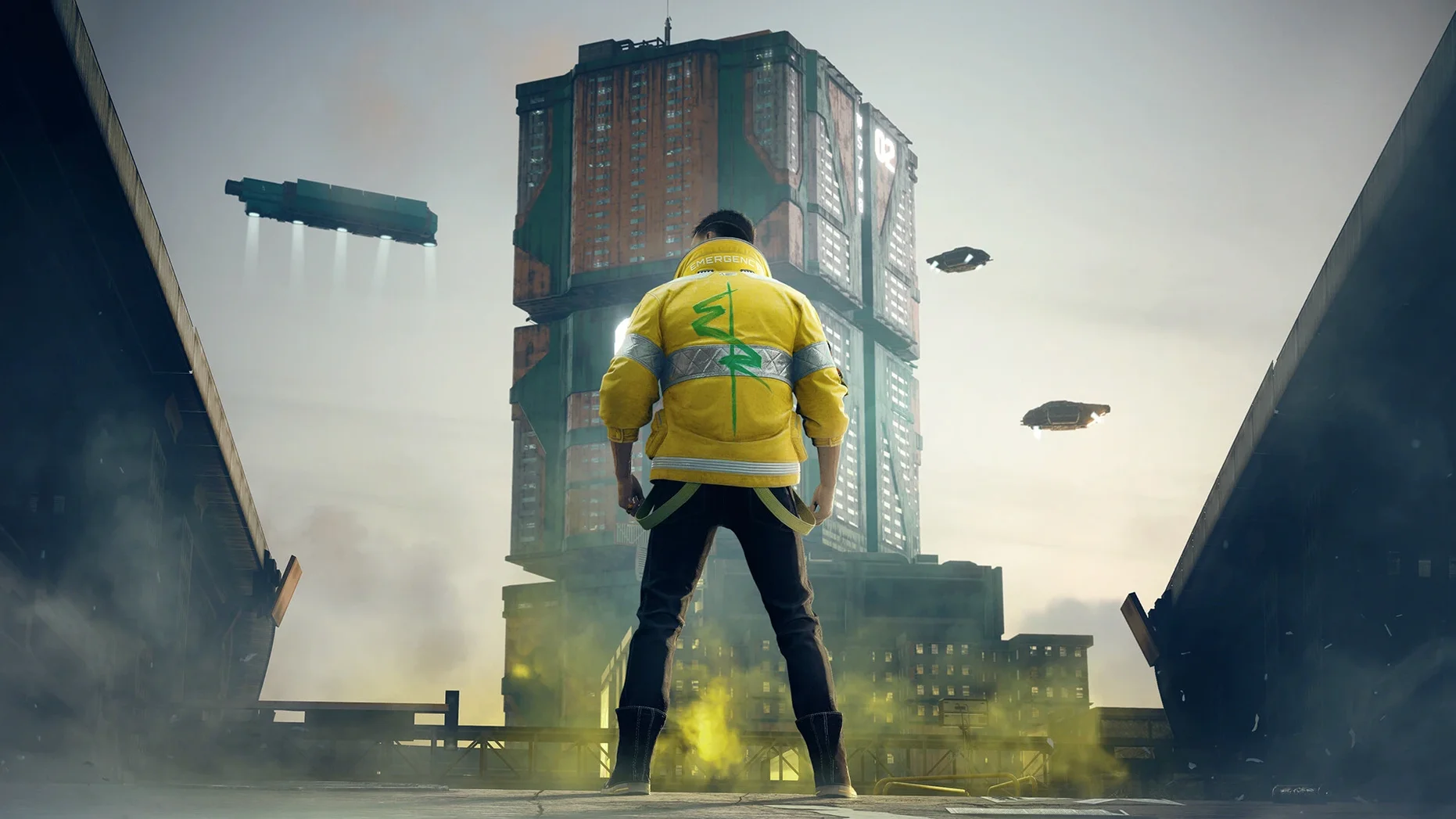
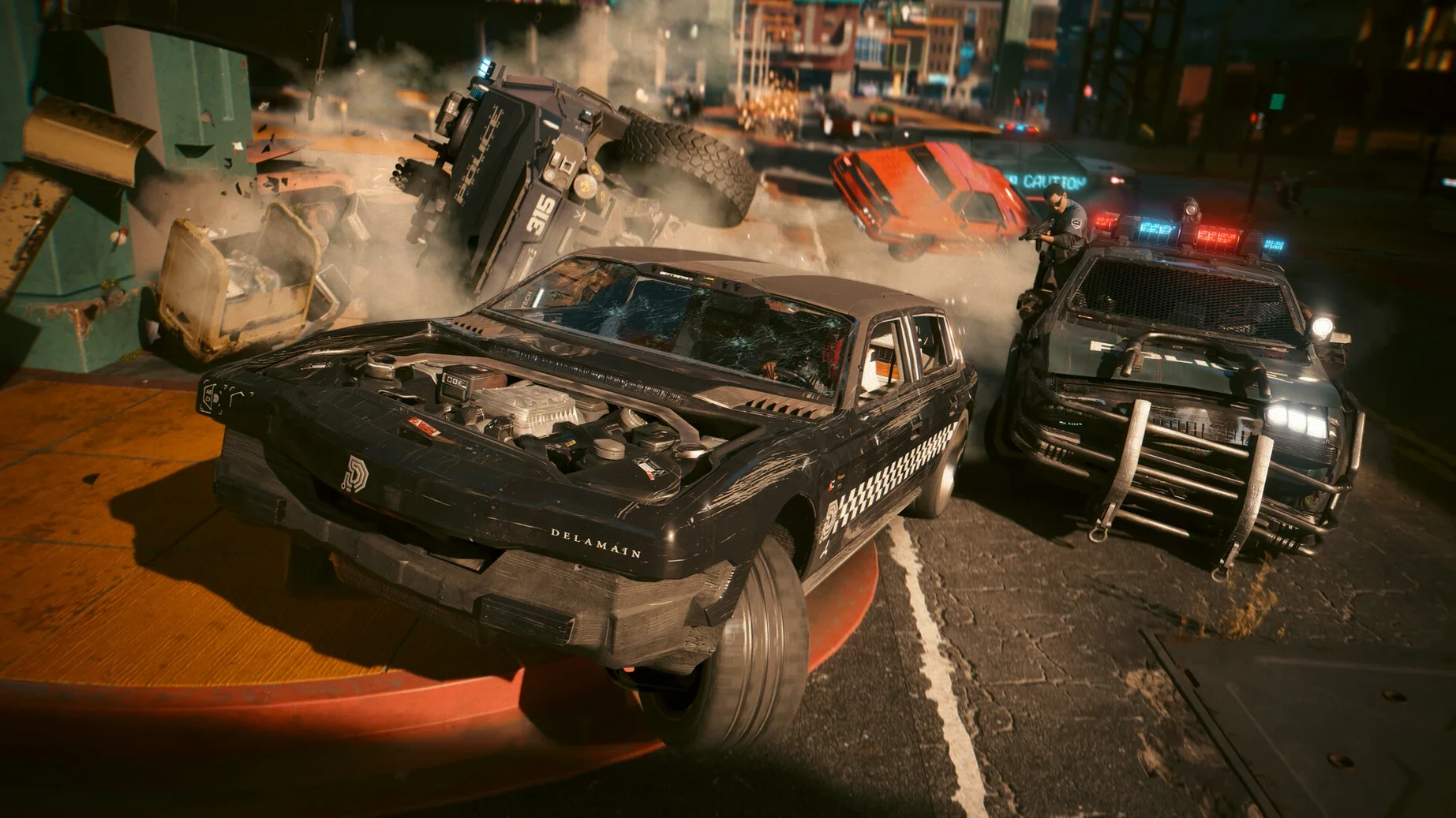
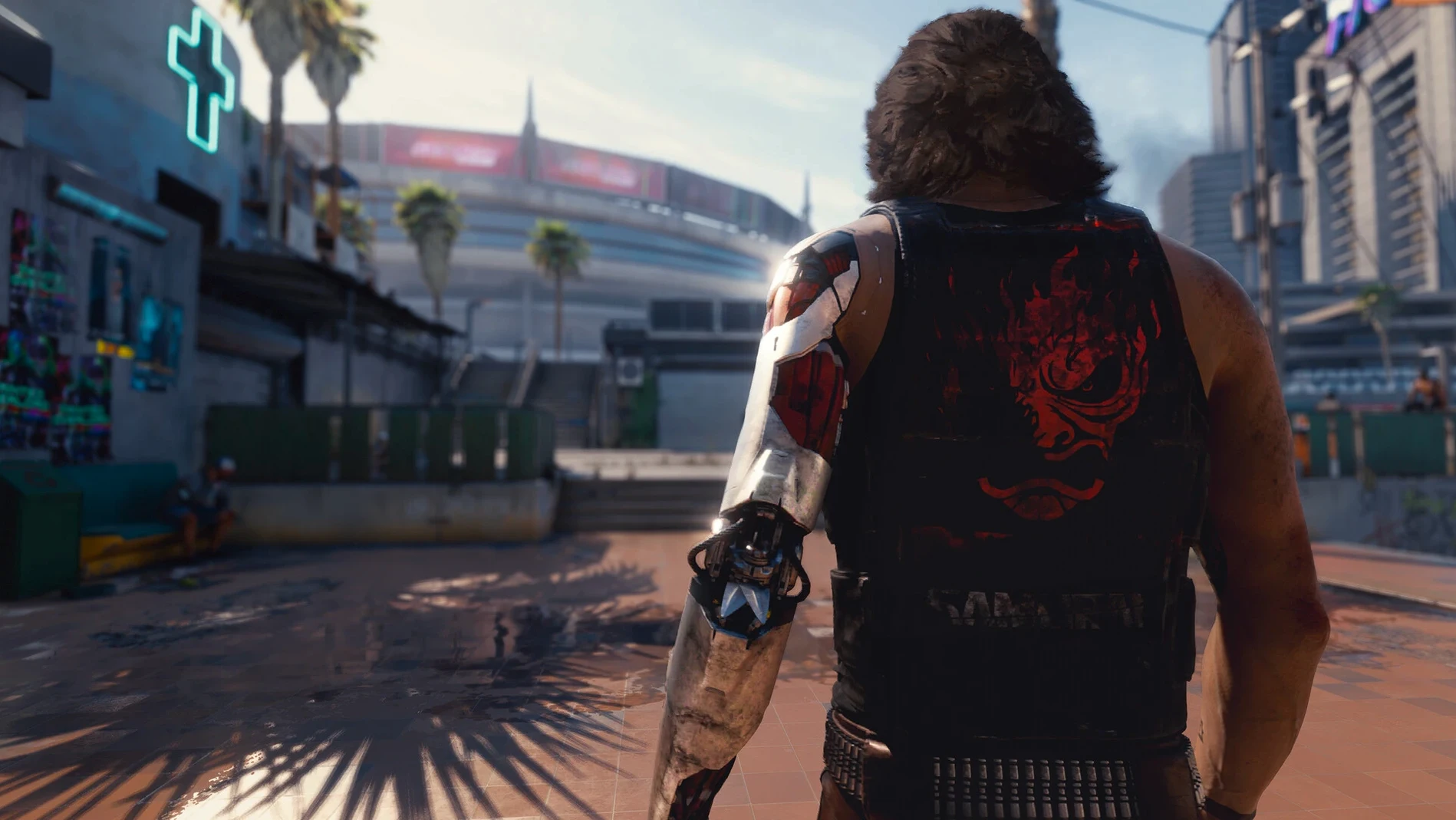
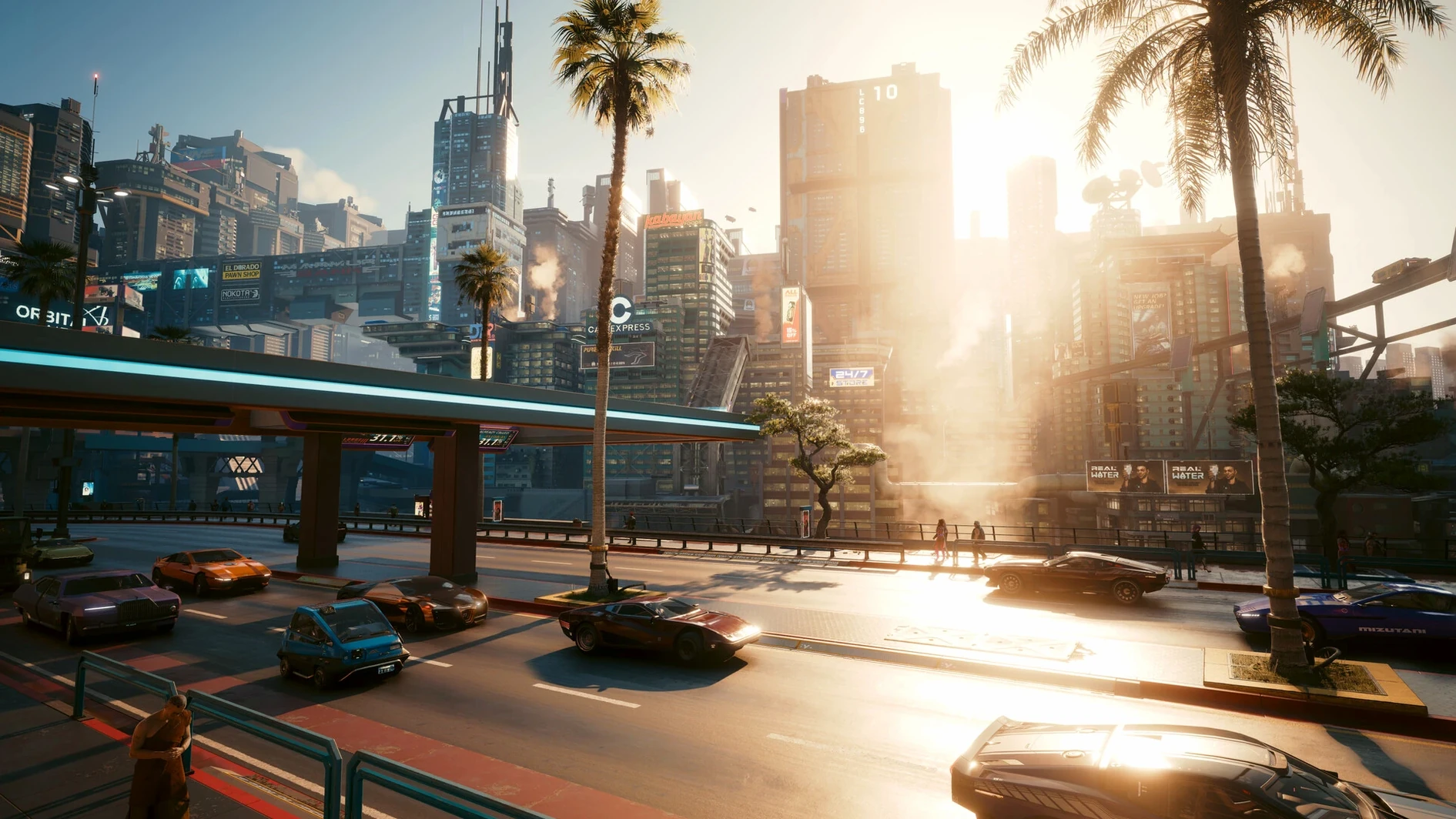
Cyberpunk 2077 Ultimate Edition is an open-world action role-playing game that drops you into Night City as V, a mercenary chasing survival and fame while opposing the city's most powerful forces. This edition bundles the base game with the Dogtown spy storyline, following V's rise through a tangled web of side jobs, contracts, and a main narrative anchored by Johnny Silverhand, voiced by Keanu Reeves. Character builds mix combat abilities with cybernetic implants, giving you room to shape a playstyle around stealth, hacking, or raw firepower.
| Detail | Note |
|---|---|
| Developer | CD PROJEKT RED |
| Current version | 2.31a fix |
| Architecture | Apple Silicon only |
| macOS | macOS 15.5 |
| Memory | 16 GB unified memory or more |
On a Mac, performance leans heavily on the GPU cores and memory bandwidth of Apple Silicon chips. With 16 GB of unified memory as the floor, the game runs best on M2 Pro, M3 Pro, or M4-series chips where the extra GPU headroom keeps frame rates steadier at higher resolutions. Controls work with both keyboard and mouse or a connected gamepad, and the interface scales to the built-in display without trouble. Expect a demanding but playable experience on a recent MacBook Pro; a MacBook Air will run the game, though sustained thermal limits make it less suited to long sessions. The current patch smooths out vehicle travel, with AutoDrive now overtaking blocking traffic and avoiding unnecessary stops at lights.
Daily performance feel
After the first hour of play the game settles into a rhythm that feels less like a benchmark and more like a living city. On an M4 Mac mini with 24 GB of unified memory, frame pacing stays smooth even during dense firefights in Watson or the crowded market alleys of Dogtown. Texture streaming from the internal SSD is quick enough that pop-in rarely distracts, though you might catch a brief flicker of low-detail geometry when sprinting through a district boundary immediately after a fast-travel load.
Memory pressure sits around 14–16 GB during extended sessions, which leaves little room for background apps. Closing a browser with a dozen tabs open makes a measurable difference to stutter frequency. Stability on version 2.31a fix is solid: across several four-hour sessions the game did not crash once, and the only quirk was a single instance where the quest marker froze after a dialogue branch, resolved by a quick save and reload. Heat buildup on a MacBook Pro 16-inch is noticeable after two hours, with fans settling at a steady medium pitch rather than ramping up and down erratically. The power draw is substantial enough that running on battery cuts playtime to roughly ninety minutes, so the charger stays within reach by habit.
Boot up to rain-slicked streets and your last save
You launch the game from the Applications folder and the launcher opens with a short legal disclaimer, then the main menu fades in over a rain-slicked street scene. After loading your latest save, you appear by a megabuilding lift in Heywood. The objective tracker points to a side job two blocks away. You call your bike through the vehicle menu, mount it, and switch the camera to third-person. AutoDrive kicks in and steers you through the afternoon traffic — it now overtakes a slow-moving van without braking and no longer halts at a green light, which makes the ride feel more credible than it did before the latest patch.
At the job site you dismount, check your quickhacks, and scan the area. A pair of guards patrol the entrance. You breach their network, tag both through the cameras, and drop one with a short circuit while the other panics and runs toward your cover. A burst from an SMG finishes the encounter. Inside, the level design offers two paths: a vent on the left and a reinforced door that needs a Technical Ability check. You choose the vent, crawl through, and grab the target item from a desk near a sleeping guard. On the way out you trigger a brief chase sequence — the frame rate holds steady as you sprint past neon-lit stalls and vault a railing. Back on the bike, you set a waypoint to a ripperdoc for a new optical implant, then save and quit. The whole loop took about thirty minutes and the game never interrupted it with a loading screen beyond the initial save load.
Scripted Night City versus a meditative galaxy
Next to No Man's Sky, which runs natively on Apple Silicon and offers a procedurally generated galaxy, Cyberpunk 2077 is far more scripted and character-driven. No Man's Sky feels looser and more meditative; you can spend an hour mining resources without a single line of dialogue. Cyberpunk 2077 is denser, with voiced cutscenes driving every quest. Where No Man's Sky asks very little of the GPU in planetary flight, Cyberpunk 2077 pushes the hardware constantly — you notice the difference in fan behaviour after twenty minutes. A user who likes the freedom of No Man's Sky may find Night City too guided, and vice versa.
Resident Evil Village on macOS shares the cinematic ambition and the Apple Silicon optimization effort, but its scope is a series of curated environments rather than a single open world. Village loads new areas behind brief doors or elevators; Cyberpunk 2077 streams the whole city continuously. In terms of raw visual fidelity on a Mac, Village holds a slight edge in character rendering at the highest preset, though Cyberpunk 2077 outdoes it in scale and environmental variety. Both run with MetalFX upscaling, but Cyberpunk 2077 benefits from it more because the draw distances stretch across entire districts.
The open-world slot on macOS used to belong to Shadow of the Tomb Raider, which runs via Rosetta 2 and targets a smaller set of hub areas. That game feels lighter on system resources — 16 GB of unified memory is plenty — but it cannot match the density of Night City or the branching quest structure. Cyberpunk 2077 asks for a stronger GPU and more storage, and it rewards that investment with a world that reacts to your choices across a much longer timeline. The trade-off is straightforward: Shadow of the Tomb Raider offers a polished, linear-adjacent adventure that runs on a wider range of Macs, while Cyberpunk 2077 is a heavier commitment that pays off in replay depth and atmosphere.