Aspecten
 Download (10 GB)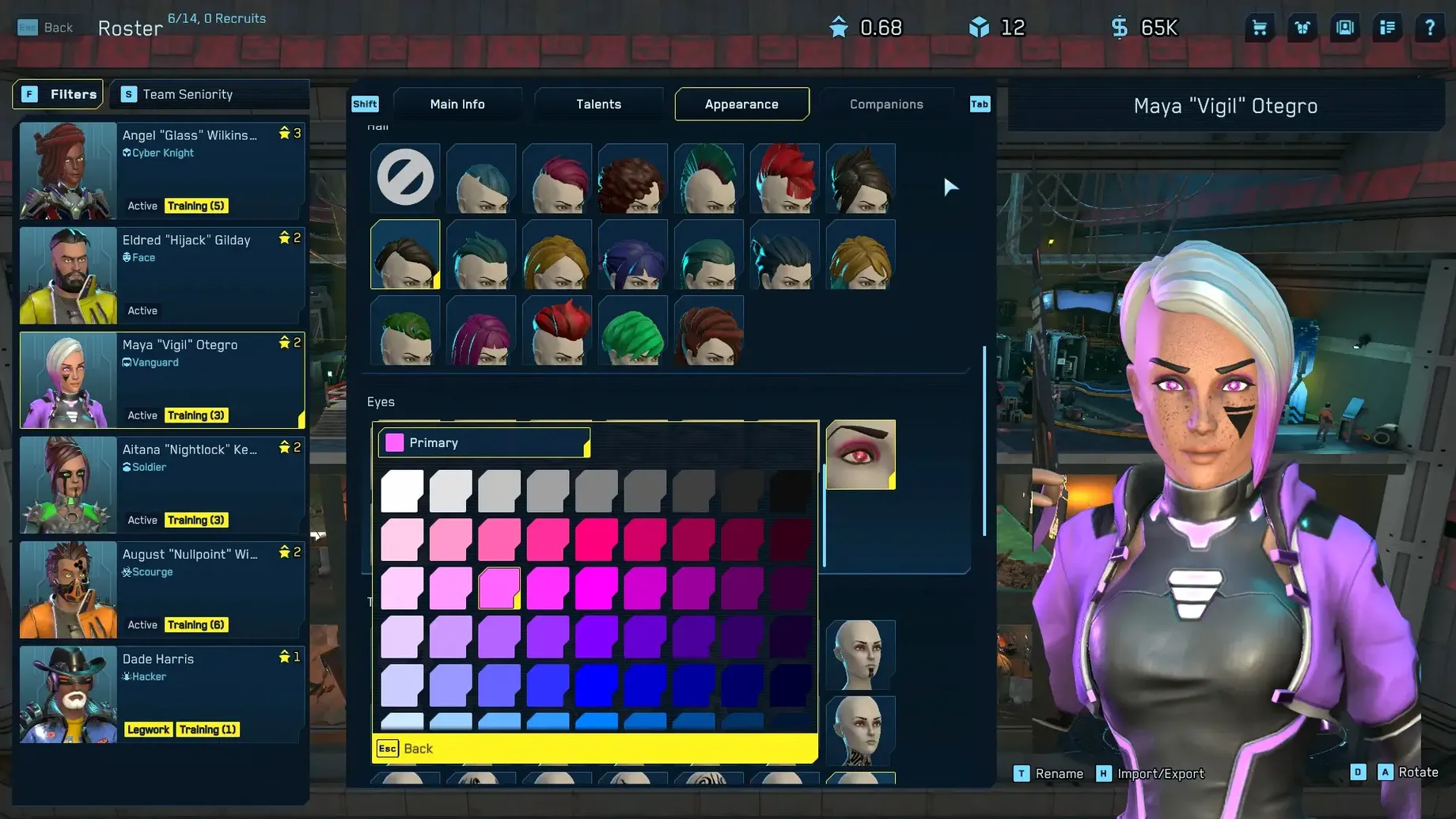
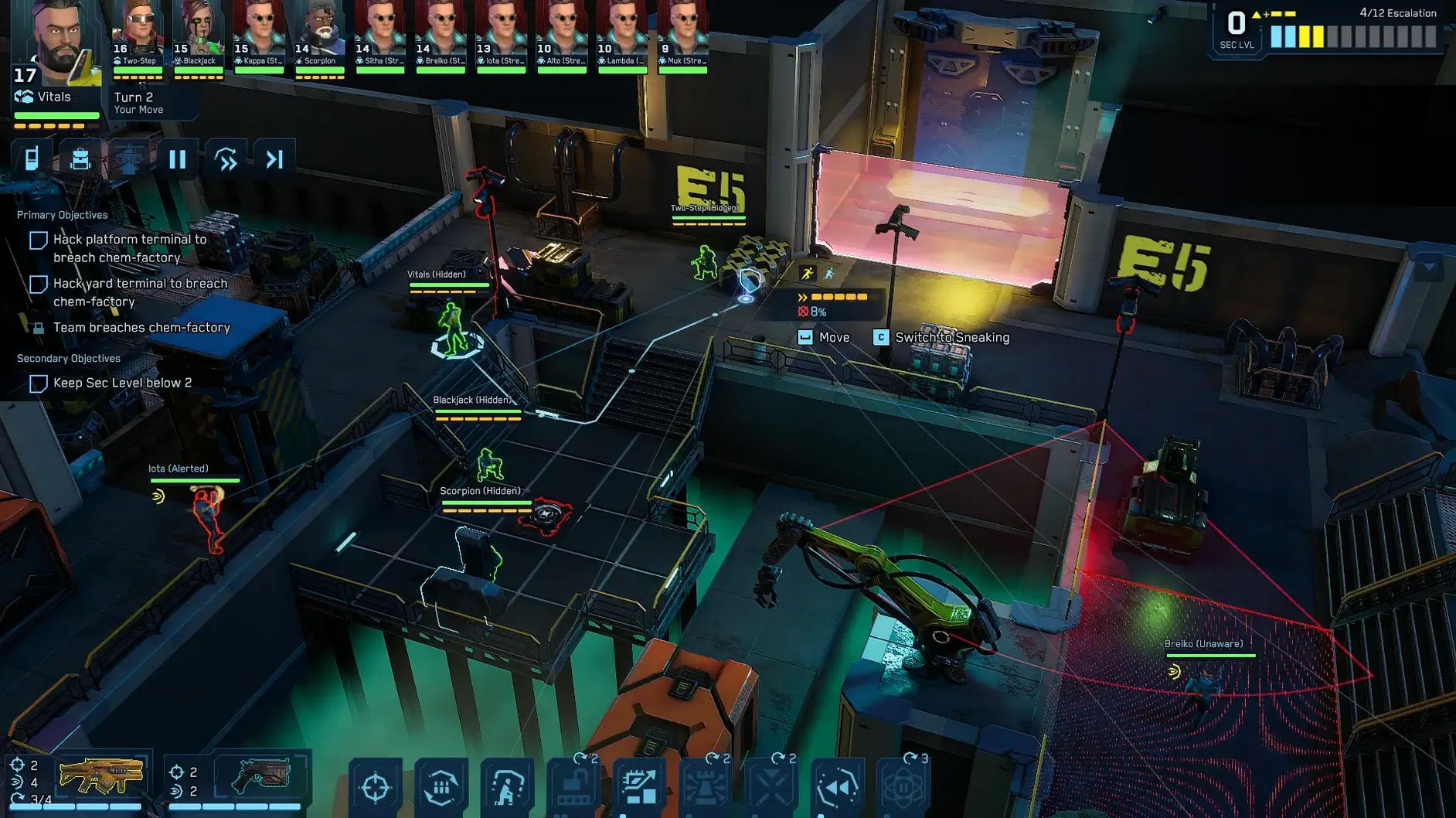
A player who enjoys planning a job before the shooting starts will find the right rhythm in Cyber Knights: Flashpoint. The game gives you a crew of mercenaries operating from a shared safehouse, and every mission asks you to weigh risk, equipment, and approach before committing. It is not a game that pushes you straight into combat—there is space to scout, hack, and reposition before a turn ever ticks over.
Heist planning and mission flow
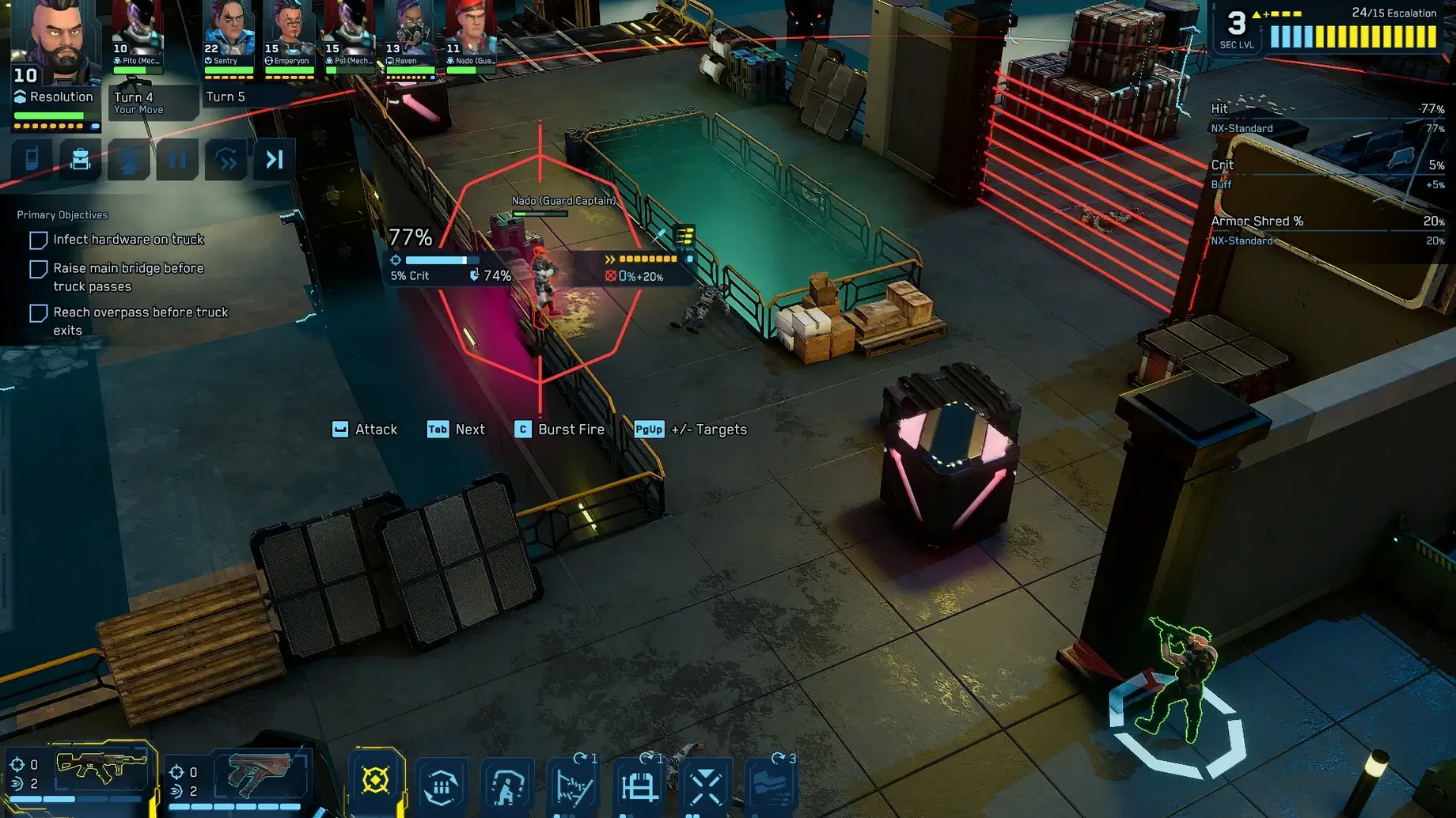
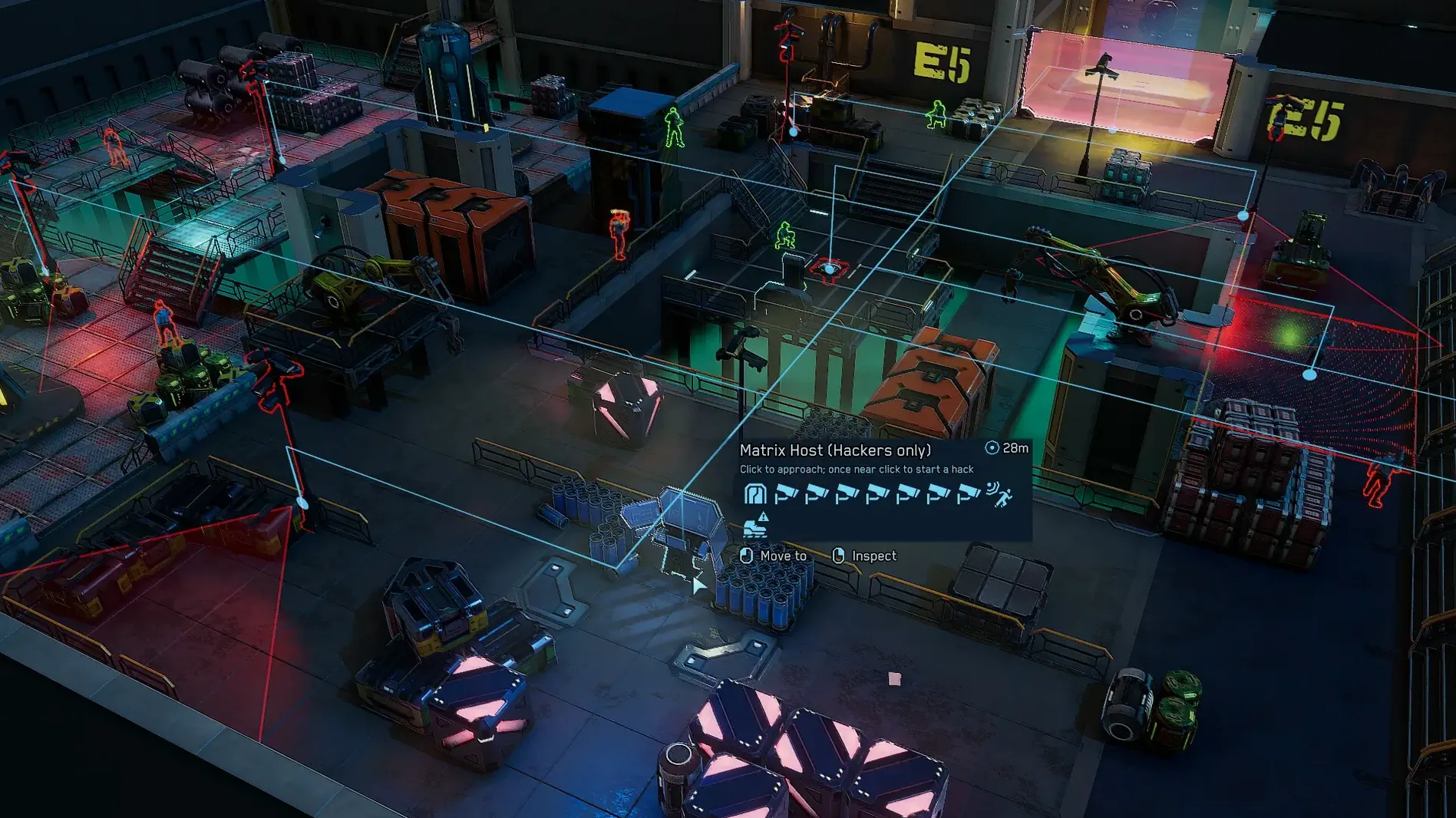
Missions can unfold across multiple stages, and the planning layer matters as much as the execution. You might spend time setting up overwatch positions, manipulating initiative order, or moving without a grid to find an angle the enemy has not covered. Stealth and hacking are not afterthoughts; they sit alongside gunplay as equal tools. Cyberware, faction connections, and weapon modifications add more dials to turn before a job, and the safehouse itself grows with upgrades that feed back into your options on the ground.
Squad building and progression
The characters you bring are not interchangeable. Talent trees, multiclassing, and evolving traits mean two soldiers with the same starting role can diverge sharply after a few runs. Visual customisation and naming let you stamp a bit of personality on each mercenary, which helps when a mission goes sideways and you need a particular set of skills to extract the team. Between jobs, the weapon modding bench and cyberware choices let you tune loadouts to the next contract, whether it calls for a quiet break-in or a loud extraction.
Universal binary runs natively on Apple Silicon
One of the first things people check is whether the game runs on a Mac with Apple Silicon. It does — the build is universal, so it runs natively on both Apple Silicon and Intel machines from macOS 12 onward. A 2024 Mac mini with M4 handled it without fuss during testing, and the 12 GB storage requirement is modest by current standards. Nobody wants to discover a 40 GB download after clicking install.
Another common question is whether the game demands an always-on connection. It does not. The single-player campaign, which is the core of the experience, works fully offline once the files are in place. Steam Link and cloud gaming support arrived in a recent update, but those are extras for playing on a phone or tablet, not a requirement on the desktop.
Players coming from the developer's earlier title, Star Traders: Frontiers, often ask if the squad management feels familiar. The answer is a qualified yes. The talent trees, trait system, and faction reputation have the same layered DNA, but the moment-to-moment feel is different — this is a turn-based tactics game built around cover, overwatch, and initiative, not a starship crew sim. If you liked the way Star Traders let a character's history shape their abilities, you will recognise the approach here, but the battlefield is a gridless urban floor, not the void of space.
Narrative RPG versus squad tactics sandbox
Set Cyber Knights: Flashpoint next to Shadowrun: Dragonfall and the shared cyberpunk DNA is obvious, but the execution splits along different lines. Dragonfall is a narrative-driven RPG with fixed characters and a linear story; combat is turn-based and cover matters, yet you spend more time in dialogue trees than in loadout screens. Cyber Knights puts the heist structure first — you build the team, pick the approach, and live with the tactical consequences. The writing is functional rather than literary, but the custom story system weaves your squad's choices into events in a way Shadowrun's authored script cannot match.
Against Invisible, Inc., the comparison sharpens around stealth. Both games treat detection as a resource you manage rather than a binary fail state, and both let you abort a run when things go sour. Invisible, Inc. is tighter and more puzzle-like, with a fixed roster of agents and a cleaner abstraction of the heist loop. Cyber Knights is looser and broader: you are managing cyberware slots, weapon mods, faction standing, and a safehouse upgrade tree between missions. The trade-off is focus versus depth. Invisible, Inc. asks you to solve a room; Cyber Knights asks you to run a crew.
XCOM 2 is the reference point most tactical players will reach for. Both games care about cover, overwatch traps, and the pain of losing a soldier you have levelled. XCOM 2 is the more polished power fantasy, with destructible environments and a cinematic camera that sells every shot. Cyber Knights is scrappier, trading production sheen for systems that interlock in unexpected ways — faction reputation can alter which jobs appear, a character trait earned on one mission can complicate the next, and the gridless movement makes positioning feel less like a puzzle solution and more like an educated gamble. XCOM 2 wants you to save the world; Cyber Knights wants you to survive the next job and keep the safehouse lights on.
Safehouse contract refresh kicks off an infiltration job
You open the game from the safehouse screen, where your crew stands around a dimly lit room with upgradeable workbenches glinting in the background. The contract list has refreshed overnight. One job offers a two-stage infiltration of a corporate data vault — quiet entry, a hack in the middle, and an extraction that will probably go loud. The payout is good, but the faction that posted it is one you have been courting for better cyberware access, so you accept.
The loadout phase takes a few minutes. You slot a suppressed pistol onto your infiltrator, check that her leg cyberware still grants the extra movement range, and give the heavy a shotgun modded for close-quarters knockback. The hacker carries a deck tuned to reduce detection chance on the first breach, because you remember how a failed hack on a similar job pulled three guards into an already messy corridor. You name a new recruit who joined after the last mission — a former corpo with a jittery trait that lowers her initiative if the squad takes an early casualty. She gets the spare medkit and a rifle with an overwatch scope.
The mission begins in a loading bay. Movement has no grid, so you drag each mercenary along cover points, watching the sightlines shift in real time. The infiltrator finds a side vent. The hacker slips into a camera loop from behind a crate. For three turns, nothing fires — you are mapping patrol routes and planning the breach. Then a guard turns the wrong corner, initiative bars appear at the top of the screen, and the quiet phase ends. The heavy sets overwatch on a doorway. The infiltrator pulls back. The hacker risks a second breach to lock a security shutter, cutting off reinforcements. One mercenary takes a grazing hit, and the new recruit's trait triggers — her next turn comes a tick later than you planned. You adjust, pull her into full cover, and let the heavy's shotgun clear the room. The extract point is two floors up, and a patrol is closing from the stairwell. You have one turn to decide whether to grab the bonus data cache or leave it behind. The session ends back at the safehouse, where a faction reputation bump and a new scar on the hacker's face tell the story of the last forty minutes without a single line of dialogue.