Aspecten
 Download (101 GB)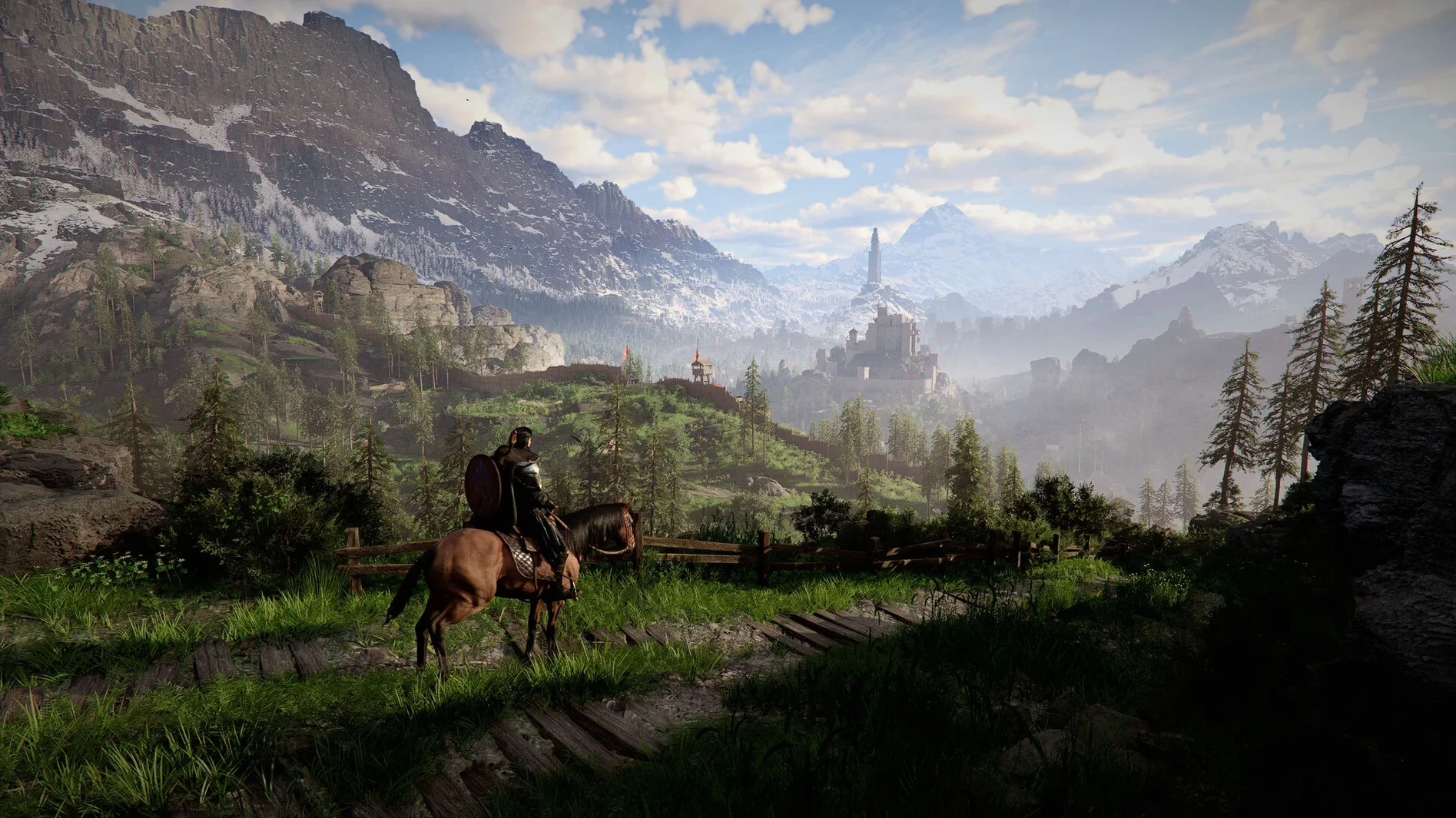
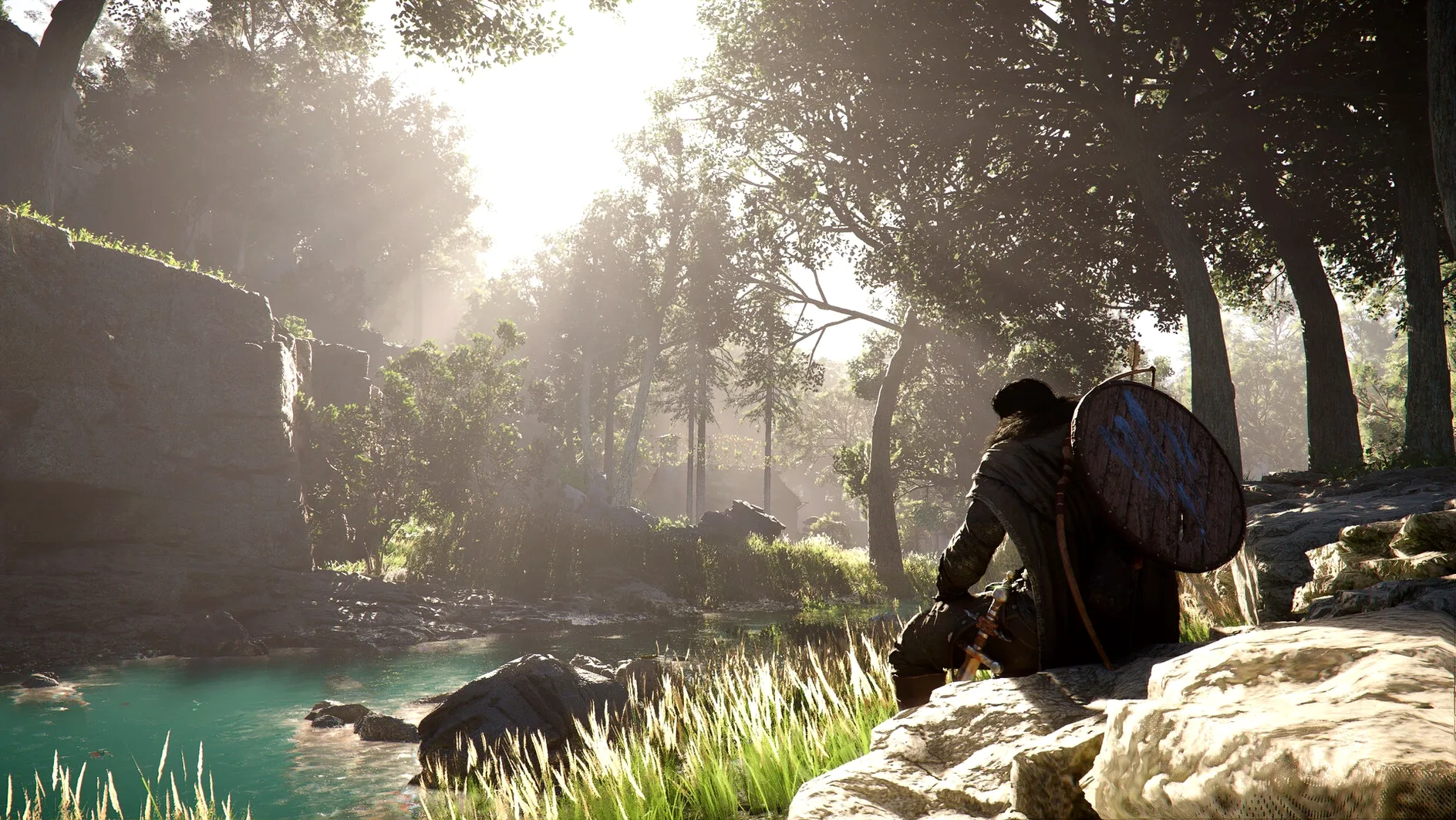
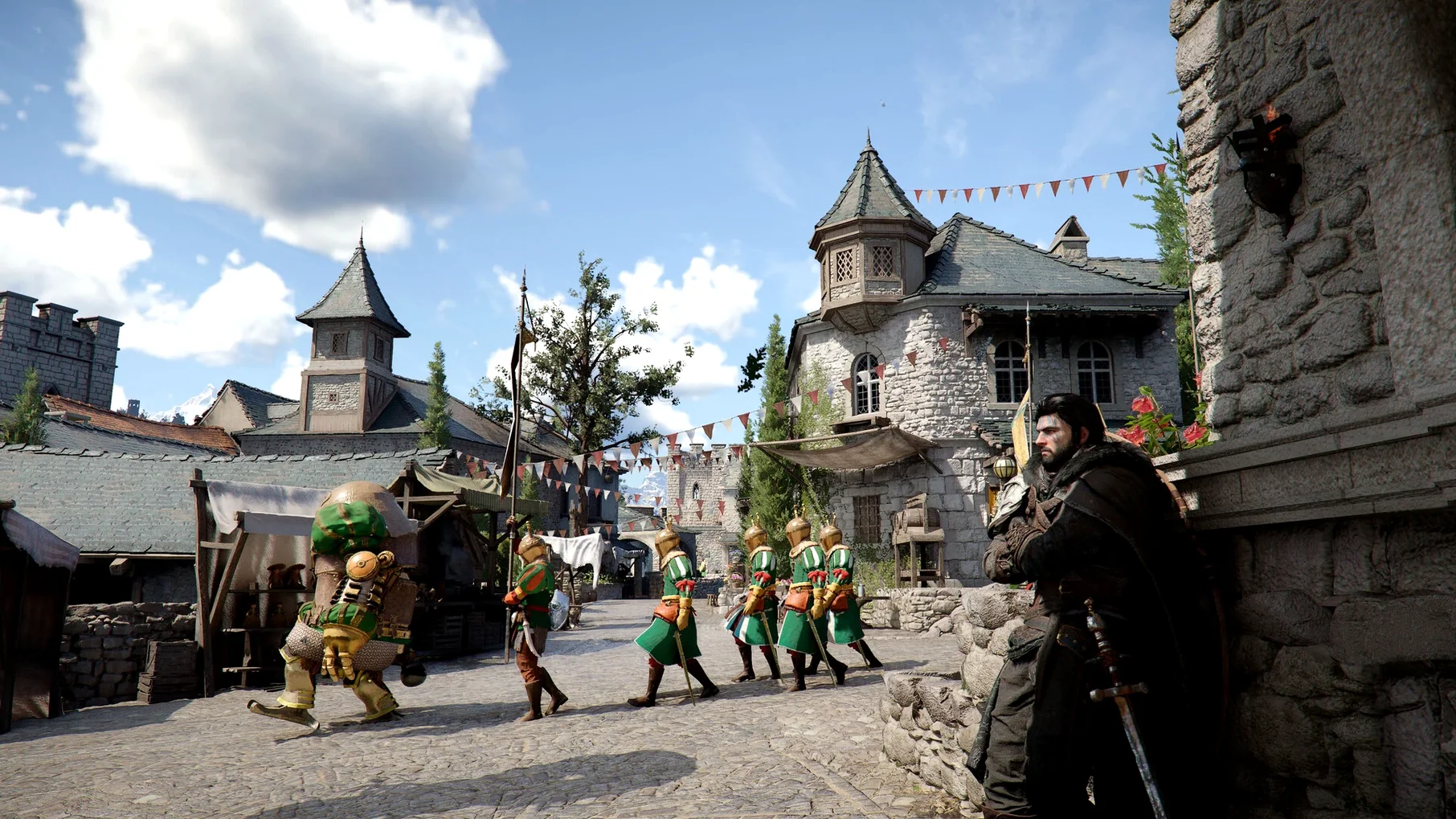
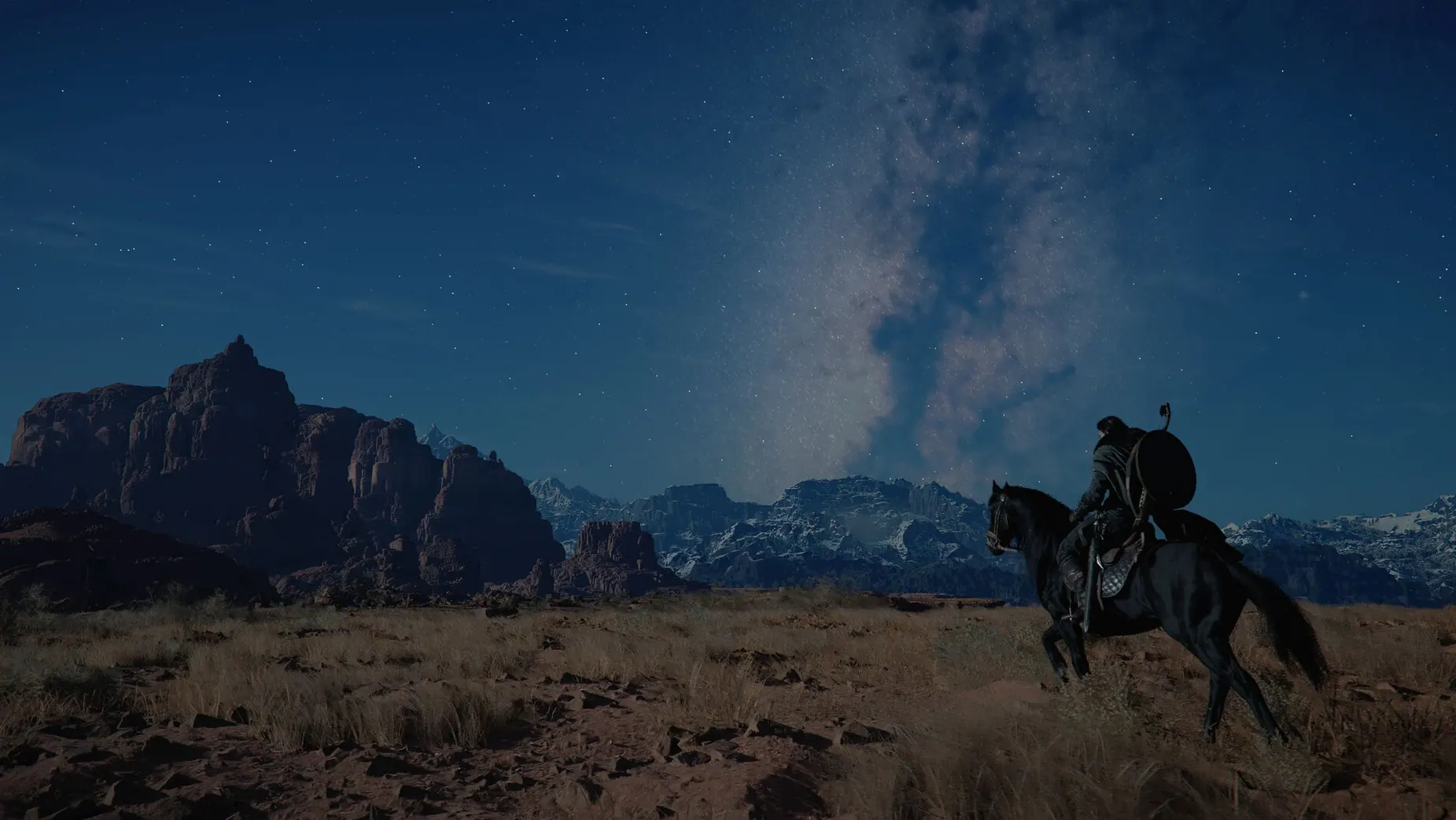
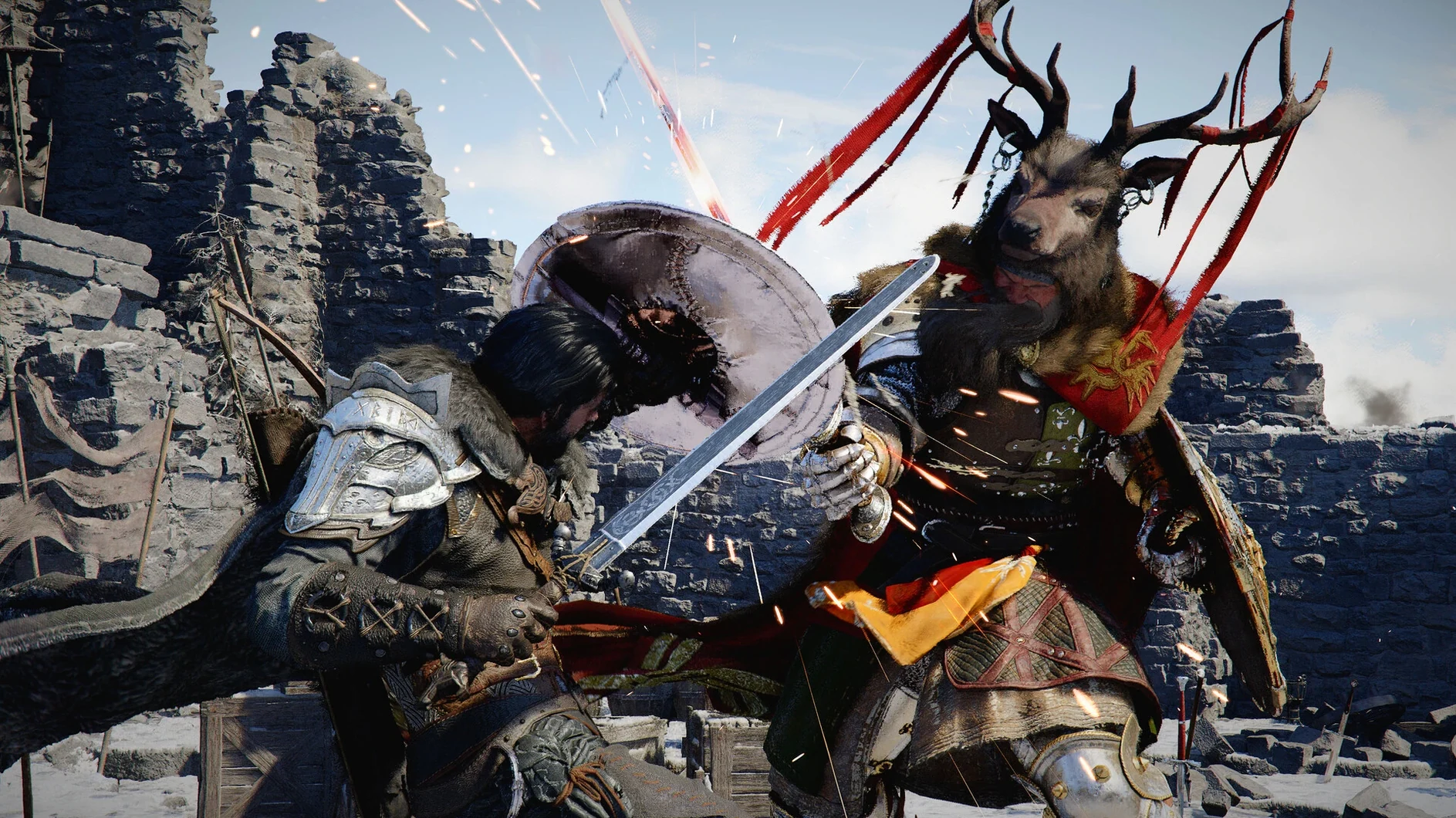
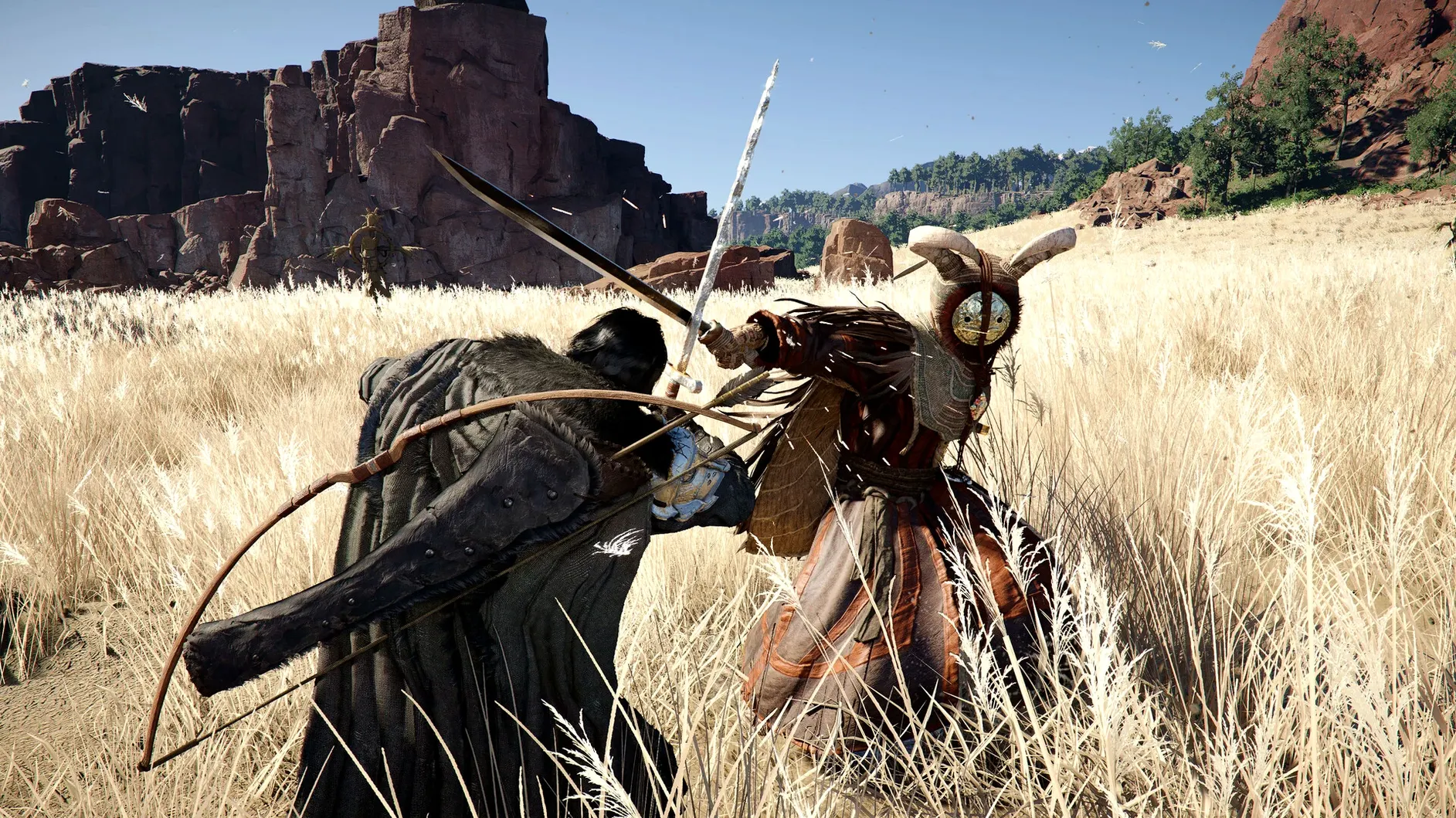
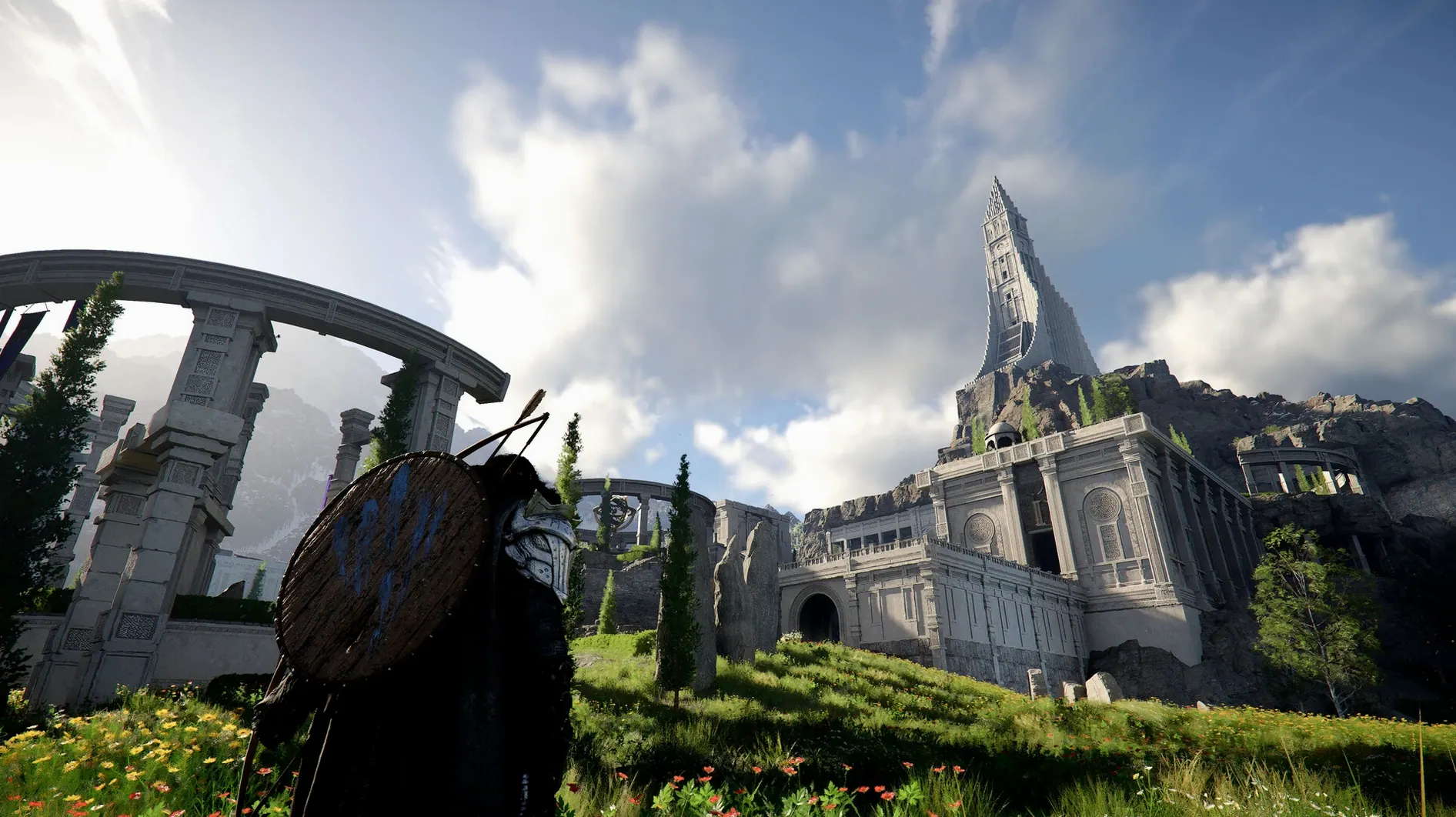
You ride north from a village with two companions, passing through dry grassland where a dust storm is gathering. A scout flags a bandit camp ahead. You dismount, switch Kliff to a sword-and-shield stance, and order the others to flank. Sixty seconds later you are looting supply crates, and one of your comrades remarks that the Greymanes could use a proper smithy again.
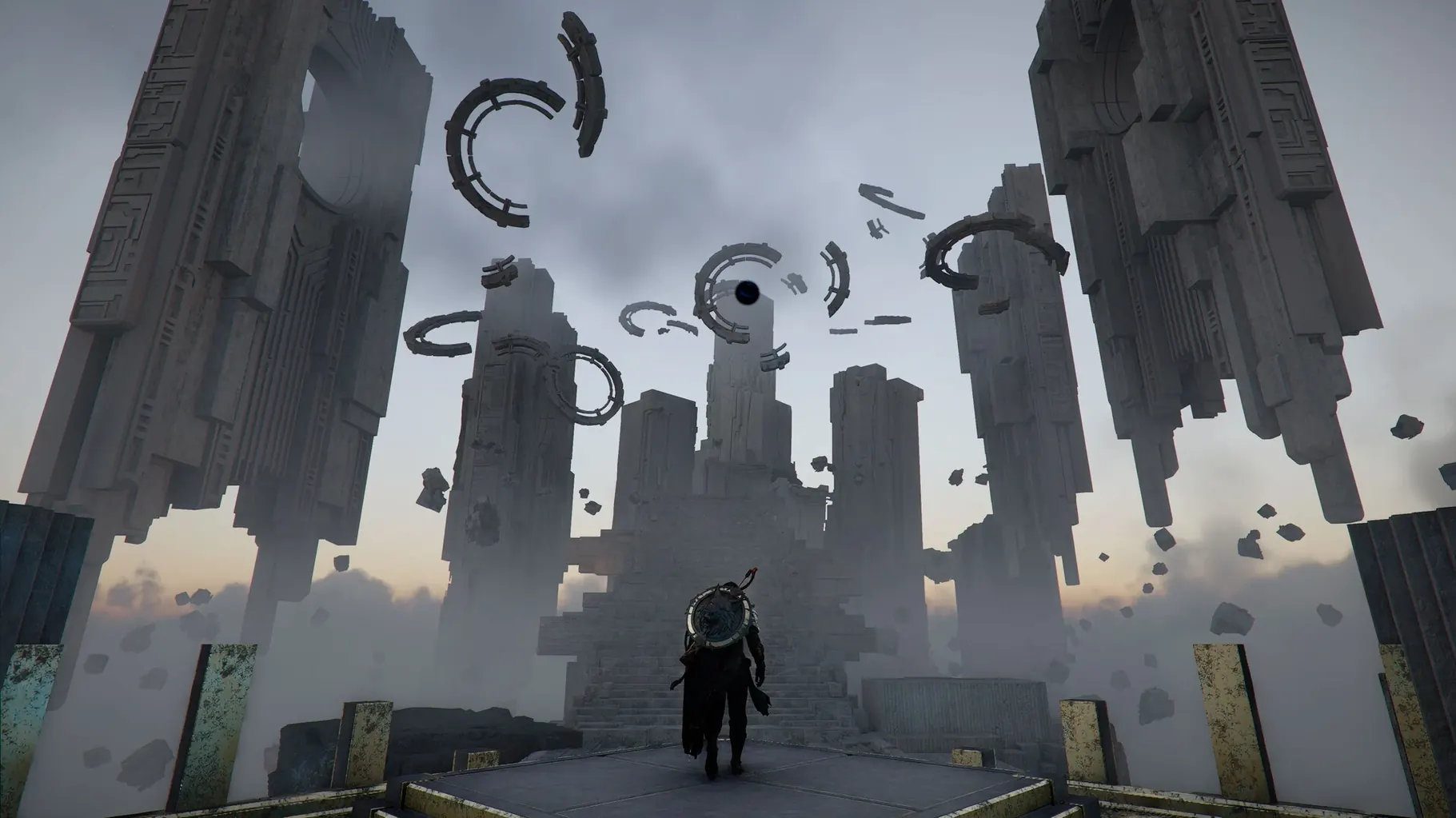
That rhythm — travel, spot something, fight or talk, collect, move on — defines most sessions. The world of Pywel runs from forests and plains to desert, mountains, crumbling ruins and the strange Abyss. Cities and villages are spaced far enough apart that you live off the land between them, and the horse is not optional. You are not a lone wanderer for long. Kliff's task is to find surviving comrades and rebuild the Greymanes, so recruiting characters with distinct weapons and combat styles becomes a practical layer. One might bring a spear and long reach, another dual blades for quick flurries, while Kliff himself can swap between a two-handed axe, sword or ranged weapon depending on what you are walking into.
Minute to minute, combat scales in a way that keeps the tempo uneven in a good sense. A one-on-one duel outside a tavern feels like a separate discipline from a skirmish with six wolves, and both feel smaller than a full-scale battle with shields locking and archers on the ridge. Between fights you can get pulled into mini-games with local residents — harmless diversions that make a village stop feel less like a menu screen.
Version 2.02.00 tidies up several rough edges that could break that flow. A crash tied to DLSS Frame Generation at new game start is fixed, as is a housing-unlock bug at Howling Hill Camp. Items no longer vanish from Trade Goods Storage when loading certain saves, and shining a lantern on an NPC correctly reveals their belongings now. Localisation has been improved across the board, and Mac players gain cross-save support.
Let the camp loops breathe for a session or two
Give the camp systems space early. The Greymane camp starts small but unlocks resource gathering, cooking, hunting and fishing fairly quickly. Spend the first session or two letting those loops settle — gather wood and stone, cook a few meals, hunt deer on the plains west of the first village. The cooked food buffs stack with combat perks and make early duels less punishing while you are still learning parry windows.
Map travel on horseback before you accept every quest you see. Pywel's quest givers scatter across several villages, and a quest accepted in one settlement may point you clear across the continent when you are still riding a basic horse with no fast-travel nodes unlocked. Mark three or four settlement locations first, unlock their campfire points, then backtrack for quests. You will spend less time riding through empty terrain wondering whether you missed a turn.
Swap to Unca or Damiana during low-stakes skirmishes, not during boss fights. Each character has a distinct weapon, skill tree and dodge timing, and the muscle memory takes longer than the tooltips suggest. A pack of wild boar is a forgiving training dummy. The spear-user thrives on spacing; the dual-blade fighter punishes greedy opponents. Let Kliff handle the hard fights until you have ten or fifteen minutes of real combat time on the others.
Turn on cross-save early. Version 2.02.00 added Mac cross-save, and you will be glad it is running before you put fifteen hours into a save that lives only on one machine. The setup is a single toggle in the settings menu, and progress syncs without further intervention.
Check lantern behaviour on NPCs you mean to trade with. The 2.02.00 patch fixed an issue where shining a lantern did not reveal belongings, but the fix works best if you stand close and aim the light at chest height rather than at the ground. A quick lantern sweep before talking to a merchant costs nothing and catches items the patch notes promised.
Points of interest surface through scouting, not icons
Open-world completionists who enjoy filling out a map get a dense continent. Pywel is not a checklist-driven world with icons every fifty metres — points of interest reveal themselves through scouting, conversation and environmental cues. That suits players who treat exploration as a reward rather than a chore. The desert region alone hides several side stories that never appear in the main quest log, and the Abyss areas reward vertical exploration with rare crafting materials.
Players who prefer combat variety over a single deep weapon tree find the multiple-character system genuinely useful. Switching between Kliff's two-handed axe, Unca's spear and Damiana's dual blades changes the rhythm of group fights without forcing you to respec. The grab, kick and counterattack mechanics are universal, so you build transferable skills even while the weapon feel shifts. People who burn out on one playstyle after twenty hours can simply rotate characters and keep the encounters fresh.
Mac users who game on more than one Apple Silicon machine — a desktop and a laptop, say — will use cross-save daily. The feature arrived in 2.02.00 and works without friction. A session started on a MacBook Pro continues on a Mac mini later the same evening, which makes the game a natural fit for people who split their gaming between rooms or between home and travel.
Those curious enough to seek a Crimson Desert Mac download or a Crimson Desert Mac torrent will find that Apple Silicon handles the open world smoothly. The architecture matters because Pywel's draw distance, dust effects and large-scale battles push hardware, and the ARM-native build delivers stable frame pacing during cavalry charges and fort sieges where Intel Macs would have struggled.
A ranger's afternoon
Consider a player who spends most sessions hunting, gathering and scouting ahead of the main story. She keeps the camp stocked with cooked meat, fish and medicinal herbs, and treats map edges as invitations. One afternoon she rides into the eastern mountains chasing a rumour about a gryphon nesting above a ruined watchtower. The climb takes twenty minutes of real time — switchbacks, a narrow ledge, a cave with a torch puzzle she almost misses. At the top she finds no gryphon but a locked chest and a journal fragment that starts a side quest about a deserter from the Thornbriar garrison. She marks the location, glides down on the dragon, and reports back to camp with new leads. The session produces no main-story progress and she considers it a good day.
This kind of player thrives in Pywel because the world rewards pausing. The hunting and cooking systems give her a reason to track animals carefully; the camp upgrades give her a sink for gathered materials; the scattered mini-games with villagers make return trips to settlements feel social rather than transactional. She is not racing to credits. She is living in the landscape, and the game provides enough systems to make that feel like a valid way to play rather than a distraction from the real content.
Cross-save picks up your camp progress mid-adventure
You launch the game from Launchpad on a Mac mini. The title screen shows your cross-save synced from last night's MacBook Pro session — same Kliff, same camp progress, same position outside Howling Hill Camp. You load in and hear the wind before the screen fully fades.
First ten minutes: camp upkeep. You check the resource stockpile, assign two gathered workers to expand the smithy, cook three meat stews from yesterday's hunting haul. The stew buff adds stamina regeneration for the next hour of real time. You swap Kliff's weapon from sword to two-handed axe because you plan to clear a bandit fort later and the axe breaks shields faster.
Next twenty minutes: travel and gathering. You ride south through oak forest, dismounting twice — once for a deer that yields good-quality hide, once for a patch of wild herbs that a villager mentioned two sessions ago. A random encounter triggers at a river crossing: three wolves circling a trader. You whistle for the horse, charge in, and the axe makes short work. The trader offers a discount on saddle upgrades.
Next thirty minutes: the bandit fort. You approach from the ridge above, mark two archers for Damiana to handle, and slide down the slope into the outer camp. The fight escalates from a one-on-one with a sentry to a full courtyard brawl. Dodging, counterattacks and a well-timed grab on the captain end it. You raise the Greymane banner — Thornbriar Fortress liberation now triggers correctly, the 2.02.00 fix having patched the old bug — and loot the armoury. The session ends with one new camp upgrade available and half a dozen map markers added for tomorrow.
Free three inventory slots if housing won’t unlock
Housing does not unlock after raising the banner. Version 2.02.00 fixed the specific case at Howling Hill Camp where a full inventory blocked the unlock. If you encounter something similar at another camp, free up three inventory slots before raising the banner. The game checks for space to place the housing deed, and a full bag still confuses the script in a few edge cases.
Trade goods vanish from storage. The 2.02.00 patch notes confirm a fix for items disappearing when loading certain saves. If you still lose goods, avoid storing them immediately before a manual save and quit. Let the game autosave at least once with the items in storage before you end the session. The autosave writes to a different slot and seems less prone to the inventory desync.
Descending Force Palm chain fails. The issue where chaining Descending Force Palm after Aerial Force Palm did not work in certain situations is patched. If the move still drops, check your stamina bar — the chain eats more stamina than the individual moves suggest, and a depleted bar cancels the link silently. Wait half a beat longer after the aerial hit before inputting the descent command.
UI text shakes. Fixed in 2.02.00 for most cases. If you see it persist after waking a Mac from sleep, toggle the interface scale setting down one notch and back. The redraw clears whatever buffer glitch survived the patch.
Performance dips during dragon flight. The draw distance during dragon riding can cause frame pacing hiccups even on Apple Silicon. Lowering shadow quality by one tick helps more than reducing texture resolution, because the shadows recalculate across a huge visible area during flight. The hit to visual quality is minor; the gain in smoothness is not.
Lantern still not revealing belongings. The 2.02.00 fix addressed the main bug, but the lantern's detection cone is narrower than the light beam suggests. Stand within arm's reach of the NPC, aim at torso height, and hold the lantern steady for a full second. Quick sweeps sometimes fail to trigger the reveal check even post-patch.