Aspecten
 Download (22 GB)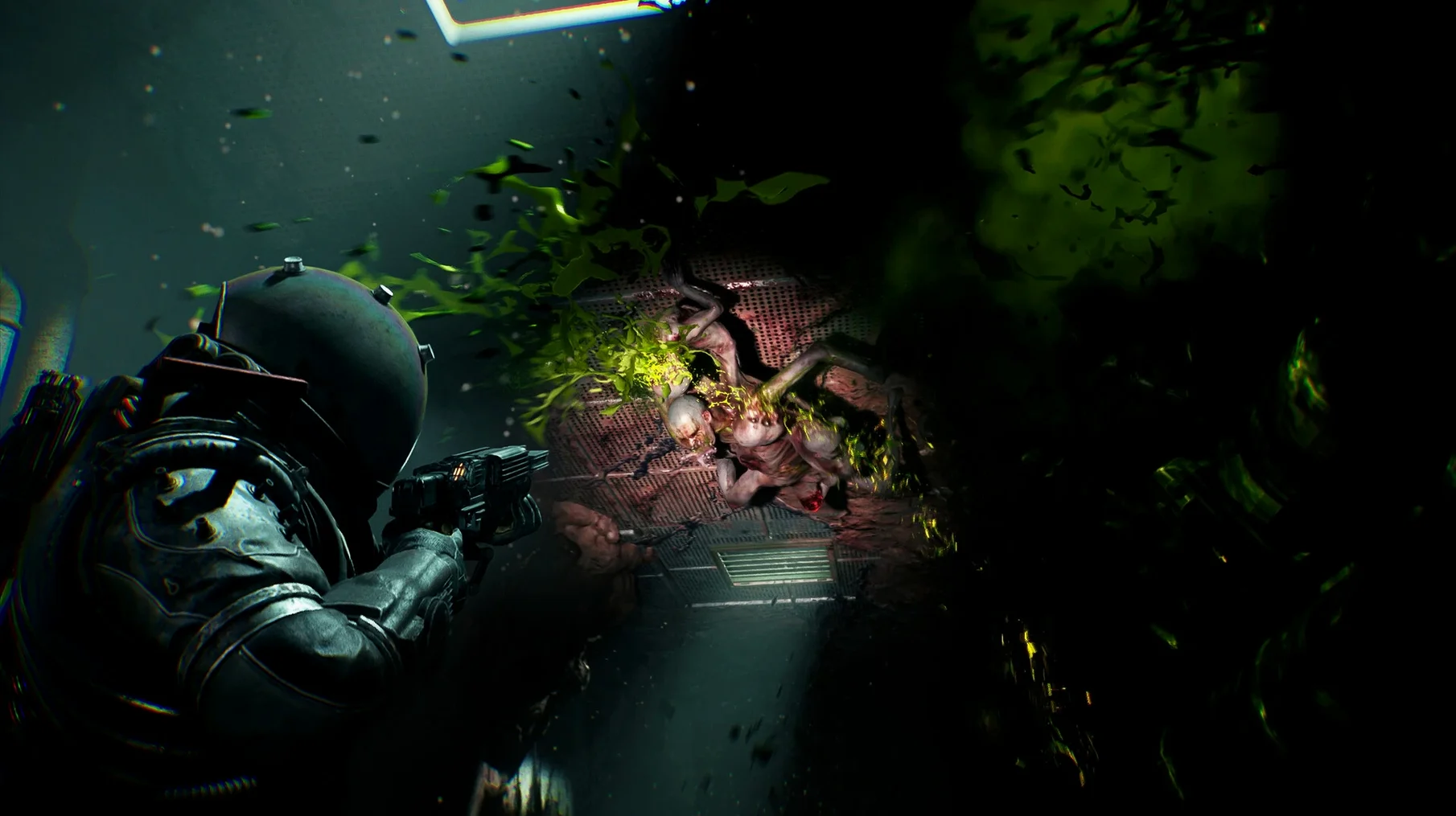
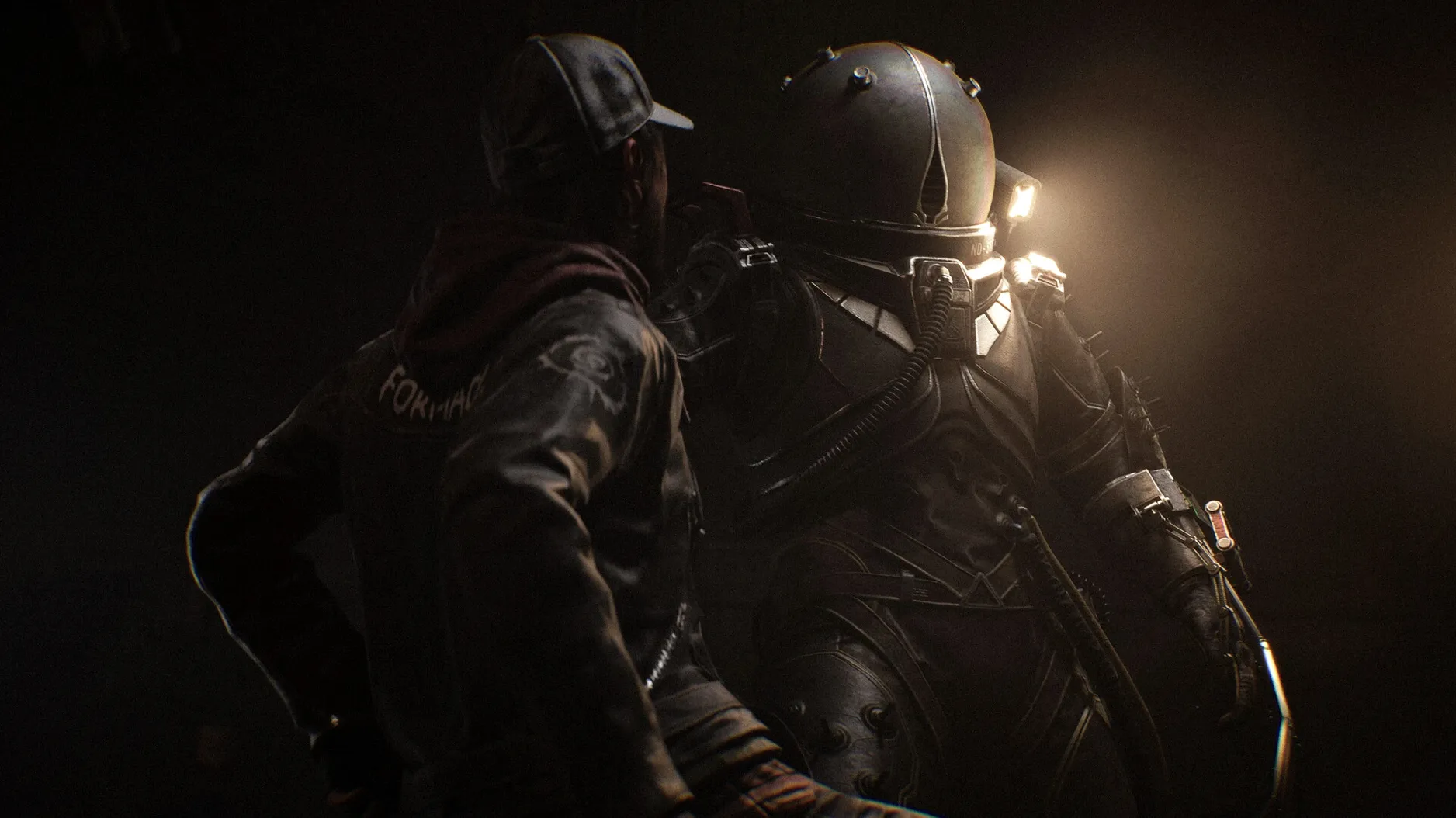
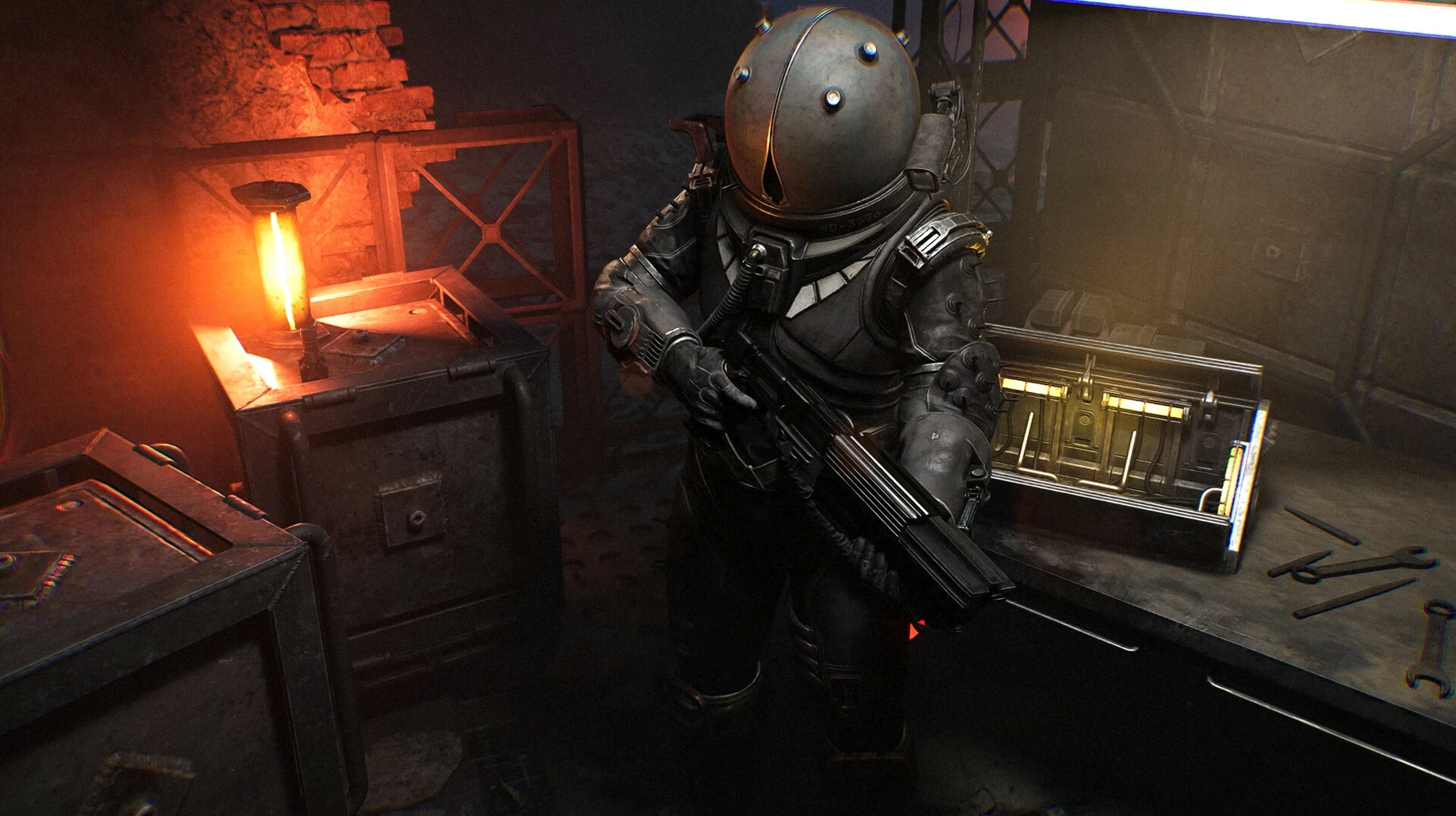
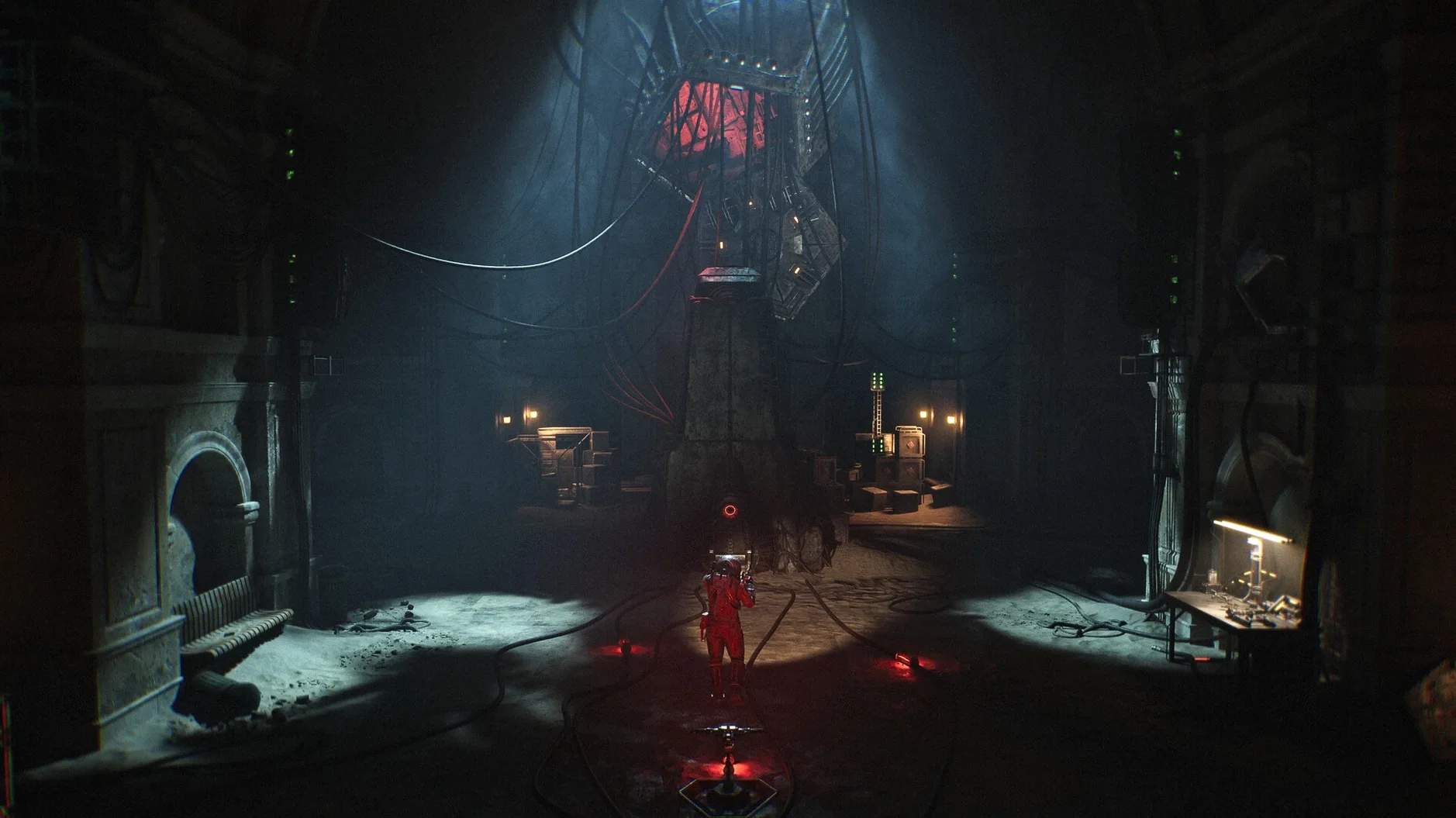
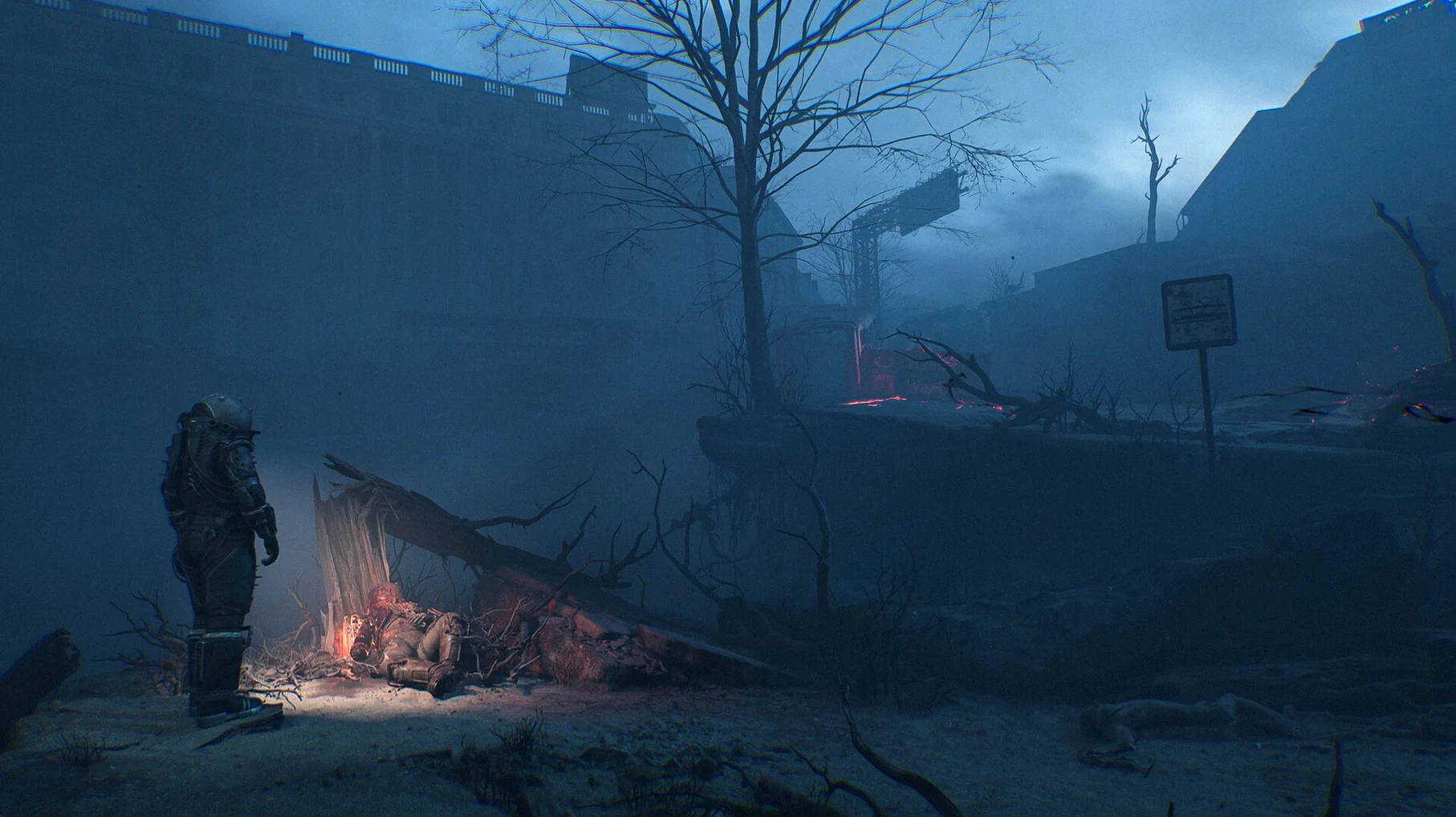
Where Bloober Team’s earlier work relied on fixed camera angles and a sense of confinement, Cronos: The New Dawn shifts to a wider third-person perspective across a ruined future and fragments of the past. The player, a Traveler, moves through a wasteland where time itself is as much a threat as the creatures roaming it. That link to the studio’s previous games is useful: you will recognise the slow-building dread, but the spatial awareness required here is different.
A player who values atmosphere over agility
The game asks for patience. Enemies do not simply attack in isolation — they can merge into stronger forms, turning a manageable encounter into something far worse if you hesitate. Someone who enjoys reading environmental clues and managing tension moment by moment will find plenty to work with. The dual-timeline structure, switching between a desolate future and a past not yet ruined, rewards players who enjoy piecing together a narrative from fragments rather than being told what happened.
When deliberate, uncertain movement chafes against action reflexes
A player looking for quick, responsive combat or clear mission markers may struggle. The Traveler is not agile in the way action-game protagonists are. Movement is deliberate, and the difficulty comes as much from uncertainty as from enemy numbers. If you prefer systems where the rules are explicit and the feedback immediate, the more opaque, oppressive design here could feel obstructive rather than immersive.
A brief scenario: the scavenger run
Imagine a player who has settled into the rhythm of the game over three or four evenings. They load a save from the middle act, inside a crumbling apartment block in the future timeline. Their immediate goal is not story progression but a scavenger run — ammunition is low, and a locked door on the floor below suggests a stash room. The corridor outside is silent. They move slowly, checking corners, when a shuffling sound comes from a flat on the left. Through the doorway they spot two basic enemies. Rather than engage, the player retreats and watches. Within seconds the creatures begin to merge, limbs folding into a taller, armoured form. The player weighs the cost: the merged enemy guards the room they need to search, but fighting it will burn through most of their remaining resources. They decide to lure it into a narrower stairwell where its size works against it, using the environment to buy enough time to grab what they came for. The encounter itself is brief and ugly, but the satisfaction comes from having read the situation before it escalated.
Mac users who get the most out of it
This is a game for macOS players who already know they enjoy atmospheric horror and are comfortable with a slower, more methodical approach to third-person action. It suits someone who treats a gaming session less as a series of objectives to clear and more as a place to inhabit for an hour or two. The blend of Eastern European brutalist architecture and retrofuturist machinery gives the environments a specific, grounded quality that appeals to players drawn to world-building over spectacle. Mac users with an M-series chip and a quiet room will get the full effect: the ARM-native build runs without the fan noise that would break the tension, and the audio design — footsteps, distant metallic groans, the wet sound of a merge happening somewhere out of sight — carries a lot of the horror.
Players who enjoy games like Silent Hill 2 or Darkwood will find familiar emotional territory, though the third-person camera and time-shifting mechanics give Cronos: The New Dawn its own identity. It also rewards those who replay sections: knowing when a timeline shift is coming changes how you prepare, and the soul-collection mechanic encourages a second look at areas you rushed through the first time.
Treating enemy merging as a scripted certainty
The most common early mistake is treating the merge mechanic as a fixed script. New players often assume that two enemies will always merge if left alone, and they waste resources trying to prevent it at all costs. In practice, merging depends on proximity and type — some creatures never combine, and others only do so when a third is nearby. Learning which pairings are dangerous and which are harmless takes observation, not aggression.
Another frequent error is hoarding soul energy. The soul-collection system is not a late-game currency; it is meant to be used regularly to strengthen the Traveler. Beginners who save everything for a boss fight find themselves underpowered during routine encounters, making the game feel more punishing than it actually is. Spending early and often smooths the difficulty curve considerably.
A subtler mistake involves the timeline shifts. Players sometimes treat the past segments as safe narrative interludes and lower their guard. The past is less populated with enemies, but the ones that do appear are often faster and less predictable. Walking into a past-era building with the same caution you would use in the future wasteland is a habit worth keeping. Finally, newcomers occasionally ignore the audio cues that signal a merge is beginning — the sound design is not just atmosphere, it is a warning system, and playing without headphones or with music in the background removes one of the game’s most practical tools.