Aspecten
 Download (10 GB)
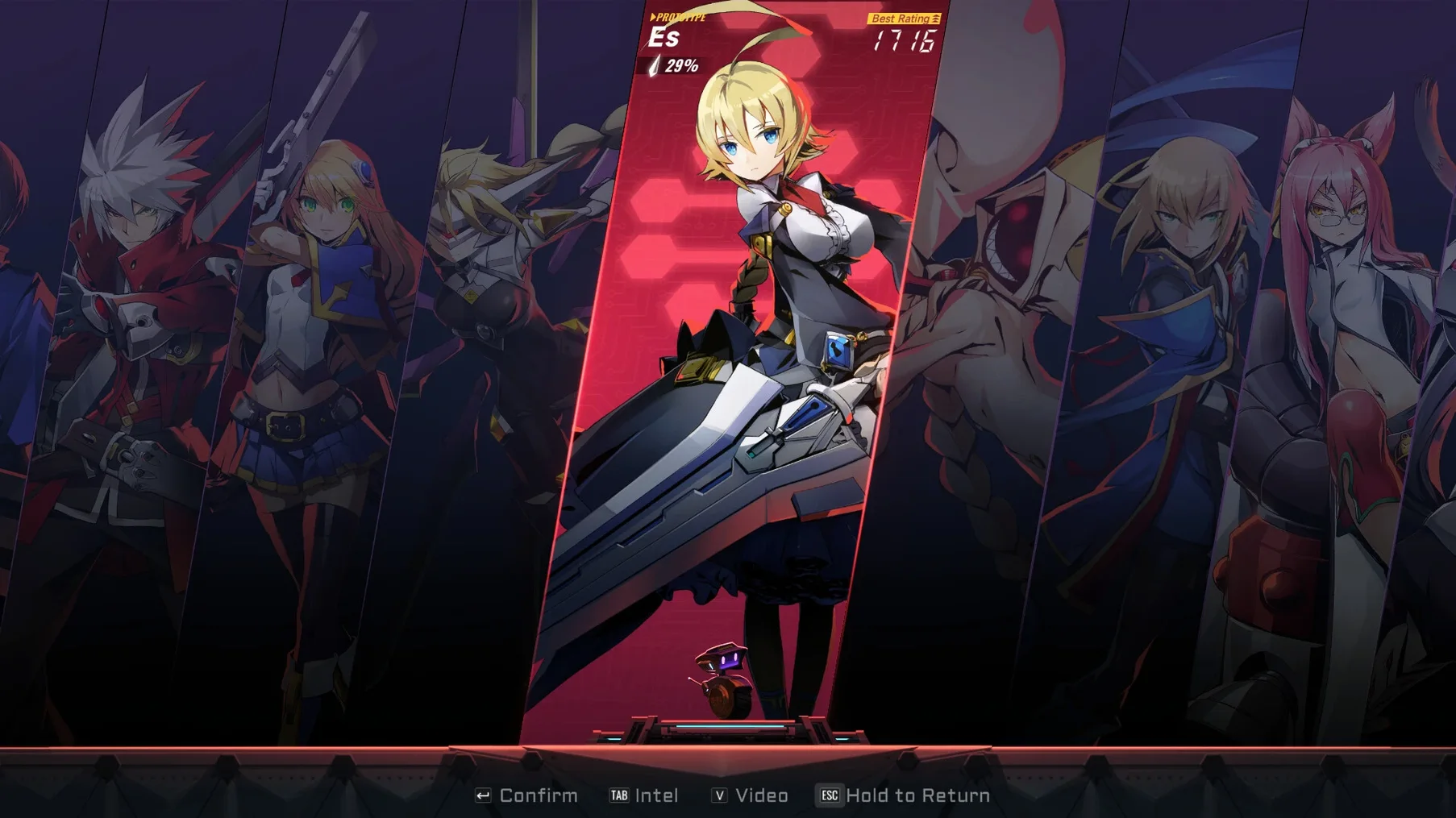
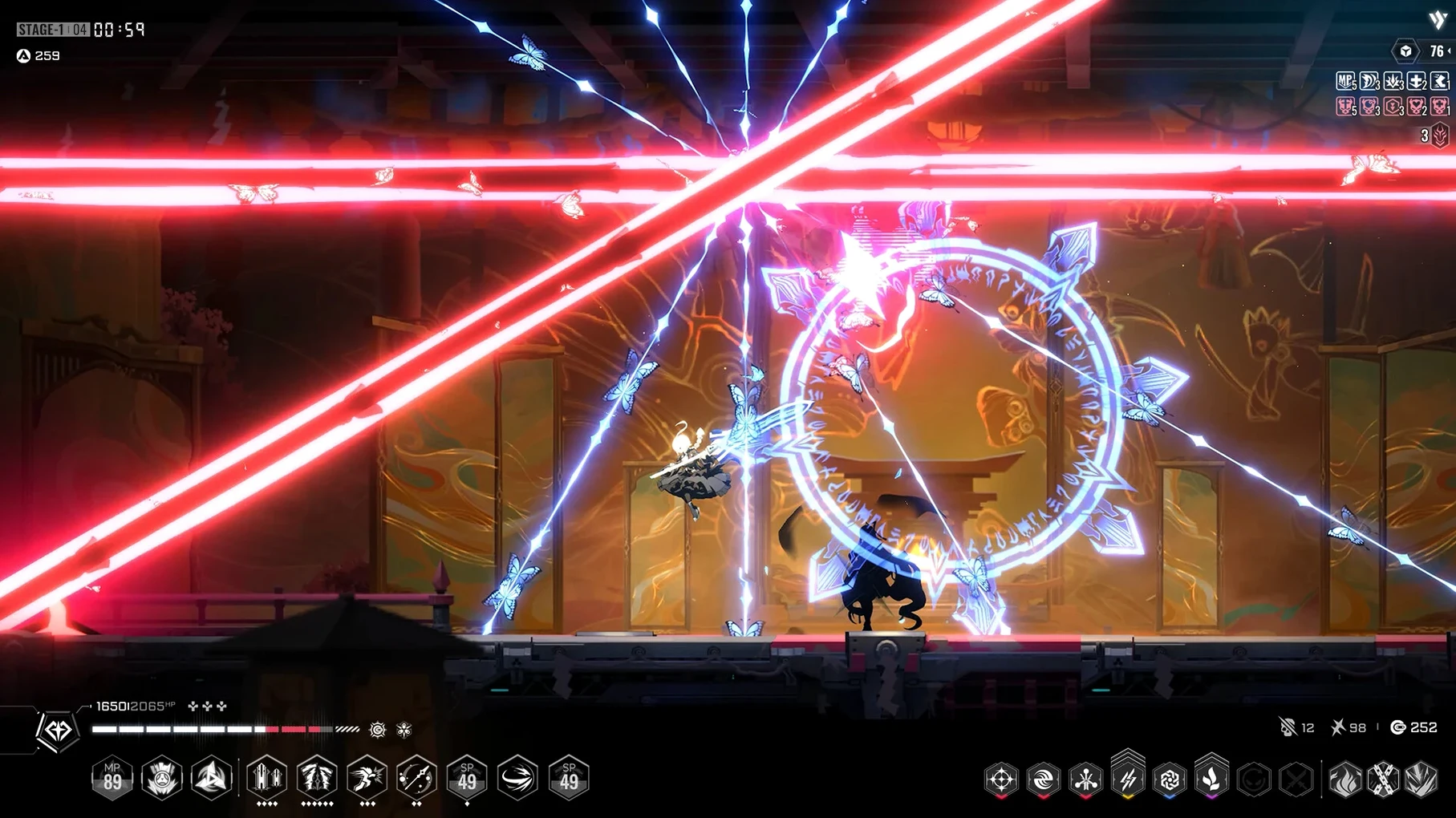
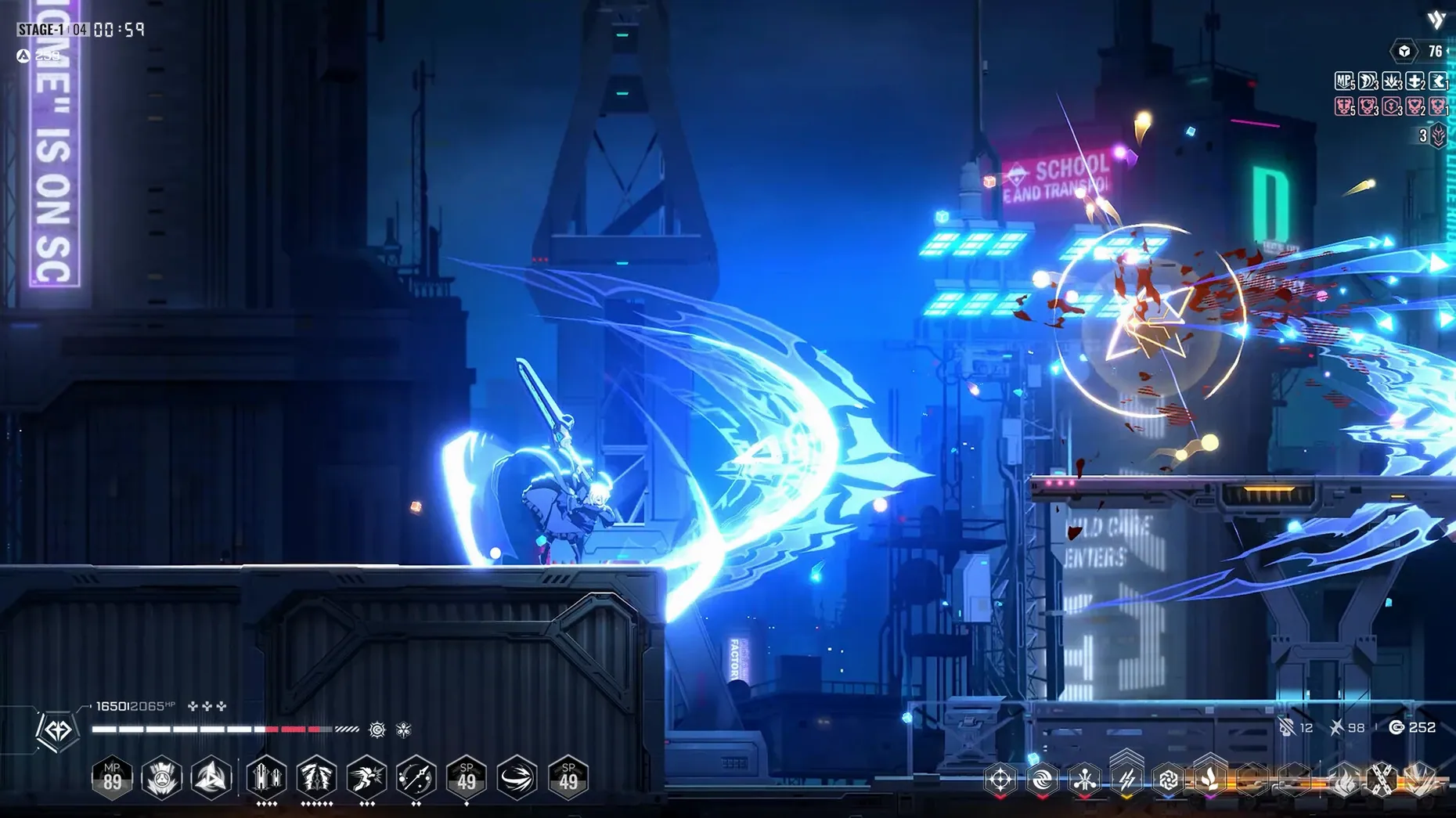
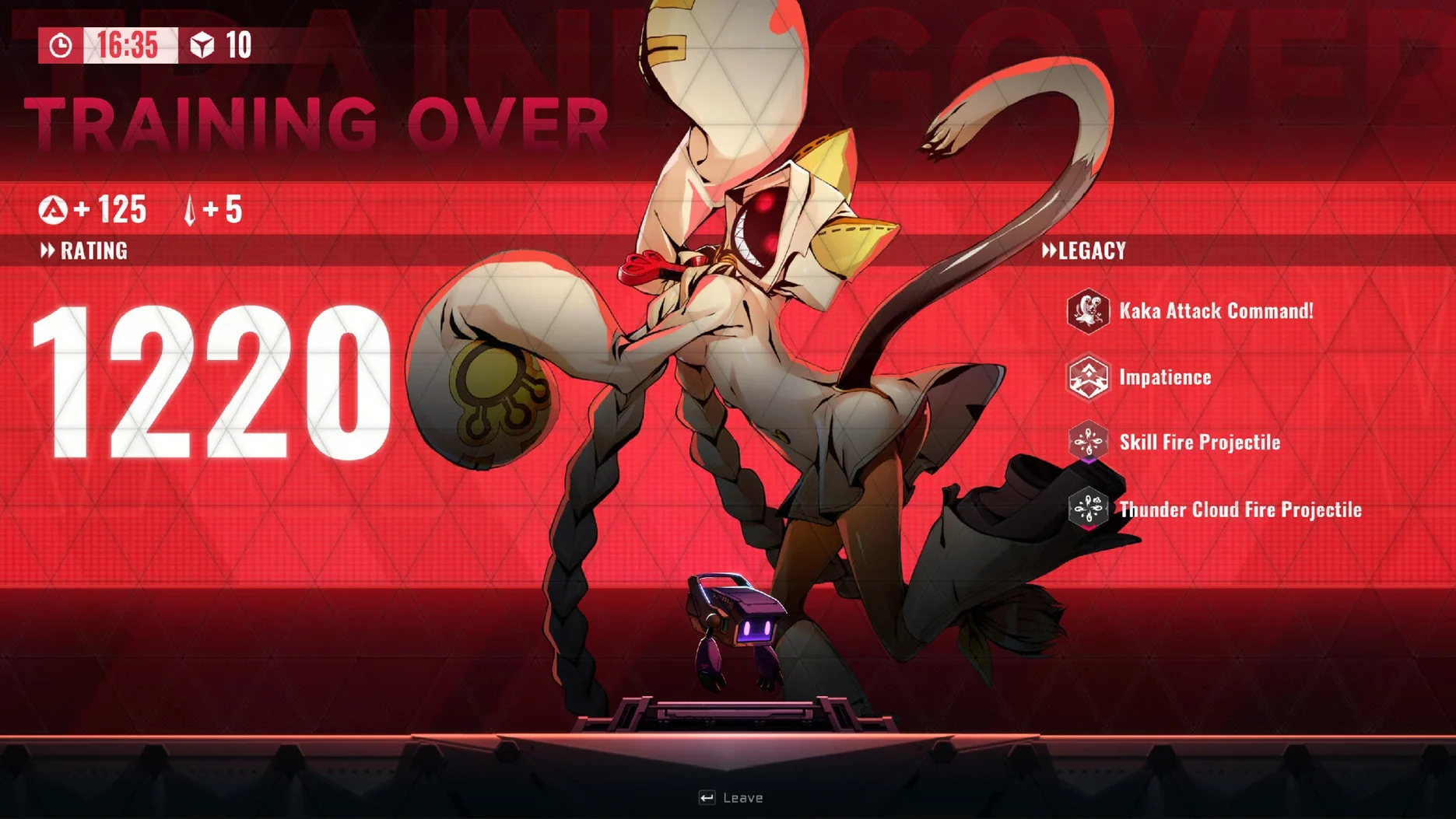
Straightforward arcade fighters rarely scratch the itch for a longer session with persistent upgrades and shifting tactics. BlazBlue Entropy Effect wraps the series' cast in a roguelike structure, so each run asks you to build a character from scratch while the core combat stays snappy and familiar.
Picking a character and elements
You choose a fighter and steer them through procedurally arranged stages, collecting abilities from seven elements. The element system pushes you towards a particular damage type during a run, rewarding focus over scattering your picks.
Inheriting skills between fighters
Between runs, each character can inherit skills from two others. This lets you bolt a rushdown character's gap-closer onto a zoning fighter, producing hybrid movesets that the base roster never had.
Playing online with cross-save
An online lobby is built in from this first Mac release, and save data migrates across platforms. You can start a session on one machine and carry your unlocks to another without extra tinkering.
Where it leans into fighting-game roots over roguelike conventions
Putting Entropy Effect next to something like Dead Cells or Hades highlights where it leans into its fighting-game roots and where it steps back from pure roguelike conventions. All three run well on Apple Silicon, but they aim at different parts of the brain during a session.
Dead Cells prizes motion fluidity and weapon variety above any character identity. You piece together a build from whatever drops, and the protagonist stays a blank slate. Entropy Effect flips that: the fighter you pick defines your normals and specials from the first room, and the roguelike layer wraps around them. It feels closer to loading into an arcade mode with an evolving moveset than to scrambling for a lucky weapon swap.
Hades spends its energy on narrative pacing and dialogue unlocking between attempts. The combat is tight, but the loop nudges you back to the house for story beats. Entropy Effect barely pauses for conversation. The lobby is functional, the upgrades are numeric and skill-based, and the next run is always one button away. If Hades is a roguelike with a novel tucked inside, this is a roguelike with a training mode underneath.
Against a game like Skul: The Hero Slayer, which also does 2D action with character-swapping, Entropy Effect feels more deliberate. Skul throws rapid transformations at you mid-run; here you commit to a base fighter and bend their kit through element choices and inherited skills. The rhythm is slower and more considered, closer to deck planning than to juggling identities on the fly.
Workflow: building a Noel run around ice and a borrowed gap-closer
You pick Noel Vermillion, whose default kit keeps fights at mid-range but leaves her vulnerable when enemies close the gap fast. The first three rooms drop a mix of fire and ice abilities. Ice offers consistent crowd control, so you commit early and skip fire upgrades even when they glow on the pedestal. By the first mid-boss, her chain revolver combos are applying chill stacks that slow pursuers long enough to reposition.
After the boss, you visit the inheritance menu and pull a dash-piercing strike from Ragna. The skill slots into Noel's rotation and gives her a panic button when mobs flood the screen. You map it to a shoulder button and start weaving it between revolver strings, using the pierce to exit corners rather than initiate.
Through the second half of the run you prioritise ice-element chambers and ignore shops selling off-element upgrades. A late relic adds a freeze burst on dash impact, which syncs with the inherited pierce. The final boss spends half the fight locked in place while Noel chips from outside its reach. The whole sequence took a single evening session, and the build felt coherent without needing a wiki open on the side.
Controller vs. keyboard for feeling the fighter DNA
Does it need a controller, or can I manage with a keyboard? The game works with both, but the fighter DNA shows most clearly with a controller. A keyboard is serviceable for lighter runs; longer sessions benefit from a d-pad and shoulder buttons for skill chaining.
How much BlazBlue lore matters here? Almost none. Recognising Ragna or Noel adds a layer of nostalgia, but the roguelike loop explains itself. Element affinities, skill inheritance and stage flow are all taught through tooltips and short tutorials, not through story beats.
Is the multiplayer lobby for co-op runs or something else? The lobby connects players for matchmaking and shared sessions, but the core loop remains solo unless you deliberately join or host. You can ignore it entirely and lose nothing from the single-player experience.
Does cross-save require an account? The migration is handled through platform-linked cloud data, so you do not need a separate 91Act login. Switching between a MacBook and a desktop picks up your progress as long as both machines use the same store account.