Aspecten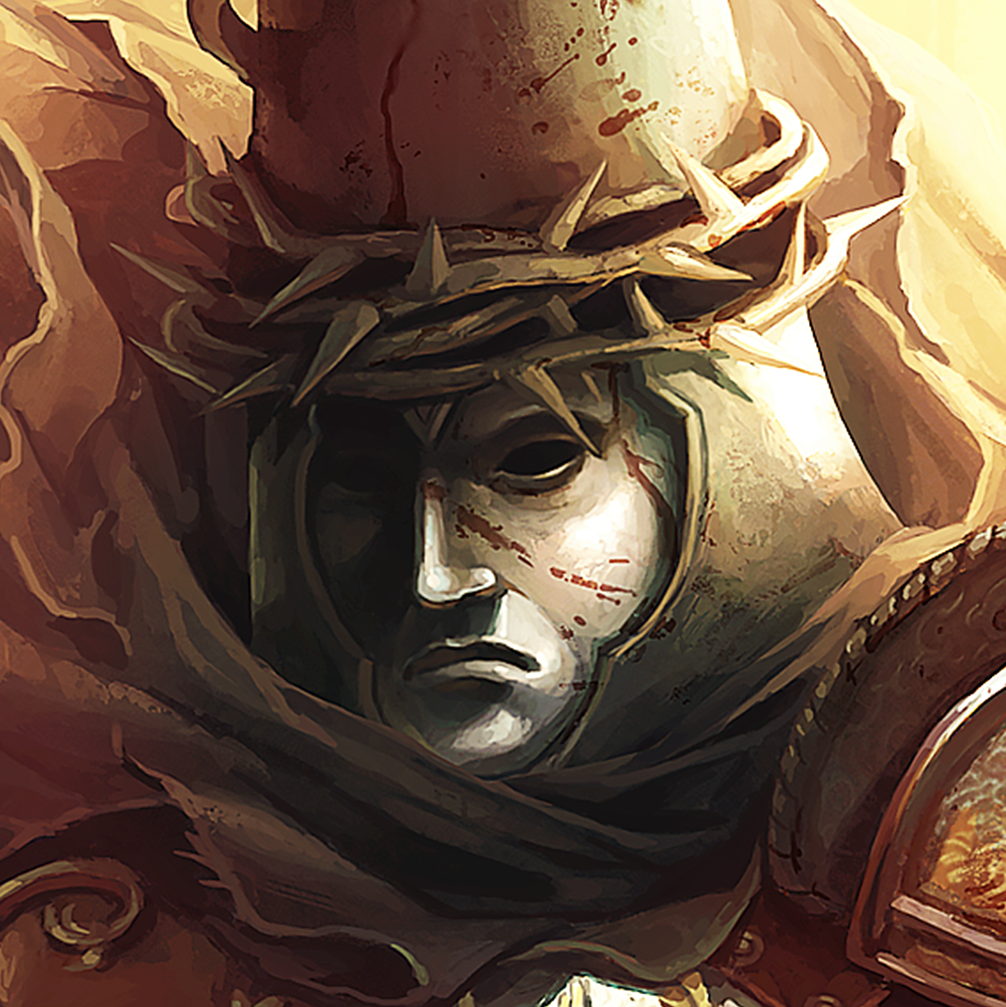
 Download (731 MB)
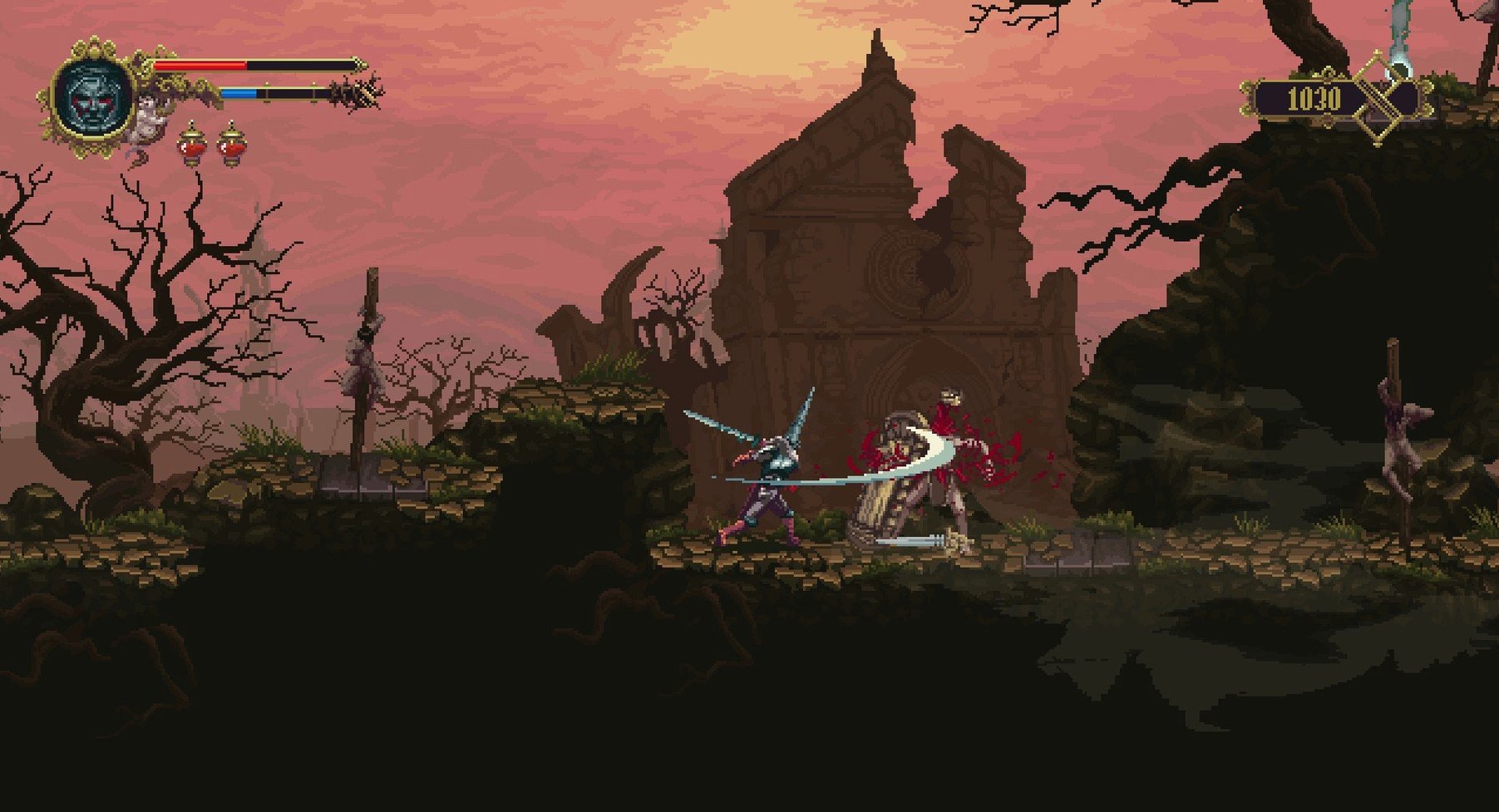
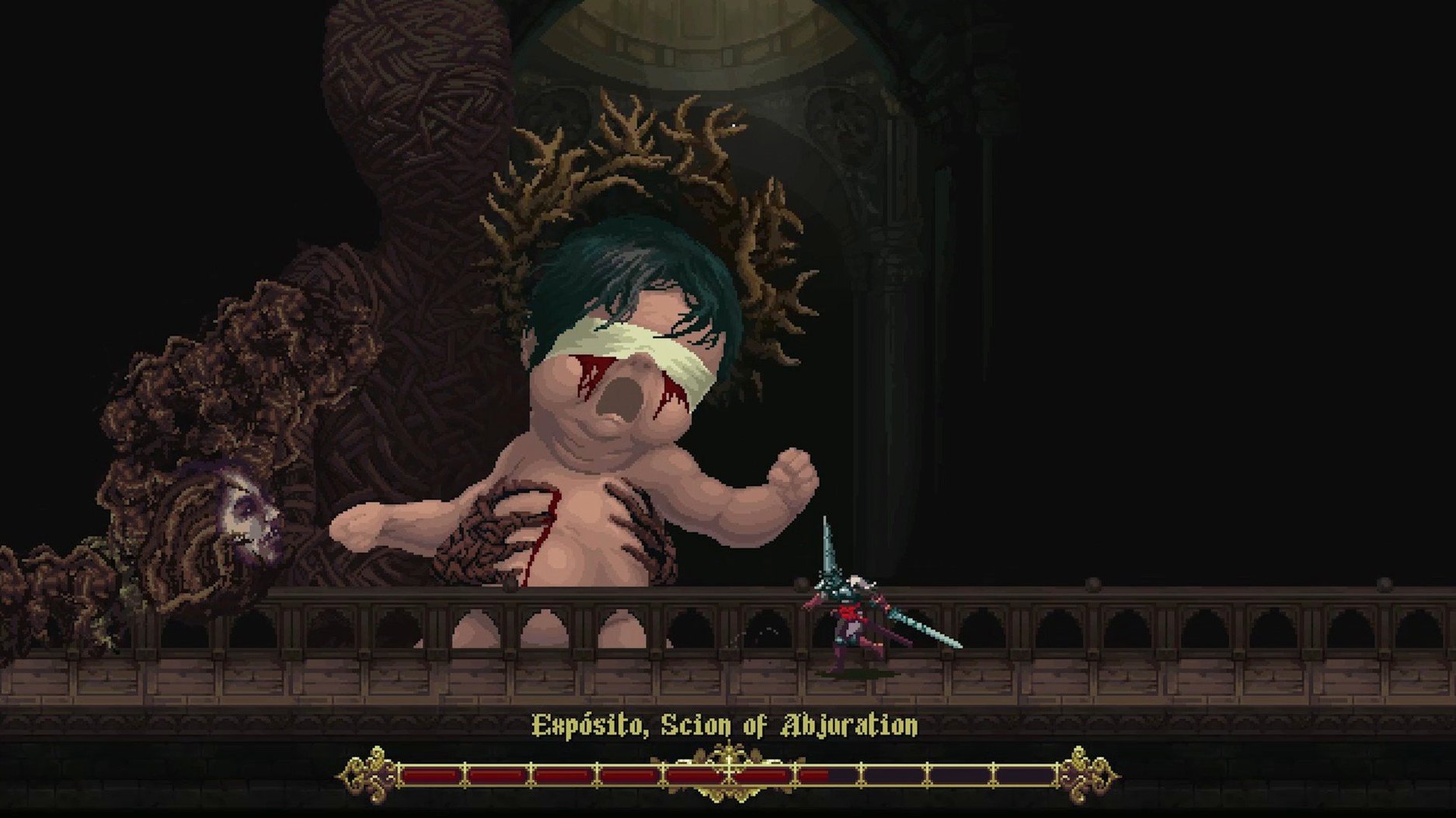
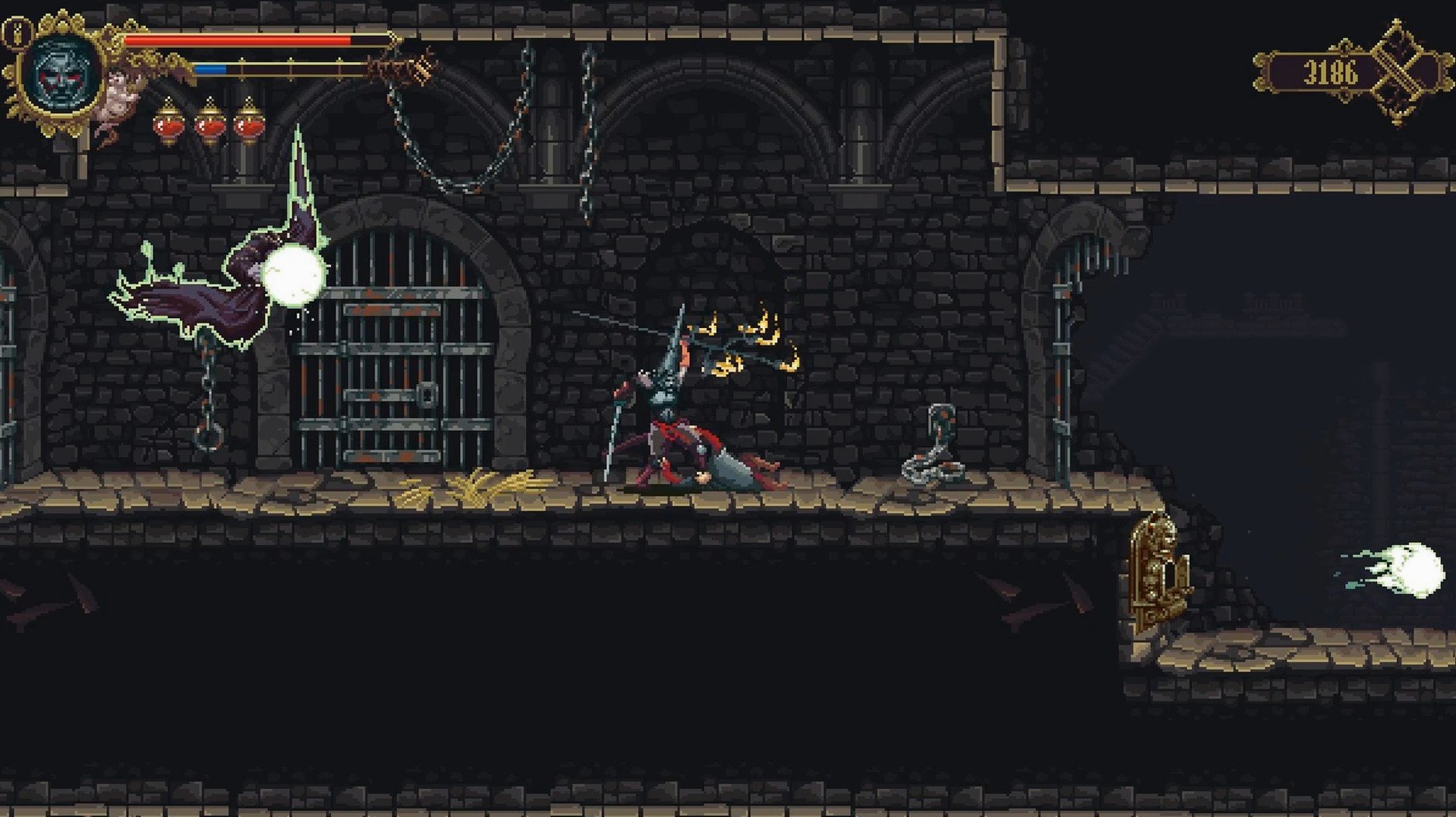
Over forty collectable rosary beads alter your defences, and that catalog of passive modifications sets the tone before you take a single swing. Blasphemous is a measured, brutal action-platformer set in Cvstodia, a land twisted by a curse called the Miracle.
Fight with sword hearts and prayers
Combat revolves around the Mea Culpa sword, which you modify by slotting sword hearts into its hilt to change its speed, reach or special properties. You chain destructive combos against hulking, grotesque enemies, timing your dodges and parries carefully because mistakes are punished hard. Equipped prayers act as limited-use magical attacks, giving you projectiles or area damage for tougher encounters.
Explore a non-linear map
Cvstodia unfolds as a connected series of zones you can tackle in several orders. Gated paths, locked doors and vertical shortcuts reward backtracking once you collect new relics that grant abilities like blood-platform summoning or poison-gas immunity. Minute to minute, you are reading enemy patterns and watching for breakable walls that hide rosary beads or collectable lore.
Configure your rosary loadout
Between fights you swap relics and rosary beads at save-point altars to adjust physical defence, elemental resistance or special buffs. The interface lets you mix three active beads and four relics, so a single tough boss might push you to rethink your entire defensive layout before you try again.
First days in Cvstodia
Spend the opening hour learning the parry window. The Penitent One raises the Mea Culpa with a brief delay, and that timing becomes automatic only after some punishment. Practise on the early wailing enemies in the Holy Line until you can parry three in a row without taking a hit — that rhythm carries through every boss in the game.
Unlock the fast-travel portals as soon as you spot them. The hand-shaped gates appear in most major zones, but the game never explains them directly. Walk up to one, interact, and the portal registers; you can then warp between any two active gates from the map screen. This saves enormous backtracking on foot later, especially when mopping up missed rosary beads.
A practical habit: mark locked doors and unreachable ledges with a quick screenshot or a note. The map highlights unexplored room exits but does not log what blocked you. When you later acquire the blood-platform relic or the tongue that opens vine-covered passages, you will know exactly where to return.
On a first playthrough, favour the heart that adds a fourth strike to the basic combo. It costs nothing and reduces the number of parries needed against standard enemies, giving you more mental bandwidth to read attack patterns instead of counting hits.
Weightier combat than Hollow Knight
Next to Hollow Knight, Blasphemous feels weightier. Hollow Knight emphasises fluid aerial movement and tight corridor dodging; Blasphemous roots you to the ground with a slower dash and a deliberate parry system. Exploration in Blasphemous is less about pogo-bouncing across spikes and more about methodically clearing a room of threats before advancing. Both share the corpse-run mechanic where you reclaim dropped currency upon death, but Blasphemous limits your maximum fervour until you recover your guilt fragment, which adds a small tension Hollow Knight lacks.
Measured against Dead Cells, the games differ in structure. Dead Cells runs are procedurally generated and built around speed; Blasphemous commits to hand-authored room layouts and fixed enemy placements that reward memorisation. There is no timer pressure and no randomised loot — every rosary bead is placed by a designer, so exploring a corner always yields a known reward rather than a chance drop. If Dead Cells asks you to improvise, Blasphemous asks you to study.
Salt and Sanctuary shares the religious-horror aesthetic and some RPG-DNA, but Blasphemous trades stats and class builds for a fixed moveset you customise through equipment. Salt and Sanctuary gives you a skill tree and weapon scaling; Blasphemous gives you sword hearts, prayers and relics that change how the Penitent One behaves without altering core attributes. The difference is felt in boss encounters — Blasphemous bosses demand pattern recognition with limited healing flasks, while Salt and Sanctuary often allows you to out-level a threat.
Sub-five-second load times on M4 Mac mini
Under macOS Tahoe on an M4 Mac mini, the game loads a save file in under five seconds and transitions between rooms with no perceptible stutter. The pixel-art scenes run at a locked frame rate, and even rooms dense with particle effects — such as the charred procession in Wall of the Holy Prohibitions — hold steady. Spikes remain high-contrast against backgrounds, which matters when contact damage kills in two or three hits.
Memory use sits modestly. After a two-hour session spanning five zones and several boss attempts, the process held around 800 MB of RAM with no creeping increase. Background music and voice samples — both available in English and Spanish — do not skip when the system wakes from sleep, a small mercy for a game where audio cues telegraph unblockable attacks.
The only instability observed occurred when leaving a blasphemous mac torrent running alongside screen-recording software: the video driver logged one frame-time spike, but the game recovered without a crash. Under normal conditions without capture tools active, Blasphemous has not dropped a frame or corrupted a save across several long sessions.