Aspecten
 Download (1.1 GB)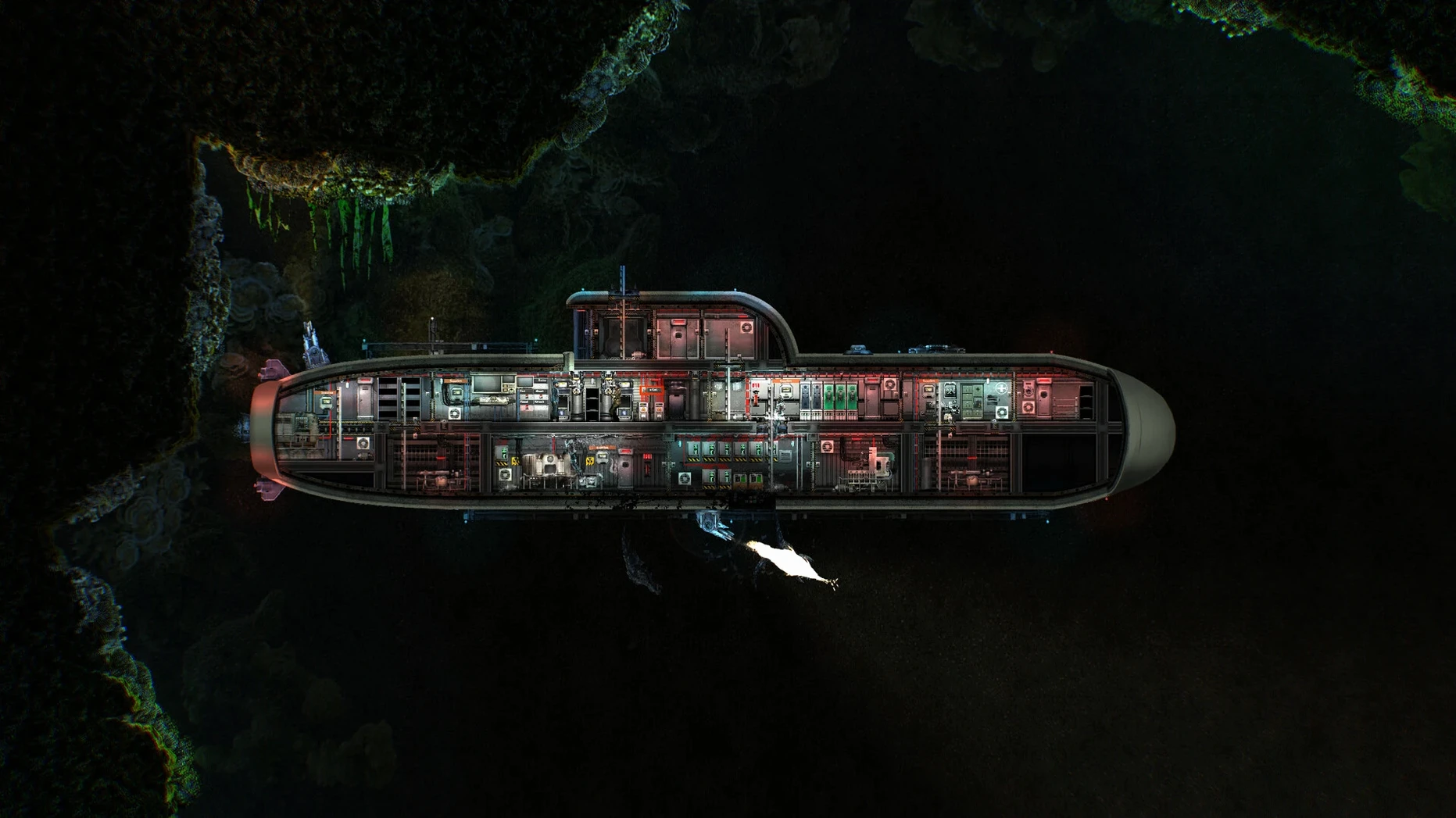
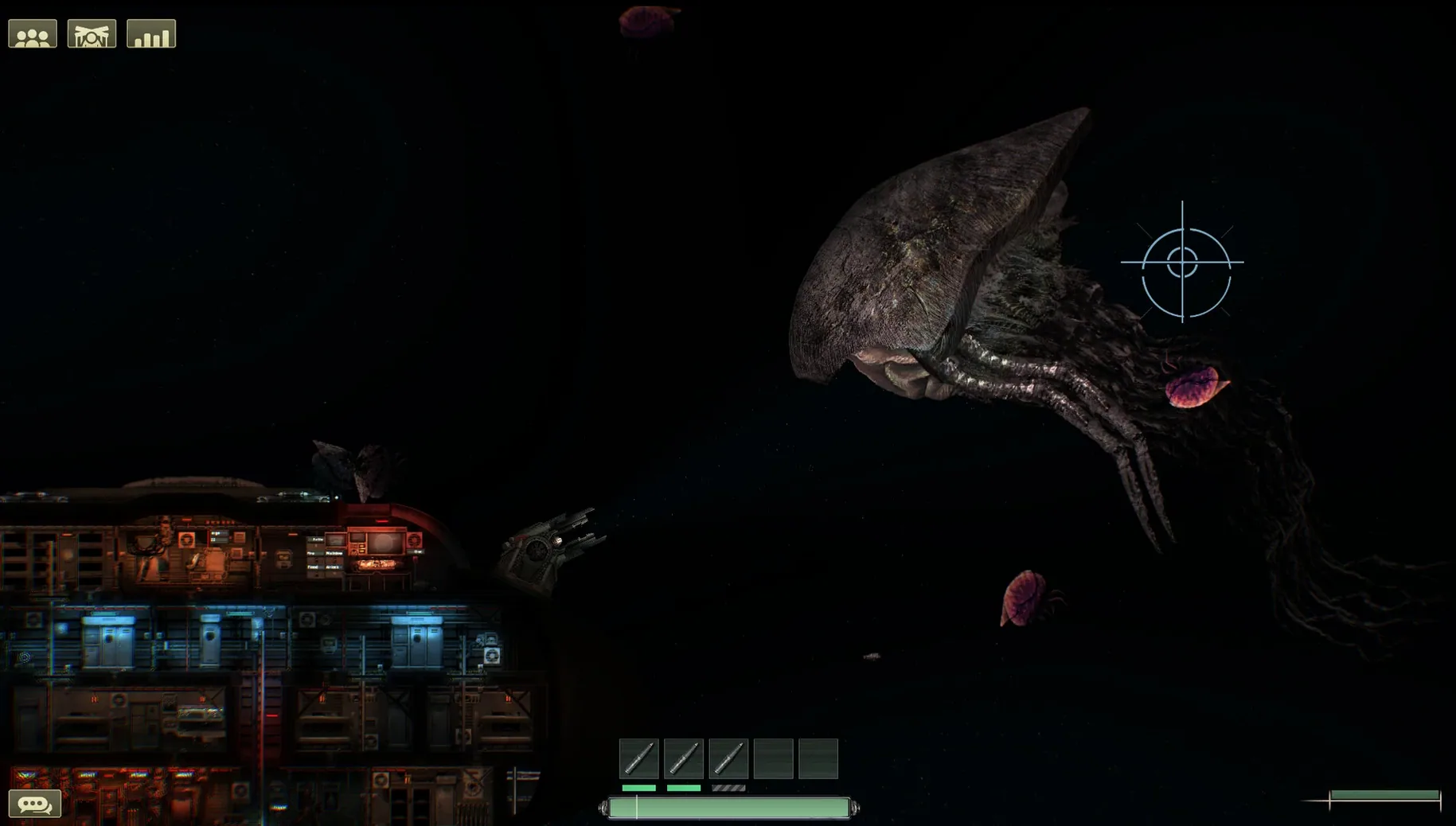
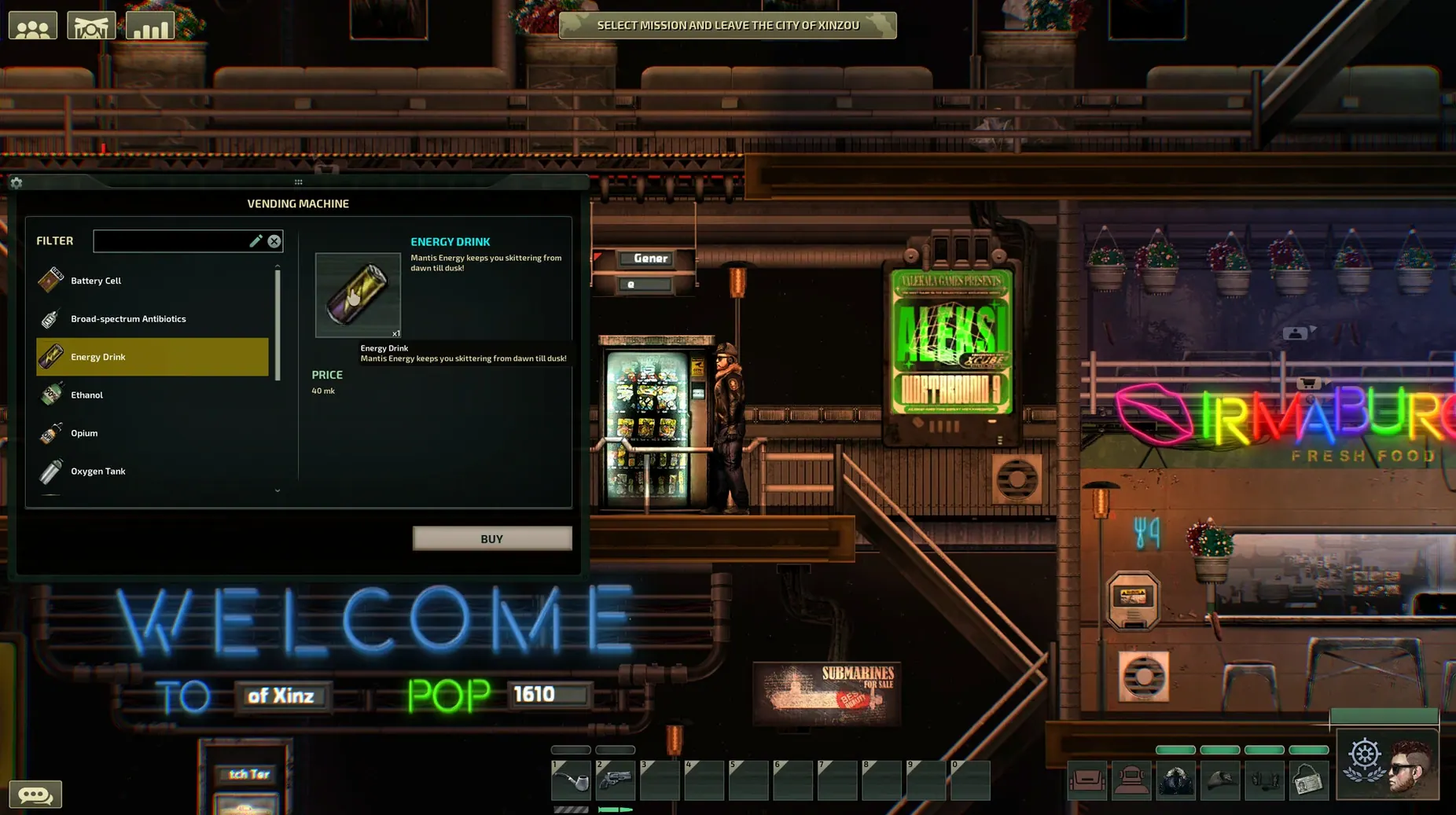
A single hull breach on Europa is enough to end a campaign. The 2D perspective of Barotrauma turns a submarine into a cross-section of interdependent rooms, each with its own wiring, pumps, and machinery. When water rushes in, the crew does not just see a health bar drop — they watch compartments flood, systems short out, and a panicked engineer scramble for a welding tool while the captain wrestles with the ballast. The threat is spatial and immediate, not abstract.
This is a game that splits its audience cleanly. Players who enjoy deliberate, process-heavy cooperation will find a rare depth here. Every role on the sub — captain, mechanic, medic, security — has its own interface and skill tree. The medic does not click a 'heal' button; they diagnose afflictions, apply bandages or antidotes, and manage a limited supply of drugs. The engineer crawls through access tunnels to rewire junction boxes. A session can pivot from a quiet supply run to a frantic damage-control drill in seconds, and the game never hurries you through either state.
What wears on the other half of players is the friction. Barotrauma is not a game that smooths over the tedious bits of submarine operation. Reactor fuel runs out. Ballast flora grows. Someone has to craft replacement ammunition from raw minerals while the sub drifts near an abyssal ridge. For a group that finds pleasure in maintaining order under pressure, this is the whole point. For someone who wants a tighter, more guided experience, the same systems feel like chores without a clear payoff.
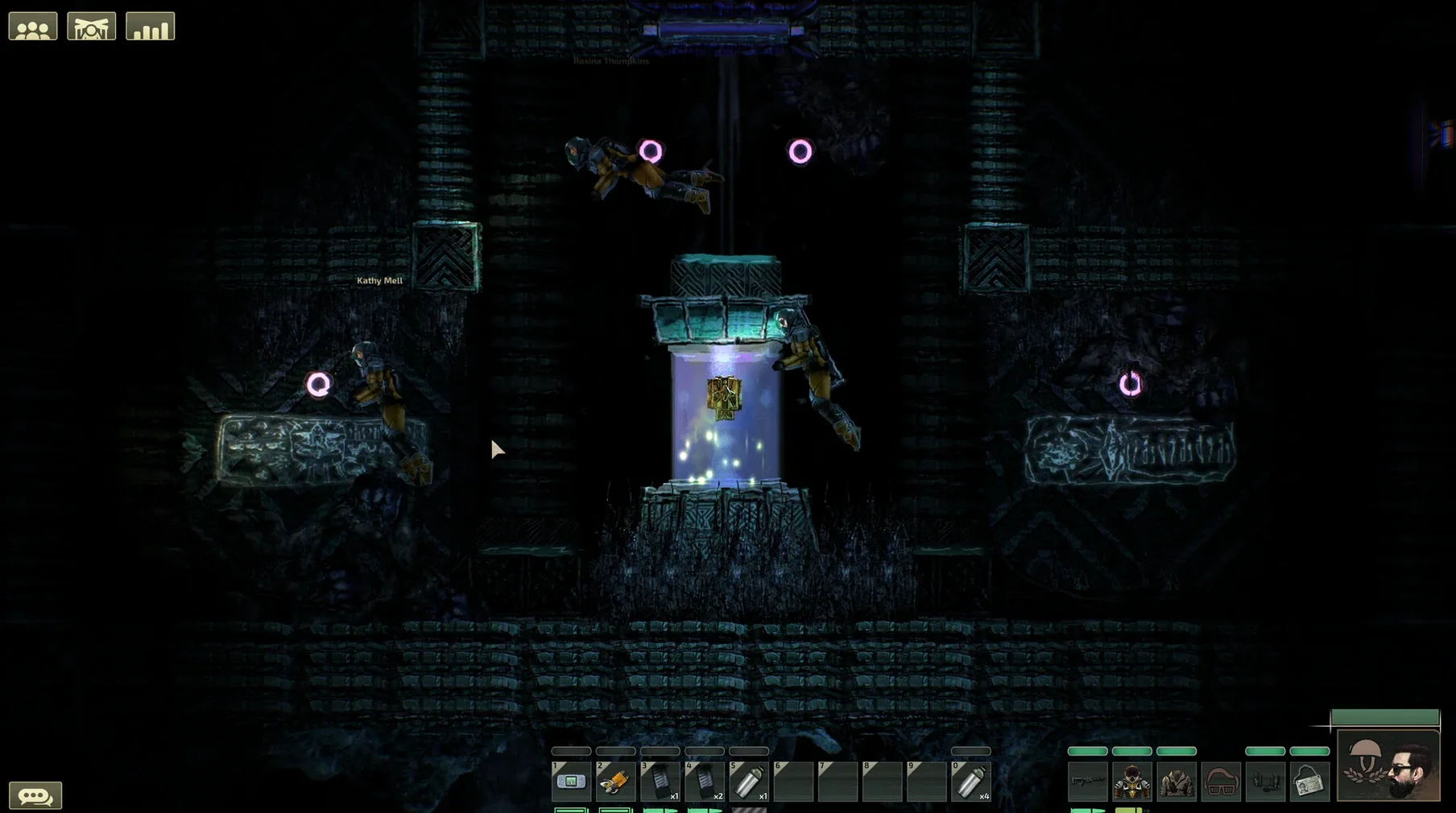
The alien ruins and the constant hum of Europa’s radioactive ocean give the game a distinct, uneasy atmosphere, but the true core is always the crew dynamic. Whether you are playing with friends or strangers, the human element — miscommunication, panic, quiet competence — defines each voyage more than any monster does.
A typical session aboard the Barsuk
You join a campaign server with three others. The submarine is the Barsuk, a small scout vessel that offers little room for error. The captain picks up the headset and calls out the first waypoint, a research outpost two kilometres east. You take the mechanic role, so your first two minutes are a quiet lap of the sub: check junction boxes for wear, top off the reactor fuel rods, confirm the oxygen generator is running at 62% and steady.
On the helm, the captain watches the sonar screen. A faint blob drifts into passive range. It could be a rock, it could be a crawler swarm. The security officer loads coilgun ammunition and stations near the forward airlock. Twenty seconds later the blob resolves into a pair of mudraptors. The captain kills the engine and orders silent running. Everyone stops talking. The sonar pings stop. For a moment the sub is a dead piece of metal drifting with the current, and the creatures lose interest.
That is when the junction box in the aft ballast sparks. A small fire, quickly extinguished, but the pump in that compartment goes dark. Water begins to collect. The captain cannot run the engine without the ballast, so you grab a screwdriver and a welding tool and head aft, now ankle-deep in freezing Europa water. Two minutes of rewiring later the pump hums back to life. The captain pushes the throttle forward, and the outpost appears on sonar. Nobody fired a shot.
A session that lasts two hours might contain four or five moments like this, punctuated by longer stretches of routine maintenance and the occasional frantic medic call. The game rewards crews that communicate clearly and punishes those that panic. A silent crew is usually a dead crew.
What the Summer Update and hotfix changed in daily play
Version 1.13 brought five reworked vanilla submarines, which altered the feel of the early campaign significantly. The Barsuk, Dugong, and Orca — staples for new crews — received adjusted layouts, updated wiring, and small balance changes that shift how quickly a small team can respond to simultaneous failures. A duct block that was previously unreachable without cutting now has a maintenance hatch, a change that spares inexperienced engineers from learning about plasma cutters the hard way.
Quality-of-life additions in the Summer Update smoothed out small frustrations. Inventory and crafting menus behave more predicably when the sub is under way. Medical cabinets now sort afflictions more clearly. The hotfix that followed addressed crossplay issues between macOS and Windows players, which had caused occasional disconnects when joining Steam-hosted lobbies. For a game where a five-second drop can mean the difference between a sealed hull and a flooded reactor room, stable crossplay is a practical necessity, not a footnote.
Past those fixes, the everyday rhythm remains unchanged: the submarine still leaks, the reactor still overheats, and a crawler still waits behind the next ice spire. The updates refined the edges without softening the core tension.
Steam Workshop mods appear in-game with no file management
Barotrauma integrates with the Steam Workshop for submarine and character mods. Subscribing to a custom sub in the Steam overlay downloads it automatically, and it appears in the campaign or sandbox selector without manual file management. The built-in Submarine Editor and Character Editor use the same Steam Workshop pipeline, so a mod you build on an Apple Silicon Mac drops straight into a lobby hosted by a friend on x86 Windows.
The game runs in a standard window or fullscreen, and it coexists politely with Mission Control and Spaces. You can swipe between desktops without the application losing its cursor lock. Discord screen sharing works with the game in windowed mode, which matters for crews that use voice chat with a visual sonar feed on a second display. The app supports the microphone permissions model in recent macOS releases without extra configuration — grant permission once, and the voice channel stays open across sessions. Some players look for a Barotrauma download free that matches the Steam version’s crossplay, but the build architecture is straightforward: the universal binary covers both ARM and 64-bit x86, and a Barotrauma torrent on the same version connects cleanly to official lobbies as long as the build matches. The game does not demand always-on internet for single-player sandbox mode, though the campaign and multiplayer depend on a stable connection to the host.