Aspecten
 Download (145 GB)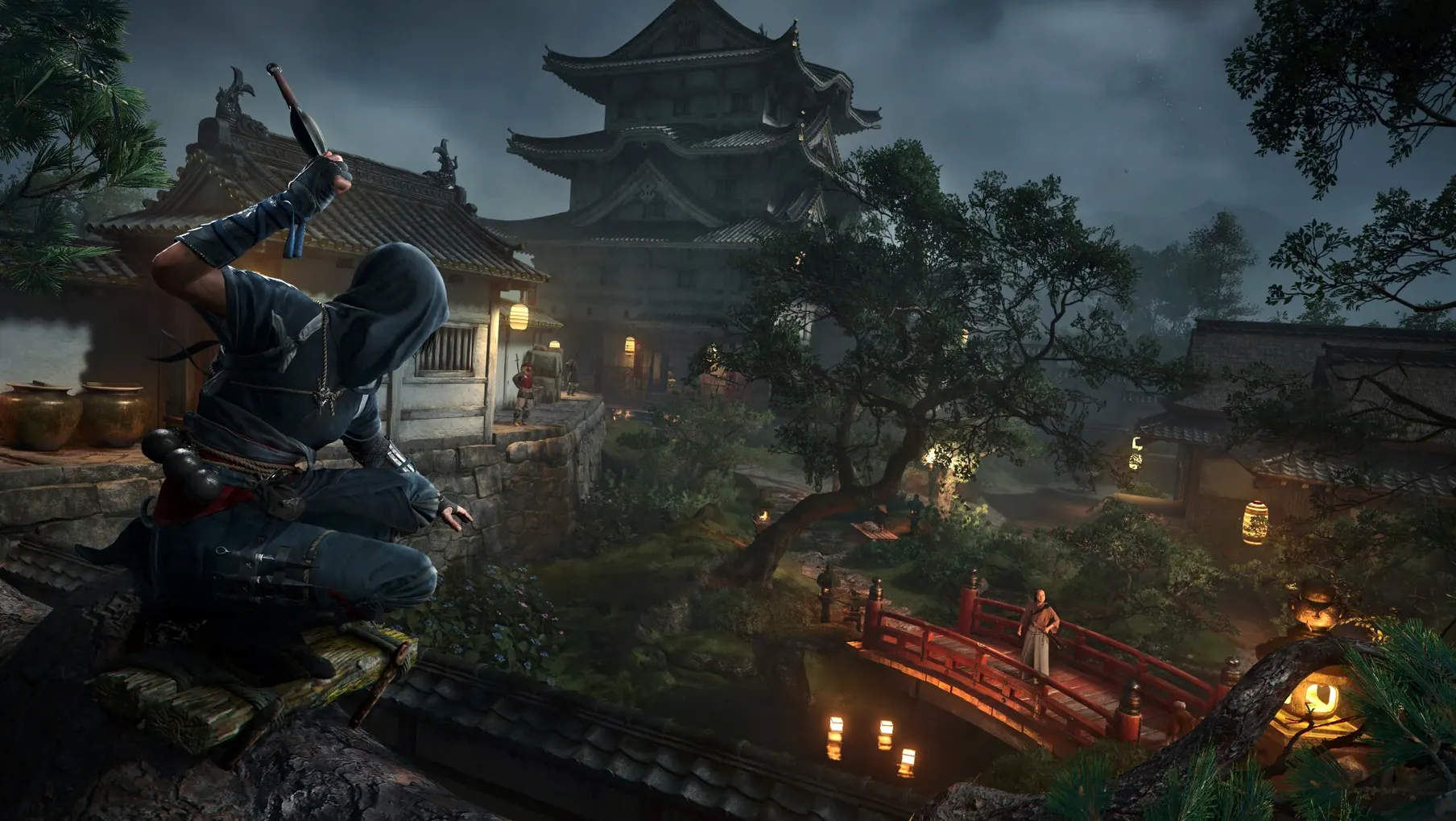
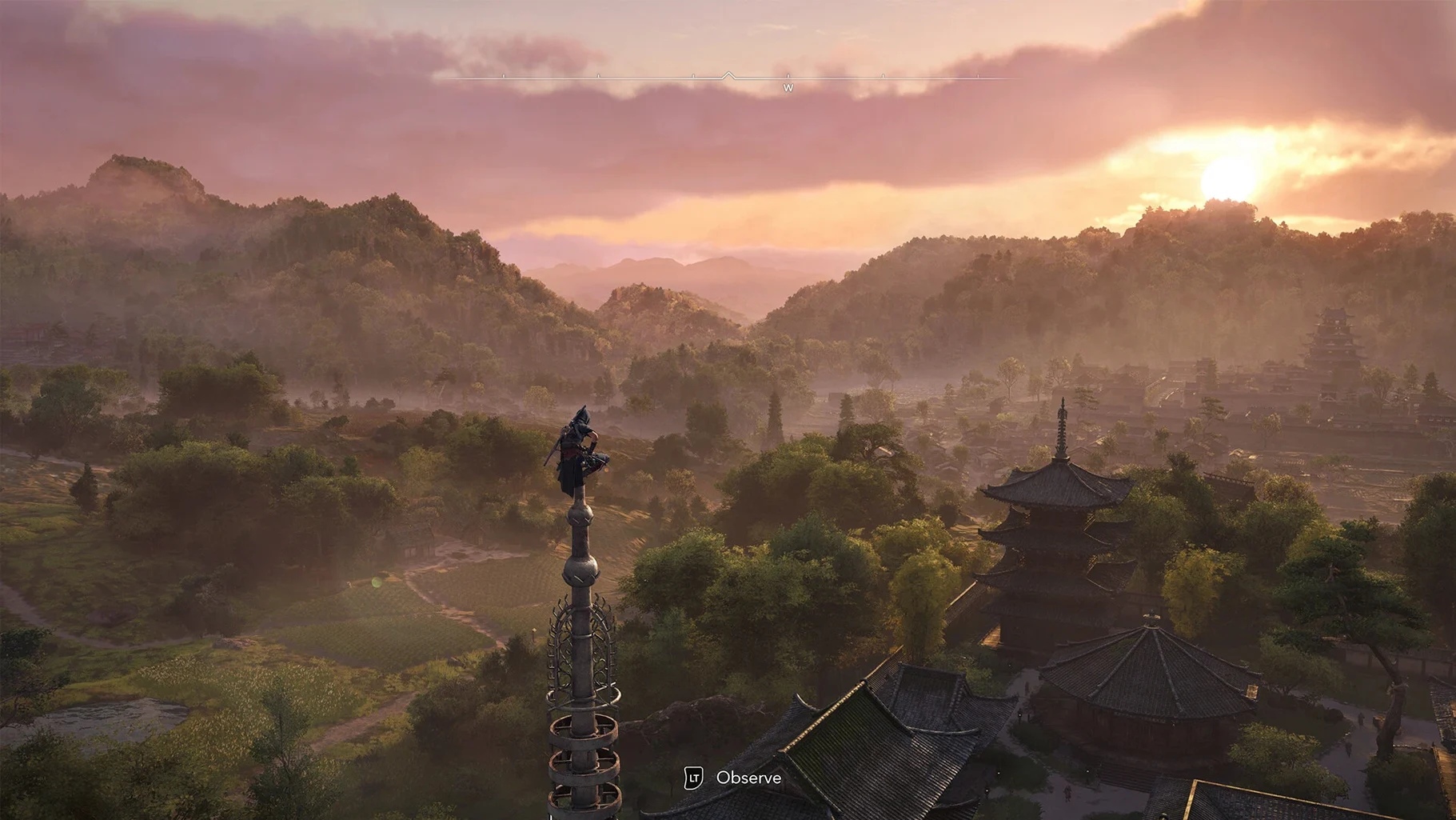
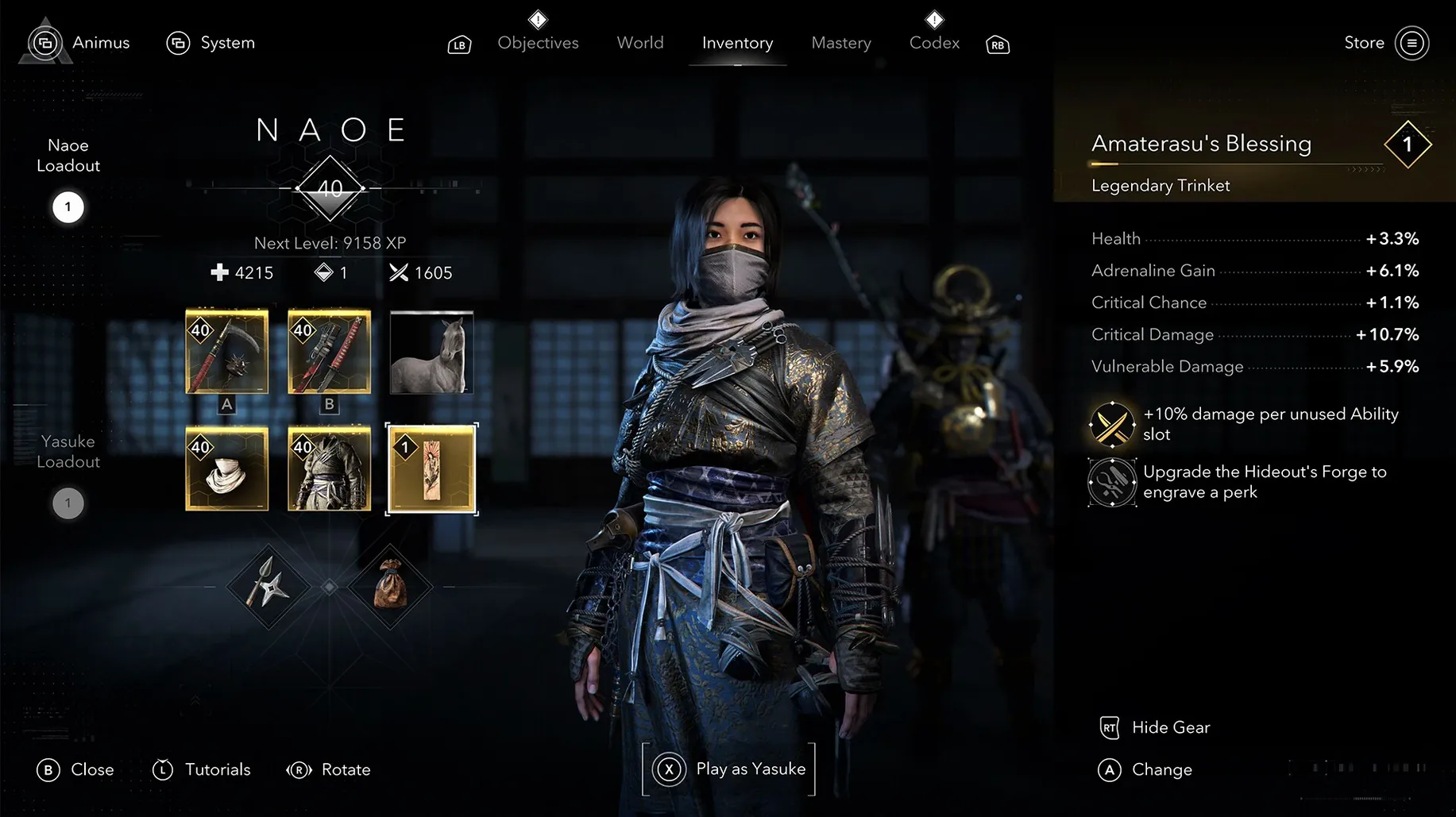
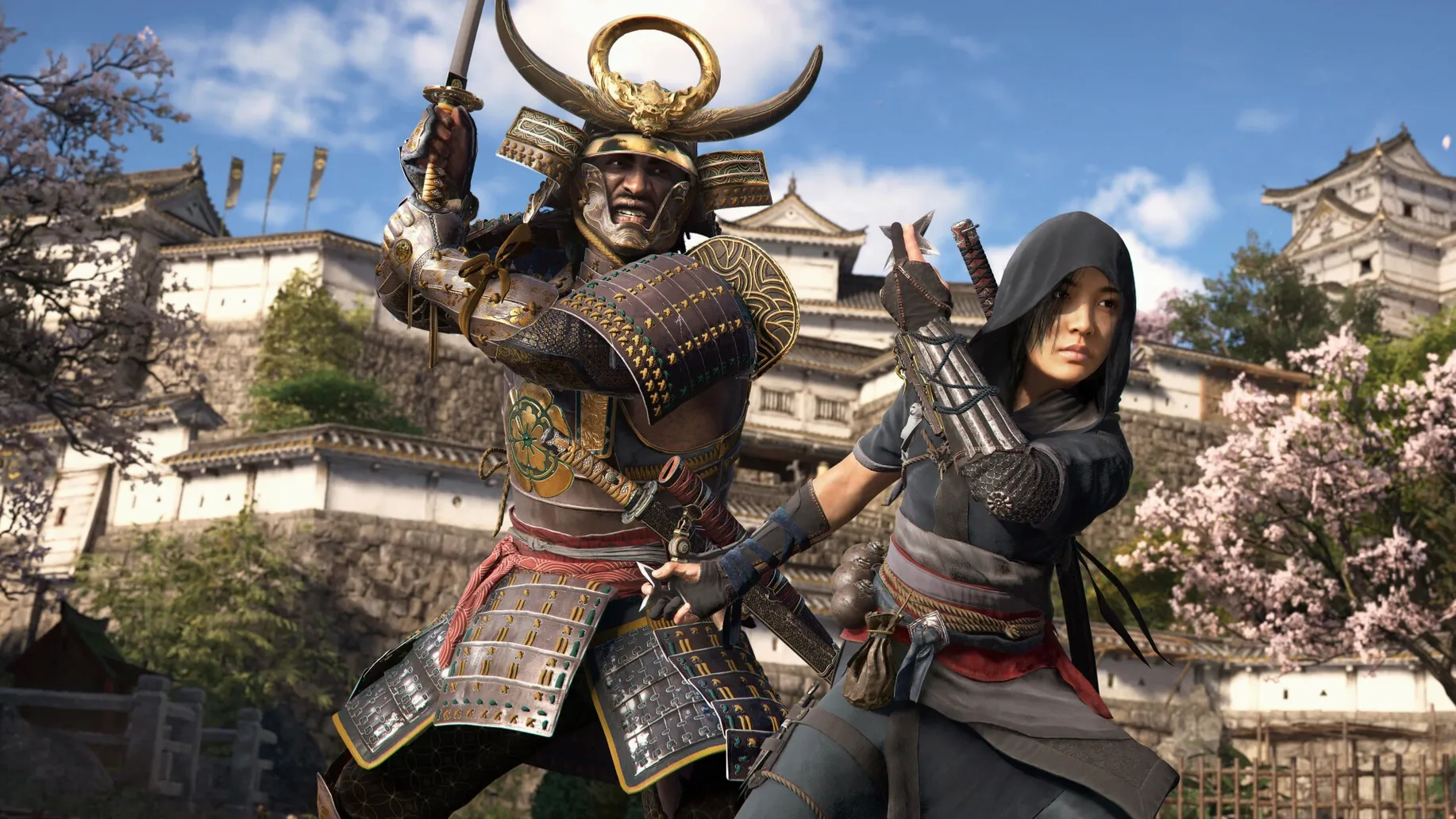
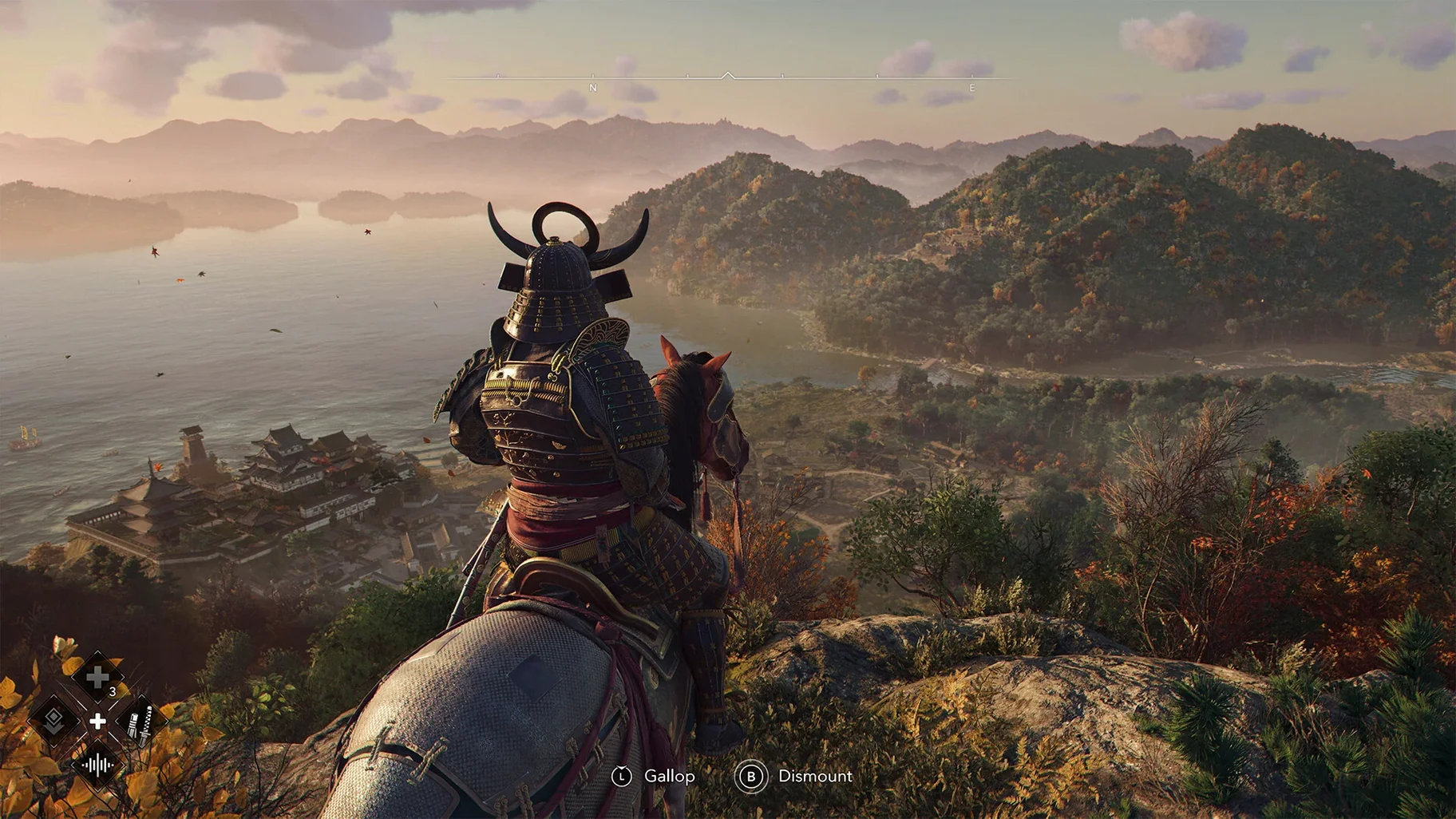
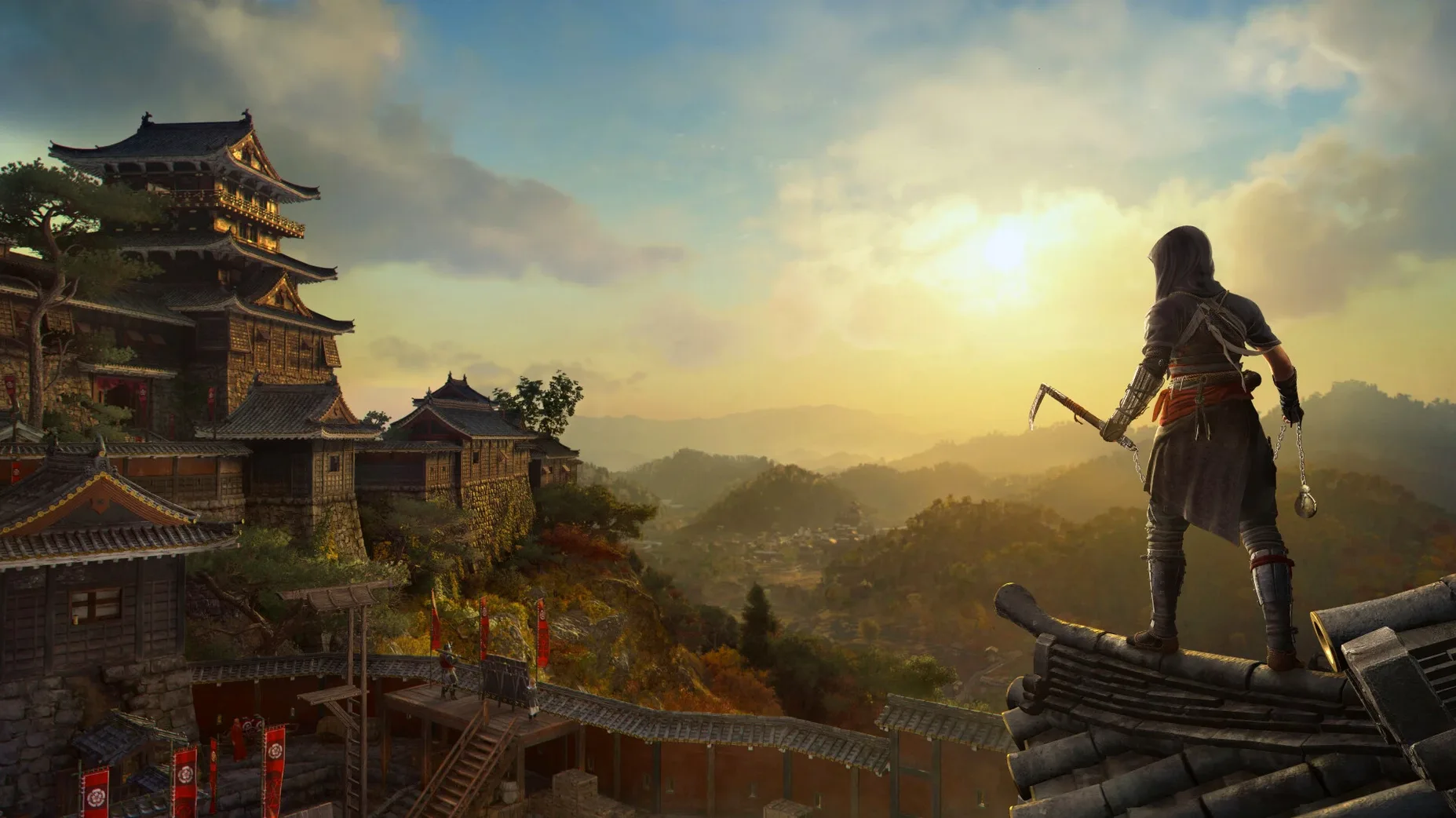
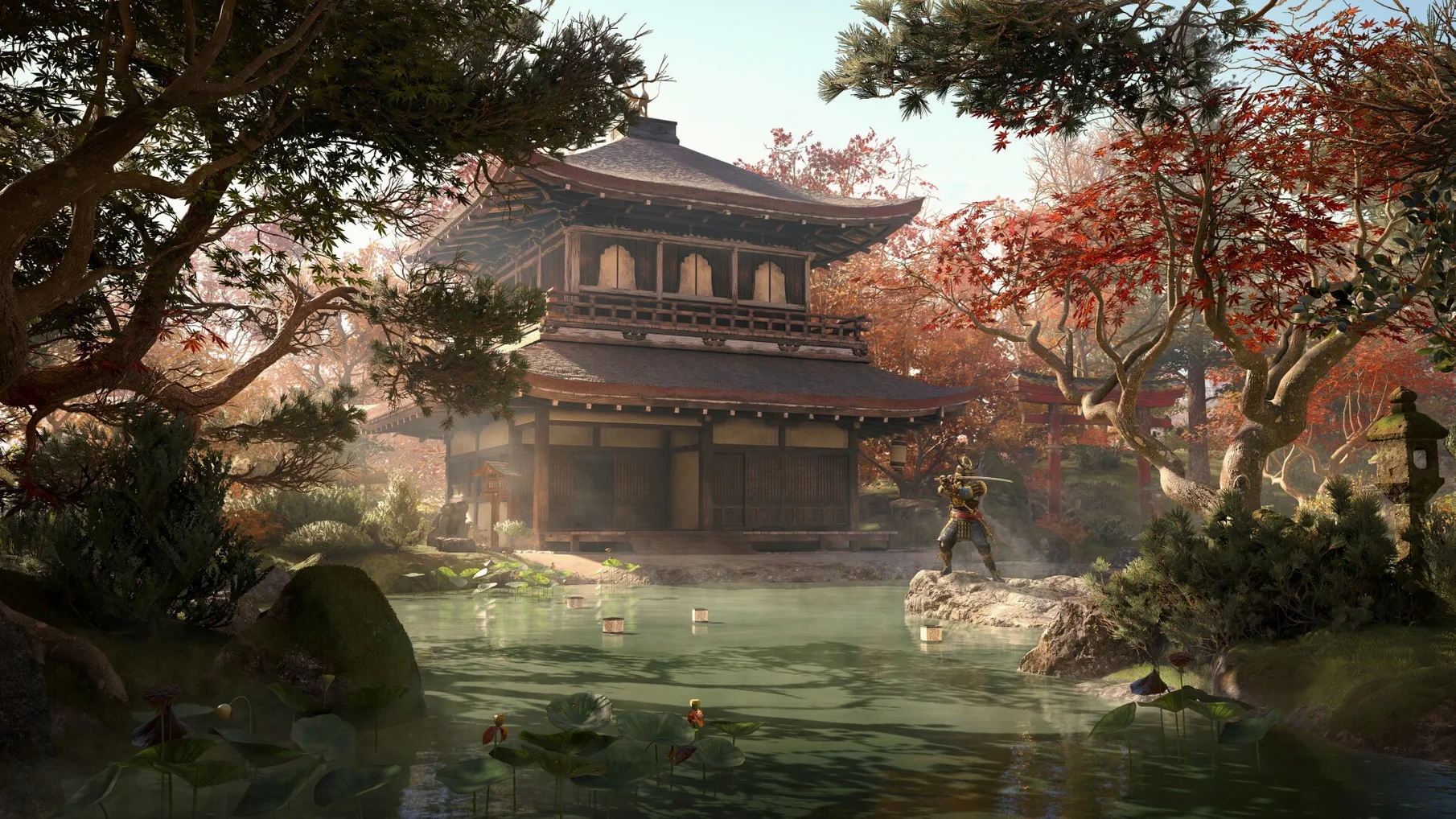
Version 1.0.35 arrived without a formal changelog, suggesting a round of stability fixes rather than feature additions. The core experience remains the twin-protagonist journey through late Sengoku-era Japan.
| Aspect | Note |
|---|---|
| Protagonists | Naoe (shinobi) and Yasuke (samurai) |
| World | Open; castle towns, ports, shrines, war-torn provinces |
| Base building | Customisable hideout; craft equipment; interact with key characters |
| Allies | Recruitable, each with a unique ability |
| Systems | Changing weather; scout network for tracking targets |
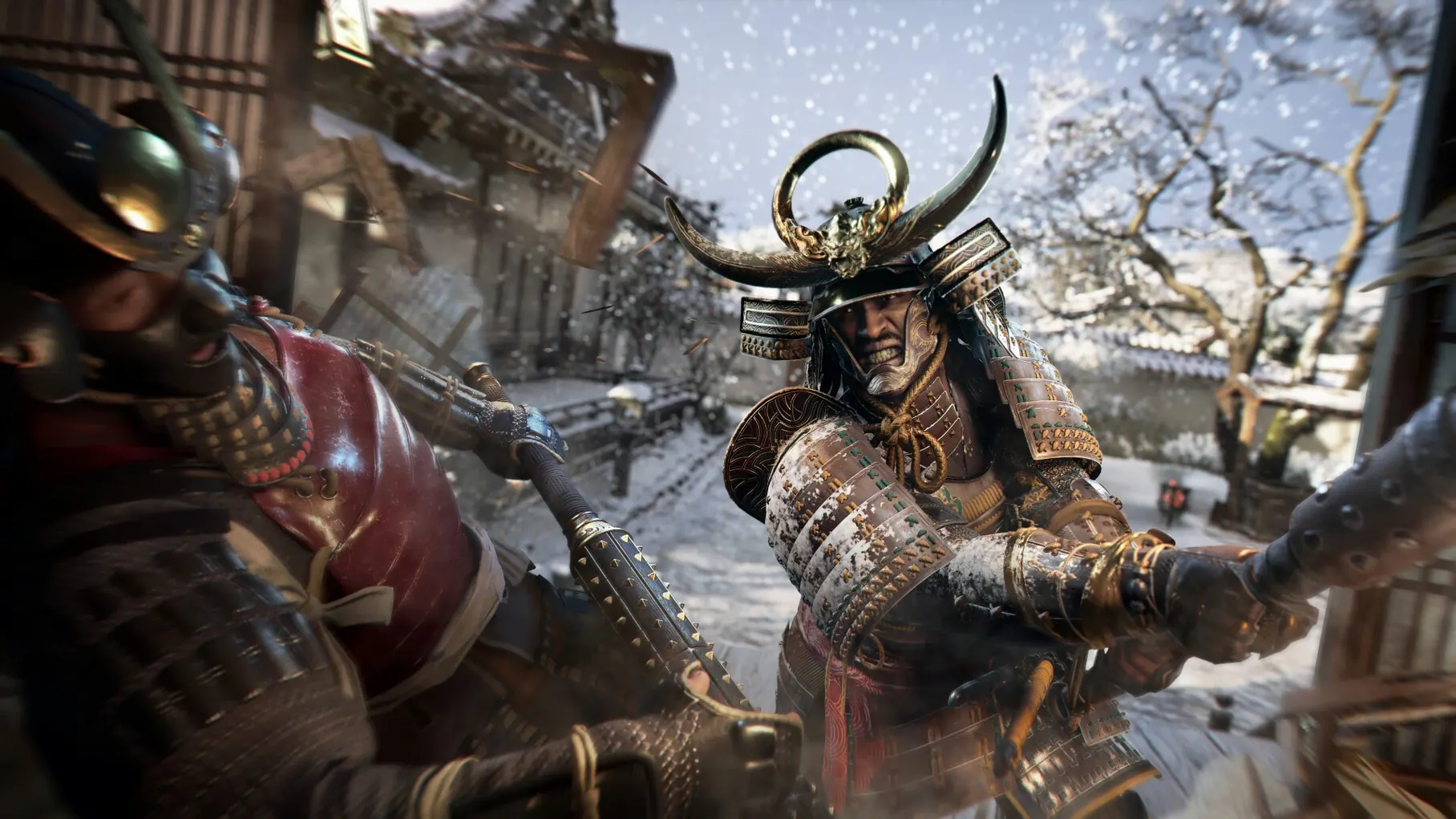
The two leads shape how you move through the world. Naoe favours stealth and vertical traversal, while Yasuke handles direct confrontation. Switching between them shifts the rhythm of play noticeably. The open world stretches across several provinces, with weather that cycles from driving rain to still, foggy mornings — a detail that alters visibility and guard patrol paths. Between missions, the hideout acts as a hub: you can craft new gear, speak with allies, and plan the next move. A network of scouts helps pinpoint objectives, though the information they gather is not always complete. The build runs natively on ARM architecture, which keeps frame pacing consistent on Apple Silicon hardware under load.
Loading into the hideout and choosing your next upgrade
A session tends to open not with action but with a decision. You load the hideout and find the character you left standing near the forge — say Naoe, with a half-upgraded tanto and a scout report that arrived while you were away. The hideout shows minor changes from the previous session: new dialogue available from an ally in the garden, a gear piece finished crafting overnight. These small nudges set the direction.
The first ten minutes usually go to administration. You check the world map, place scout markers on a province you have not swept clean, and notice a target circle tightening around a port town. If the weather is clear, you might swap to Yasuke and ride there directly. If rain is falling — and it frequently is in late autumn — Naoe makes more sense. Guards huddle under eaves, sightlines shorten, and rooftop routes stay slick but quiet.
Approaching the port, you park your character outside the restricted zone and send a scout ahead. The scout returns a partial layout: three captains, one in a courtyard, two patrolling the docks. The report misses a fourth enemy tucked inside a warehouse — a detail you learn only by climbing a pagoda and scanning with eagle vision. The next twenty minutes become a slow unravelling. With Naoe, you clear the outer guards from above, drop into tall grass, and methodically thin the patrol. The weather worsens; a thunderstorm rolls in, masking the sound of a sprint across wooden planks. One captain remains. You switch to Yasuke, kick through the gate, and finish the job in a flurry of heavy blows that the storm drowns out entirely. The session ends back at the hideout, dismantling loot and queuing a new armour piece before quitting.
How a completionist might use it
Someone aiming to clear every region fully will lean hard on the scout network and the hideout ally system. A typical approach: pick a province, place all available scouts, and wait one day-night cycle for their reports to populate the map with shrines, hidden chests, and side targets. The hideout then becomes a staging area — fast-travel back, train an ally whose ability uncovers resource caches, and craft a gear set tuned to the province's dominant enemy type. Castle towns favour stealth and shinobi tools, so Naoe's loadout gets priority. Open-field provinces with roaming patrols call for Yasuke's heavier armour and the ability to absorb hits while cutting through groups. The rhythm is methodical: scout, equip, clear, return, repeat. The changing seasons affect this loop more than a casual playthrough reveals; winter snow slows movement and muffles sound, which makes certain assassination windows narrower, while spring rain creates mud that alters horse speed on main roads. A completionist learns to read the season before setting out.
720p at 30 fps on an M1 with the low preset
Does the Mac version run well on an M1 machine? It runs, but within clear limits. The minimum specification targets 720p at 30 frames per second on the low graphics preset, and an M1 with 16 GB of RAM sits right on that line. Expect playable performance with reduced draw distance and simpler shadows, especially during weather transitions. The frame pacing stays consistent thanks to native ARM code, but this is not the version that shows off the Metal 3 ray-tracing features — those require M3 or later hardware.
How much storage does it actually need after installation? The listed requirement is 130 GB of available space. The installed footprint lands close to that figure, and the initial installation process needs headroom for temporary files. A 256 GB Mac will feel tight once the game is in place; an external SSD for the library makes practical sense if other large applications share the internal drive.
Can I play without a Ubisoft account? No. The launcher requires a registered Ubisoft account before the game will start, even for a single-player session. There is no offline workaround baked into the current build.
Is the voice acting locked to one language per region? Voice and interface language settings are separate. You can run Japanese voices with English menus, or French voices with German subtitles. The full voice list covers English, German, Spanish, Italian, Portuguese, French, and Japanese, while interface text supports a wider set including Russian, Arabic, Korean, and both Chinese scripts.
Unlock both protagonists to open the full map
- Let the shader compilation finish. After first launch, the game builds a shader cache. Stuttering during the opening hour usually means this process is still running in the background. Give it time before judging performance.
- Unlock both protagonists early. The story gates the second character for a while, but pushing through the main missions until both are available opens up the full toolset. The hideout customisation and ally recruitment systems also expand once both leads are active.
- Place scouts before logging off. Scout reports refresh on a timer tied to day-night cycles. Sending them out at the end of a session means you return to populated intel the next time you load in.
- Do not dismantle everything. Some low-rarity gear pieces carry engravings that transfer to better equipment later. Stash items with unique stat modifiers in the hideout chest until the crafting system makes sense.
- Watch the season indicator. Certain side activities — particularly those involving water crossings or cliff paths — become noticeably harder in winter. If a task feels unreasonably difficult, check the season and consider waiting for a change.