 Aspecten

 Download (17 GB)
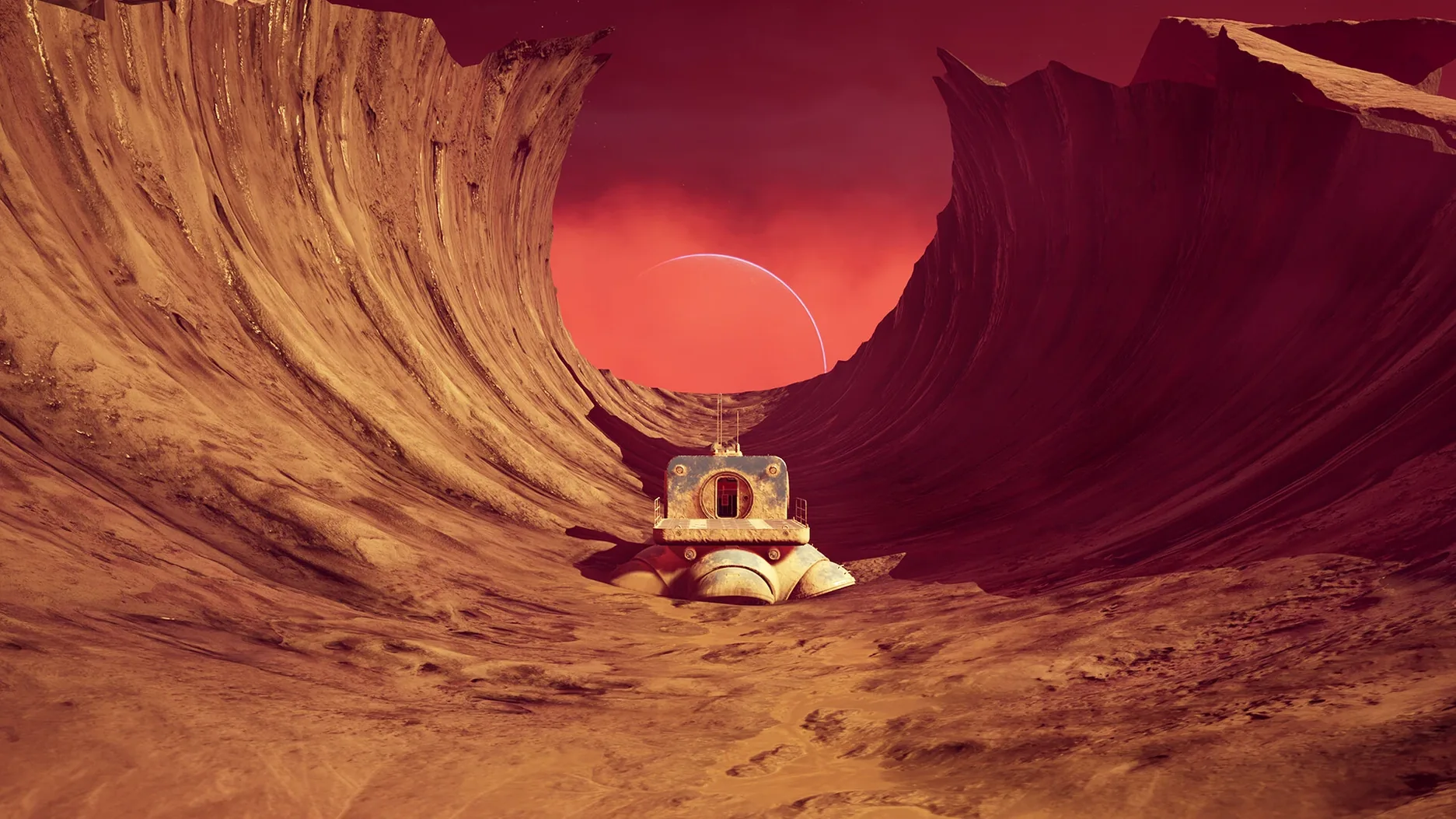
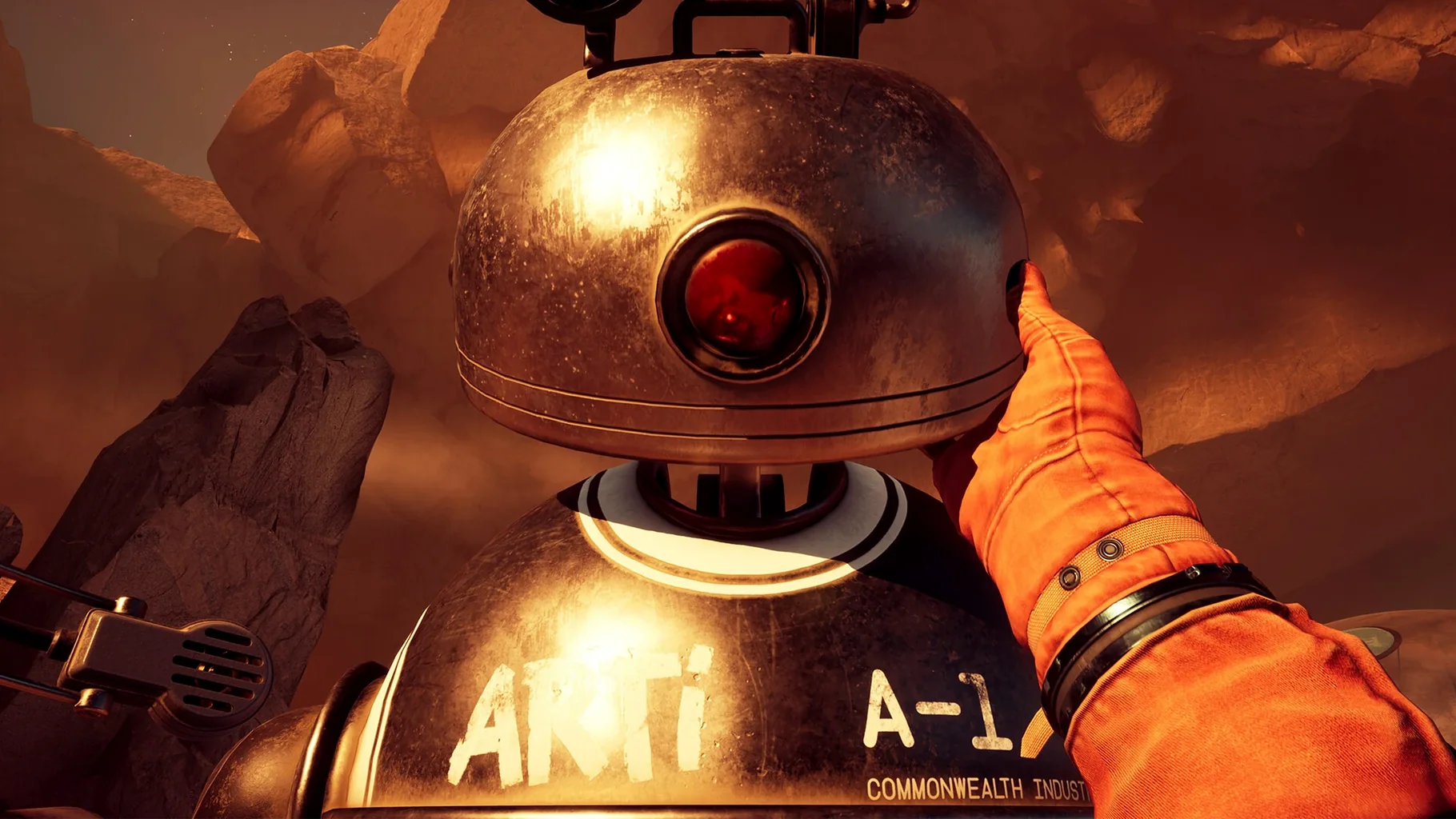
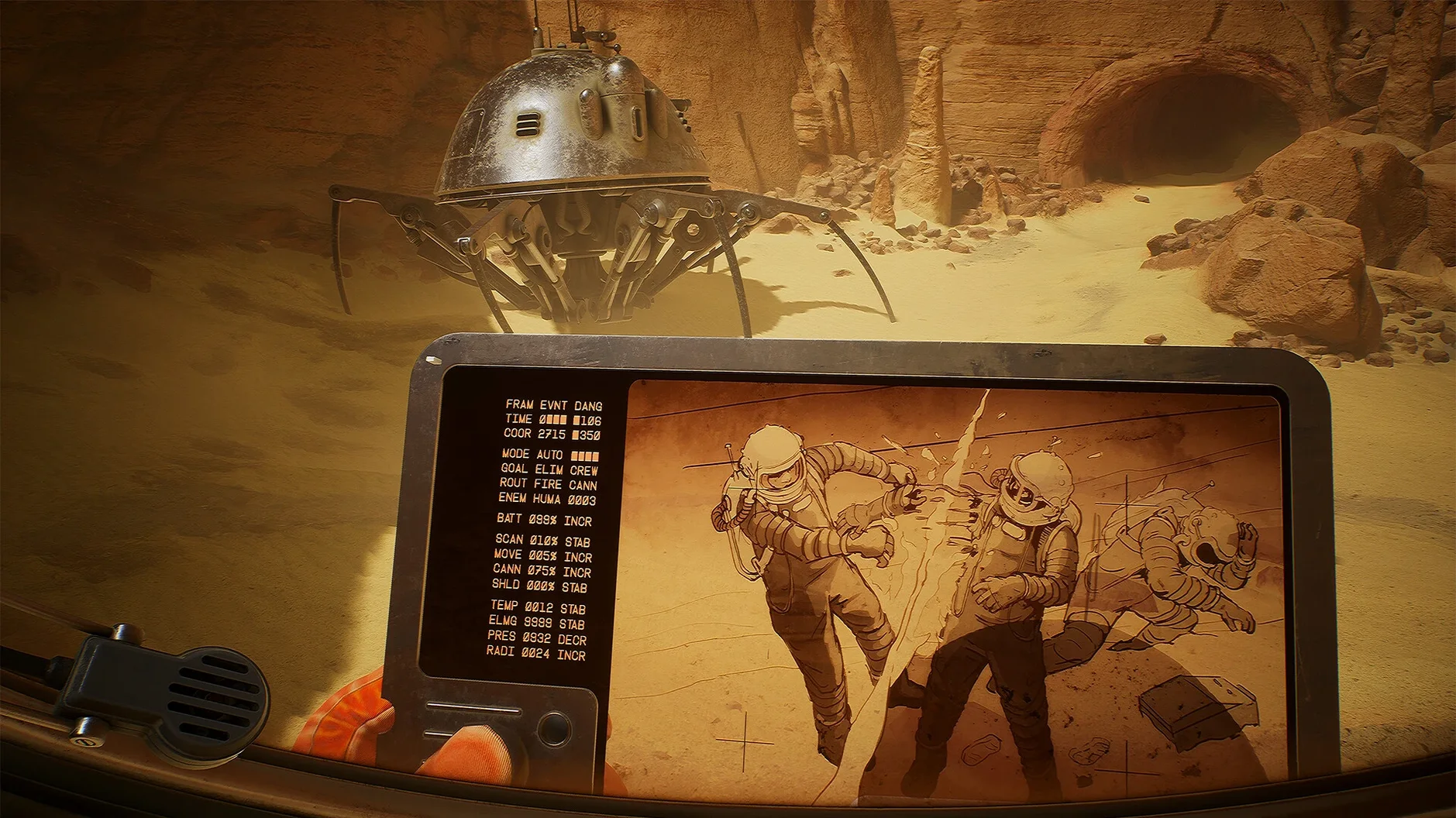
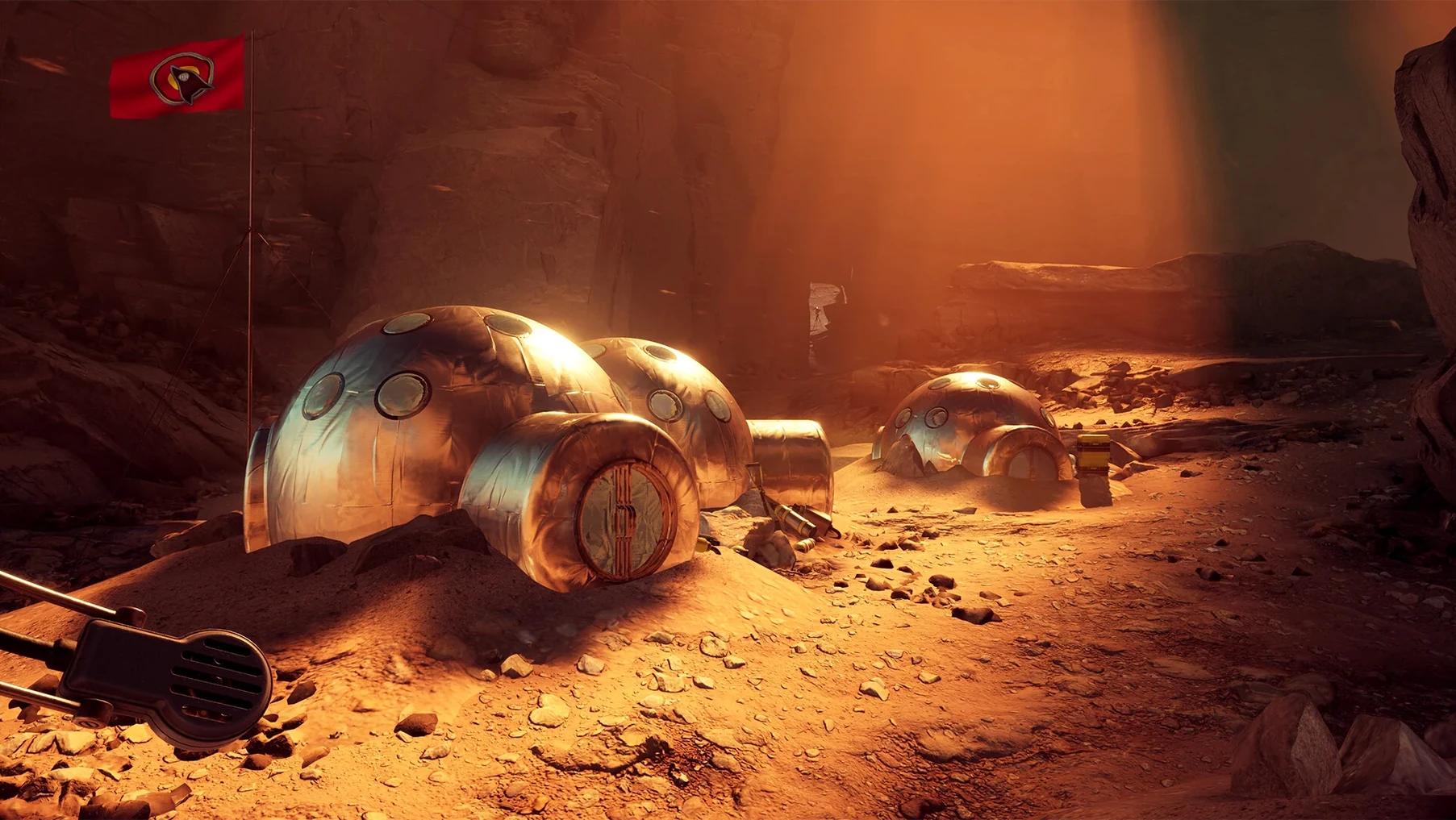
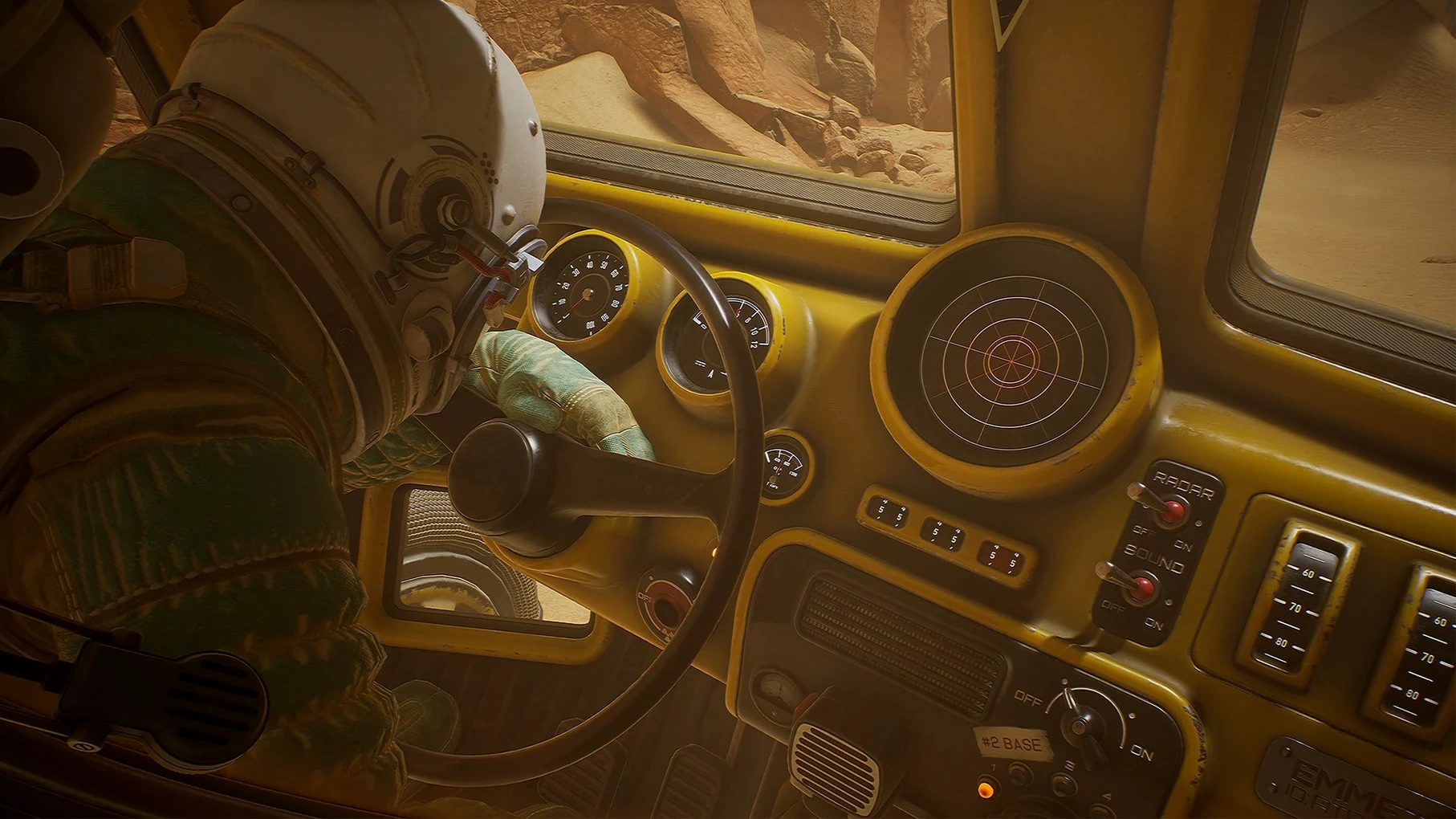
For the player who reads the mission logs, stops to look at the sky, and wonders what a piece of abandoned equipment says about the people who left it behind.
Pacing — slow and deliberate. You walk, drive a rover, and examine objects. There is no combat, no inventory management, and no skill trees. The interaction is about observation and decision-making.
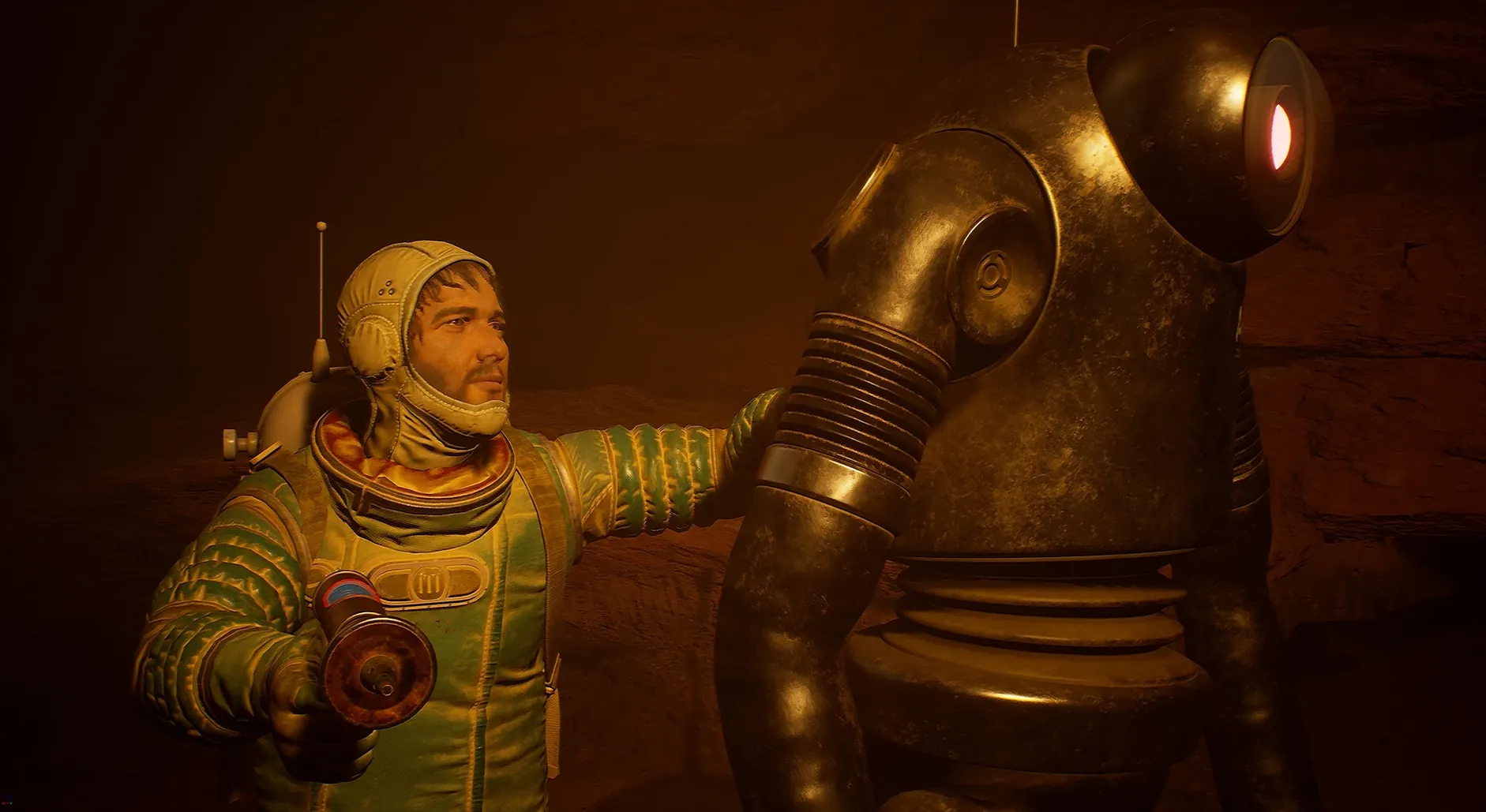
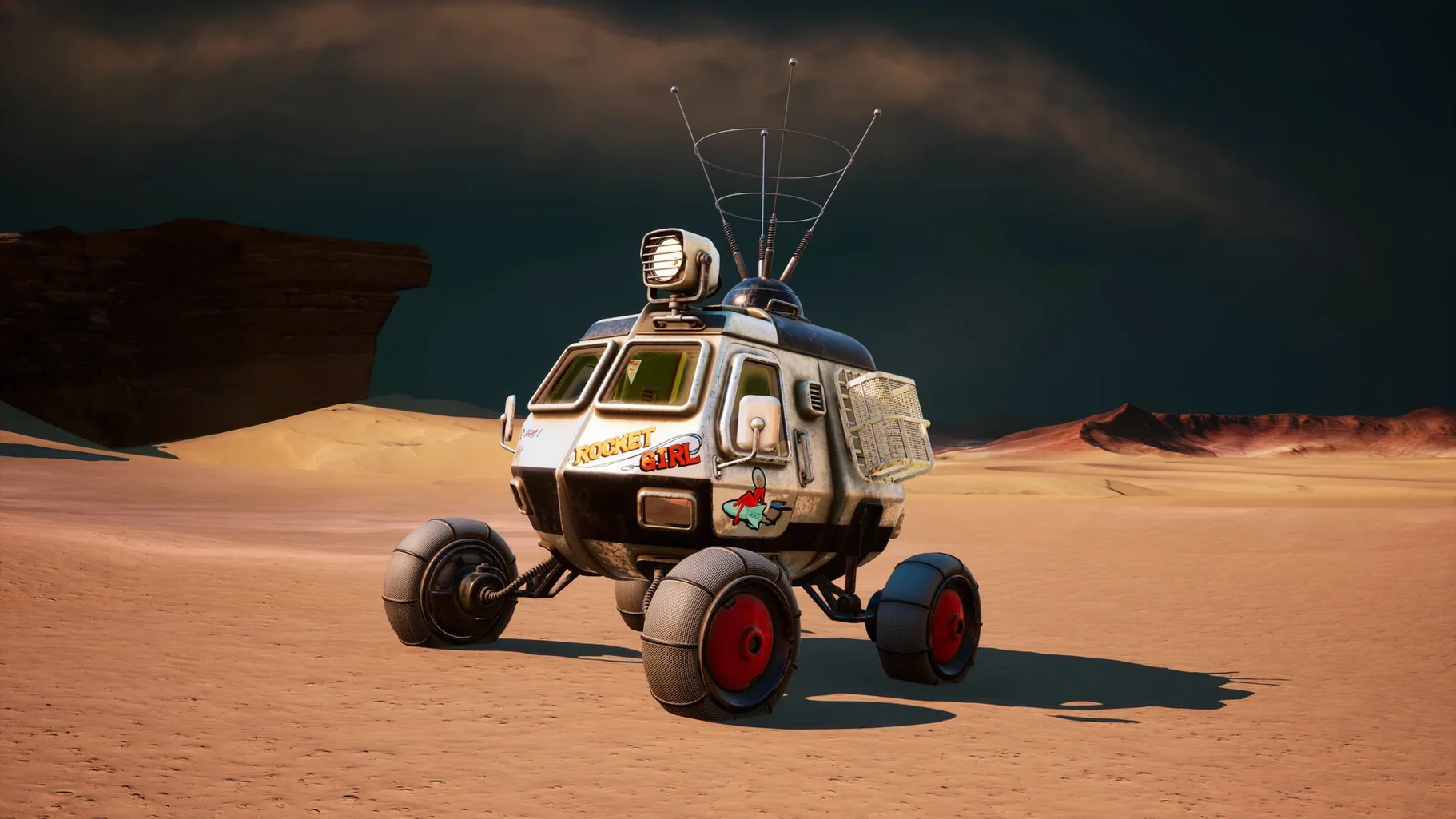
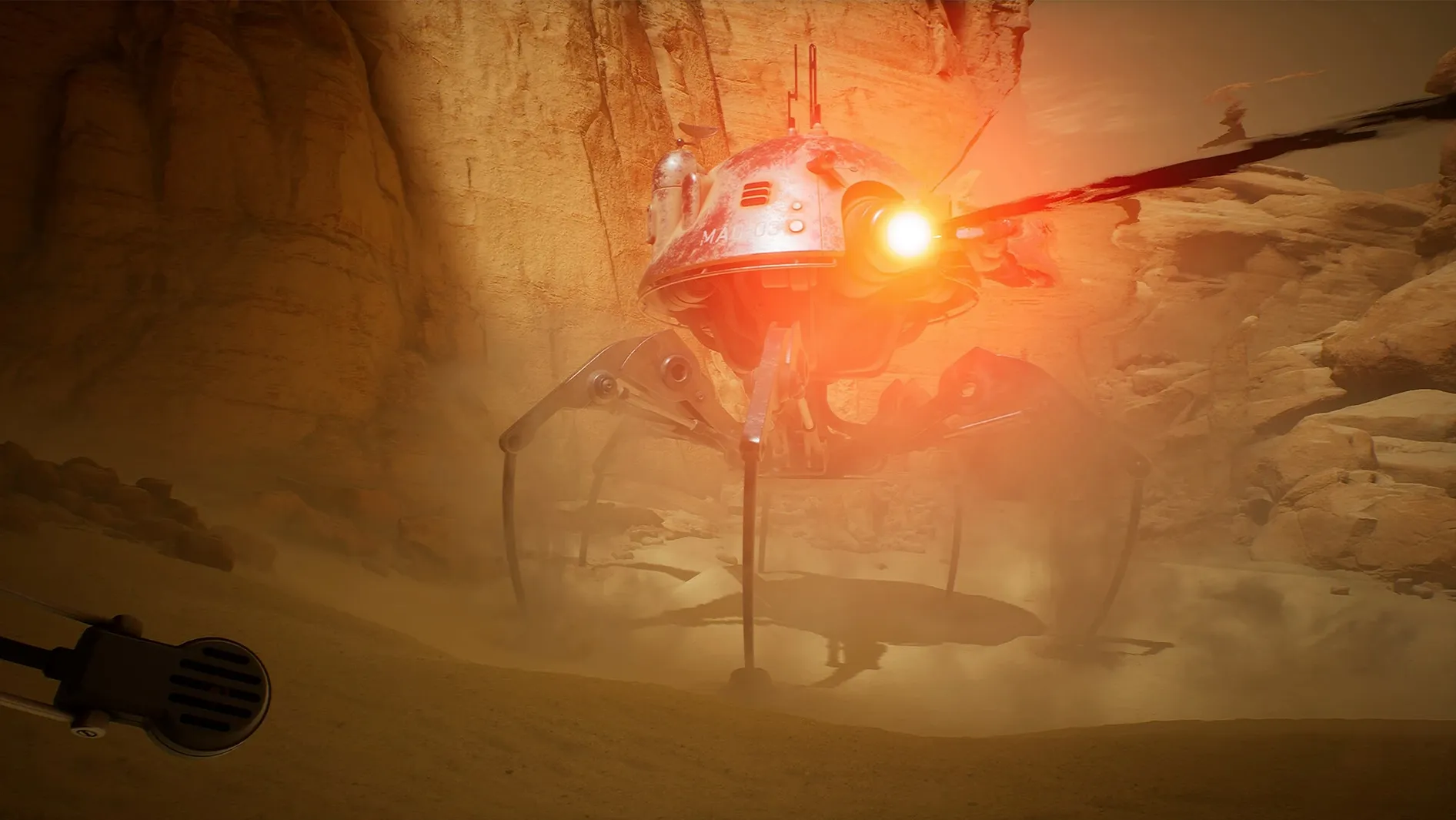
Setting — a retro-futuristic vision of space travel. The atompunk aesthetic means chunky analogue devices: a physical rangefinder, a handheld motion sensor, knobs and dials. Regis III feels both alien and grounded in 1960s scientific optimism.
Story — you control Yasna, an astrobiologist searching for a missing crew. Conversations branch and small choices accumulate, leading to one of 11 possible endings. The writing treats the planet’s biology and the crew’s ideology with equal seriousness.
Limits — anyone craving agency over movement or problem-solving will feel constrained. The rover follows a fixed path. Dialogue unfolds at its own pace. This is a game you receive, not one you conquer.
A search-and-document workflow
Picture the third hour on Regis III. Yasna has just lost contact with the landing zone and the map shows two unexplored waypoints to the north. The task is straightforward: locate the missing astrobiologist’s last known position and retrieve any field notes left behind.
Start by opening the map in the rover. Plot a route that passes the radio tower — it gives you a high vantage point for the rangefinder. Drive there first. The rover hums along its fixed track while you scan the horizon through the window; the dust clearing to reveal metallic glints in the distance is your cue to stop and disembark.
On foot, switch to the rangefinder. Pan slowly left to right across the valley. The device clicks when it locks onto a man-made object. Mark the bearing, then walk. The motion sensor becomes useful here — it picks up a faint signal near a rock formation the rangefinder missed. It is not a person. It is a data log, half-buried. Crouch, examine the casing, and a dialogue choice triggers: do you play the recording immediately or wait until you are back inside the rover? That single choice nudges the story state, quietly, and the game does not announce it.
Push further north. The sun drops. The sensor pings again, this time erratic. You triangulate with the rangefinder and find a collapsed antenna mast. The missing crew member’s notebook lies underneath. Open it. Three pages of handwritten observations about local micro-organisms, each page offering a different hypothesis. You must pick which one to relay over the radio. That decision shapes how the rest of the crew interprets the planet’s biology, and it feeds directly into one of the eleven ending branches.
The whole loop — drive, scan on foot, read, decide — takes about forty minutes. There are no fail states. The tension comes from knowing that every reading you take and every report you file closes some narrative doors and opens others.
Firewatch’s walkie-talkie becomes a sci-fi scanner
Firewatch shares the first-person, walk-and-talk structure and the sense of isolation in a beautifully rendered landscape. But Firewatch is a relationship drama set in a Wyoming forest; its tools are a map, a compass, and a walkie-talkie. The Invincible replaces emotional intimacy with scientific detachment. Where Firewatch asks you to manage a friendship, The Invincible asks you to manage evidence. Both are linear, but Firewatch keeps the player on a tighter story leash — there is one ending, shaped by dialogue tone rather than branching ideology.
Deliver Us The Moon (and its sequel) also places an astronaut on a desolate surface with a puzzle-light, narrative-heavy structure. The key difference is the role of technology. Deliver Us The Moon gives you a futuristic robot companion and zero-gravity traversal. The Invincible goes the opposite direction: analogue, chunky, deliberately cumbersome tools that make you feel like a field researcher in the 1960s, not a pilot. Both games are solitary, but the atompunk approach makes The Invincible feel more fragile — your equipment can feel inadequate, and that is the point.
SOMA is a closer philosophical cousin. Both games come from hard science-fiction traditions that treat consciousness, biology and technology as intellectual problems. Both let you examine objects slowly. SOMA, however, mixes its ideas with hide-and-seek horror and body-swapping puzzles. The Invincible stays purely in conversational and observational mode — there is no monster chasing you. A player who found SOMA’s stealth sections stressful will likely prefer the uninterrupted contemplation on Regis III.
Readers of Lem will recognise the sceptical, methodical tone
Readers of Stanisław Lem are the first and most obvious audience. The game captures the novelist’s voice: sceptical, methodical, curious about the limits of human understanding. Someone who has read Solaris or His Master’s Voice will recognise the tone immediately.
Players who enjoy walking simulators but want more intellectual weight than the genre usually provides will find the invincible for mac free download a welcome change. There is no crafting, no combat, no inventory — but there is a dense system of ideas and choices that rewards attention to text and environment. It suits an evening when you would rather read a novella than manage a skill bar.
Mac users with Apple Silicon machines who feel underserved by narrative-heavy, non-combat games also benefit. The Wineskin build runs on ARM architecture without emulation overhead, so it makes good use of the hardware for a game that relies on atmosphere, lighting and draw distance to sell its world.
It is not a match for players who want systemic simulation, replayable mechanics, or moment-to-moment challenge. But for the astrobiologist at heart — the one who would genuinely stop to photograph a rock formation and wonder about its history — it lands with unusual precision.