Aspecten
 Download (88 MB)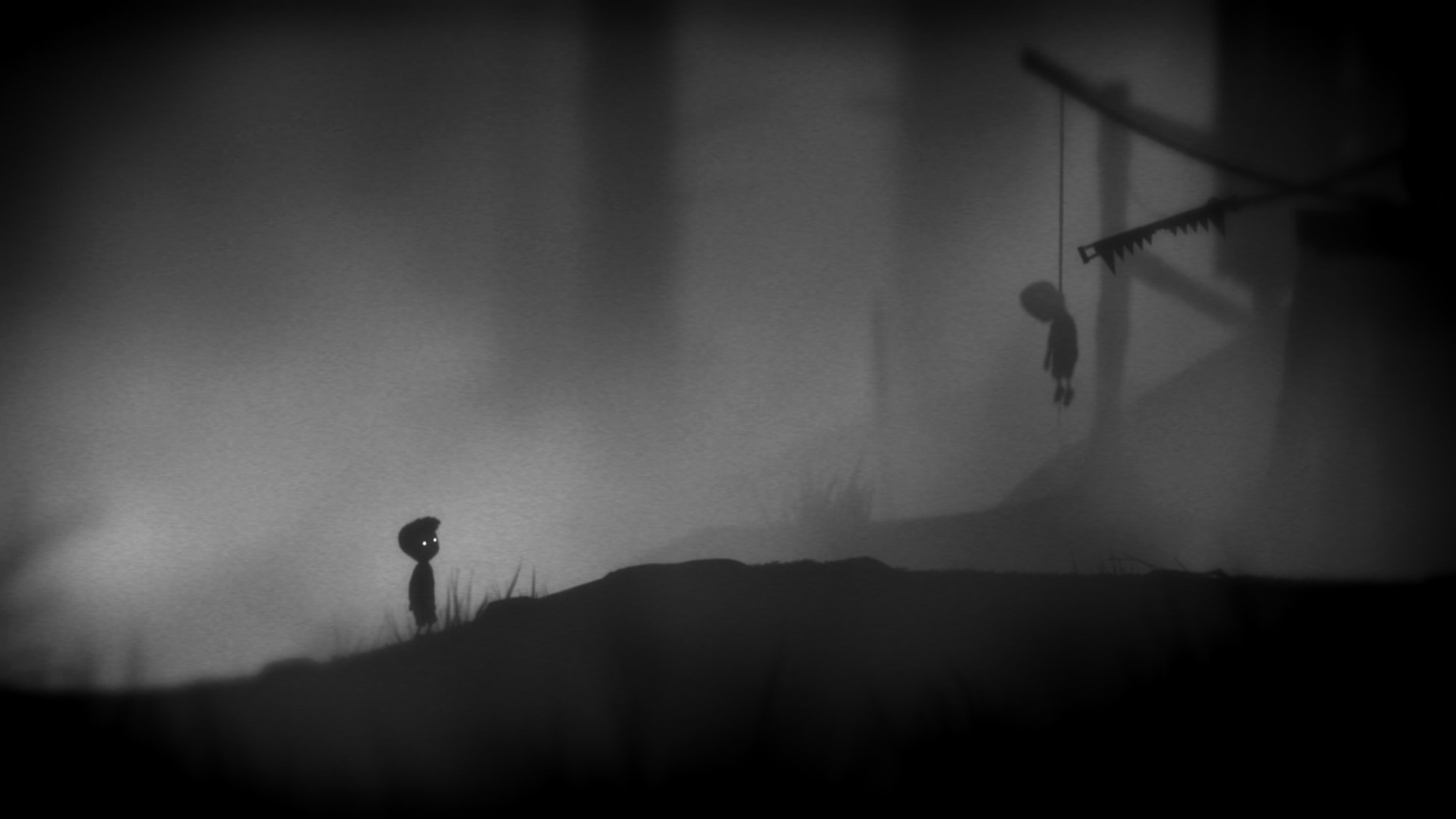
LIMBO runs on any Mac with macOS 10.13 or later, on both Intel and Apple Silicon machines. Definition lines follow.
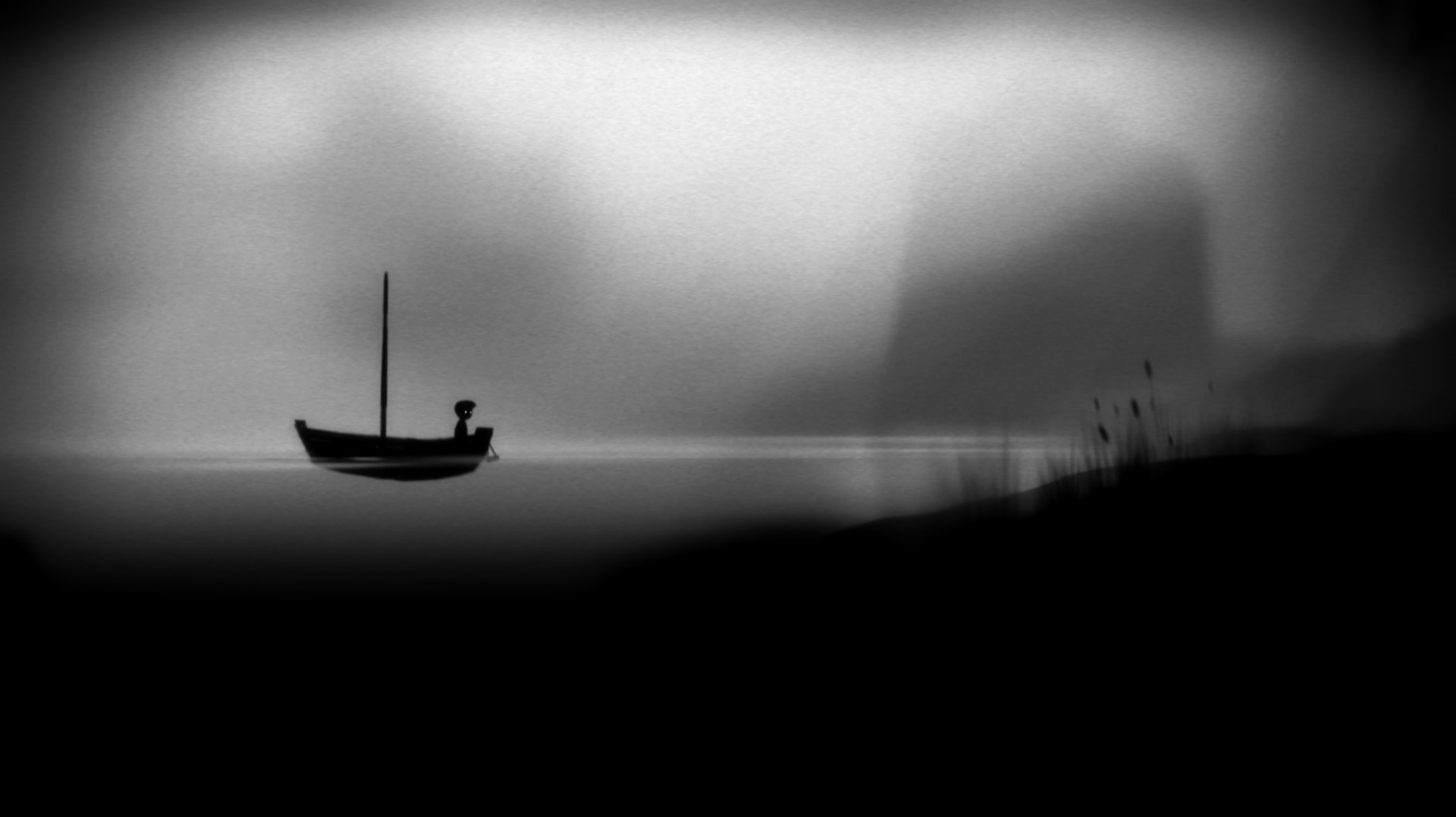
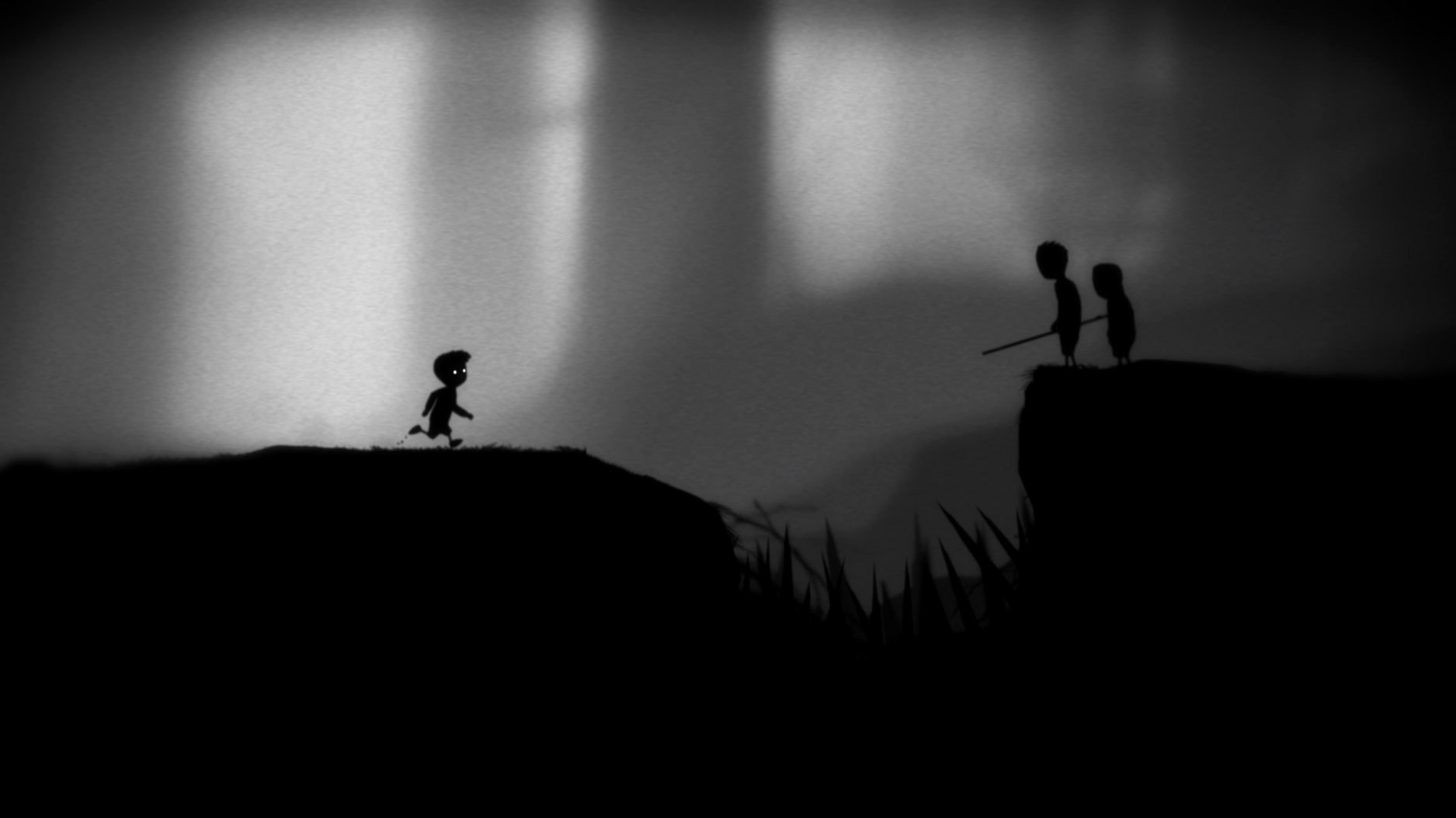
Premise — A boy enters a shadowed, two-dimensional world to find his missing sister. Dark creatures, mysterious people and fatal traps stand in the way.
Controls — Keyboard input handles movement, jumping and grabbing. The actions feel direct and weighty, with a slight momentum that suits the physical puzzles.
Performance — The monochrome visuals and restrained effects keep the frame rate steady on integrated and dedicated graphics alike. Version 1.3.3 brings minor bug fixes that tidy the experience further.
No menu, no instructions — just blinking awake in a dark forest
You launch the game and the screen goes dark. A title fades in, then a pair of eyes blink open. The boy lies in a forest, barely visible against the silhouettes of trees. No menu, no instructions — just the left arrow key to stand up.
The first ten seconds teach you everything. You walk right. A branch cracks underfoot. You reach a ledge, press up, and the boy’s hands lift to grab it. The motion has weight; you feel the small body hauling itself up. A few steps later you miss a jump and fall onto a spike trap. The death is immediate and silent. The screen resets and you are back at the ledge, a little more careful now.
Each session follows this rhythm: walk, observe, try something, die, try again a little differently. The game never tells you what killed you — bear traps, leeches, hostile children, a giant spider — you learn by failing. Sound is sparse. Footsteps. Rain. The whirr of machinery later on. Between deaths the boy’s breathing is the only constant.
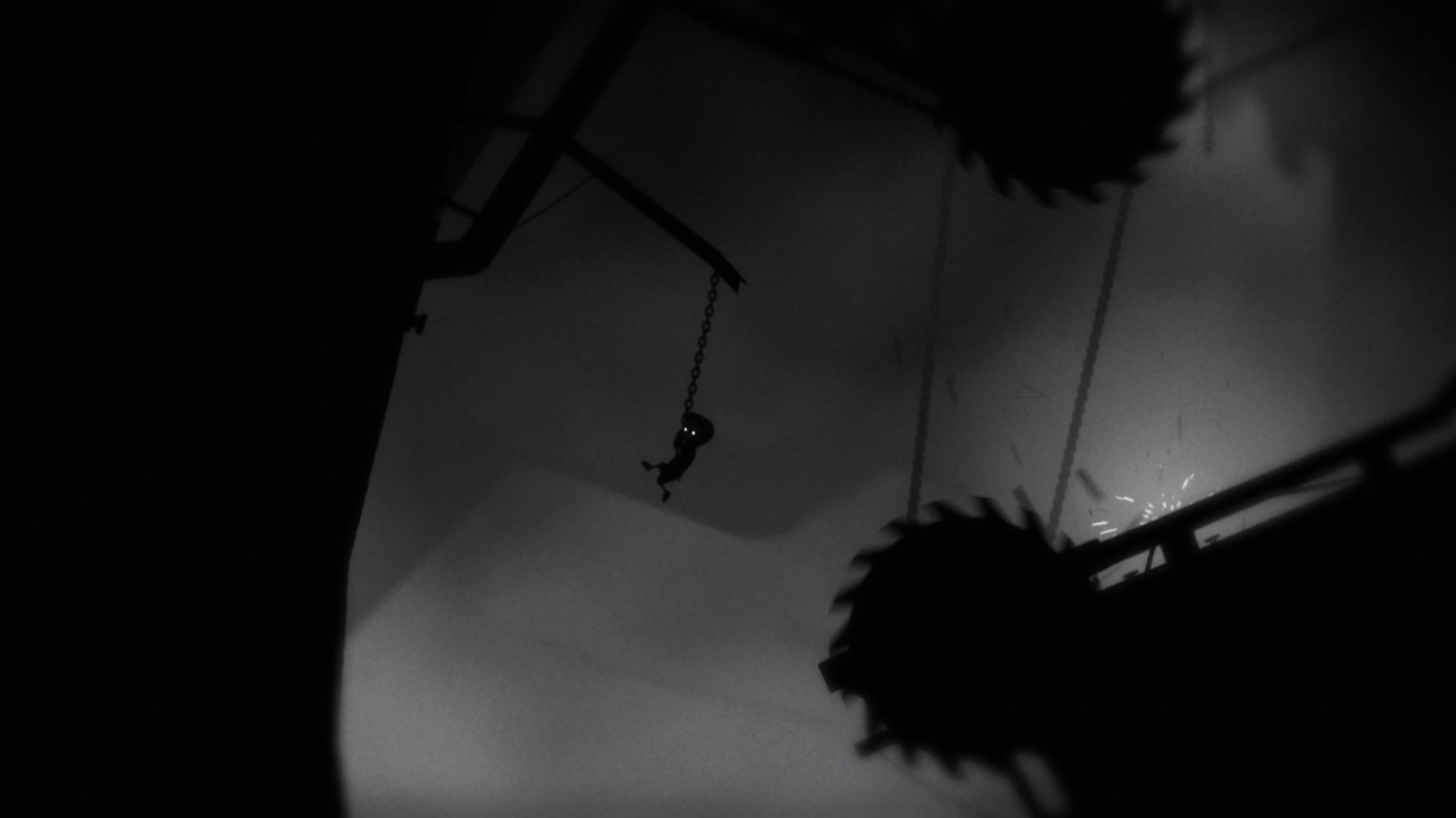
By the time you reach the industrial half of the game, gravity shifts and electromagnets enter the puzzles. A session that starts with forest silence can end with a factory hum and a puzzle about timing a swing across a pool of broken glass. You might stop after solving one hard room, or you might press on because the very next screen looks different and you want to understand it.
Three to four hours, longer if you hunt the hidden eggs
How long is it? A first playthrough takes most people between three and four hours. That can stretch to five or six if you hunt for the hidden achievement eggs scattered in dark corners. There is no filler — every screen introduces a new idea or a twist on an old one.
Is it a horror game? Not in the sense of jump scares or gore, but the atmosphere is oppressive. The monochrome palette and the silence do more work than any monster. A few sequences — the spider, the drowning children — can be genuinely unsettling. The fear is more about loneliness and vulnerability than about being chased.
Does it run offline? Yes. Once installed, no internet connection is needed. The game stores progress locally and resumes from the last checkpoint.
Can a younger player handle it? The puzzles demand patience and abstract thinking. The tone is serious and the deaths are frequent and sometimes graphic (dismemberment by saw blades, for example). The rating suggests older players for a reason, though the content is never gratuitous.
Tap Ctrl to crouch and crawl — the game never explains this
Several details stay out of the way on purpose but reward attention.
- Tapping Ctrl makes the boy crouch. Holding it while moving lets him crawl into low passages and hide from certain threats. The game never explains this; you learn it by dying to something low and realising crouch might help.
- The grab mechanic works on ledges, ropes and moving objects. If a jump looks just out of reach, try holding the grab key mid-air. The boy’s hands will snag the edge and pull him up if you timed it right. This becomes essential in the factory sections where timing switches and moving platforms overlap.
- In water, you sink by default. Tapping jump pushes the boy upward, but the movement is sluggish. A quick double-tap gives a stronger boost, which helps under low ceilings and with the leeches. Many players miss the double-tap and assume a swim section is impassable.
- The game auto-saves at checkpoints without any indicator. If you quit mid-puzzle, you resume at the last safe ground you touched. There is no manual save, so do not quit while hanging from a ledge — you will reappear a screen or two earlier.
- Hidden achievement eggs often sit in places that break the usual flow: behind a falling log you would normally run from, or at the top of a climb that seems decorative. The game rewards going back or lingering in a cleared screen.
Workflow: solving a factory magnet puzzle
The factory section introduces electromagnets that reverse gravity with a flickering red light. One early room combines a magnet, a crate and a moving platform. Here is how it plays through.
You enter and see the magnet on the ceiling, currently off. A crate sits on the floor. A platform slides back and forth above a gap. To the right, a high ledge holds the exit.
Step 1: Push the crate until it sits directly under the magnet. Stand beside it and watch the platform timing — it takes about three seconds to cross the gap.
Step 2: Jump onto the crate. The magnet activates as you pass the mid-point of the platform’s travel. The crate and the boy lift upward, pulled by the ceiling field.
Step 3: While suspended, walk off the crate — you are upside down, so left and right are reversed. Land on the moving platform as it passes underneath. The timing window is about one second.
Step 4: Ride the platform across the gap. Jump to the exit ledge just before the platform reaches the end of its rail. A late jump clips the boy against the ceiling; an early one misses the ledge entirely.
That sequence took four attempts. The first death came from pushing the crate too far. The second came from mistiming the platform jump. The third came from jumping off the crate too late and drifting into a wall of sparks. Each failure narrowed the margin. By the fourth run the movements felt rehearsed — deliberate, quiet, with just enough urgency to keep the pulse up.