Aspecten
 Download (3.8 GB)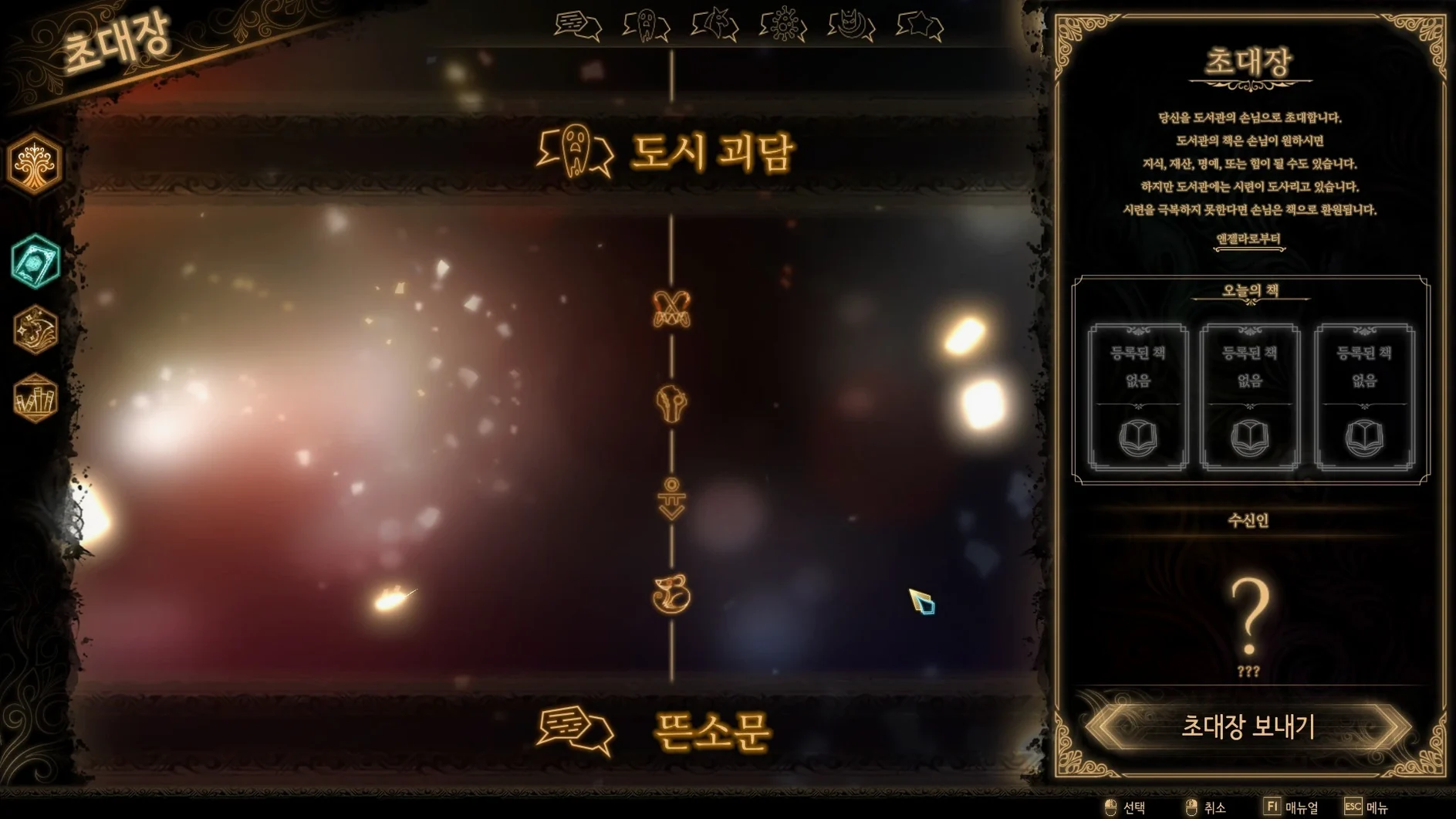
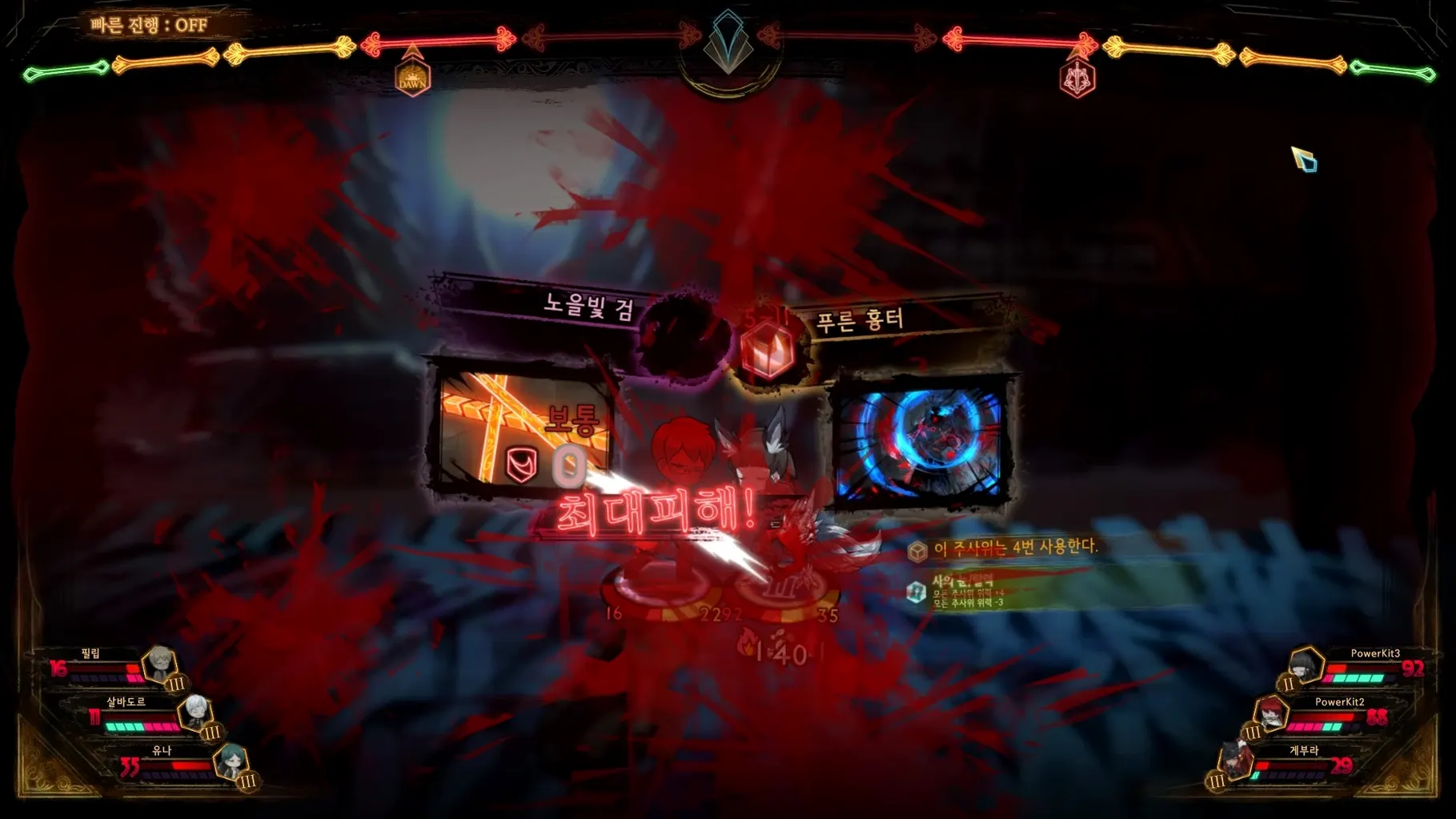
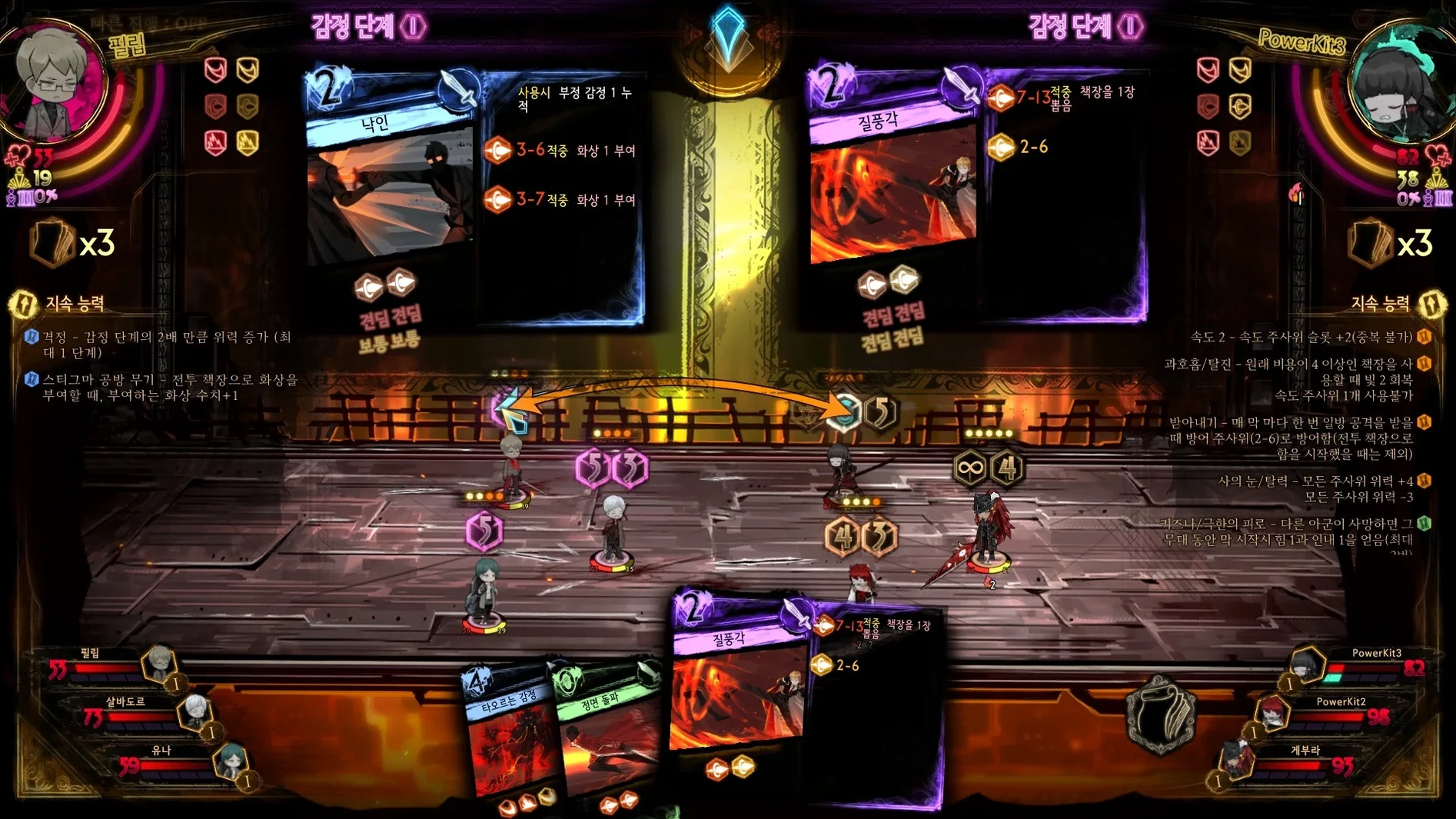
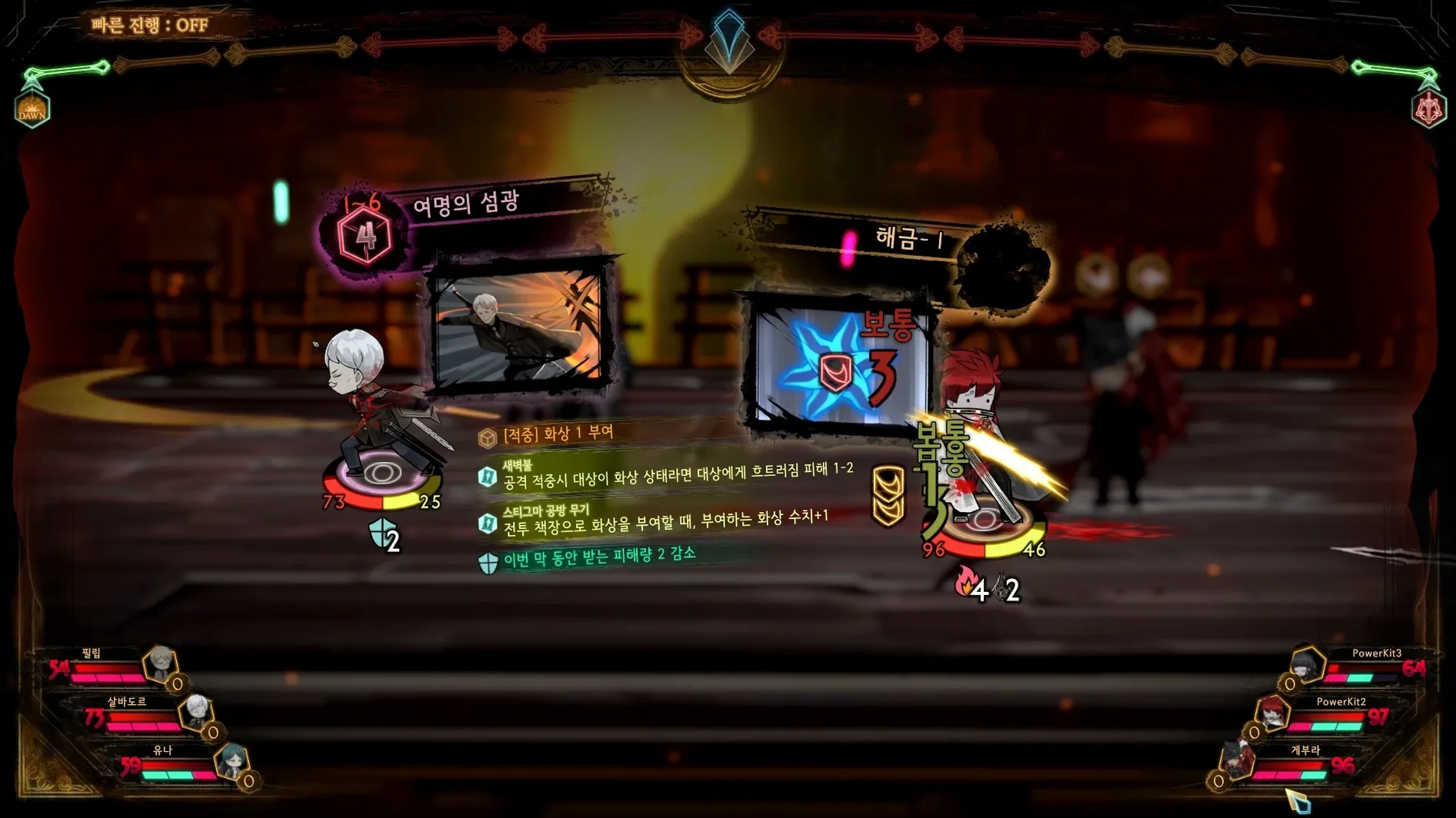
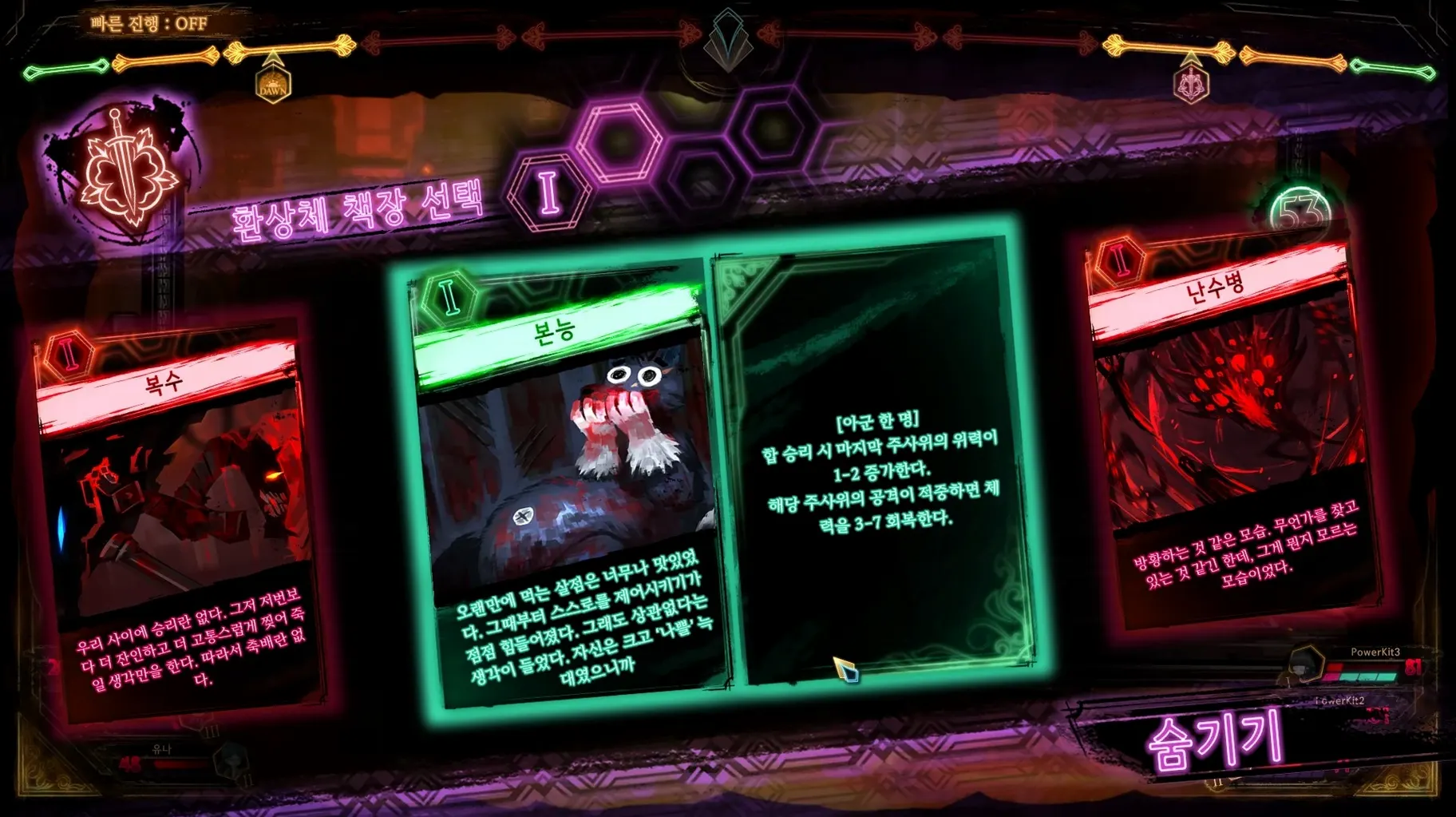
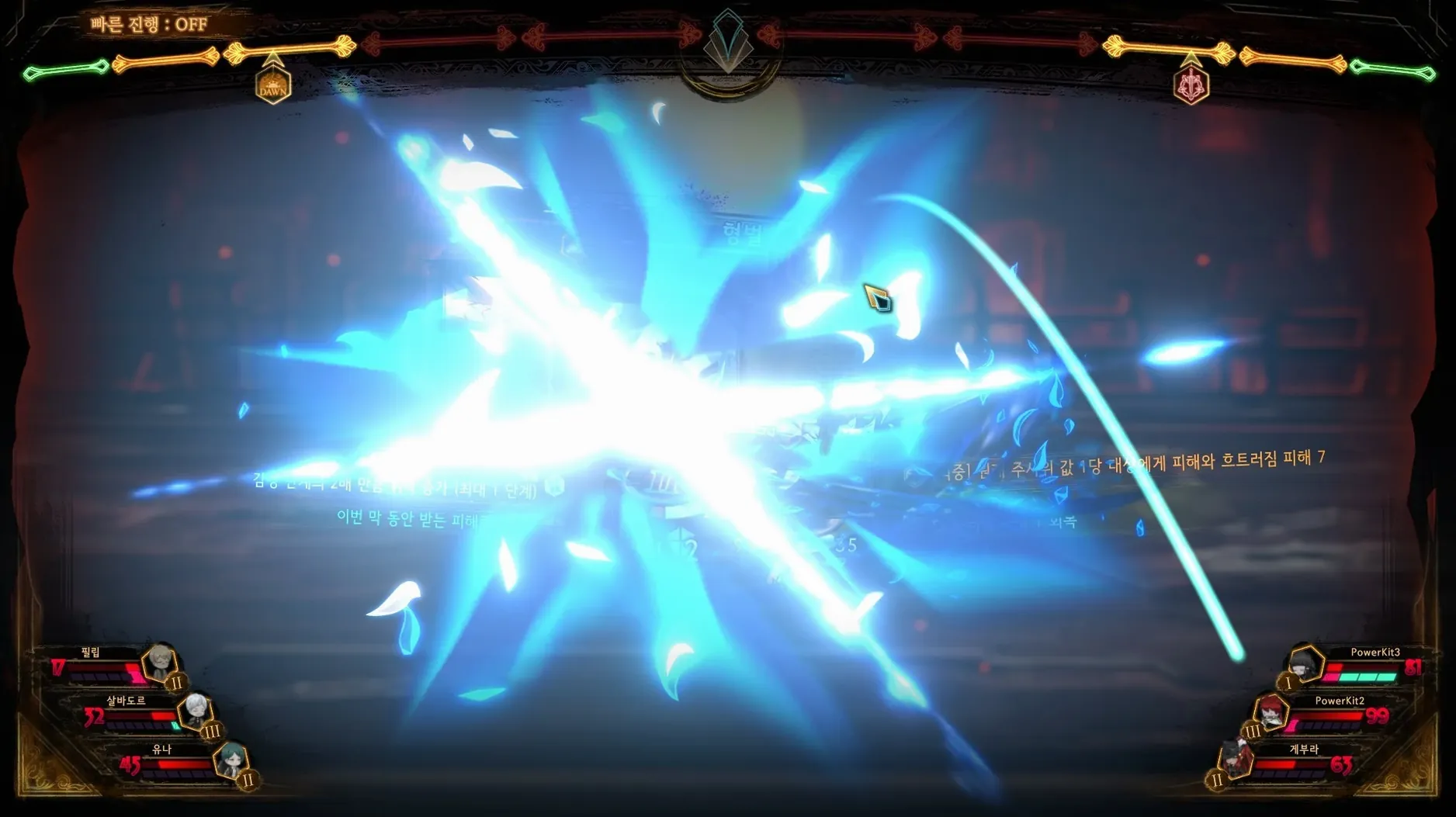
Over 100 hours of narrative and deck-building sit inside this single-player card strategy game, provided you settle into its pace. Library Of Ruina is a direct sequel to Lobotomy Corporation, though it stands as a distinct, self-contained experience. You act as the owner of the Library, inviting guests to staged battles that resolve through cards and dice.
| Detail | Note |
|---|---|
| Genre | Turn-based card strategy with roguelike and visual novel elements |
| Release | 2021-08-11 |
| Languages | English, Russian, Simplified Chinese, Korean, Japanese |
| Soundtrack | Mili and Studio EIM |
This is not a game that hands out early wins. The battle system layers card drafting, dice rolls and emotional-state modifiers onto a theatrical framing: librarians and guests clash as if following a script, and losing a single encounter often means rethinking your entire deck construction. That loop appeals to a particular player — someone who treats failure as a data point and enjoys pulling apart a system to see how its parts mesh. The visual novel passages between fights carry the story forward in long, understated scenes. If you need constant action or clear tutorial hand-holding, the pacing and opacity will likely frustrate. But if you found satisfaction in Lobotomy Corporation's demanding structure, or you enjoy card games where deck composition matters more than quick reflexes, the game's slow escalation and meticulous design hold up.
Hold space to reread instead of skip
Several subtle shortcuts sit just outside the main tutorial prompts. Holding Space during dialogue moves through text at a steady clip without skipping entire scenes, useful when replaying a section after a failed invitation. During battle, right-clicking a card returns it to your hand before committing, which spares you from reopening the full hand view when you mis-tap. The librarian selection screen also accepts number keys 1 through 5 to assign floors without reaching for the mouse, a small rhythm that saves time once guest flows grow dense.
Abnormality pages can be assigned to multiple librarians on the same floor if you hold Shift while dragging them from the list. The game never mentions this, yet it makes emotional-layer stacking far less tedious in the mid-game. The combat log — tucked behind a small icon in the lower-right corner — breaks down every dice clash and modifier, and hovering over an entry highlights the source card on the field. For players who find early losses confusing rather than instructive, that log is the clearest diagnostic tool available.
Saves carry over to any platform
Does this Wineskin build affect save compatibility with a Windows version? The save data lives inside the app bundle and uses the same structure as the Windows release. If you later move to another platform, you can copy the contents of the Save folder without conversion, though cloud sync is not built in.
How long is the game? A first playthrough with a reasonable number of retries lands somewhere above 100 hours. Completionist runs, including all invitations and abnormality unlocks, stretch well past that figure. The pacing is deliberate, and no route shortens it substantially.
Does it run smoothly on Apple Silicon? The ARM build tested on a Mac mini M4 held 60 frames per second at 1440p during normal encounters, with small dips to the mid-50s when multiple particle effects stacked during late-game clashes. The Wineskin layer adds no perceptible input lag, and the interface responds as quickly as a native port would. Memory use settled around 2.1 GB during extended sessions, moderate for a game with this many high-resolution assets. The app launches cold in under 12 seconds; returning from sleep usually takes less than five.
Is there a Russian-only build, and can it be switched to English? The Russian build label is a separate package with its own language set. The multilingual build covers English, Japanese, Korean and both Chinese variants. Changing the language inside the settings menu is straightforward, but the Russian package does not contain the other localisations. Pick the multilingual version if you plan to play in anything other than Russian.
Do mods work? Workshop support depends on the Steam client and its overlay, which this standalone build does not ship with. Manual mod installation into the save directory sometimes succeeds, though version mismatches and Wineskin path quirks can break them. Treat mods as unsupported here.
Stability and daily-driver impressions
Over repeated six-hour stretches the build remained stable, with no crashes during card selection or scene transitions. The one exception occurred when toggling the language setting while a battle was mid-resolution; the screen froze briefly and righted itself after a few seconds. The included Fix file resolved the initial-launch error cleanly by resetting the Wineskin prefix permissions, and the app opened normally on every subsequent attempt.
CPU temperature on the M4 stayed flat, and fan noise never rose above idle, which matters in a game where long reading segments alternate with combat. The soundtrack — a mix of Mili's vocal pieces and Studio EIM's ambient backings — streamed without pops or desync, and the Korean voice lines matched character mouth movements closely enough that the theatrical staging felt intact. For a Wineskin-wrapped title, the package behaves more like a native build than a port, and the absence of background processes or launcher overhead keeps system impact low even when the Library grows large.