Aspecten
 Download (2.3 GB)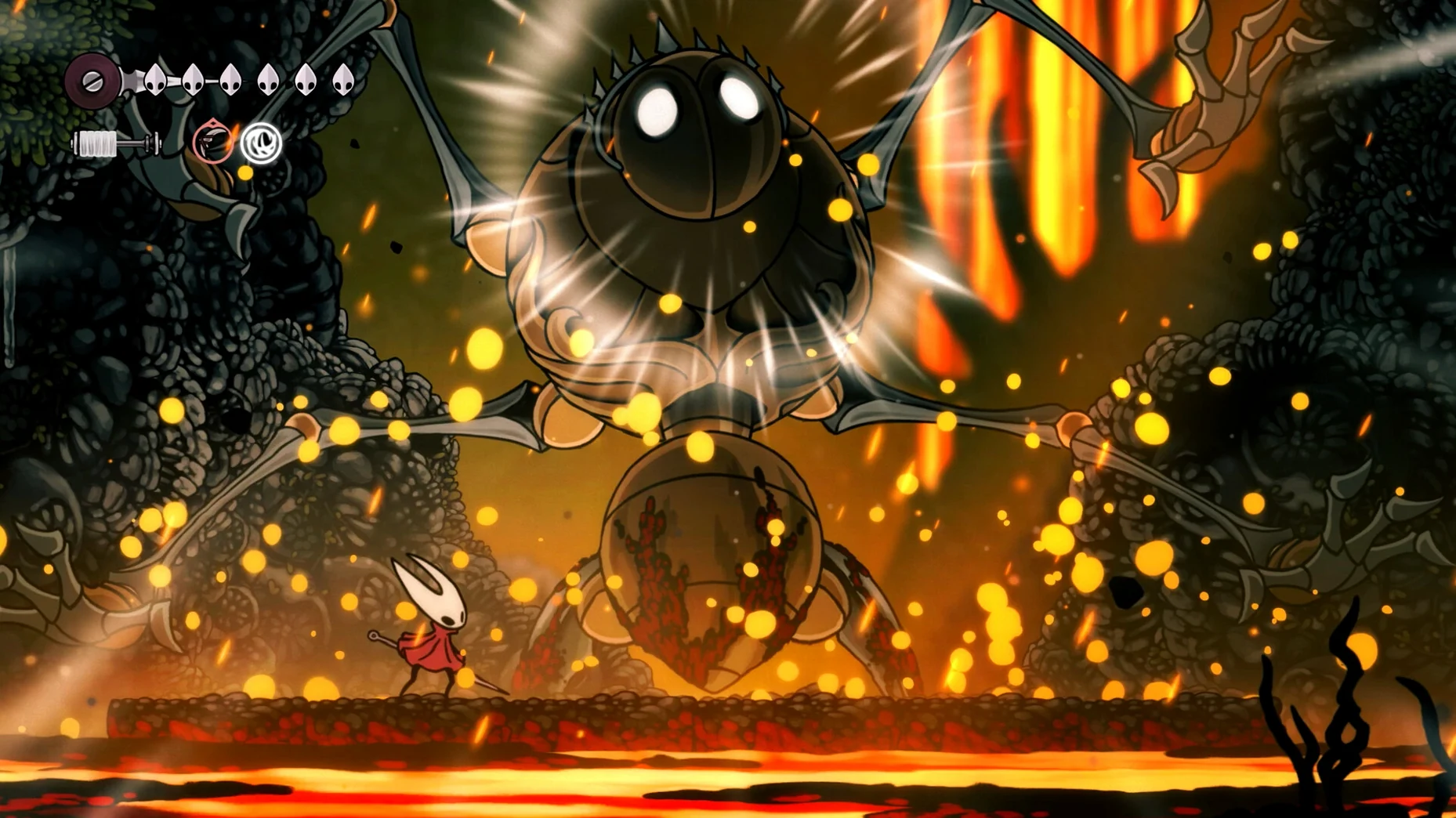
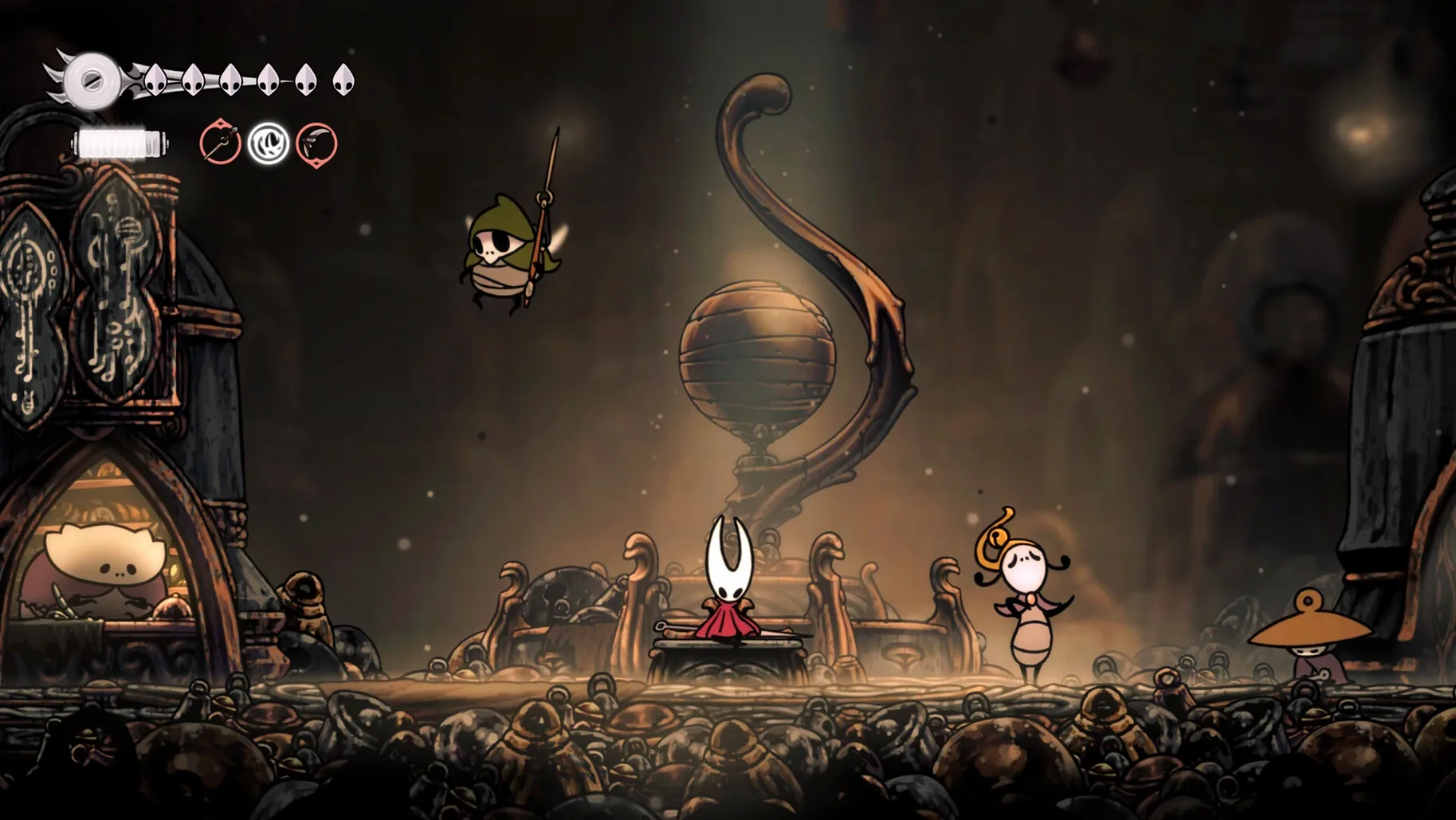
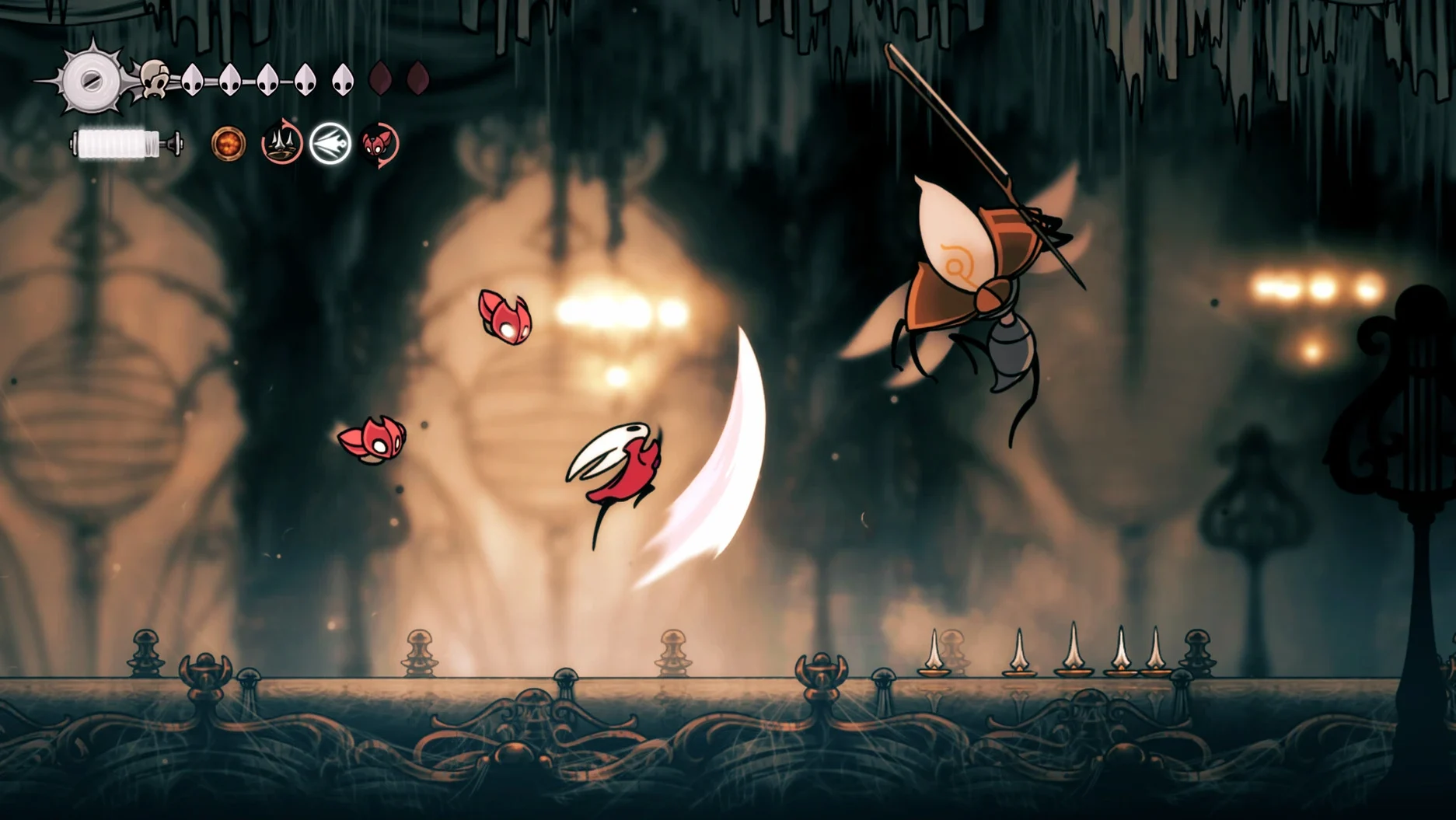
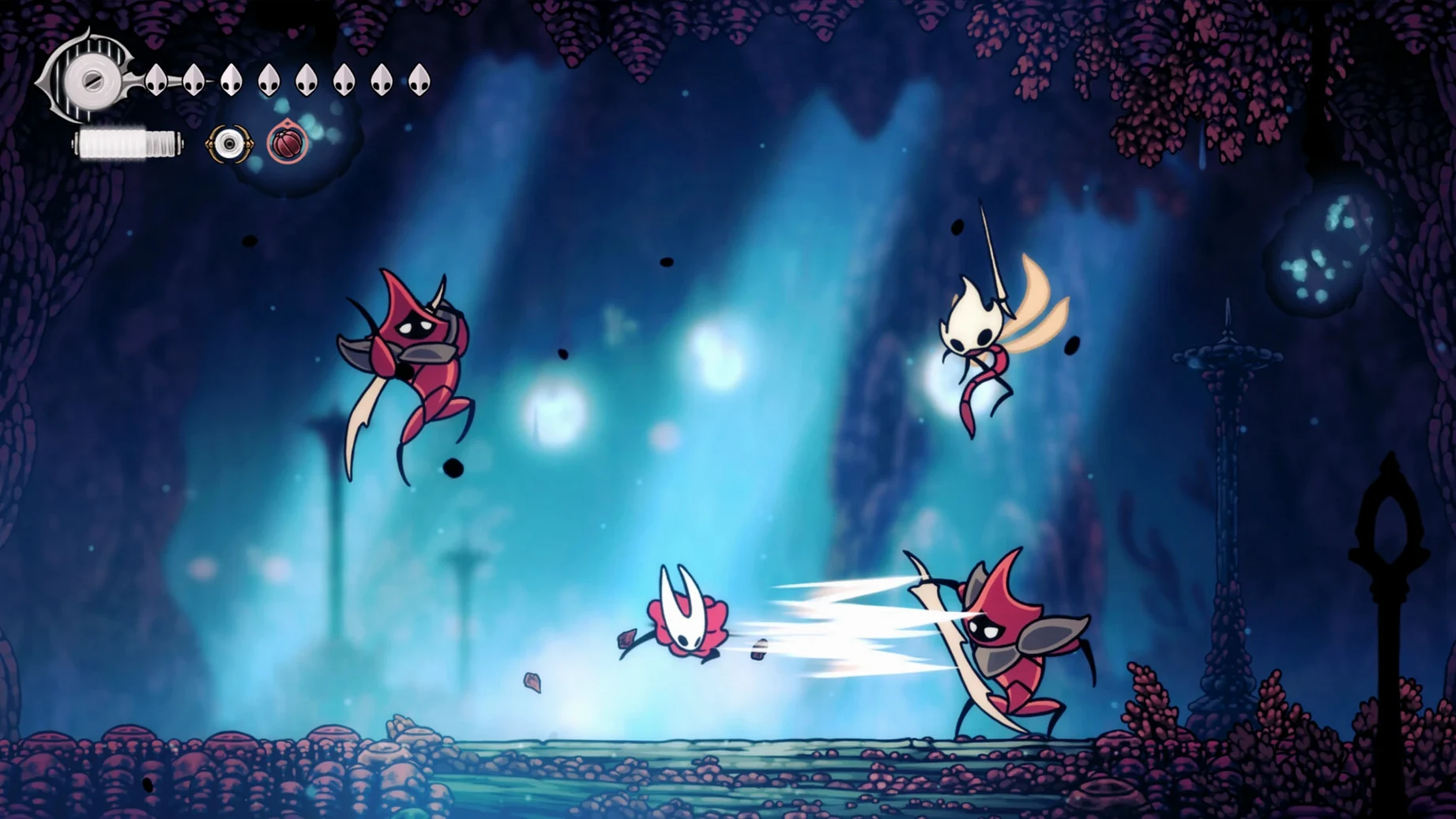
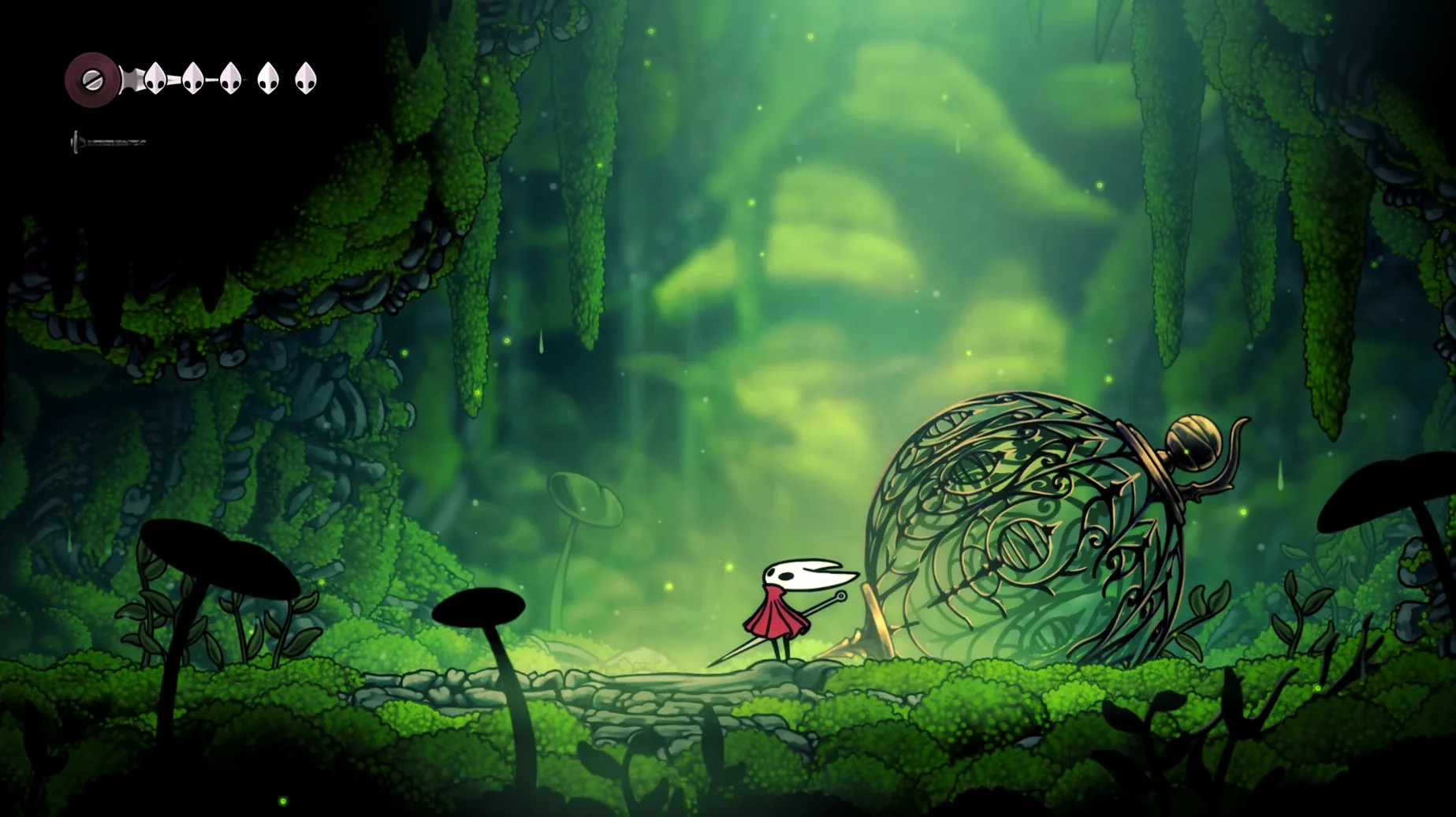
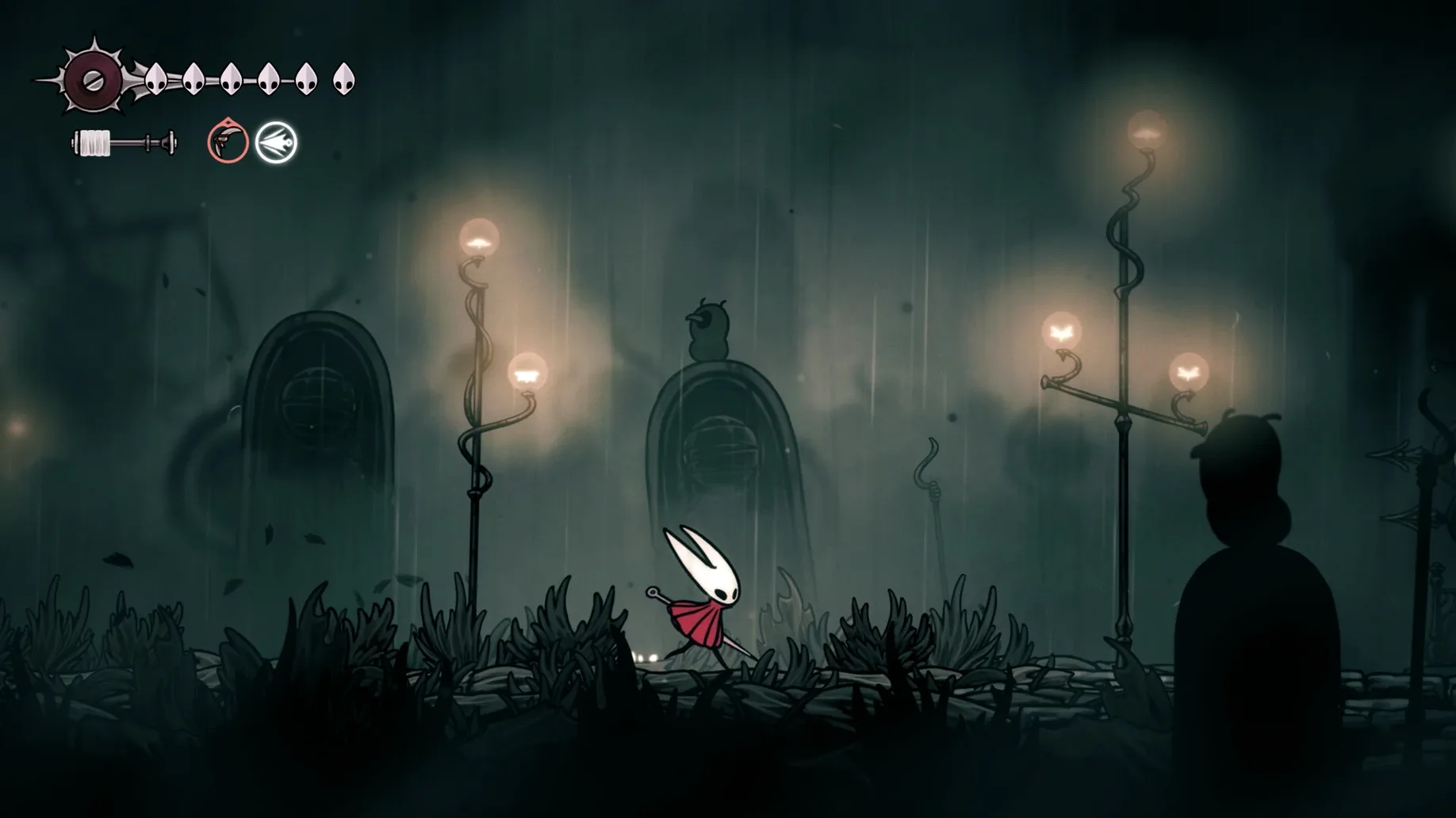
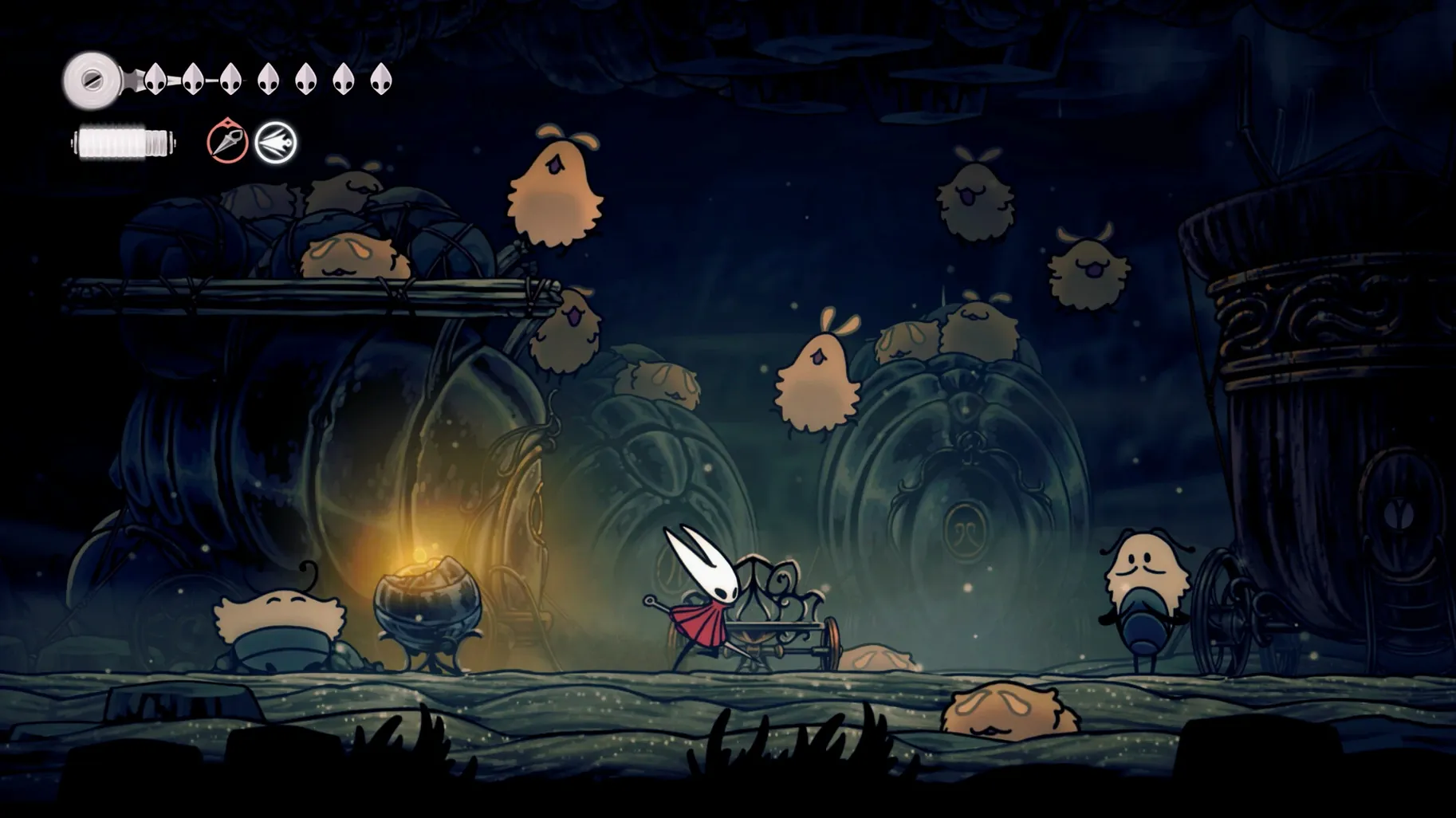
Players who finished the original and those starting fresh with Hornet will find a fallen kingdom governed by silk and song. Here is what sits inside the box.
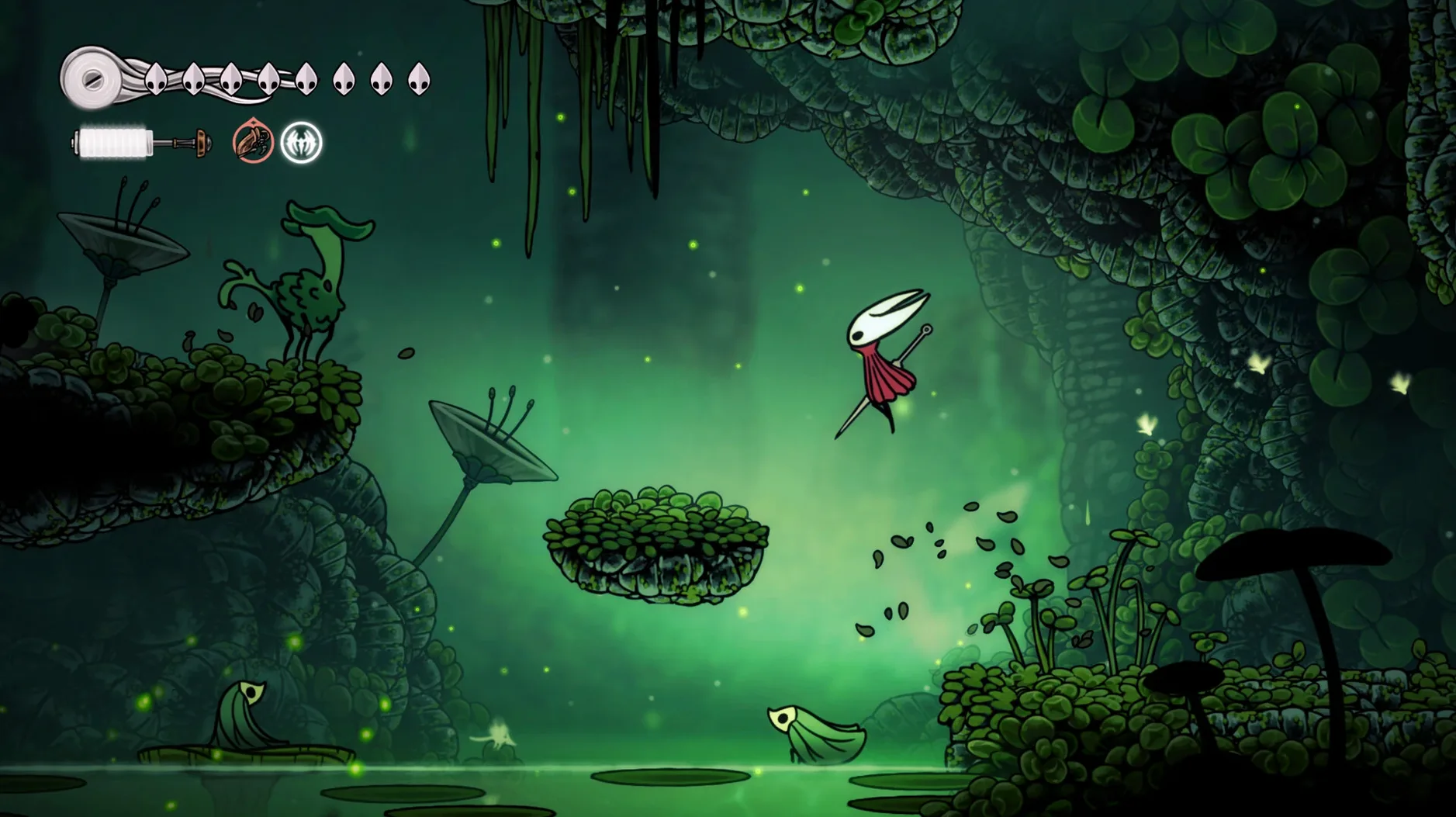
Character — Hornet, a nimble warrior wielding needle and thread, replaces the Knight. Her move set is sharper and more vertical, built for long swings and quick recoveries.
Setting — Pharloom, a towering insect kingdom bound by silk and ruled by song. The biome shifts from mossy grottos at its base to gilded spires higher up, each tier carrying its own melody and danger.
Combatants — Over two hundred enemy forms populate the map, backed by more than forty full boss encounters. Smaller foes test pattern recognition; the bosses demand patience with Hornet’s thread-based parries.
Sound — Christopher Larkin returns with an orchestral score. Themes rise and fall with each district of Pharloom, tying the kingdom’s silk-laced architecture to its audio identity.
Steel Soul — A single-life mode that strips away the safety net. Death here means the save is gone, forcing a cleaner approach to every ledge and arena.
Mac build — Tested on macOS Tahoe with an M4 Mac mini, supporting both ARM and 64-bit x86 architectures.
Workflow — clearing a silk-bound arena
Take the Gilded Span arena, roughly halfway up Pharloom. You enter from the left, Hornet’s needle-throw already charged. Two Loom Sentries patrol the upper platforms, and a Silkweaver hangs centre-stage. The room loops vertically, thread anchors spaced every few metres.
First move: needle the left Sentry from distance, pull yourself to its platform, and strike twice during the stagger. Before the second Sentry crosses, drop a thread snare on the middle anchor — it catches the Silkweaver as it descends, buying a three-second window. Turn to the remaining Sentry, parry its lunge, and finish with Hornet’s upward slash. The Silkweaver breaks free, but by now you have height advantage; a downward needle-pogo chains into a wall-cling on the far side, then a final dash-strike from behind. The arena clears in under a minute, and the bard-note collectible chimes from the upper-right corner.
This sequence works because Hornet’s kit rewards vertical thinking. Thread anchors are not decoration — they alter enemy pathing and give you safe recovery spots. Treat every arena as a silk loom: you set the tension, then pull.
Thread anchors aren't just for traversal
New players coming from the Knight’s heavy, ground-hugging style often stumble in three specific ways.
- Ignoring thread anchors. Hornet can latch onto silk points mid-fight, but many beginners treat them as traversal tools only. In combat, they reset your dodge rhythm and let you bypass shield-bearing enemies entirely. Not using them makes boss fights twice as long.
- Over-parrying. The needle parry is generous, but it leaves a recovery gap against multi-hit attacks. Beginners parry the first strike of a Silkweaver’s flurry and eat the second. Block what you must, dodge what you can, especially against the forty-plus bosses where a mistimed parry costs a third of your health.
- Hoarding silk for the ‘right’ tool. The crafting system lets you weave new needle-forms and thread gadgets early. Saving resources for a late-game upgrade means slogging through mossy caverns with a basic kit. Spend silk on at least one mobility tool before the first major ascent — the difference in exploration speed is noticeable by the second biome.
Needle-throw turns corridors into multi-tier routes
Version 1.0.30000 arrived with Hornet as the sole protagonist, and that single fact reshapes the minute-to-minute rhythm. The original’s downward-slash pogo remains, but the needle-throw now doubles as a grapple, turning flat corridors into multi-tier routes. Movement feels less about enduring the space and more about threading through it.
Pharloom itself introduced a layered map system. Each district has a distinct musical motif, and the soundtrack shifts dynamically when you cross a silk-bridge or enter a boss chamber. Practically, this means you can gauge danger by ear — a subtle string swell often precedes an ambush before the enemy sprite appears on screen.
The expanded bestiary, crossing the two-hundred mark, also changed pacing. Enemy variety forces frequent loadout adjustments; a needle-form that shreds moss-dwellers may glance off the armoured guards in the golden city. Swapping tools at a silk-spool checkpoint became a natural part of the loop, not an occasional aside.
Steel Soul mode, already present in the original, now carries a small but meaningful difference: thread anchors remain placed after death, visible in subsequent runs like ghosted waypoints. It does not make the mode easier — death still wipes the save — but it leaves a faint breadcrumb trail, encouraging a different kind of persistence for those who want to master Pharloom without a safety net.
The Mac build, tested on macOS Tahoe with an M4 Mac mini, runs both ARM and 64-bit x86 paths without separate launchers. Load times between districts sit at a consistent clip, and the orchestral score streams without compression artefacts, which matters when Larkin’s cello line cues a boss entrance.