Aspecten
 Download (16 GB)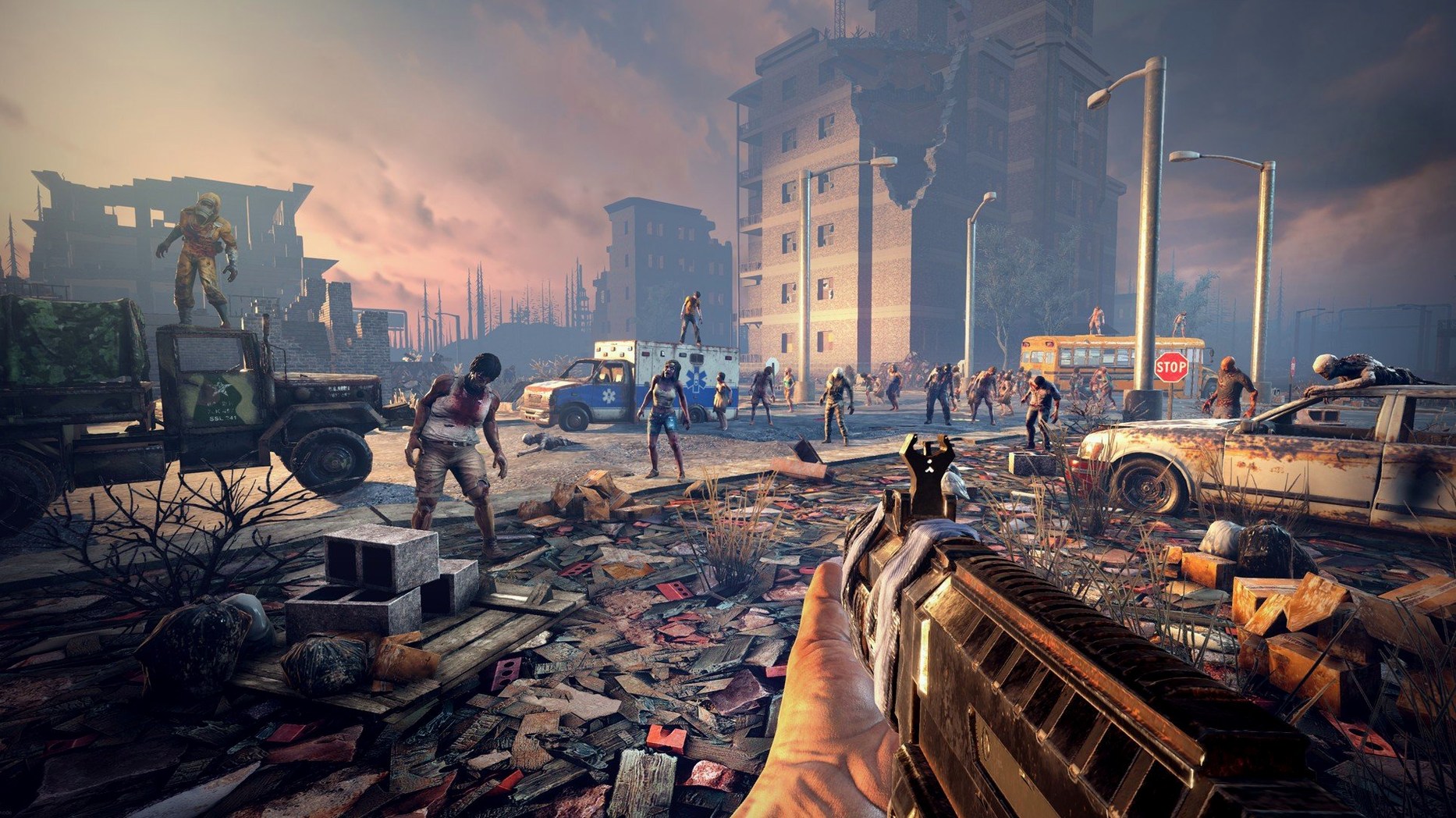
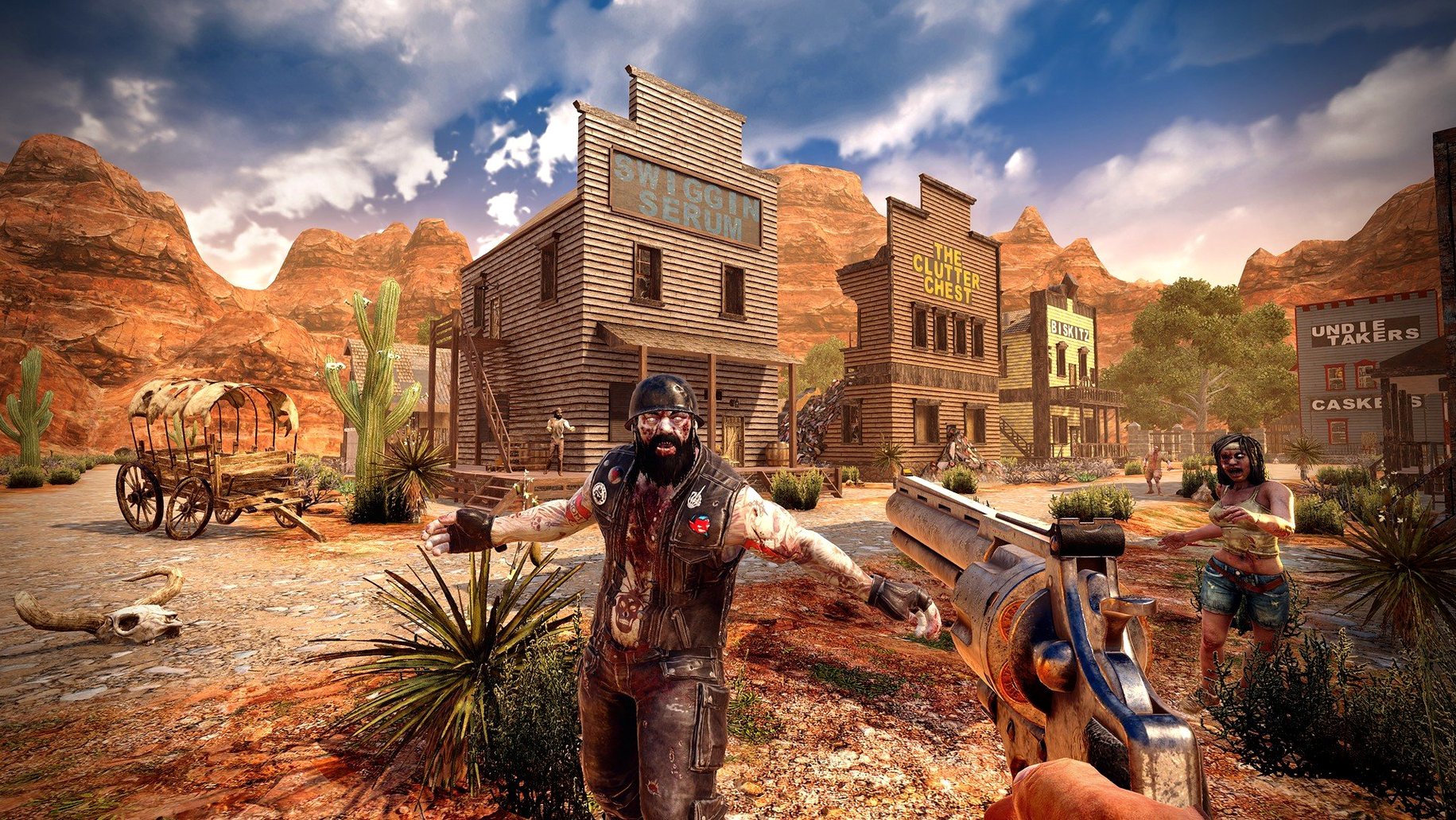
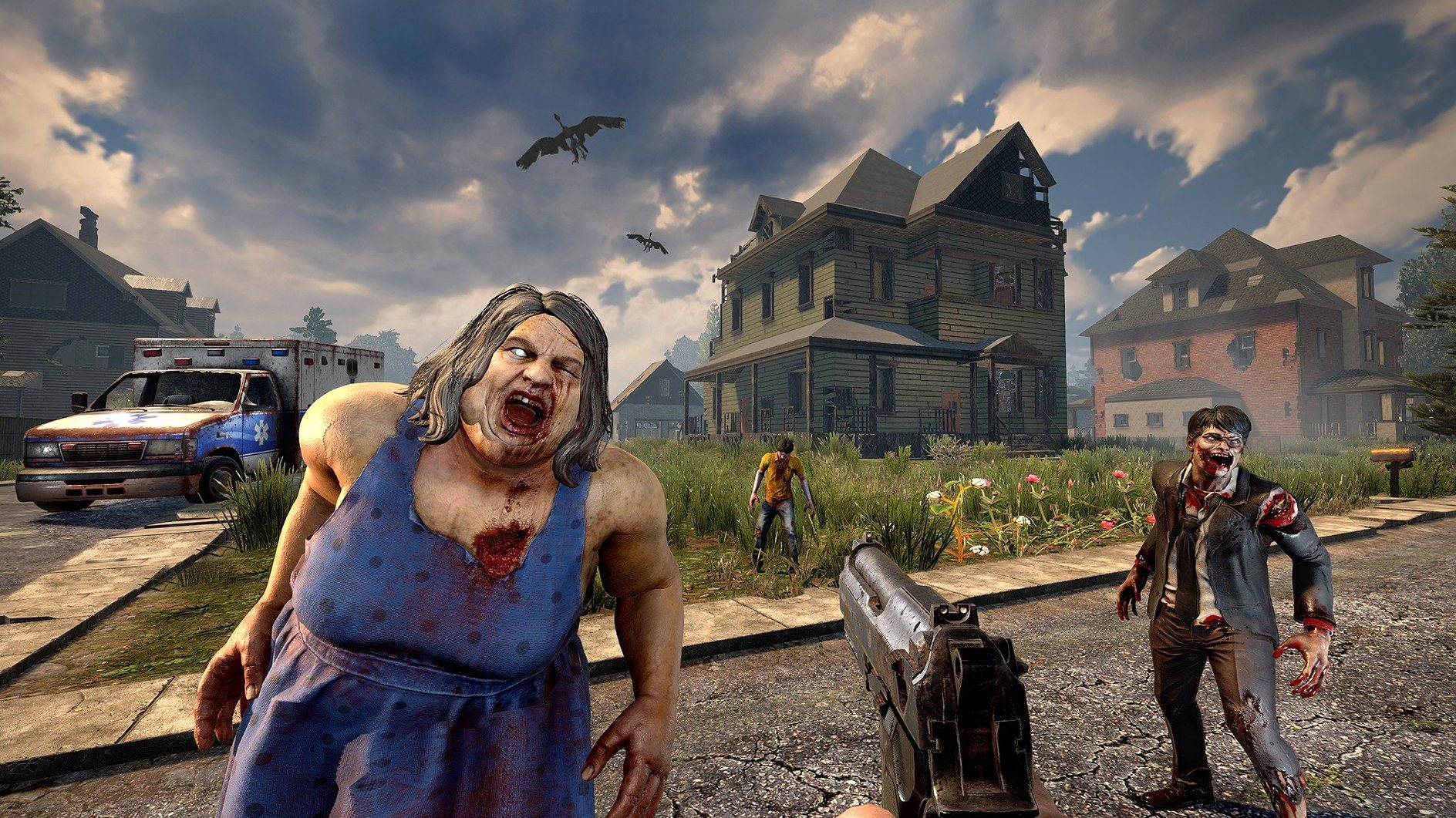
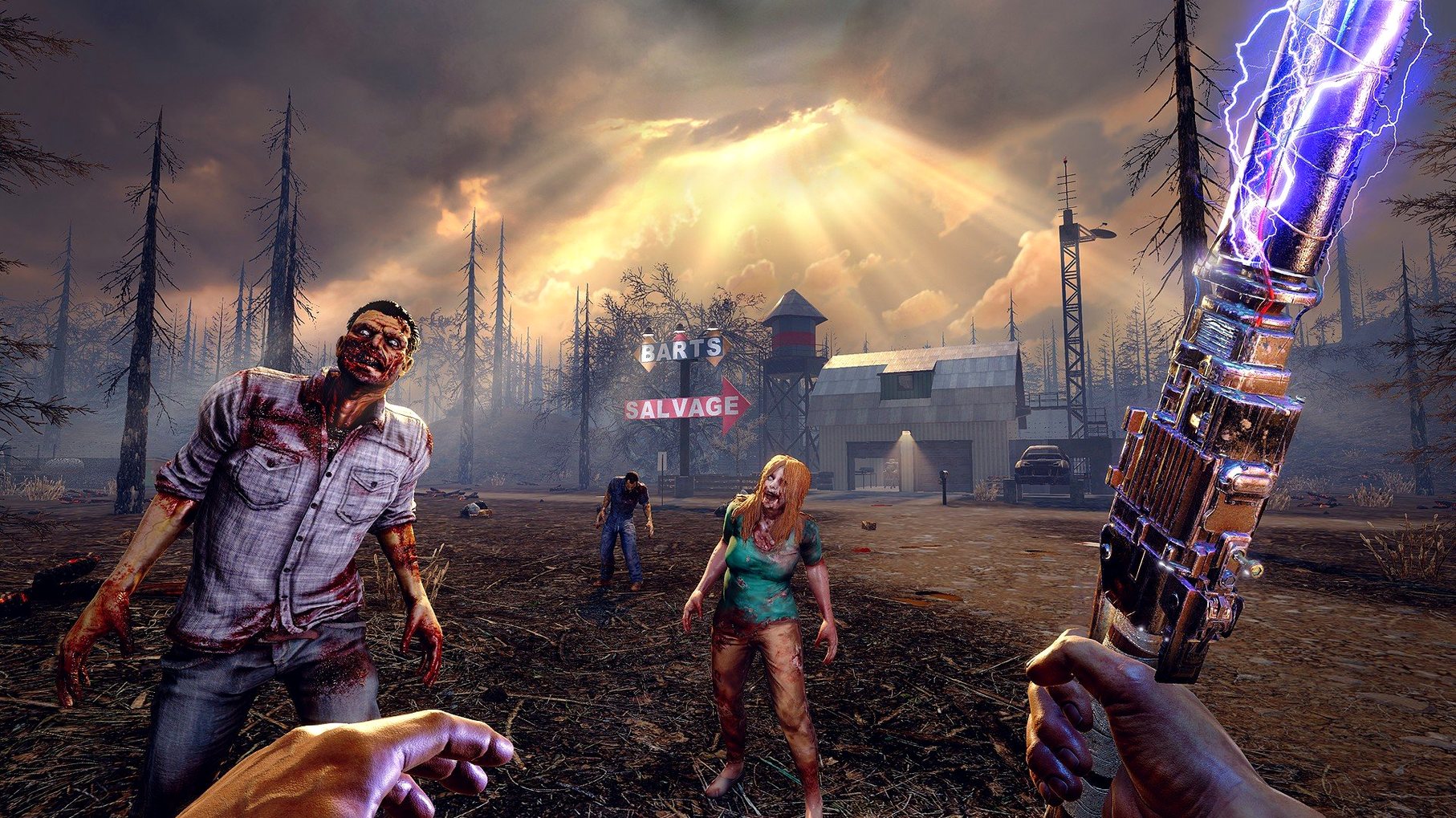
Most survival games hand you a list of chores. 7 Days To Die hands you a world that is genuinely trying to kill you, and then asks what you intend to do about it. The answer forms a loop that never quite repeats itself across two consecutive nights.
1. Choose the shape of the world
You start by picking between a hand-crafted campaign world or a randomly generated map. The fixed world, Navezgane, spreads across five biomes, from burnt forest to wasteland, while a random seed produces a landscape that nobody, including the developer, has seen before.
2. Scavenge the first day
Daylight belongs to you, just about. You loot buildings, gather wood and stone, and read one of the more than 100 skill books tucked into mailboxes and cupboards. Every minute matters because the night brings enemies with unique, unpredictable behaviour.
3. Build a defence before the seventh night
The name is not a suggestion. Every seven days a horde of infected attacks your position. Between those nights you build from a palette of more than 1,300 unique blocks, farm crops, hunt animals, and craft gear across six quality tiers using over 500 recipes. The combine station interface, reworked in the current version, makes repairing and upgrading equipment a less cluttered affair.
Progress comes from doing, not from a skill tree alone. Swing a club and you get better at clubs. Read the right book and you unlock a recipe. The loop is simple, but the scale of what you can make, grow, and reinforce keeps it from feeling thin.
Imagine someone who arrives at a survival game not for the shooting, but for the quiet act of making a place feel like home. A solo player who spends the first day gathering plant fibres and stones, then finds a two-storey house on the edge of a pine forest and decides, without much fanfare, that this will do. The windows get boarded up. A storage crate appears in the kitchen. By day three there is a small farm plot behind the shed, a campfire with a cooking pot, and a note on the floor listing what still needs scavenging: short iron pipes, more duct tape, a cooking pot lid. The seventh night hits and the house holds, but only just. Two walls collapse. The next morning is spent not hunting, but rebuilding. The satisfaction is not in surviving the horde; it is in surveying the repaired walls from the roof and thinking, I built this. That player is well served here, perhaps more than the one chasing a high kill count.
Compared with a few similar Mac survival games
Set 7 Days To Die next to Rust and the priorities split clearly. Rust is a multiplayer pressure cooker where other players are the main threat. Crafting is fast-tracked, base building is celebrated, but there is no horde night, no quest-driven trader system, and no real single-player world to sink into. 7 Days To Die gives you a world that works alone or with friends, and the zombies are the point, not a side note.
Project Zomboid presents a closer comparison. Its isometric view and deeply simulated health and mood systems make it the more granular survival sim. You can get depressed, catch a cold, or die from a scratch that becomes infected. But its building is flatter, literally and figuratively. You cannot dig a moat, wire a motion sensor to a shotgun turret, or watch a poorly supported balcony buckle under its own weight. The structural integrity system in 7 Days To Die is something Project Zomboid simply does not attempt.
Against Valheim, the difference is thematic but also structural. Valheim leans into exploration and boss fights, with building that feels elegant and earth-toned. 7 Days To Die is uglier, more industrial, and far more concerned with electricity, scrap metal, and concrete. One asks you to sail and discover. The other asks you to fortify and endure.
Shift-click to teleport items into containers
A handful of small touches sit below the crafting menus and skill books, easily overlooked during the scramble of the first few hours. Holding Shift while clicking an item in your inventory moves it straight into an open container, bypassing the drag-and-drop that many players assume is mandatory. Right-clicking a stack of ammunition while the weapon is on your toolbar loads it without opening a single extra menu. The trader doors, as of version 3.2.0.B10, can be opened with a vehicle horn, a tiny quality-of-life change that saves repeated dismounts during supply runs.
Buried in the map screen is a search field that accepts location names, not just coordinates. Type “crack a book” and every bookshop in your explored territory lights up, useful when you are hunting a specific recipe volume. Wooden frames, a basic building block, can be picked up again after placement, which means you can mock up an entire wall layout before committing resources to upgrade it to cobblestone or concrete. The gyrocopter controls feel twitchy on first attempt, but tapping the nose down gently instead of holding it makes landing on a rooftop helipad far less expensive.
Runs natively on Apple Silicon Macs
Does it run on Apple Silicon? The current build supports both ARM and 64-bit x86 architectures, tested on a Mac mini 2024 M4 running macOS Tahoe. Performance on Apple Silicon machines is steady at medium to high settings, though large horde nights benefit from dialling back shadow distance and reflection quality.
What is the minimum Mac operating system? macOS 10.13, with 8 GB of RAM and 15 GB of available disk space. The game package launches from inside the Applications folder, specifically from /Applications/7DaysToDie.app/Contents/Game/7DaysToDie.app.
Can you play it single-player or is it multiplayer only? Single-player, local co-op, and dedicated server play all work. The world does not scale between them; the same rules, hordes, and crafting trees apply regardless of how many people share the map.
Is there a story or an end goal? Not in a traditional sense. The campaign world provides a fixed map with points of interest and trader quests, but no final cutscene or credits roll. The drive comes from the systems themselves: a better base, a higher gear tier, surviving another seven days. If you need a narrative arc, you bring it with you.