Aspecten
 Download (326 MB)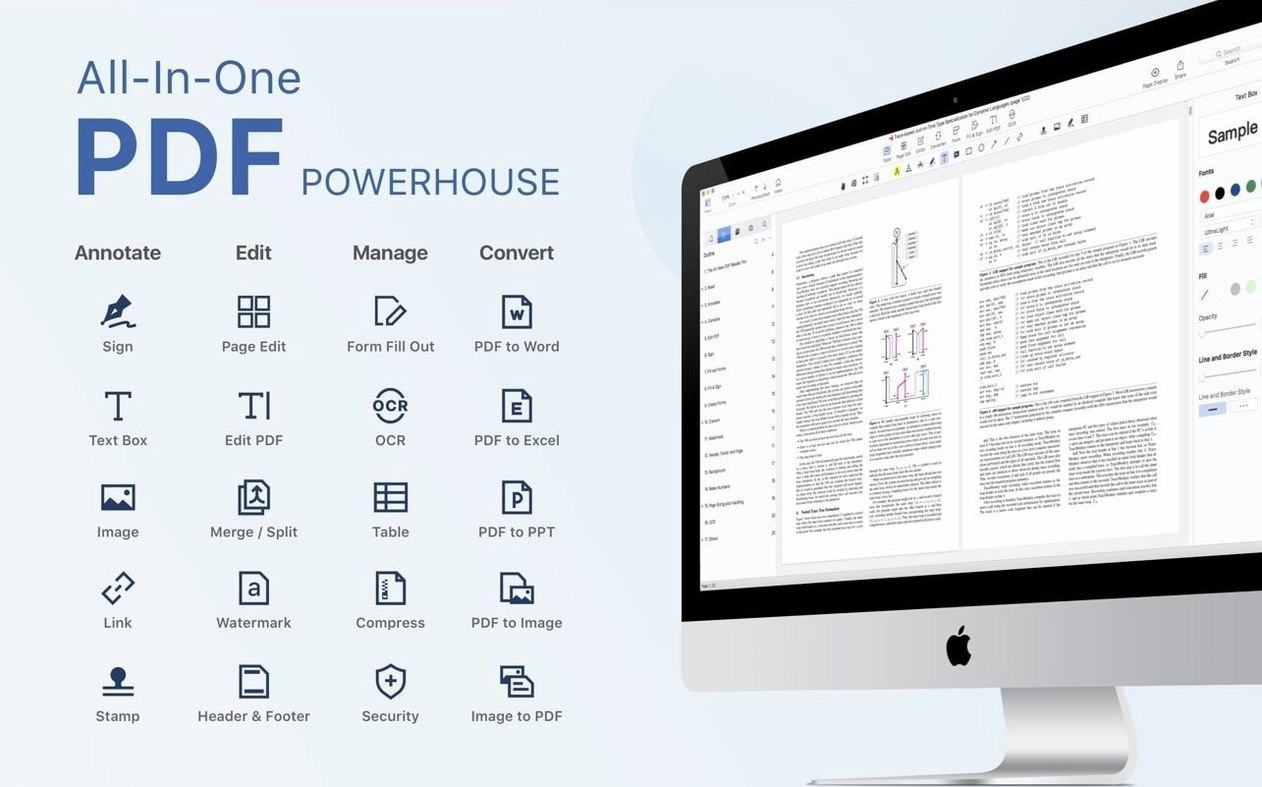
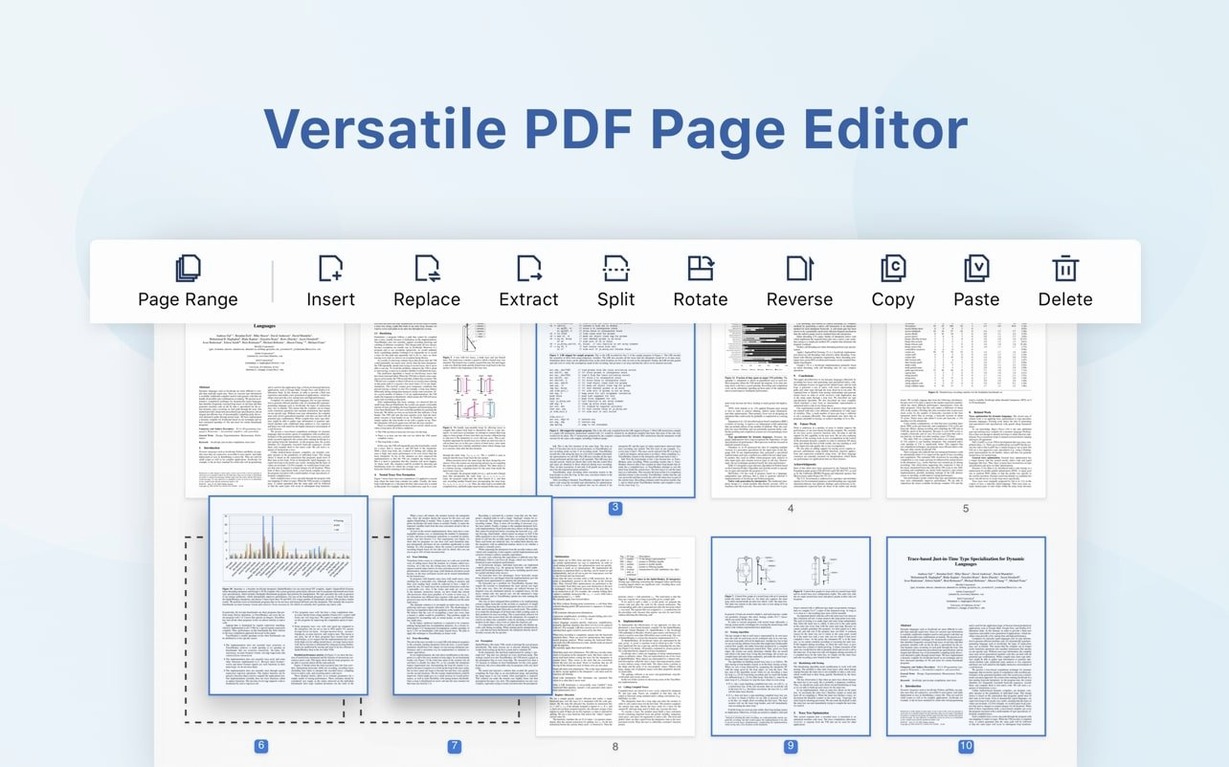
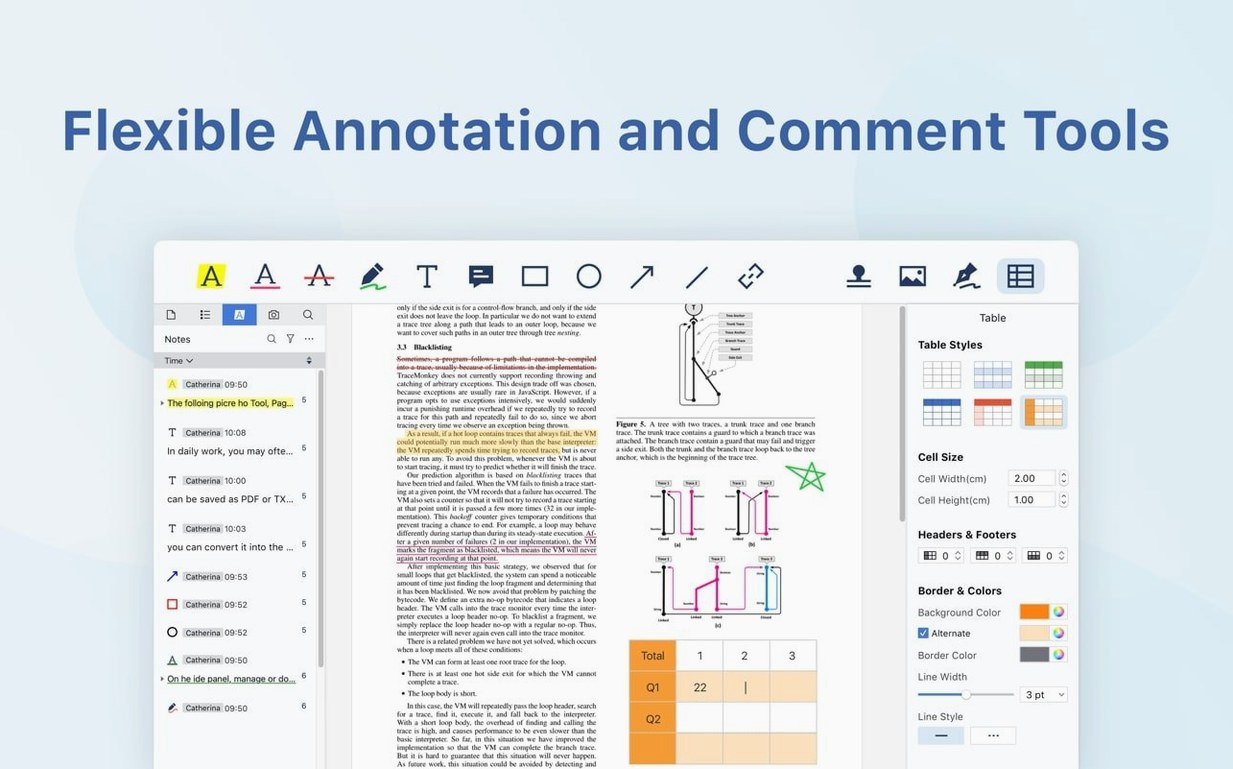
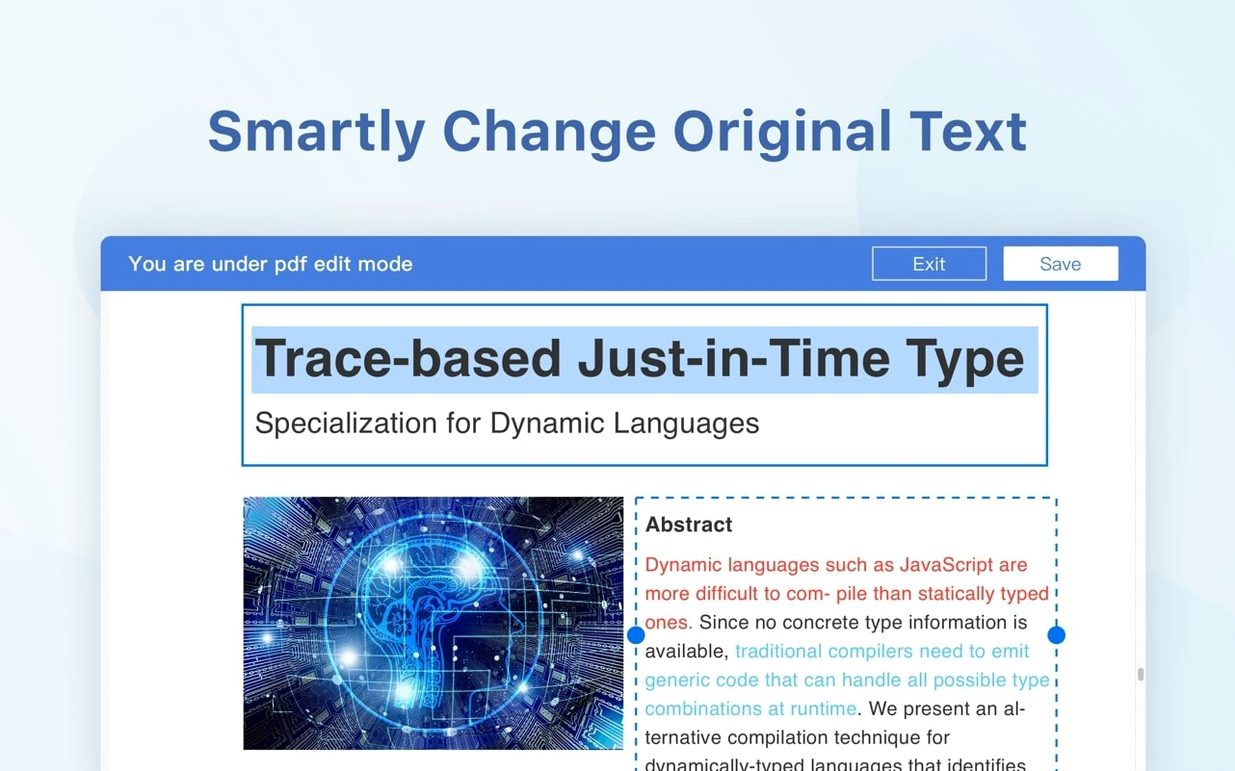
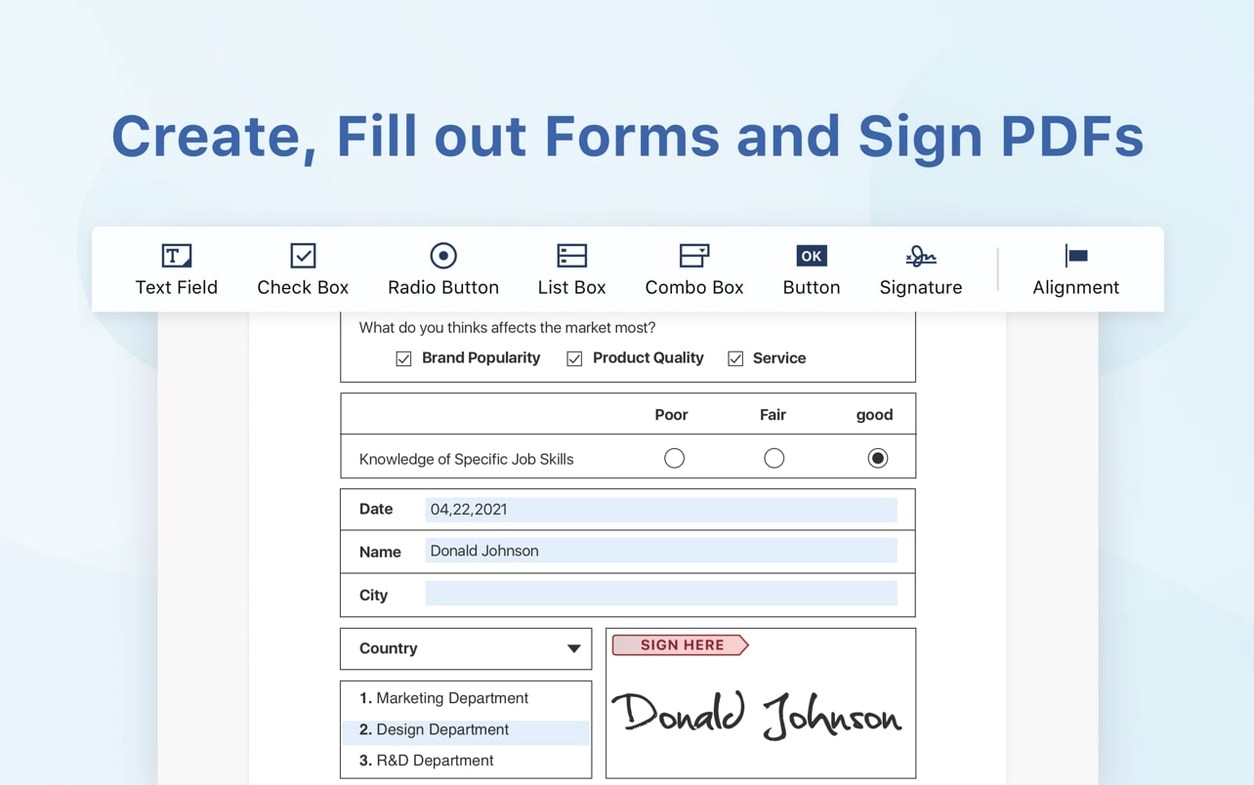
PDF Reader Pro 6.0.0 runs on any Mac with macOS 11 (Big Sur) or newer, and the binary carries native code for both Intel x86 and Apple Silicon ARM processors. A handful of localisations ship with the app: Russian, English, German, Spanish, Italian, Traditional Chinese, Simplified Chinese, Dutch, Polish, French and Japanese.
What did version 5.3.0 change?
According to the release notes, the 5.3.0 update — posted in March 2026 — tightened the optical character recognition engine and smoothed out several conversion paths. Most of the editing toolkit stayed untouched, so the jump felt more like a maintenance release than a feature drop.
What editing tools are present now?
Version 6.0.0 keeps the full set: annotation markup, text recognition, page insertion from external PDFs, bookmark management, form filling and digital signatures. A presentation mode is included for showing documents full-screen without clutter.
What remained the same in the current version?
The 6.0.0 release brings no new capabilities listed in the change log. The tool remains a straightforward PDF editor and viewer for Mac, holding on to the same interface layout, the same annotation workflow and the same conversion formats that the 5.x line established.
Skipping the Gatekeeper block on first launch
First launch after dragging the app to Applications sometimes throws a Gatekeeper block — the system reports an unidentified developer. The fix is straightforward: mount the disk image, run the Gatekeeper-friendly script that ships alongside the app, and press Enter in the terminal window that opens. After that, PDF Reader Pro starts without complaint. A few people have reported needing to repeat this step after a macOS point update, though that seems machine-specific rather than a rule.
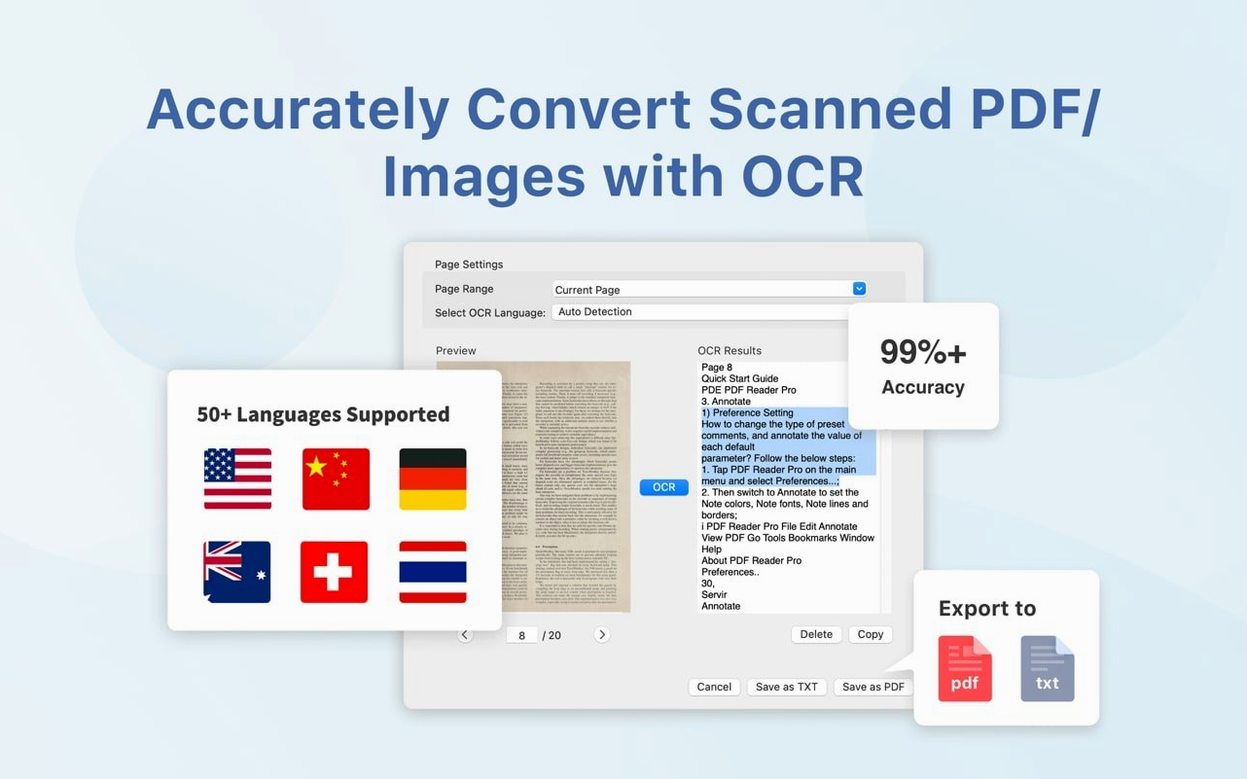
OCR results can stutter on heavily skewed documents. If the recognised text comes through garbled or full of artefacts, straighten the scan first — the engine handles 5° of rotation reasonably well but falls apart past that. A quick deskew in Preview beforehand saves a second pass. Similarly, scanned pages with a coloured background or heavy paper texture often confuse the recognition layer; converting to greyscale inside the app before running OCR tends to clean up the output markedly.
Another recurring hitch involves form fields that refuse input. This usually traces back to the PDF itself: forms locked by the creator or saved with XFA‑format fields will not respond to direct typing. The workaround — open the file, export it as a flattened copy, then re‑open and fill the replica — works often enough that it is worth trying before reaching for a different tool. When merging documents, watch the page order in the sidebar; the merge dialogue respects the currently displayed sequence, not the original file order, and it is easy to drop pages in backwards if the thumbnails have been rearranged earlier in the session.
Quiet conveniences worth knowing
A few shortcuts and behaviours are easy to overlook but smooth out repetitive work. Double‑clicking a bookmark entry in the sidebar jumps directly to that page — no modifier key, no right‑click menu. The sidebar itself is draggable to any width, and the app remembers the setting between launches. During annotation work, pressing E cycles through the markup tools in order, which can be faster than hunting for the toolbar icon. The text‑to‑speech engine is tucked under the View menu rather than a toolbar button; once activated, it runs on the paragraph under the cursor, not on the whole document, and speed is adjustable from a small floating panel.
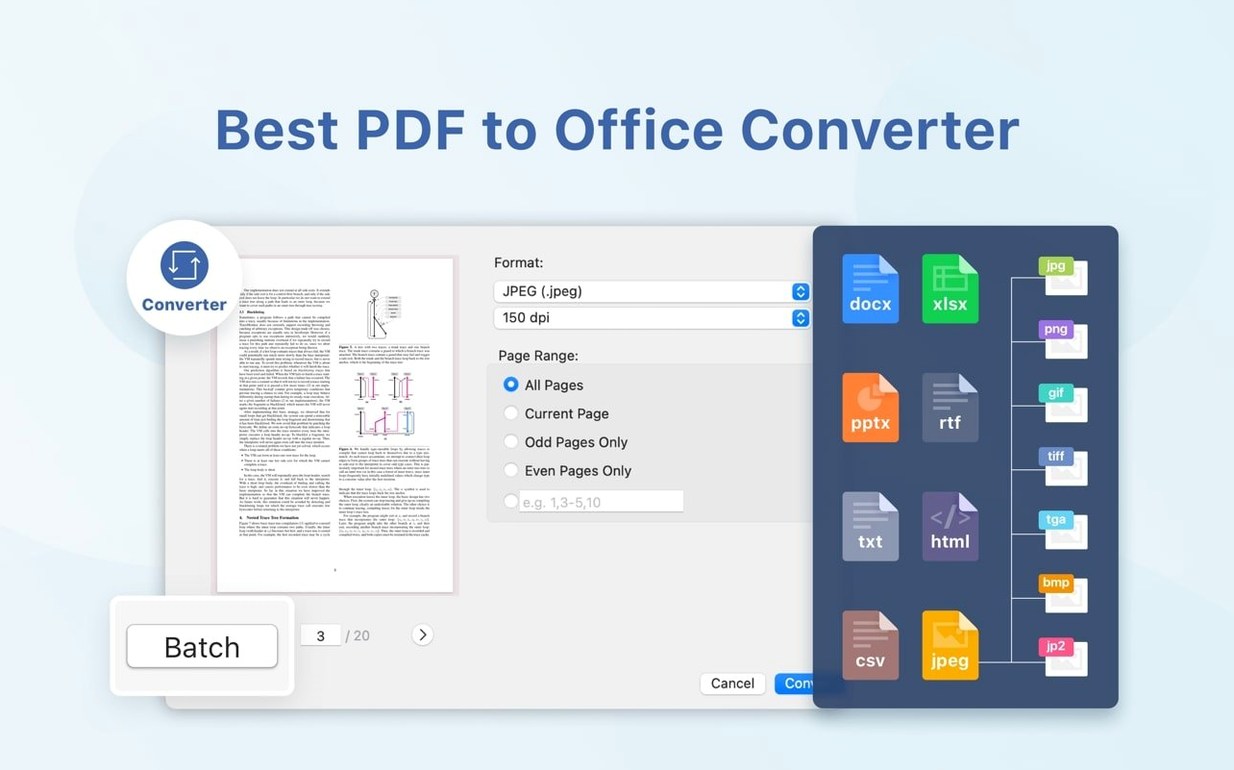
Export formats are surprisingly broad for a tool that markets itself as a reader first. The same document can be sent out to Word, PowerPoint, Excel, RTF, HTML, plain text, images and CSV without passing through an intermediate service. The Excel path in particular handles tables embedded in PDFs better than many converters, though merged cells occasionally split across rows. For batch work, the merge dialog accepts drag‑and‑drop from Finder — no need to navigate through a file picker for every added document.
Offline editing works without a connection
Does it need an internet connection to work? No, the core editing, annotation and conversion functions run entirely offline. Cloud features — Dropbox sync and any online signing flows introduced in the 5.3.0 eSign workflows — are the only parts that reach out to the network. If you never sign in to Dropbox and stick to local signatures, the app functions without a connection indefinitely.
Will it run on Apple Silicon, or is it Intel-only? The 6.0.0 binary is universal. It includes native ARM code for M‑series chips and 64‑bit Intel code for older Macs. You do not need Rosetta, and the app does not prompt for it. Memory usage on ARM tends to sit a little lower than on Intel, but the difference is modest — roughly 120 MB lighter under typical document loads.
Can it replace a dedicated PDF editor like Acrobat? For reading, annotation, form filling and straightforward page reordering, yes. It handles the daily‑driver tasks well. It does not offer the deep pre‑press controls or complex colour‑management tools that Acrobat Pro carries, so print‑production workflows still need heavier gear. For office review cycles, contract mark‑up and archive conversion, the feature set holds up.
What languages does the interface support? Eleven localisations ship with the app: Russian, English, German, Spanish, Italian, Traditional Chinese, Simplified Chinese, Dutch, Polish, French and Japanese. The language follows the system setting automatically; there is no in‑app language picker to override it separately.
Merging reviewer comments into one file
A research coordinator opens the app on a Wednesday morning. Three documents sit on the desktop: a scanned contract from a partner, a grant proposal in PDF form, and a set of reviewer comments spread across four separate files. The contract gets first attention. It opens as an image‑only scan, so the coordinator triggers optical character recognition from the toolbar — the progress bar takes about ten seconds for eight pages on a 2021 MacBook Pro, and the resulting text layer appears highlighted in pale blue. One paragraph reads oddly; the original scan tilts slightly, so the coordinator opens Preview alongside, deskews the page, re‑exports it, and drops the cleaned page back into PDF Reader Pro. The OCR pass on the replacement page returns clean copy.
With the contract searchable, the coordinator moves to annotations. Yellow highlights go onto three clauses, a sticky note with a question mark attaches to a payment schedule, and a text‑replacement annotation swaps an outdated company name. The E key cycles between the highlighter and the strikethrough tool without reaching for the mouse. With markup done, the file is saved and closed — no export step, the annotations are baked into the PDF natively.
Next, the four reviewer‑comment files need merging. Dragging all four from Finder into the merge dialog stacks them in the order they were selected. A quick drag in the sidebar reorders one file that landed out of sequence, then the merge button produces a single 22‑page document. The coordinator inserts a blank page before the final section using the page‑insertion tool, pulls a signature block page from a template PDF stored in Dropbox, and drops it into place. The Dropbox sync happens in the background, but the coordinator does not wait for it — local saving is instant.
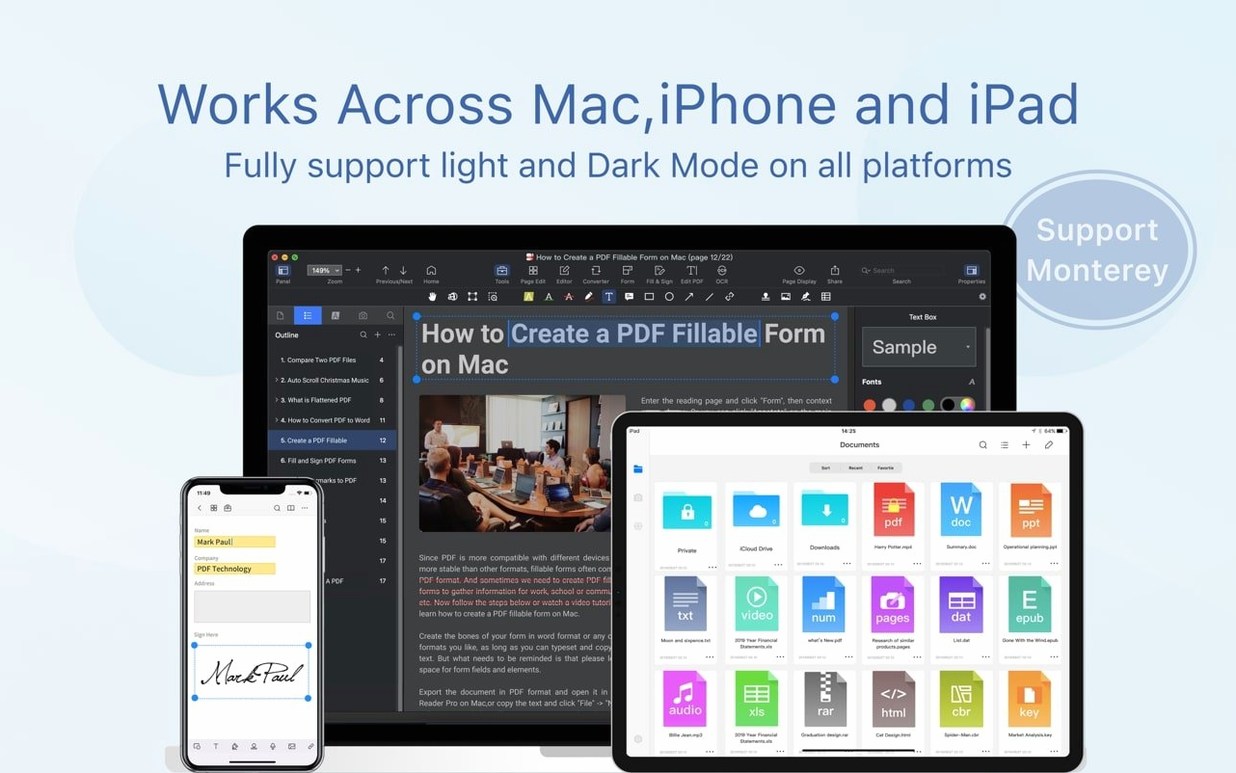
The grant proposal requires form filling. The original PDF includes a dozen fields — names, dates, budget figures, checkboxes. Tab moves between fields as expected, and a long text block wraps cleanly within its box. One field refuses input; the form turns out to be XFA‑locked. The coordinator exports a flattened copy, re‑opens it, and fills the replica without further trouble. A digital signature goes onto the final page using a stored signature profile — added during the 5.3.0 eSign update — and the document is exported to Word for a colleague who prefers tracked changes. The conversion keeps headings, paragraph breaks and most table structures intact; two multi‑column layouts shift slightly but are easy to realign in Word.
By midday, the coordinator has not opened another PDF tool. The session runs without a crash, though the OCR deskew detour cost five extra minutes. The presentation mode gets a brief check before a meeting: full‑screen, no toolbars, arrow keys advance pages — good enough for the afternoon's slide‑free review.